The Achrafieh Building Collapse: An Observation

Meet Nasra. Named after her grandmother, Nasra is my grandfather’s niece. Coming from a Lebanese village in the North, your grandfather’s niece might as well be your aunt proper. Families are that close. Nasra also lived on the 7th floor in an Achrafieh building up until recently. The building in question is the one turned into rubbles in the following picture, taken a few hours ago:

(source)

Nasra had decided to leave her Achrafieh home because the building became filled with foreign nationalities that she wasn’t too keen on frequenting. However, recently, Nasra was faced with the news that her landlord has sold this Achrafieh building.

I am personally not a conspiracy theorist. But one can look at the building collapse in Achrafieh in one of two ways, both returning to the same conclusion which will be presented subsequently in this post.

1) The landlord didn’t want to pay his tenants in damages. So he managed to have the building collapse. After all, cracks couldn’t possibly have this building fall in the way pictures are describing it. Twitter user Layal, an architect, finds the whole collapse a bit fishy. As a medical student, concrete is nowhere near my specialty. So I cannot judge the physics of it all. But the idea cannot but cross your mind when you see the footage of the 7 story building having fallen like a cake taken out of the oven early, especially after news surfaced that the landlord had asked his tenants not to spend the night in the building. But where else would his tenants go? It’s not like everyone has a spare house in Beirut somewhere they can visit whenever in need.

2) The building was simply too old to function properly. The cracks were affecting the pillars or poles of the building, as engineer-to-be Twitter user Weam pointed out. According to Weam, cement ages. The fact that a building stands doesn’t mean an impeding failure is not inevitable. And this might have been the case here. The recent storm that overtook Lebanon for the past 7 days, bringing torrential amounts of rain, didn’t help the shaggy building either. A side-note here but if the recent storm helped a building collapse, then what can we expect from a serious earthquake that would hit the Lebanese capital? The answer is: a true catastrophe.

As a result of either 1 or 2, the building fell and families are now homeless, stranded. Injured people are being transferred to nearby hospitals. More than 20 people have died, including a 15 year old girl and 3 siblings who were trying to carry their sick father out of their apartment. 10 apartments were destroyed. It is truly a tragedy in the streets of Geitawi, the Achrafieh neighborhood where this is taking place as we speak/type/read.

Meanwhile, as people die under the rubble, you have a formidable amount of nosey Lebanese individuals wanting to appear on national TV. So they impede the work of medics and security individuals by their foolish, stupid faces, holding a phone to their ear and waving their hand so their equally silly families at home can see them on TV. Every time something of the sort happens, reasonable people start to call for those less reasonable to clear the scene. This is not the time to be sadistically intrusive. This is the time to take your uselessness back home and watch the proceedings on TV.

But I digress. 1 and 2 can be pointed back to one reason which caused them both: Lebanon’s old renting laws.

My name, as you know, is Elie and my grandparents have an apartment in Achrafieh, fairly close to where the building fell. My grandparents have been calling their apartment home for the past forty years. But as my grandparents pay a very insignificant amount of rent per year, the fact that the building they live in is literally falling apart or the fact that the ceiling of their apartment isn’t exactly in top shape suddenly become of second-rate importance. This house is not theirs. There will come a time where the family which owns the building they live in decides to sell it to some wealthy Lebanese or Arab businessman who decides to tear it down and replace it with a high-rise.

Meanwhile, the owners of my grandparents’ buildings are even more unlucky. Perhaps when their tenants first started renting, the amount they were paying per month was incredible. But as the years progressed and the Lebanese currency lost much of its value during the civil war, this amount became more and more insignificant. It reached a point where this person, who considers this building in Achrafieh, or any other part of Beirut and Lebanon for that matter, an investment, cannot make any significant amount of money from this investment. Why should he care about the state the building is in?

So in simple terms: the rental law in Lebanon is hurtful for both the tenant and the landlord. The former cannot really call the apartment his own and as such cannot really make it suitable for a 21st century lifestyle. With old electrical circuits and rusty plumbing, the buildings desperately need an overhaul. The landlord, having no room to make money from his building, simply lets it fall into disrepair and, sooner or later, the building will crumble like the one in Achrafieh did today.

If anything, this building collapse should be a wake up call to our politicians that the lives of the many Lebanese who live in these old, dying buildings are more important than the seats they wish to keep as elections cycle. Forty years later, Lebanon desperately needs a drastic overhaul of its landlord-tenant renting laws. Our dear politicians, however, vehemently stay away from discussing this law because no one wants the public opinion to say the law changed on their term. There’s no way the solution involves an immediate change between the old and new renting laws. No one would be able to afford rent in Achrafieh anymore. But a solution needs to be found as soon as possible.

You might say it wouldn’t be “fair” for the tenants, fair being not wanting them to pay higher. But let me tell you this. My Achrafieh home holds so many memories under its roof. I’d much rather pay extra for these memories to remain where they are, as they are, than to have the roof under which these memories were made fall on the heads on those included in the memories. I’d pay extra if it meant having a safe roof on top of my grandparents’ head. And after today, I think everyone would pay extra to have their loved ones kept safe.

Until then, my thoughts and prayers go the families of those affected in today’s building collapse.

David Letterman on Driving in Beirut

Don’t mind his guest, Justin Bieber.

“If you can drive in New York City, it’s like driving in Beirut. You’ll be just fine.”

And of course you have the torrential Lebanese commentators who are proud of driving like baboons in Lebanon.


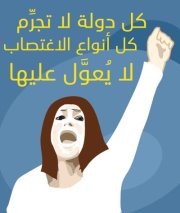
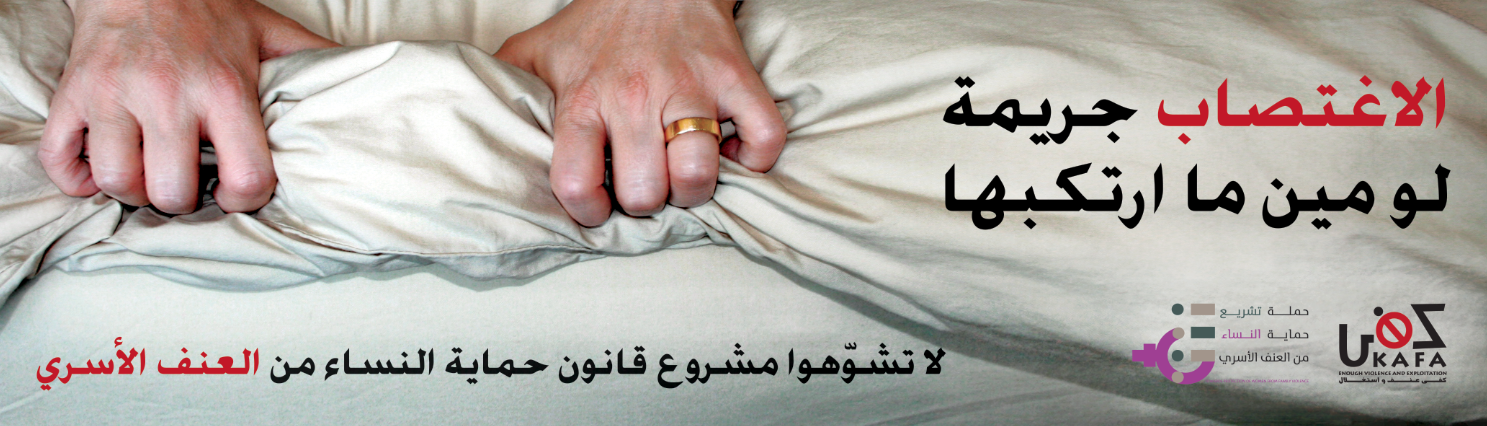
Fight Rape in Lebanon: The January 14th Protest

The women and men of Lebanon are taking it to the streets of Beirut on January 14 in their struggle to get our legislators to recognize rape as a criminal activity even among spouses, marital rape. As it is, Lebanese law only recognizes rape as such when it’s done by non-married individuals. And when the act of rape has been verified, the perpetrator has the right to offer marriage to the victim and his act would be absolved.

An interesting post by Beirut Spring regarding this matter exemplifies the distinction between marital rape and rape as the former being part of domestic laws, where men of religion rule supreme, and the latter being part of criminal laws, governed by parliament. And as you know in Lebanon, men of religion always win – especially when outdated scripture is their only reference for logic, not the needs of a 21st century society.

If that doesn’t sicken you enough, there’s even a section in our law that goes into the specifics of how torn a woman’s hymen has to be for her to be considered raped. I posted about it before, which you can check here.

But what’s worse is that most men, and many women, are very oblivious to how pejorative these laws are to them all. Sexual assault is not only exclusive to physical acts. Its scope also includes sexual harassment which Lebanese law doesn’t cover as well. Sure, these laws are giving the men of Lebanon an “upper hand” in society. But it’s not really an upper hand when this hand is raised over the other crucial component of Lebanese society: its women. A society where women are not given full rights is a dysfunctional society at its heart and core.

Men are also affected by the unfairness of the laws, although obviously not as much as women. I’m certain no father, husband, brother would accept his sister or wife or any female member of his family and close circle be violated in any way – and to have no law for her to lean on and defend her.

The January 14 protest is needed for Lebanese society. It’s the first time I’ve seen an anti-rape march getting this much propagation around the social networks. This is a sign as to how much the youth in our community want to change thing. But I have a simple question that doesn’t attempt in any way whatsoever to lessen the importance of the protest at hand.

Rape is a crime, regardless of who does it.

What do the protesters truly hope to achieve? I’m only asking this out of concern for the cause. The objective of the protest is surely righteous. But I can’t shake the feeling that this movement is stillborn for many reasons.

In my opinion, a parliament full of men taken straight of the dark ages will never ratify a law that brings the women of Lebanon into the 21st century. Like it or not, the men of our parliament (not all of them obviously but a decent chunk of them) are fine with the status quo. It doesn’t help that women have less than 10 MPs out of 128 to represent them (and not properly may I add). Perhaps the fight should be to ensure that women can actually get to office and fight for their rights from there. Perhaps the women of Lebanon should protest to get the elite of them, who can actually voice their concerns during parliamentary sessions, to be their parliament representatives. And there are many elite women in Lebanese society, who surpass at least half the men of our current parliament in qualifications.

It is here that the need for an upheaval of our laws is in need – and such changes cannot happen in the drastic way that they are needed without active female participation in making the decisions. You might think the “female quota” is limiting. Well ponder on this: is the situation without the quota any better? And can it get any better without a quota?

This post is not to lessen of the importance of the protest nor is it to belittle of the demands, as I made obvious in the first part of this post. This is simply to say that in the current political atmosphere of the country, the only way for women to have their full rights given is to assert political power. And women asserting political power cannot happen except through an electoral law that suits their needs . We’d be fools if we thought Lebanese officials actually cared about rape at the moment. The women (and the men of Lebanon who support them) would be fools to believe the men of our parliament actually care enough, deep down, to change things on the ground. All they care about is doing whatever they can to get re-elected next year. Many believe the ultimate solution is a civil state. Sure, a civil state is needed. But a Lebanese civil state will take a long time to happen in Lebanon and this matter is very urgent – more urgent than the oil law that has been debated for months now.

There is something, however, that is happening much sooner than a Lebanese civil state. Parliamentary elections are in a year. The law to run these elections is being discussed now. In a few months, the preparations for the elections will go underway and the voices of these women will be diluted and tuned out – unless they get their voices heard now and get themselves a secured proportion of representation in the parliament that will arise from the 2013 elections.

So Saturday’s protest becomes, as I see it and as Beirut Spring eloquently put in a follow-up post, “a watershed demonstration against denial and stigma in our society.” Perhaps it will get more people to be aware of the horrors our women have to face. Will it bring about change? I doubt the stubbornness of those in charge will let any change happen. So on Saturday the women and men of Lebanon march for a righteous cause. And I truly hope the slogans they will chant up until their vocal cords rip won’t fall onto ears as dead as the laws they want to change.

Winter in Lebanon: The Cedars

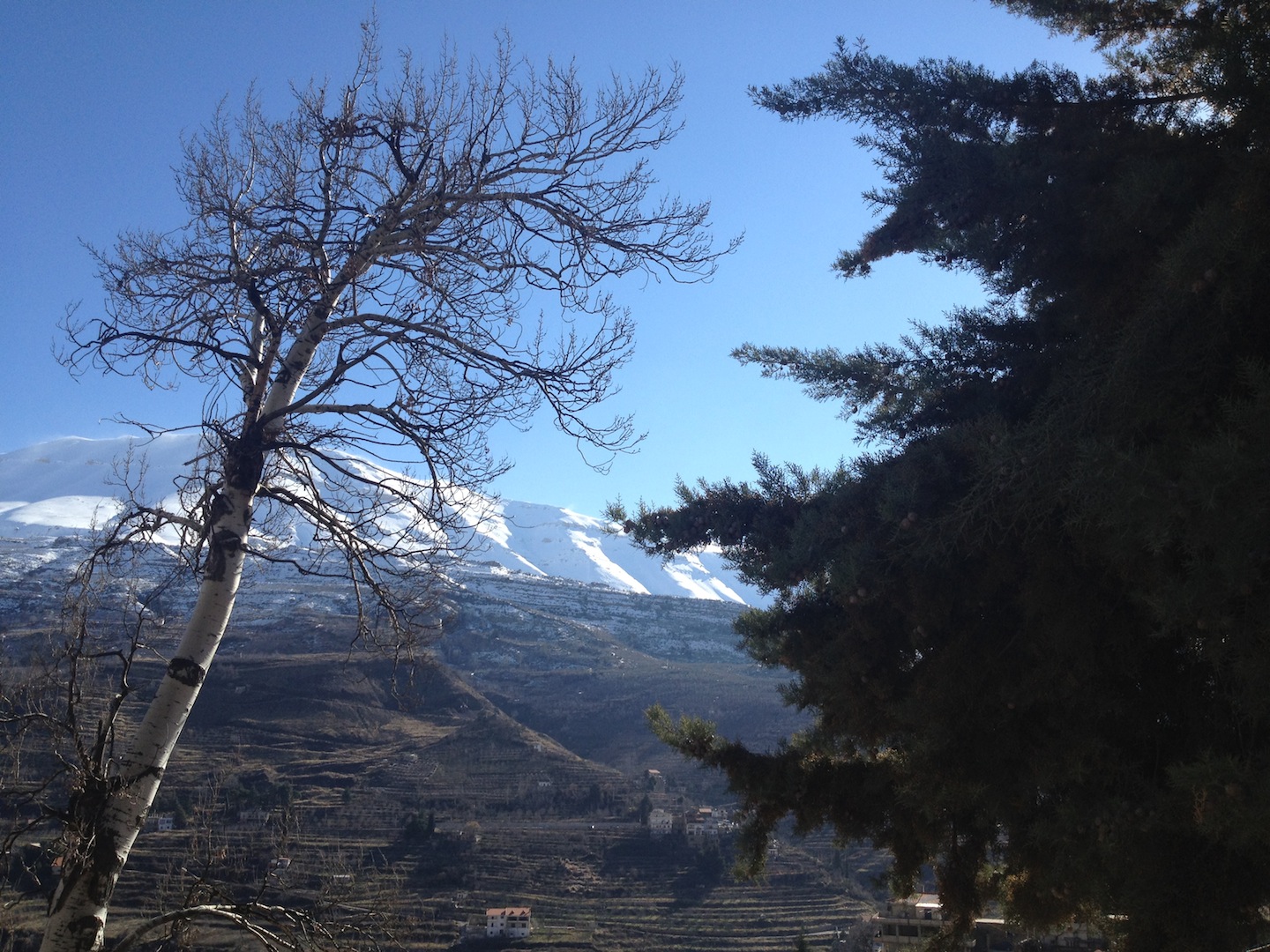
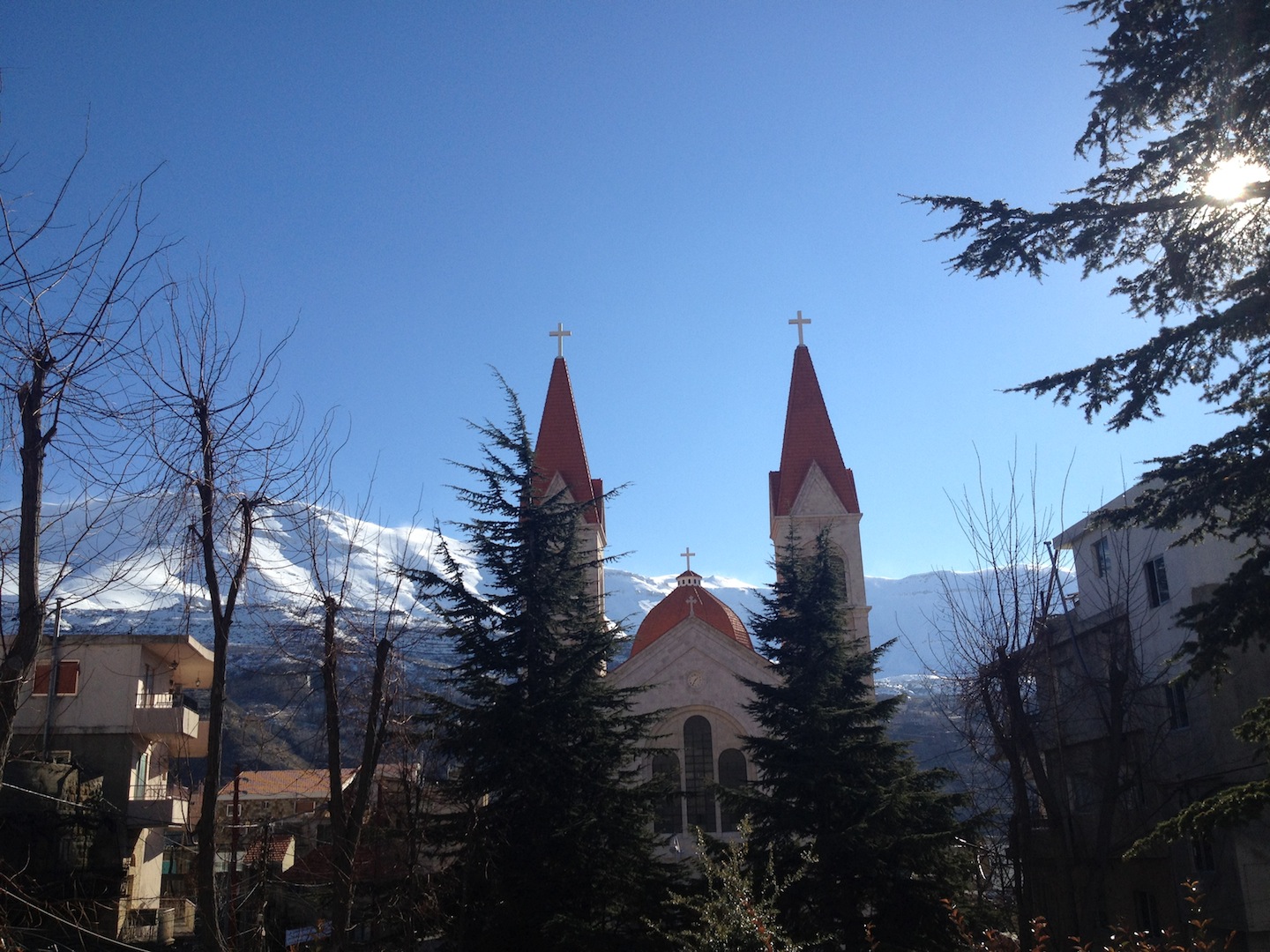
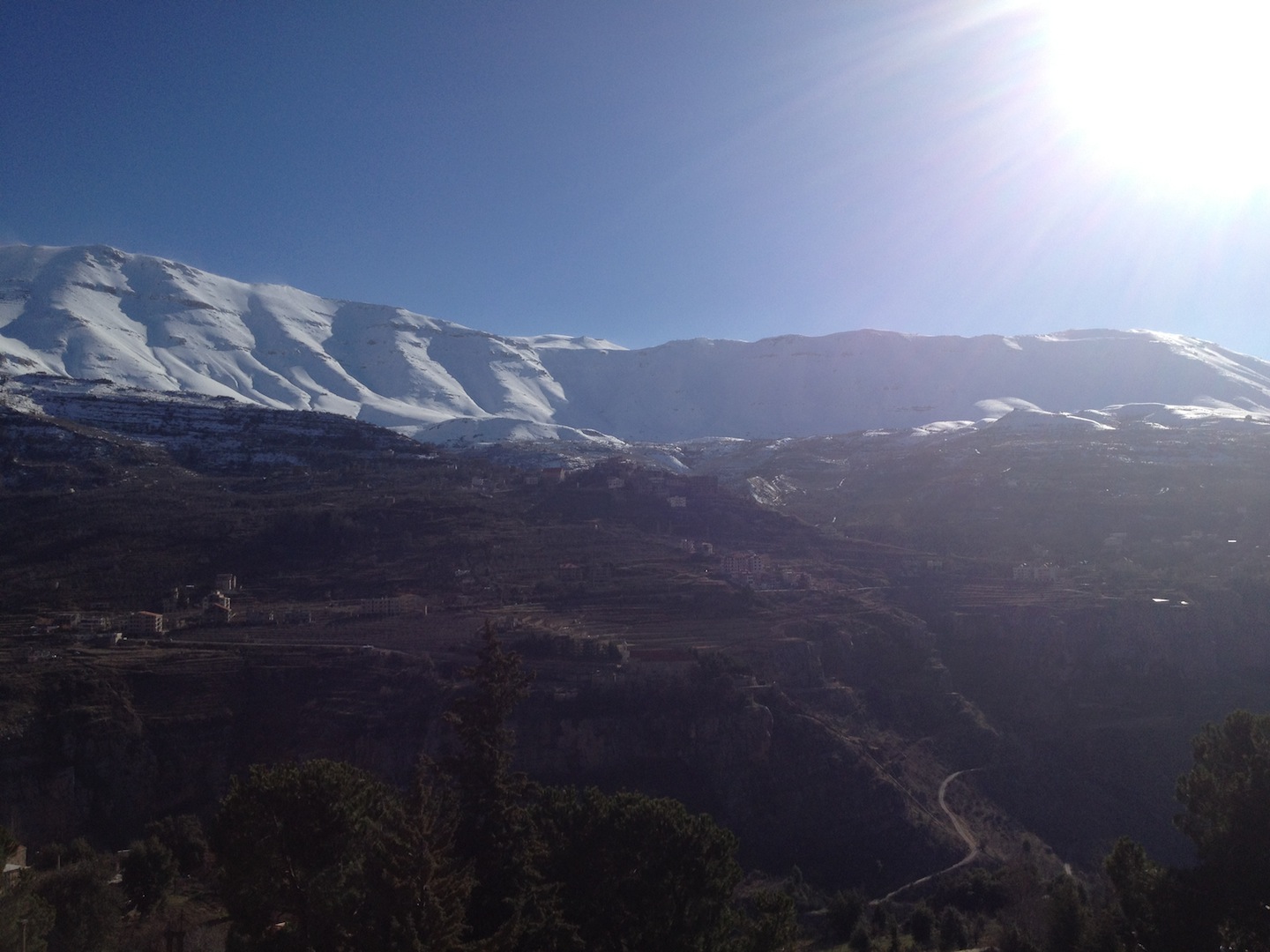
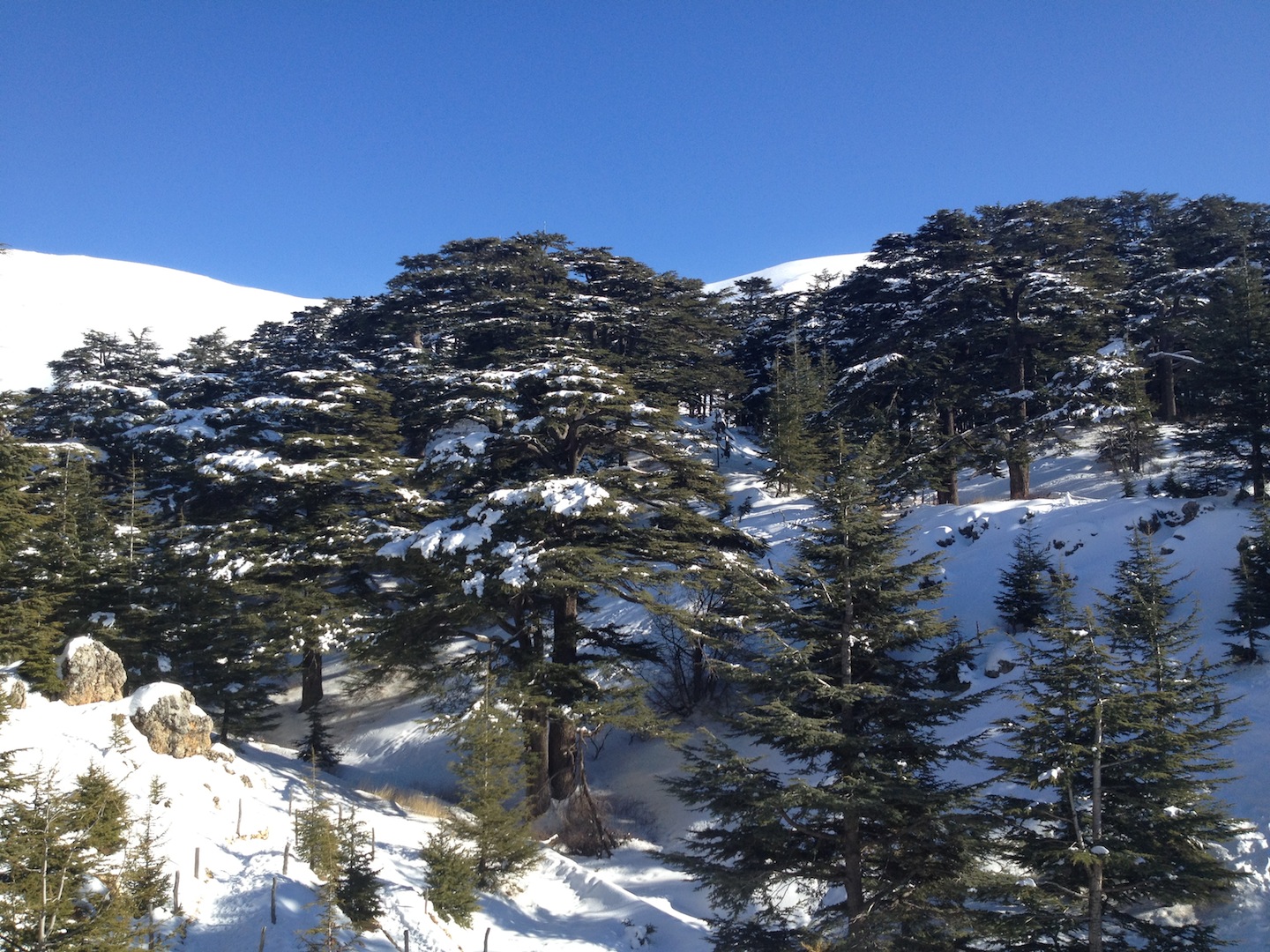
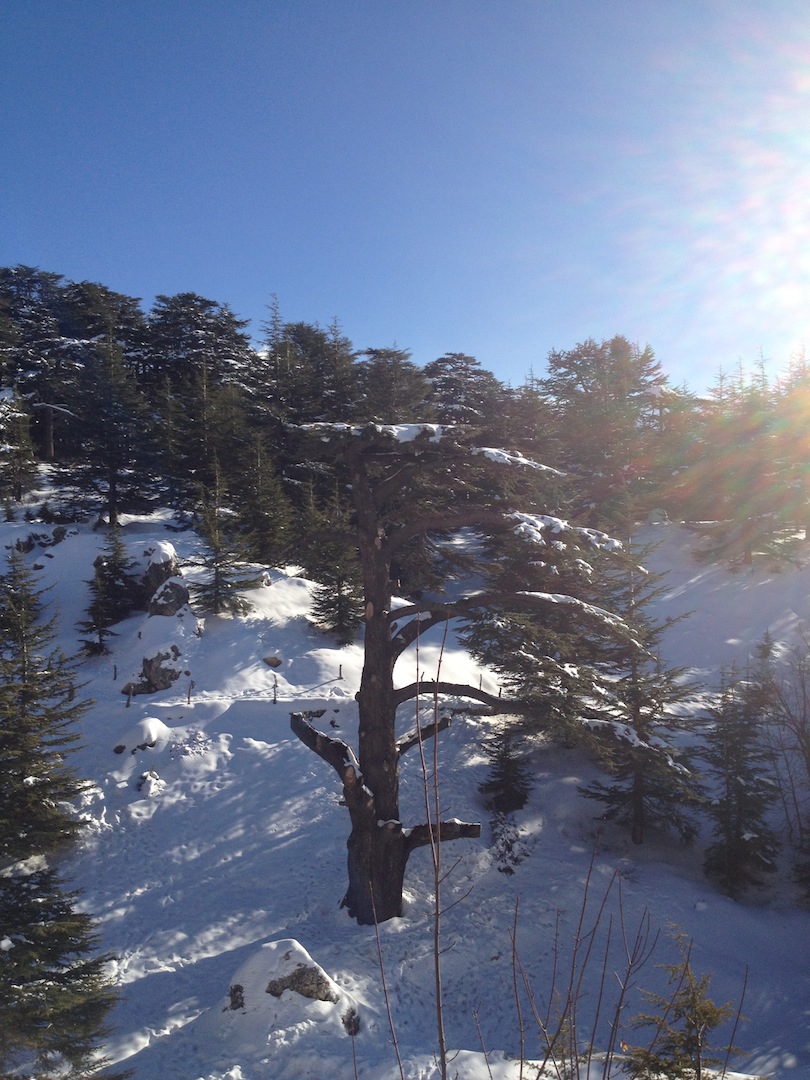
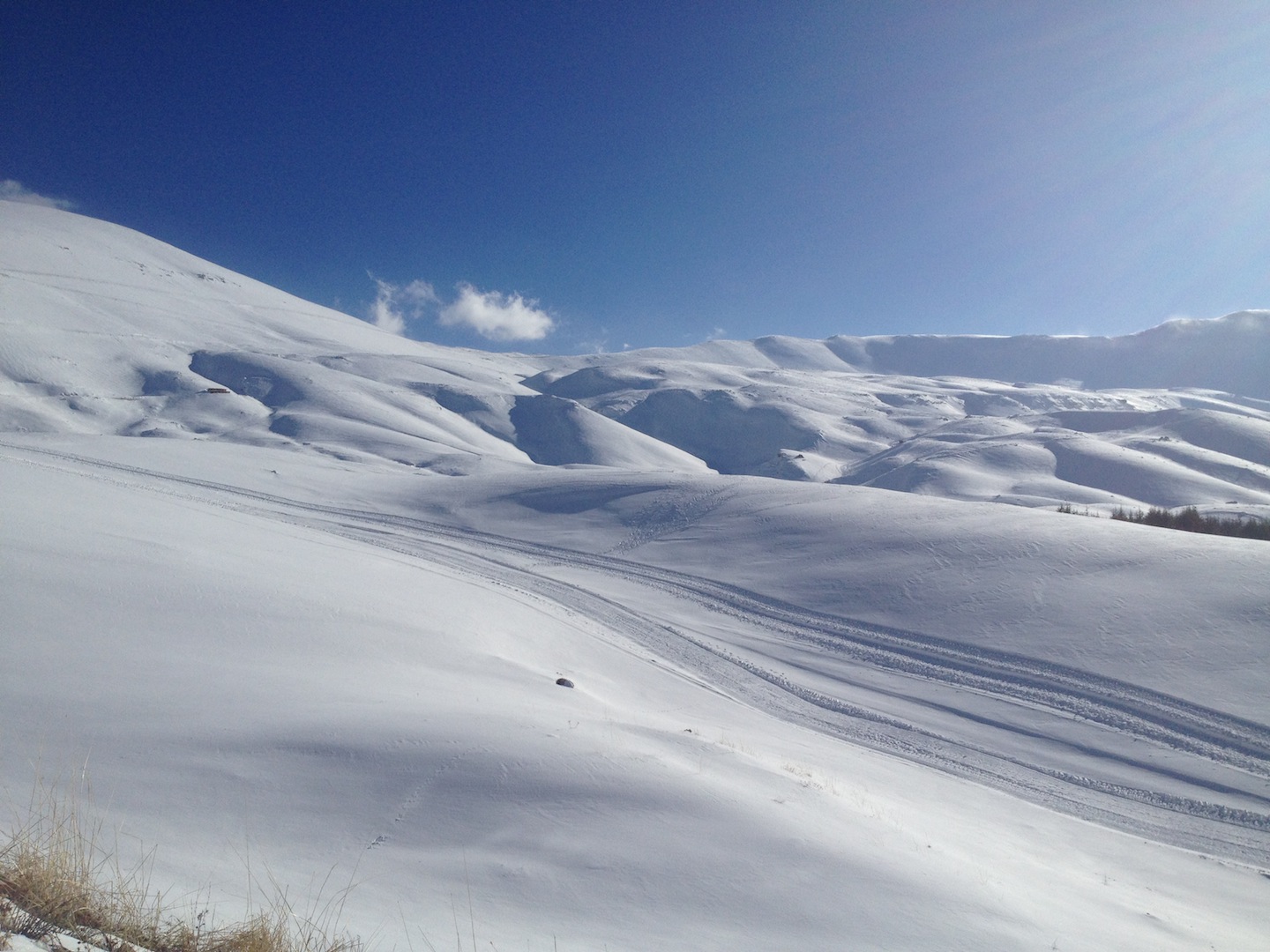
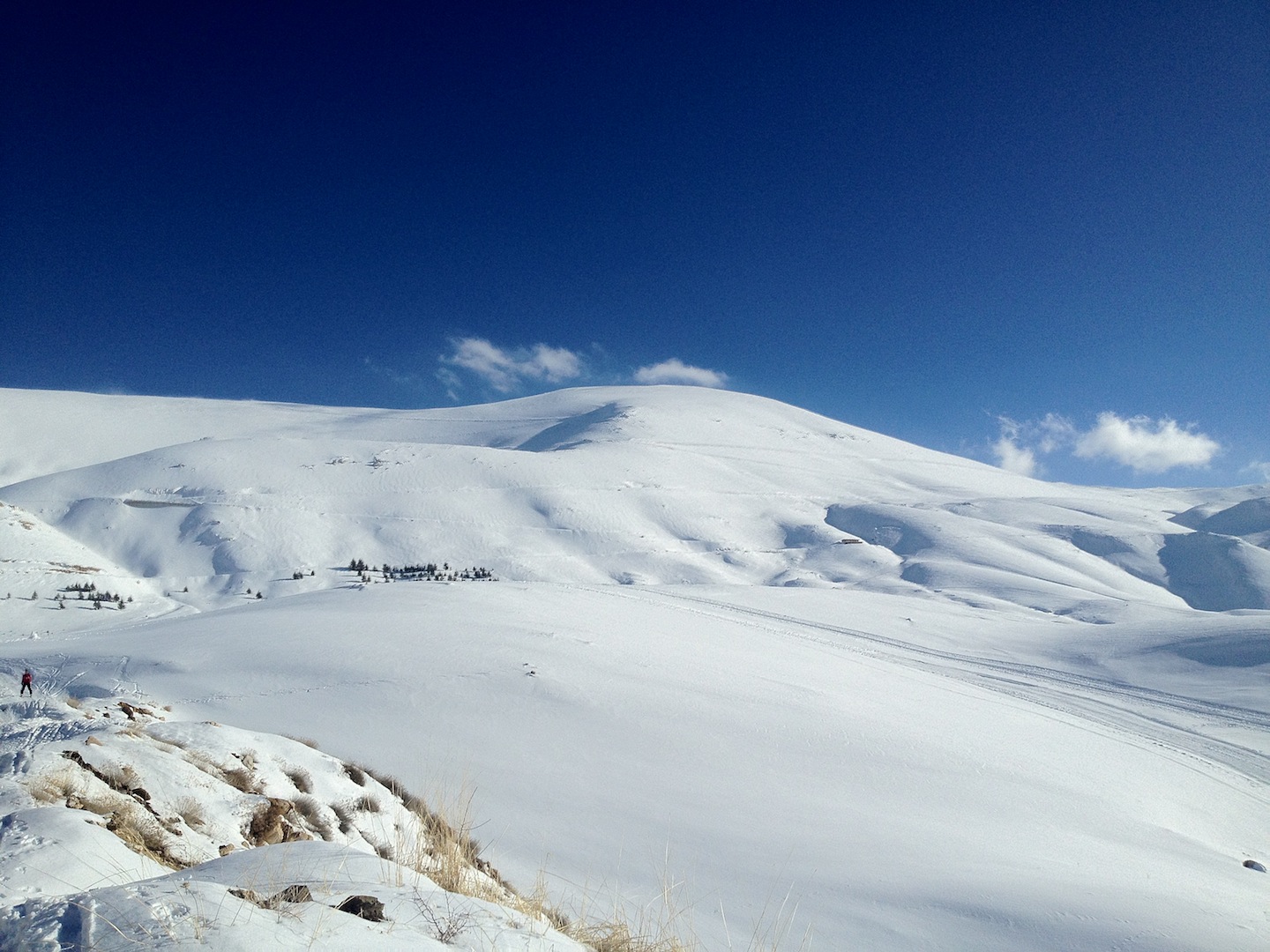
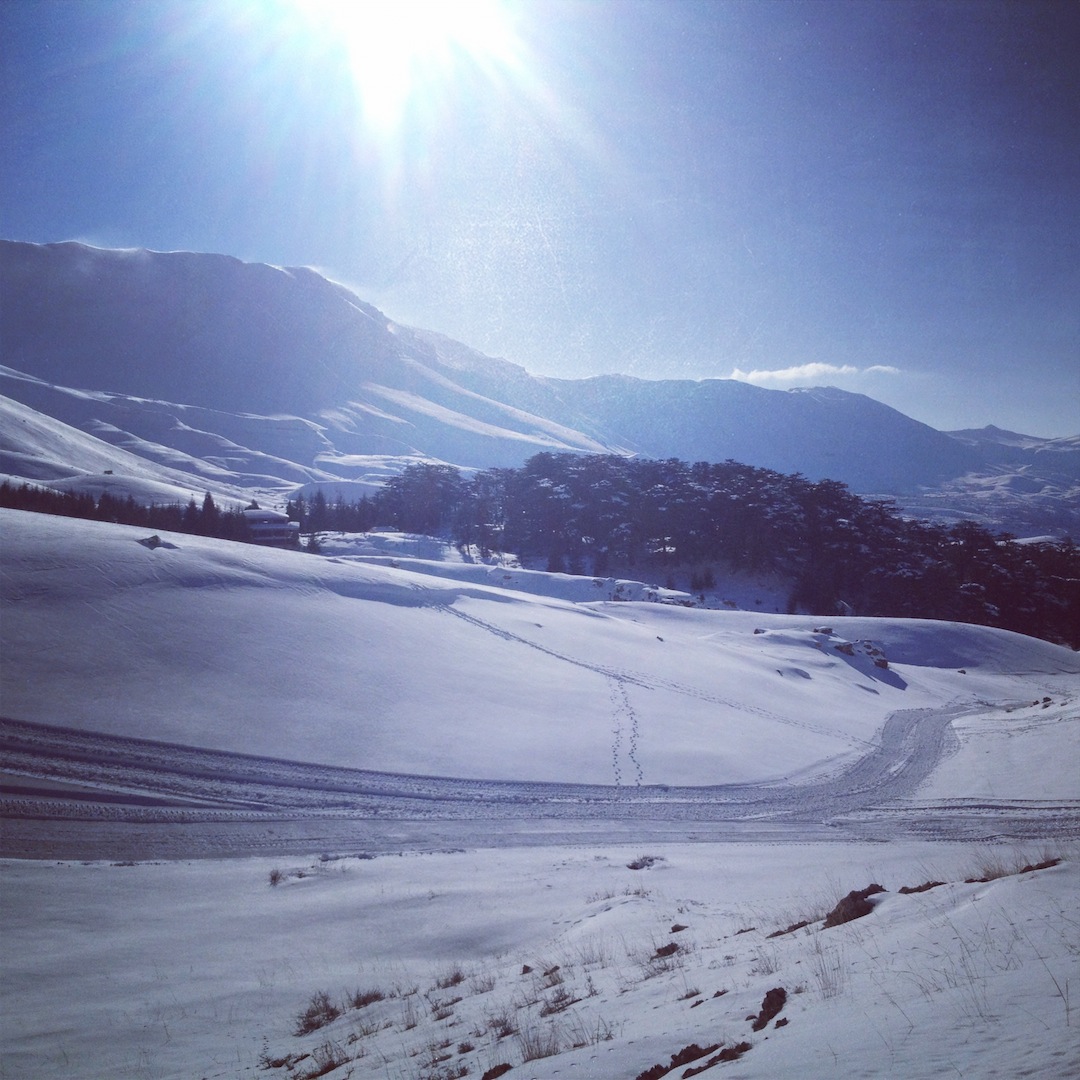
This past weekend, I decided to go with a couple of my cousins on a quick drive around the beautiful Lebanese North, which happens to be where I’m from.

The area in the pictures below is about a thirty minute drive from my hometown in the Batroun caza and the road is paved with gorgeous scenery as well. I had wanted to post this yesterday but the Telegraph article took precedence. Check out my commentary on that article here.

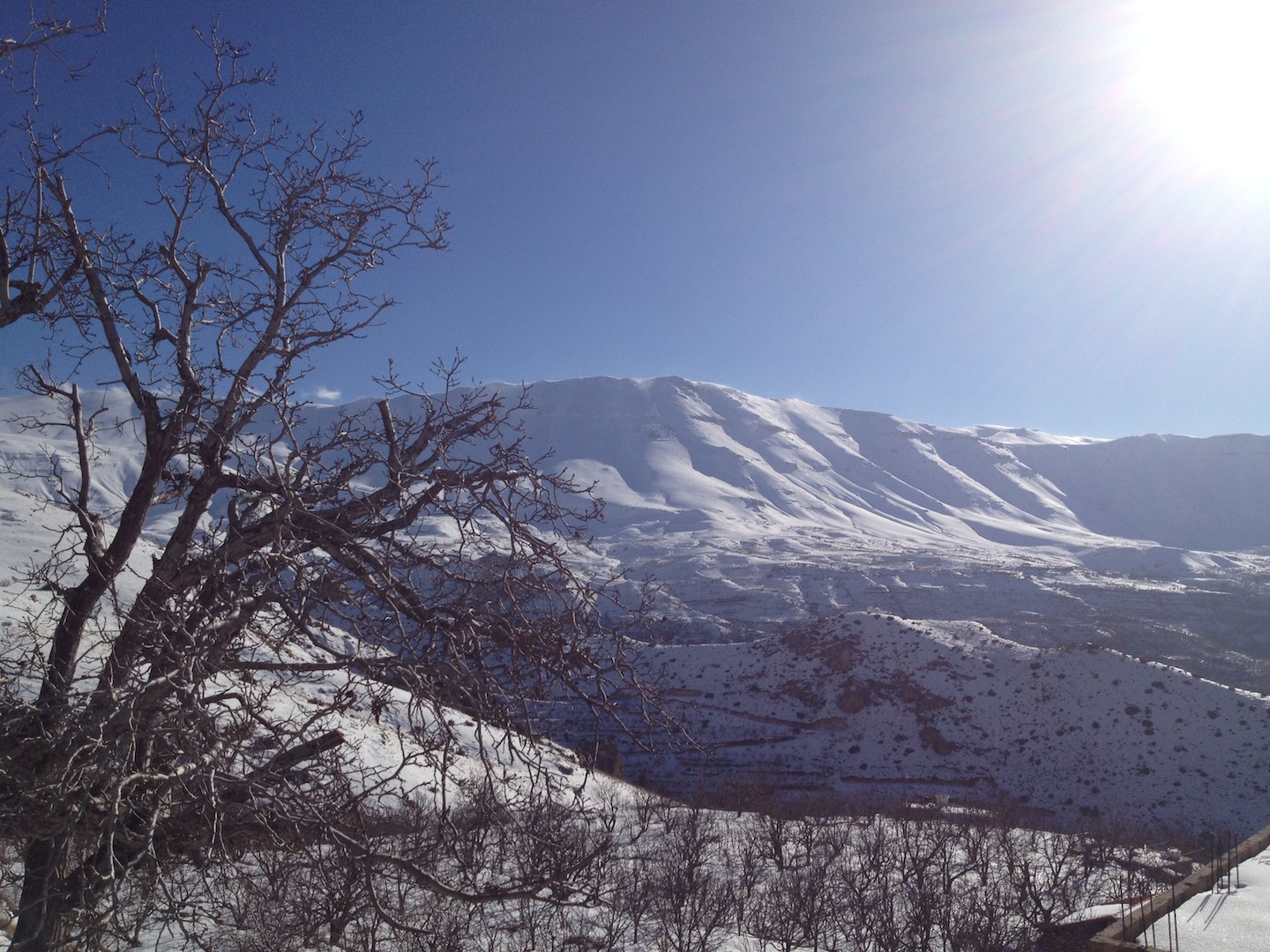
So in a way, this post will serve as further proof to what I presented in my commentary yesterday. Perhaps what was very surprising to me was that, despite it being a very sunny Saturday, the number of people hitting the Cedar slopes was very little compared to how popular Faraya seems to be even though this is a much nicer area to visit.

Moreover, while driving around these mountains, your mind is taken out of your car and to a whole other place altogether. You cannot simply drive around without forcibly stopping to try and take a picture that barely encompasses the beauty in front of you. They call the Cedar forest in North Lebanon: The Cedars of God. I think I know why it’s called as such: if God wanted to choose a place to live in (during winter), it’d be this.

It’s absolutely breathtaking.

The view from a town on the way: Hadath El Jebbe

Entrance of Bcharre, the city.

View from Bcharre, the city

Church in Bcharre

The Cedar Mountains as seen from Bcharre

Another view of the Cedar Mountains from Bcharre

Leaving Bcharre towards the Cedar Mountains

Note to self: Converses are a bad idea in such circumstances

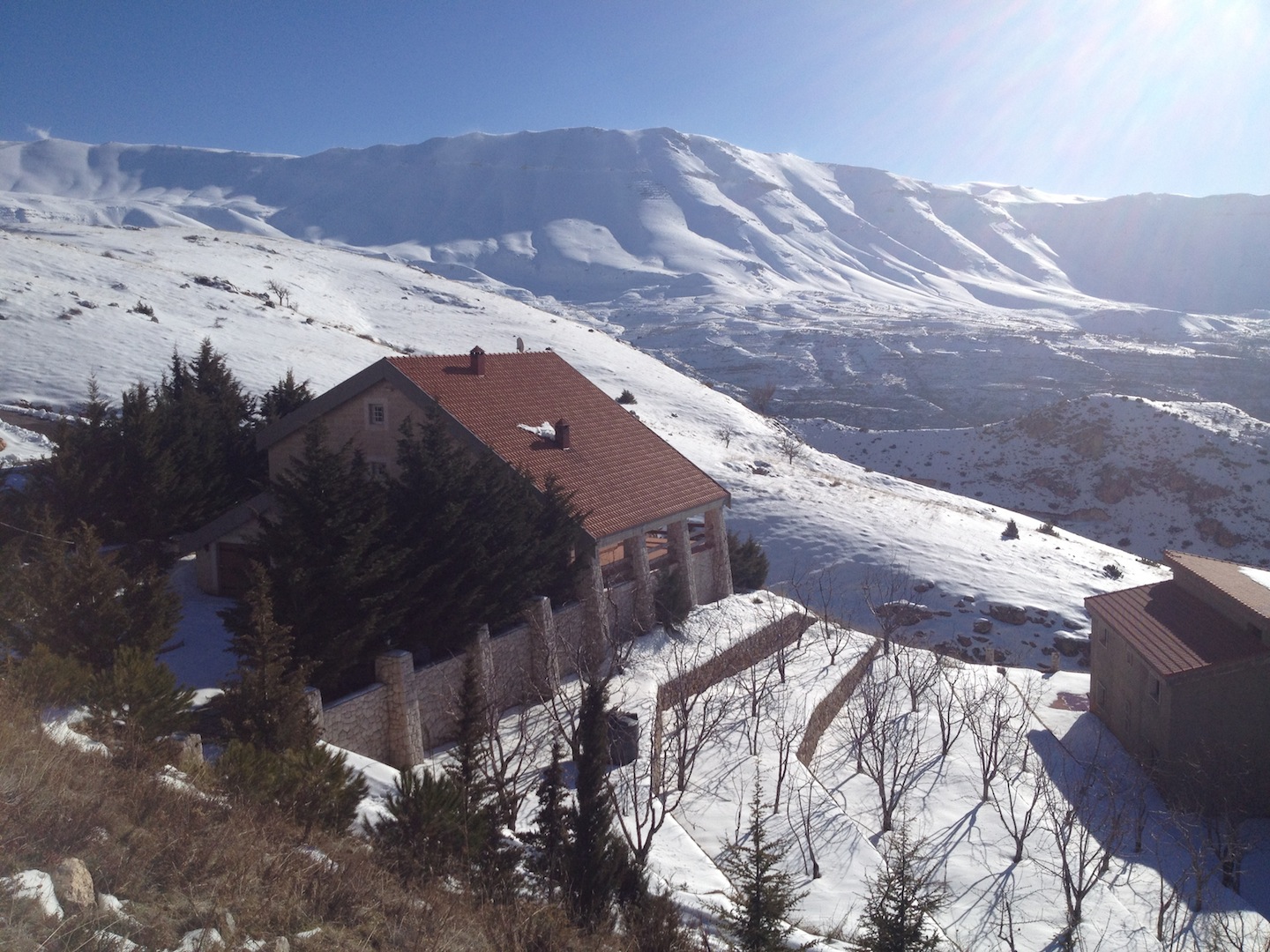
Awesome house. Can you imagine living here in winter?

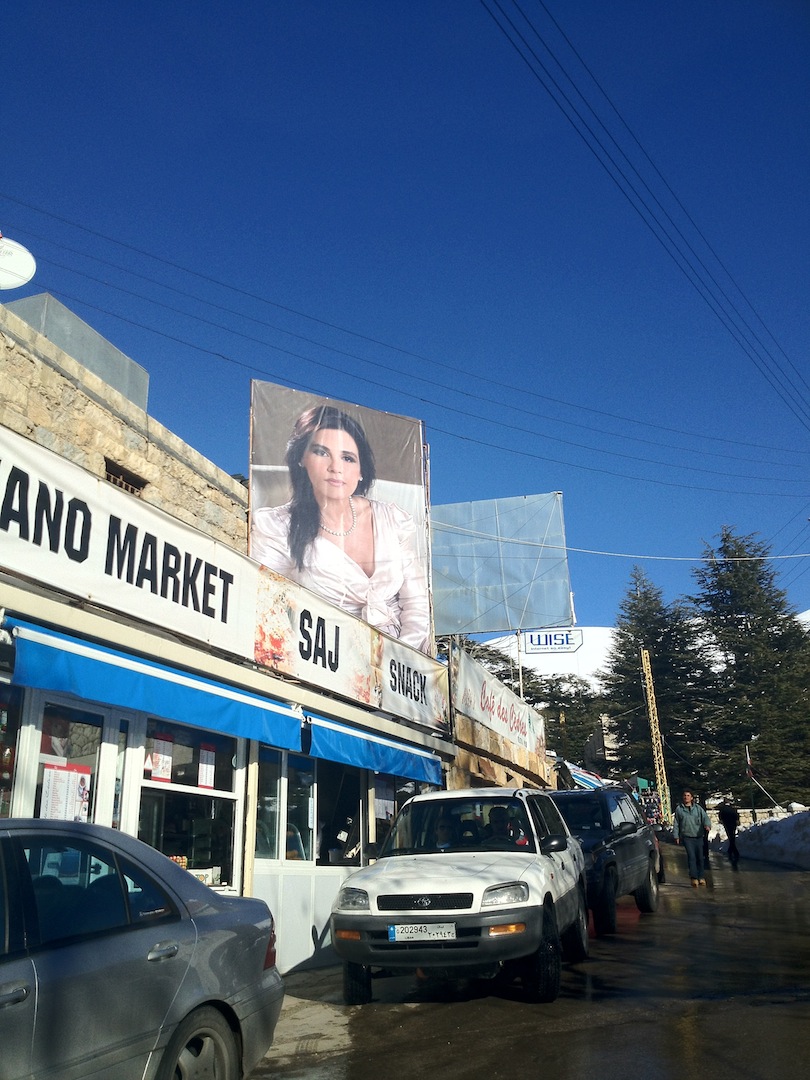
Your visit to the Bcharre region won't be the same without 2145 posters of gorgeous Setrida Geagea

The Cedars of Lebanon

The Cedars of Lebanon - again

The snow on the Cedar Mountains

Another view of the snow

The Cedar Forest from afar


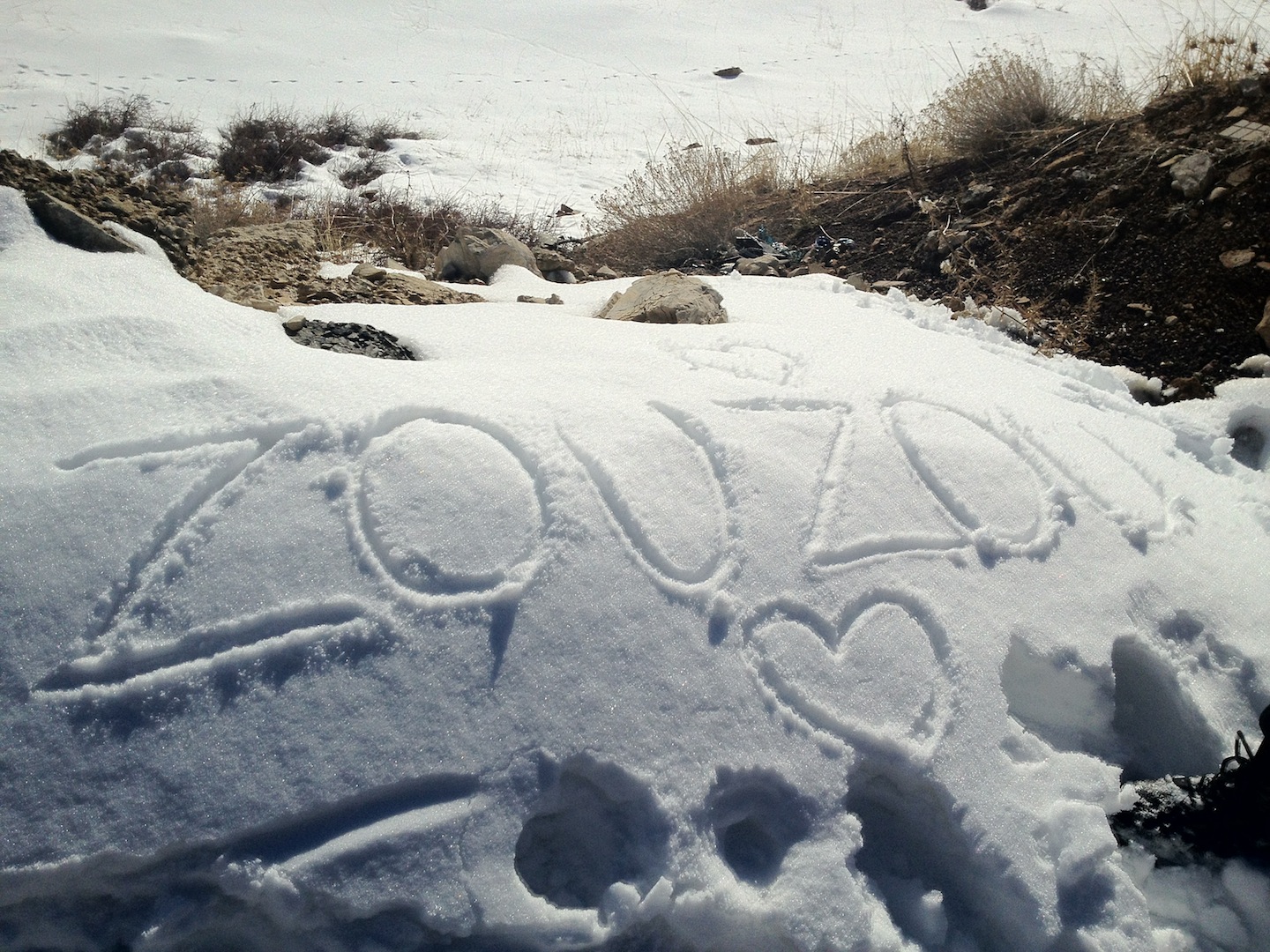
And then, just before leaving, my cousins decided to remember my brother, Joseph, who happens to be in the US as a foreign exchange student. So this is to Joseph:

All these pictures were taken with my iPhone 4S and were not modified in any way.

Beirut: The City That Rose Again – The Telegraph Article: A Commentary

I was reading this morning an article featuring Beirut in the British newspaper The Telegraph. You can check out the article here.

Ian Henderson, the article’s author, apparently visited Beirut recently with two very polarizing views in mind: one of people who thought Beirut is the next big thing and another which couldn’t shake the idea of a war zone out of their heads. And naturally, Ian Henderson fell head over heels with our capital: the diversity (church next to mosque next to synagogue), the food (obviously), the nightlife and how close it is from  many other areas around it.

I personally love reading articles like this even though they’re getting quite repetitive. The qualities about the Lebanese capital they keep mentioning are never original and are becoming more on the redundant side: same old, same old. Every foreign journalist that comes to Lebanon limits their stay in Beirut and visits some major site outside of the city. In this case, Henderson visited the ruins of Baalbak and was also fascinated by them. But I digress.

The point I’m making through this post is for these foreign journalists, who come to Lebanon and rave about Beirut, to know that there are many more fascinating areas awaiting them outside Beirut. Highlighting our capital is important because, at the end of the day, it is the first thing any tourist will see of our country (after we blindfold them on the way to downtown, obviously). But Beirut is not Lebanon as these journalists make it out to be. To be precise, Beirut is only 1% of Lebanon’s total area.

What’s sadder is that many Lebanese, born and raised in Lebanon, seem to forget that simple fact as well. I remember a story an American friend of mine, who happens to be very enthusiastic about Lebanon, once told me. He had Lebanese friends who stayed in Beirut all the time and thought the whole country was the big concrete mess that is Beirut. And they didn’t like it. They didn’t like the traffic, the noise, the commotion. But party they did. Go out in fancy cars they did. Living Beirut as a Lebanese beyond their means, they did. It took him a while to convince them to take their very fancy car and drive to the North or the Chouf area where forests, waterfalls, snow and gorgeous scenery can be found – for them to see that there’s more to Lebanon that its barren capital. And they loved it.

I’ve also personally experienced this firsthand when many of my friends hadn’t even heard of the Kadisha Valley in the North or of Belou’ Bal’a in Tannourine. These two sites, which happen to be a thirty minute drive away of each other through a beautiful mountainous road, are a breathtaking work of nature. The Kadisha/Annoubin valley is also called the valley of the saints for harboring Maronites during the times of their persecution around the 13th century. Instead, many Lebanese have their weekend planned around jumping around between Gemmayze and Hamra, from one pub to the next.

I’m not saying hitting pubs on a Saturday night is a bad thing. But to have a whole weekend happening only to serve that purpose is really sad. Few are those who go on impromptu road trips to places they’ve never visited or rarely visited before. Few are those who really venture out in their own country. Instead, we nag about how little green spaces we have in Beirut (and many of us extrapolate this to an even bigger scale and include the whole of Lebanon as well). We nag about how gorgeous our vacation abroad was without knowing that we have sceneries as beautiful, if not more, to the ones we say abroad.

I’ve written a post back in July about how Lebanese people nag and nag. This is not about that. This is about how we are helping build the image of equating our country with our capital. That image is beautiful. I love to wander around Achrafieh, Gemmayze (and sometimes Hamra), even though these neighborhoods are losing their culture by having their heritage torn down to make place for new high-rises. I love looking at downtown and compare it with pictures from the early 90s and see the extent of rebuilding.

But you know what makes my heart fill up with joy? It’s to drive around my hometown and stop, a few meters away from my house, and look at the Cedar Mountains through a view like this:

I can see this from my house - no offense to Sarah Palin.

Or when I go to the Cedar Mountains and stand dumbfounded as to how absolutely brilliant the scenery is:

On the road to the Cedars - North Lebanon

Beirut is awesome. Beirut is lively. Beirut has been through much. Beirut is rising again. But Beirut is not all of Lebanon and perhaps those who visit Beirut and don’t like it (such as this blogger who described it as battered) need to visit other areas which remain pure and Lebanese.

The image of Lebanon equals Beirut is beautiful. But there are many more beautiful pictures out there to equate Lebanon with – and to spread to the world.