Lebanese MP Hadi Hobeish Destroys A Forest In Akkar To Build His Villa

The saga of every single Lebanese official being above the law they’re supposed to safeguard continues. This time, the culprit is the prized son of Qobayet Hadi Hobeish, an MP with the Future Movement, who is destroying the beautiful nature of his hometown just so he can get road access to his mansion.

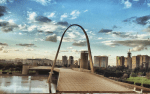
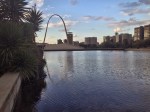
Qobayet – Hadi Hobeish’s village – is one of Lebanon and Akkar’s largest towns. It’s also famed for having one of Akkar’s most pristine and well-preserved green spaces, which is known as the Ammou’a. The following are pictures from that site and it’s as gorgeous as you can imagine:

It wouldn’t be hard to imagine MP Hobeish destroying these reserves as well if it meant having easier access to his mansion.

The irony starts with other inhabitants of the region being refused by the Lebanese government to have the privilege that it bestowed upon MP Hobeish in order for them to have access to their homes as well, forcing them to end up paying for long and winding roads instead.

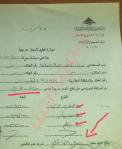
What our parliament member did, however, was get the government to issue a decree (numbered 8880) which “legalized” a road through an entire hill in Qobayet upon which he wanted to build his mansion, with the approval of the ministries of environment and agriculture, of course.

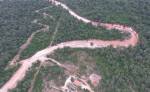
The result of the destruction in pictures is as follows:


The above document from the Ministry of Agriculture allowed the MP to cut down: 295 pine trees, 578 Oak trees and 55 Pistacia trees. All of the trees that he was allowed to cut down were thousands of years old. The fact of the matter is, however, that he didn’t only cut down those but he destroyed thousands more in order to build his mansion and make the road as efficient as possible.

The end result is a Lebanese MP getting what he wants, destroying an entire forest in doing so, and the Lebanese government not only letting him do that but almost rolling down the red carpet for such an atrocity to take place.

Hadi Hobeish pretends to want what’s best for his hometown, which is why he throws around annual summer festivals bringing in Lebanese singers who wouldn’t visit that area otherwise. When the attention cools down, however, he proceeds to do what everyone else does and bend the laws at his will, destroy whatever he can destroy in order for him to have his way.

Not only did MP Hobeish destroy the forest, but he did it using governmental money because the decree stipulated that the road needed to be done for “public reasons.”

The road only leads to his house.

Welcome to the jungle.

If we had lived in a slightly more civilized country, an MP committing such a scandal wouldn’t only end up with him being forced to resign, it ends up with him being thrown in jail. Not only is the area that MP Hobeish destroyed extremely ecologically important, but it’s also one of Lebanon’s remaining few places of preserved forest lands.

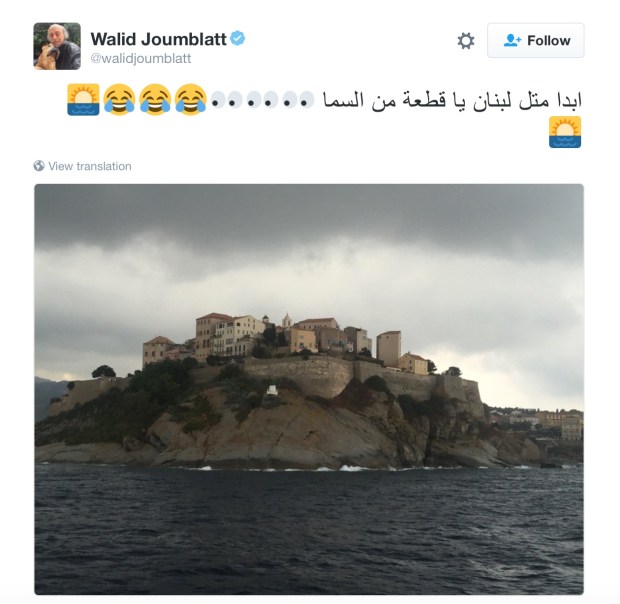
This is yet another disgrace to add to the constant transgressions by Lebanese officials, especially Northern ones, to the land they’re supposed to upkeep. The sadder part is that you have Walid Joumblat vacationing in Europe, tweeting all kinds of pictures making fun of how Lebanon pales in comparison to the countries he’s visiting, while his own minister approved the eradication of a huge forest in his home country.

Jumblat Tweet

The most heartbreaking part about all of this is that nothing can be done. It’s a circle of mafia that enables each other, benefitting from the fact that it can never be challenged, as it pretends to run a country.

Save Kfarabida: Lebanese Government Wants To Turn Batroun’s Best Beaches Into a Private Yacht Club

The place that welcomes you North, once you cross the Madfoun, is an idyllic coastal town in Batroun called Kfaraabida. It has around 1000 voters, a small municipal board, and a resourceful mayor that has been around for nearly two decades.

What Kfaraabida is known for, however, is the presence of countless beach spots for beach-lovers to go to, as well as multiple sea-side restaurants in the area. Of those, I note: Barracuda, which many Beirutis attend weekly on Thursday for George Nehme and his band, White Beach, Pierre and Friends (technically not in Kfaraabida per se but might as well).

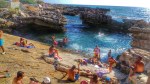
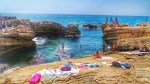
The area houses some of Lebanon’s most pristine beaches. Many of them are free, or cost very little to access. But, most importantly, they are some of Lebanon’s cleanest, with rock formations that serve as a habitat for many marine animals. Those rocks can also serve as beautiful Instagram pictures, since that’s what matters most these days.

Well, recently, the Lebanese government passed a decree whereby 37,000 squared meters of Kfaraabida’s beaches, and 4000 squared meters of sea that will be reclaimed, are to be given to a PRIVATE company which will use the area to build a private resort and yacht club.

How much money will that company pay the Lebanese government yearly for such an atrocity? $30,000. For reference, that’s less money than a private beach makes per week with their exuberant entrance price. So yes, the government is taking one of Batroun’s best beaches, getting no money for it, and giving it to a company to ruin it and make it private.

Live love Lebanon indeed.

Apart from the gross corruption taking place in having our government enable a private company from taking what should be OUR public property, and turn beaches that are as of now free into a private resort for their yachts and for their swimming pleasure, the project will have detrimental effects on the region and the town:

  1. The marine life in the region will be threatened. As I mentioned, those beaches are a habitat for many of such creatures.
  2. Fishermen in the region use those beaches as points from which they go fishing.
  3. Batrounis and Northerners who can’t afford $30 entrance prices to beaches will have nowhere to go to anymore.
  4. The area is so diverse in both marine life and rock formations that its inhabitants thought it should be turned into a natural reserve. It’s now being destroyed instead.
  5. The project is being done with utter disregard of Kfarabida’s municipality.

Batroun’s MP Boutros Harb doesn’t see what the fuss is about and believes the project is beneficial given it will generate jobs, because ruining the environment and the lives of the people of the area is the only way to do so. Maybe he should just transfer the project to the Balaa pothole in Tannourine instead?

So Kfarabida’s municipality, it’s up to you to make sure that such a project doesn’t see the day of light in your jurisdiction. They are taking your hand, claiming it as their own, ruining everything about it that makes it beautiful, and leaving you in the dust.

Dear Lebanon’s government, how many more beaches will you ruin, spaces will you steal before you reach equilibrium with your need to build yacht clubs for your members? The sad part is that we live in a country where such flagrant corruption will, unfortunately, end up being unpreventable.

I mourn for my North. They only care about it when they can ruin it in projects that only bring them money but not its people.

For more detailed information about the project’s legality, check out this link.

Mental Health: The Silenced Killer of Lebanese Youth – إلى نورهان المشاكسة

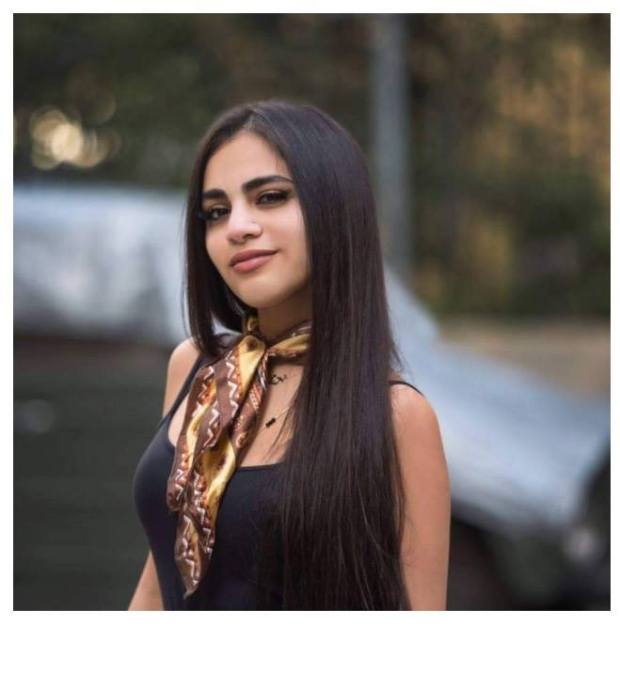
Nourhan Hammoud

Nourhan Hammoud was Lebanese girl in her twenties, from the South, full of life, her friends had never known her to be fragile, non-smiling or weak. She dreamt of the days when she would leave this country that brought her down, but the afterthought of her mother kept her here.

On August 29th, 2016 – the weights of this world proved too much for Nourhan Hammoud and she decided that ending her own life willingly was the easiest of choices.

Nourhan was not smiling all the time. She was wearing a veneer of strength in a society that viewed her ailment – depression – as nothing more than something of which one could “snap out” of. But depression is never something one could “snap out” of. It’s the weight of a thousand boulders on your shoulders, oppressing your chest, suffocating every breath out of your lungs, as your lips turn into the shadow of a smile to let your friends be fooled into thinking you are okay.

Our ad agencies make fun of anxiety. Our society makes fun of depression. We ridicule schizophrenia. We fear bipolars. We look at these people who are ill and call them “insane,” put them in a corner, chastise them, segregate them, drive them away instead of in.

Nourhan committed suicide not out of cowardice. There are no harder decisions. She did so out of necessity, out of feeling that there was nothing in this life worth living for anymore. We’ve fostered that kind of feeling in her and inside everyone in this country who has done so, or is suffering from a mental health ailment.

We are losing our own youth to our own prejudices in more ways than one. We’ve turned “mdapras” into a joke. We’ve let those who seek help feel ashamed of doing so in the clinics they seek.

Nourhan Hammoud, may you rest in peace.

I leave you with the words of her friend Aly Sleem:

هي من ابشع اللحظات التي لا نعرف ماذا نقول فيها، فنحن لا نحبّ الوداع ونكره الرحيل ونتعلّق بالذكريات. نورهان…. لم أتخيّل يوماً بأن أسمع “خبرك”، عادة لا يموت الا الكبار في السن، لم أتعود بعد على فكرة أن المفعمات بالحياة يُخطفن وهنّ ماضيات في حياتهن، غير آبهات بأحد… أتذكّر منذ اشهر قليلة، في مزيان، قلتي لي انك توديّن السفر، ربما تفكرين بتركيّا، لكنك تخافين فراق الوالدة، وفراق شارع الحمراء وفراق الأصدقاء، لكن أنانيتك أبت إلّا  ان تتخلى عنهم جميعاً، في لحظة، دون استئذاننا، دون تحضيرنا نفسيّاً، بلا حتى رسالة على موقع تواصل اجتماعي حقير وبائس كحالتنا.

لكن مهلاً، انت لست بقويّة، انت خدعتنا جميعاً ولا زلت يا جميلة، حتى برثائنا لك نمجّد قوتك التي لطالما افتخرتي بها، وهل القوة هي بإنهاء حياتنا بأنفسنا يا متمرّدة؟ أتذكرين كم مرّة اطلقتي السباب على السياسيين والوطن؟ لماذا رحلتي دون أن تلعنيهم مرة اخيرة؟

لكن ايضاً مهلاً، كيف كان يحصل كل هذا ونحن غير مدركين؟! كيف لم ندرك ان نورهان متألمة؟ أن مشهد الضحايا في سوريا أدماها، ان الأمل المتلاشي في بيروت خنقها، ان هذا الكيان لن يُكتب له أن يصبح وطناً؟ أن “كبار العيل” في البلد سرقونا ولن يرحمونا؟

كيف يمكن لنا ان نمجّد قرارها “الحر” بالموت؟ لا، هذه الثقافة غير مقبولة، نورهان وغيرها تمنوا لو لم يأخذوا هكذا قرار، لا يمكن لهؤلاء أن يقبلوا بتهليل دموع وصريخ الأحبة… هذا جنون، كان لا بد لنا أن نضع حدّاً لمشاكسة “زهرة الجنوب الصغيرة”، كل ما كانت تحتاجه هو بضعة من الأمل والأمان… نورهان بحثت كثيراً، لم تجدهما فمضت في رحلة بحث عنهما.

وكأن بي أسمعك يا نورهان الآن تقولين: الموت يحاوطنا كما تحيط الدائره بمركزها لكننا لا نشعر به إلا عندما تضيق الدائرة وتمسّنا فى أشخاص قريبة وسرعان ما تصل الينا، دون أن ندري… تشبثوا بالأحباب لا حب فيهم فقط بل لطفاً بعذاب الأمهات والأخوات والأولاد إن نووا الرحيل…

لنحسب أن نورهان نائمة اليوم، لنحسب أنفسنا استيقظنا قبلها لنصلح كل شيء، لنعطي أملاً بأن الحياة لن تله بنا بعد اليوم وتسخر، ثم نوقظها، نوقظها لتسامحنا….
كل الحب…

An event is taking place on Saturday September 10th to raise awareness for suicide. Check it out and go for Nourhan, and every other Lebanese whose conditions we’ve made intolerable.
Lebanon Suicide

The Day I Disappeared: Remembering The Lebanese Who Have Been Missing For Decades

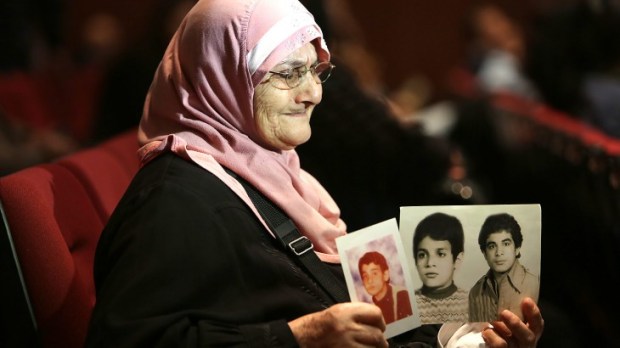
Photo via ICRC.

Photo via ICRC.

Yesterday, August 29th 2016, I disappeared for a day. It was part of a campaign by the International Committee of the Red Cross that I felt compelled to be part of, almost no questions asked.

It started with one simple picture, on a white background on which the hashtag – both in Arabic and English – was emblazoned: #TheDayIDisappeared or #يوم_اختفيت. I shared that picture on my various social media platforms (example) then went radio silent for the most part of the day. 

A couple of hours later, my friends and family members began to get worried. What was that image I had posted? Why wasn’t I replying to their messages? Why wasn’t I chastising that Aounist video all over social media over the past two days?

The calls started pouring in. Is there anything wrong? They’d ask. We’re worried, they’d tell me. In that moment, it’s really beautiful to feel loved. But the fact of the matter is that I wasn’t in any danger. I was just going offline for a day – something that many people do frequently – trying to erase any trace of me from how people expect your behavior to be modeled in 2016.

I was not missing or disappeared. I was pretty much around. I was accessible. I was not an entity with an unknown fate. I was sitting in my office, working, willfully pretending not to exist for a day.

This simplification of what it is to be missing is a gross understatement of the lives of thousands of Lebanese families over the past few decades.

At a time when our war is over, theirs continues. They are at war every day: at war with their beings that long for their family members about whom they’ve heard nothing for tens of years, at war with the semblance of hope that rejuvenates in their souls every single morning, at war with a government that doesn’t care, at war with a country that more than readily wants to let go.

Over the weekend, I spoke extensively with a thirty two year old man named Jalal Kobtan whose father went missing at the same age Jalal is now thirty years ago. You can read Jalal’s story in my article for Al-Jazeera at the link (here).

There are many things we take for granted when our loved ones are around, the least of which is how they shape us. Jalal, for instance, never had his father teach him how to drive, or ride a bike or even swim. He told me how longing he was when he saw all the other kids with their fathers learn all of the things he had to rely on himself to learn.

Sometimes, you don’t know how big of a rock some people are to you until they’re gone. Thousands of Lebanese families haven’t only lost their rocks, but their entire pillars. Today is the day to tell them that we are here, that we care, and that their lives are more than just a hashtag and a Facebook profile picture.

There are fewer things in life that hurt more than the pain of not knowing, which I dubbed the pain of ambiguity. This is the daily life of all those families whose loved ones went missing without a trace all those decades ago. To wake up every single day not knowing what your father or son or daughter or mother’s fate is, to realize there’s nothing you can do but pray to whichever entity is listening, to have your soul torn apart by the fact there’s just so much you can do. There’s nothing worse than this. This is life to many of these people.

In the coming years, many of the parents of the Lebanese who went missing will be no more without finding any semblance of closure. Today is the day to remember those parents, those mothers who have kept their sons’ rooms as they are all these years, those fathers who long for the day when they can hug their flesh and blood and tell them that everything will be okay, even if everything isn’t. Hemostasis, however, is not in sight.

To Lebanon’s families of missing people, today we share your pain. May it not be ambiguous anymore.

From Bikini To Burkini, Or Why Lebanon’s Tripoli Is Awesome

A picture of two veiled burkini-clad women, and another bikini-wearing on one of Tripoli’s popular beach islands is going viral today across Lebanon’s internet-sphere. The last time this many people were interested in the city was to berate it for the way it voted in an election, but that election is now long past and so has those people’s attention from this great city up North.

In that picture, the two stark opposites represent this city that I love more than anything else. So I figured, in this small space that I have, that I’d try to tell you – kind reader – of why this city whose picture you’re so eagerly sharing is worth your time.

1) Bikini versus Burkini:

Bikini:Burkini Tripoli

Picture via @Jadgghorayeb

Over the years, many Lebanese have come to associate an image with Tripoli as that of a city that is ravaged by war, where Islamists reign supreme and where seculars – or anyone who does not want to live by the Sharia for that matter – is not welcome.

The constant and progressive decimation in the city’s reputation is slowly being reversed as of late, with many flocking to its pristine beach islands, to the growing safety of its streets.

The above picture, however, is not an anomaly. It’s the culmination of years in which the city’s varying components co-existed calmly, away from politics and hateful rhetoric, and here they are in all their glory.

2) Beirut’s food prices will have a seizure:
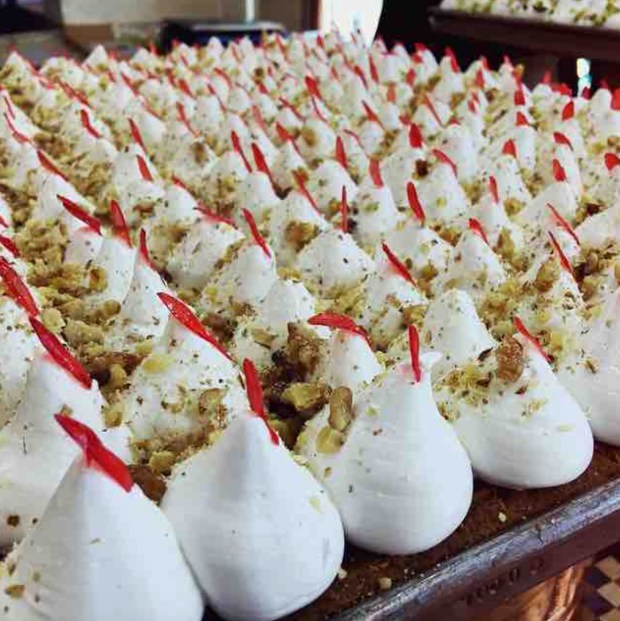
Hallab

You’ve all seen that infamous “Grand Café” picture over the past few weeks and the comparison (although inaccurate) to potential trips to Istanbul that that same bill would’ve covered. Many of you have complained about the price hike in diner chains you’ve loved for years. Now let me tell you a short story.

Yesterday, I took a group of my friends who hadn’t visited Tripoli but to do some necessary paperworks that people of the North have to do in it to one of the city’s restaurants. Their first reaction scanning the prices of that menu – one of Tripoli’s more expensive places, may I add – was to ask one question: how?

Four main courses, drinks, and appetizers later, our bill was less than half of what we would’ve paid for the same combination at any given place in our country’s capital. And the food was great.

In fact, the food is great everywhere. From the restaurants offering Lebanese to those offering mixed cuisine across the city, to the vendors selling cheese and kaak, to the many coffee places many of which I love – Ahwak for the win – to the sweets places and palaces that the city have become synonymous with, you can do no wrong.

3) Lebanon’s biggest old souk is there:


Everyone loves to go to Jbeil to see its “authentic” great souks. And while Jbeil’s old sector is awesome, it is dwarfed by what lies in Tripoli’s old city.

Not only is Tripoli’s souk one of Lebanon’s biggest, and is relatively well-kept, but it has retained a flair of authenticity with it being a melting pot of all of the city’s inhabitants, across their sociopolitical status.

The old souks are still divided based on the different services they offer, from khan el saboun to khan el dahab, to the many Ottoman-styled hammams inside them. They’re a must-visit if you’re in the city and in the mood for some meet up with Lebanese history.

4) Citadel St. Gilles is awesome:

Built by the Crusaders, Citadel St. Gilles in Tripoli’s Tebbaneh neighborhood is an extremely well-kept fortress that, because of its location, is rarely viewed as a touristic destination. But it is, and you’d be missing out by not checking it out.

It’s almost 900 years old, has been morphed over the years by the many occupiers of the city into what it is today, and the place being almost always not crowded gives you a visiting experience that view other touristic spots in Lebanon offer.

The entrance is also a simple: 5,000LL.

5) Rachid Karame Forum is spectacular:

Designed by the late Brazilian architect Oscar Niemeyer, the Rachid Karame Forum at the entrance of the city is a vast space that’s probably the most accurate representation of the wasted potential of the city.

Intended to be the hub of an economic forum as plans to turn the city into a Lebanese economic capital were underway, the place is now almost a ghost-town of modern unfinished architecture and landscape designs that will surely blow you away.

6) The Palm Islands are amazing:
Pic via The Daily Star

Pic via The Daily Star

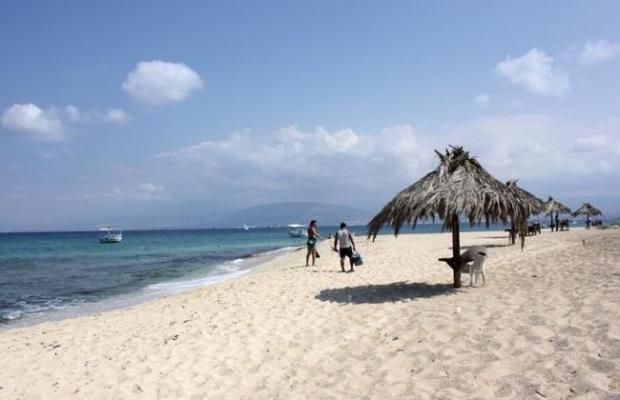
A natural reserve set forth by the Lebanese state, a section of the Palm Islands has been made available for beach-lovers to visit in order to exercise their favorite hobby. From clean sands to pristine waters, the islands are near-free to get to – unlike all the resorts in or around Beirut and its greater area.

Fun fact: the Arabic name for the Islands is rabbit islands. It is as such because during the period of the French occupation, rabbits were let loose on the island. What were two soon became hundreds, and therefore the naming occurred.

7) Timmy’s in El Mina is the pub to go to:
IMG_6535

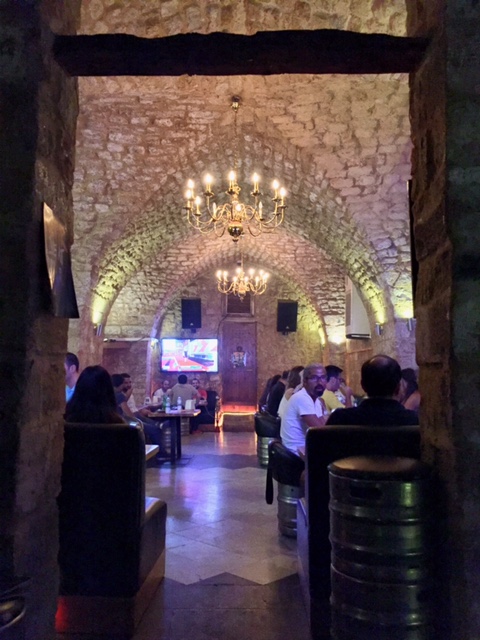
When I say alcohol, Tripoli is probably the last place you’d think of. But there’s a pub in the old neighborhood in El Mina called Timmy’s that will help you change your mind a little. It’s an old traditional sea-side Lebanese house that has been turned into a massive space for those who feel like they need to wind down after a long day or week.

From sand-stone interior, to chandeliers dangling from the ceiling, to doors manned by a camera based on which the owner decides which clientele he wants to admit or not, the only adjective that could describe the place is exclusive but approachable.

When I was there, I had a discussion with the owner about why he adopted such a policy. He said that he wants to keep the place at a high enough level to attract people to his city. And attract people he does. For the moment, most of those who flock to Timmy’s are either from Tripoli or from the neighboring areas of Zgharta or Koura or sometimes Batroun. But that could change.

8) El Mina’s corniche is one awesome walk:
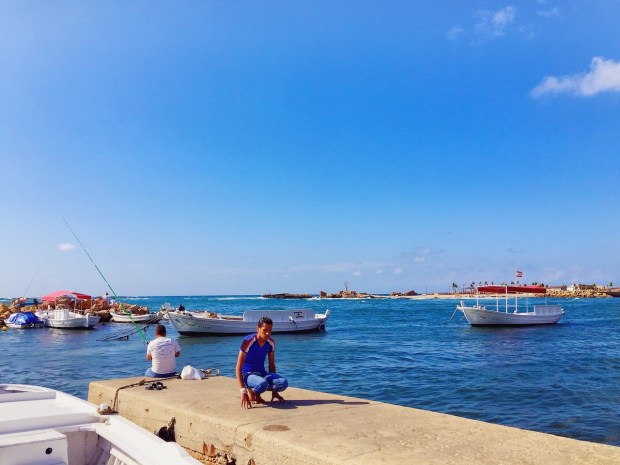
The same night when I had a few friends try out one of my favorite restaurants in Tripoli and they got shocked with how cheap and good it was, I took them on a drive around the sea corniche in Mina. Stretching for more than 3 kilometers, it is one of Lebanon’s longest and more authentic.

From vendors in small kiosks on the side, to kids flying around kites, to men praying in the heat while they fish, on that corniche you’ll see all kinds of kinds, in a city that has everything you’d see.

9) The people are the most kind-hearted you’ll find:

From close friends, to the people that would give you money for park meters when you’re out of coins, to the hefty portions you’re served anywhere you go, to the overall sense of welcome they infuse in the air of their city, the people of Tripoli are some of the most kind-hearted welcoming people you’ll meet in this country.

I’ve had the pleasure to know many of them, some of whom were like my family at a certain point, and I call myself lucky for doing so.

10) Life exists North of the Madfoun:

The Lebanese border does not end sligthly north of Jbeil. Venture out. Explore a little. Odds are you may be surprised – even if for a picture involving a bikini and a burkini. Suck on that Cannes?