Look At All Those Lebanese “Kuffar”

I’m sure you all know by now but according to the Mufti of the Lebanese Republic, Muslim politicians who voice support for civil marriage will be considered as apostates and deserters of the Muslim faith. (Link). As of this morning, his speech has become an official binding and registered fatwa. Some Lebanese decided that such obvious cultural terrorism wasn’t going to be the way to silence them. So they did what they could and they spoke up – peacefully.
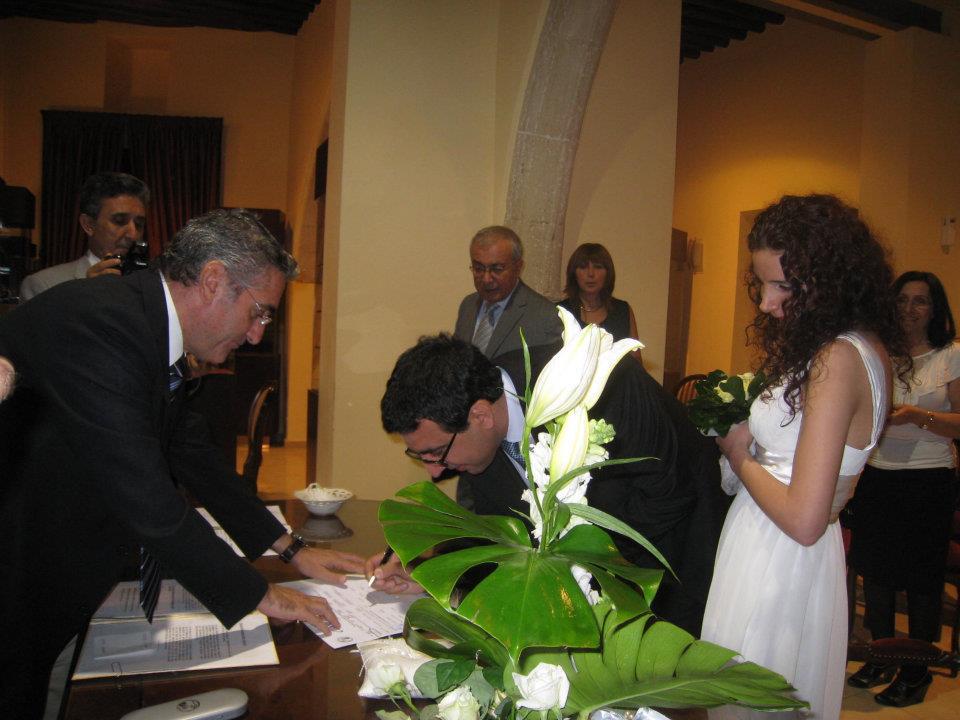
Sophia Maamari and Hassan Choubassi. They got married in Cyprus

Sophia Maamari and Hassan Choubassi. They got married in Cyprus

This is Nadine Lager and her husband. They got married in Austria
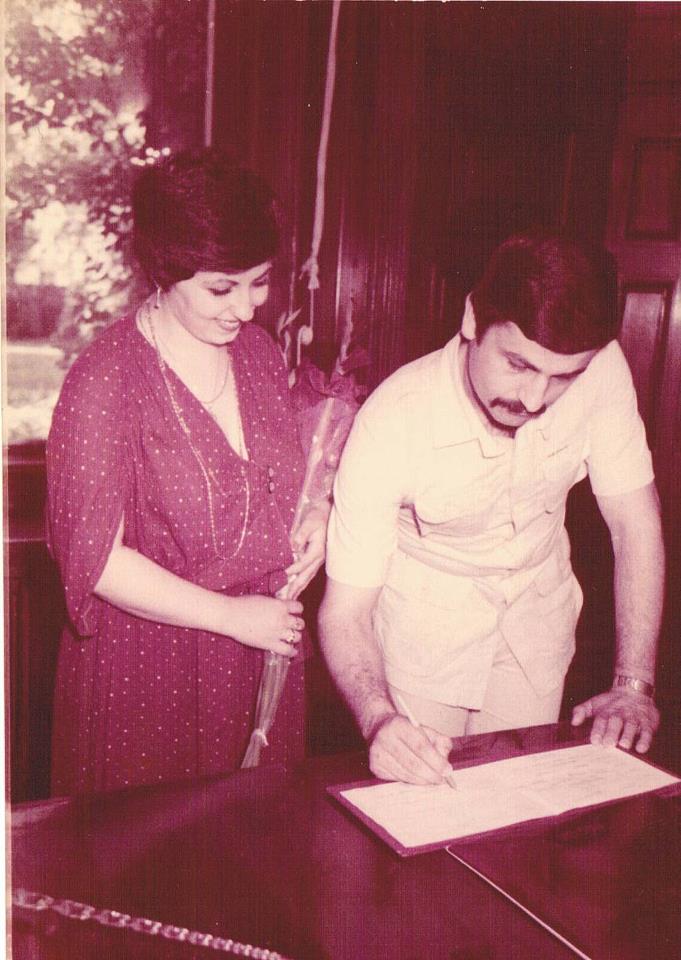
This is Nadine Lager and her husband. They got married in Austria

Jamal Kara and his wife who got married way back in 1977. They are now grandparents.

Jamal Kara and his wife who got married way back in 1977. They are now grandparents.

Rita and her husband. They got married in France.
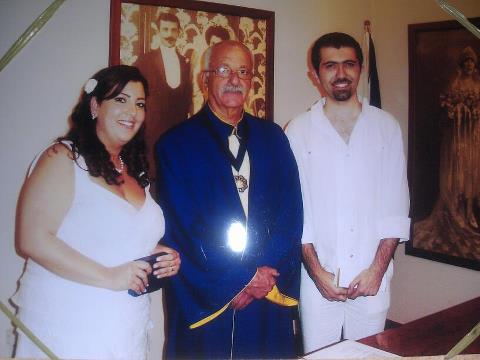
Rita and her husband. They got married in France.

William and Nadine - they got married in Cyprus

William and Nadine – they got married in Cyprus

Dyala Mitri and her husband Stephan Davidshofer. They got married in Geneva.

Dyala Mitri and her husband Stephan Davidshofer. They got married in Geneva.

Salim el lawze and his wife. They got married in Cyprus
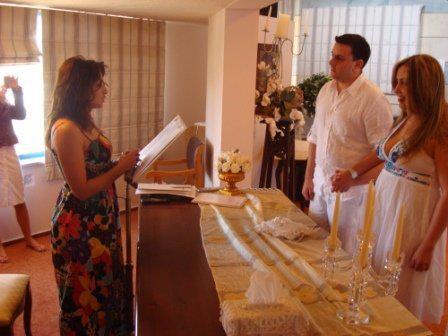
Salim el lawze and his wife. They got married in Cyprus

George & Monica El Khabbaz. They got married in Ayia Napa.

George & Monica El Khabbaz. They got married in Ayia Napa.

Rana Khoury and Rayan Ismail. They got married in London.
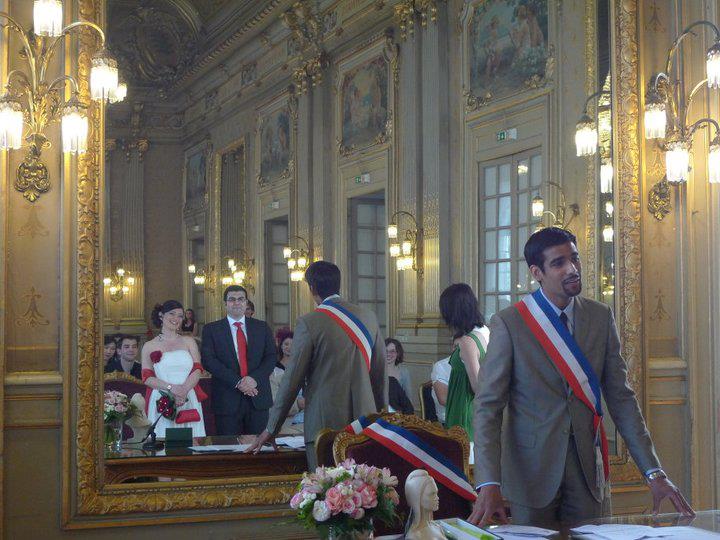
Rana Khoury and Rayan Ismail. They got married in London.

Rawad el Zir and Ali Mourad - they got married in France.

Rawad el Zir and Ali Mourad – they got married in France.
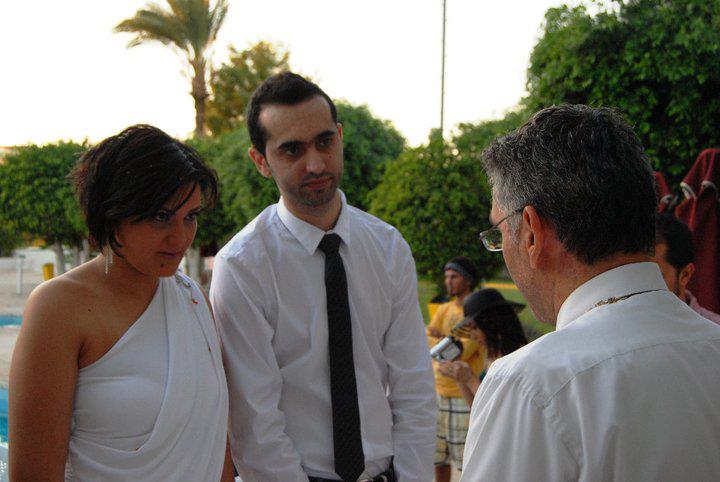
Hassan Kassem and Joulia Bou Karroum. They got married in Cyprus.
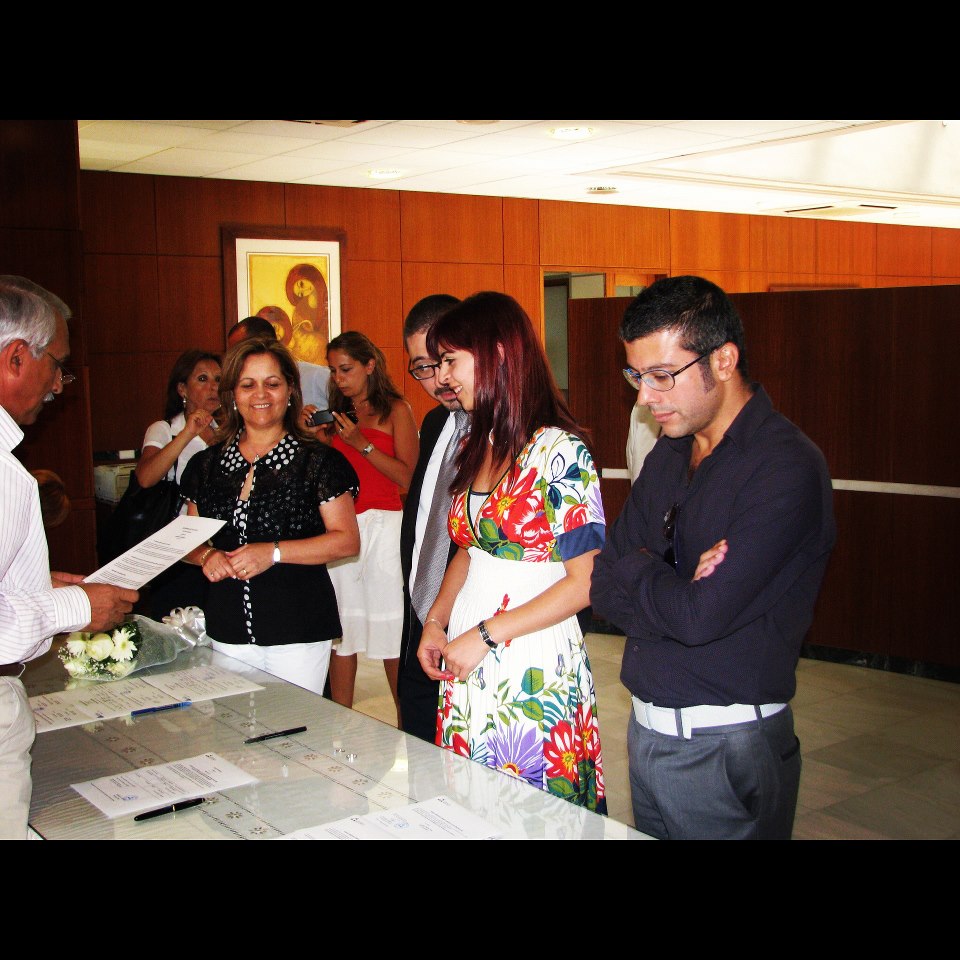
Hassan Kassem and Joulia Bou Karroum. They got married in Cyprus.

Layal Mroue and Elie Geahchan. They got married in Cyprus

Layal Mroue and Elie Geahchan. They got married in Cyprus

Randa Kabrit and her husband. They got married in - wait for it - Istanbul.

Randa Kabrit and her husband. They got married in – wait for it – Istanbul.
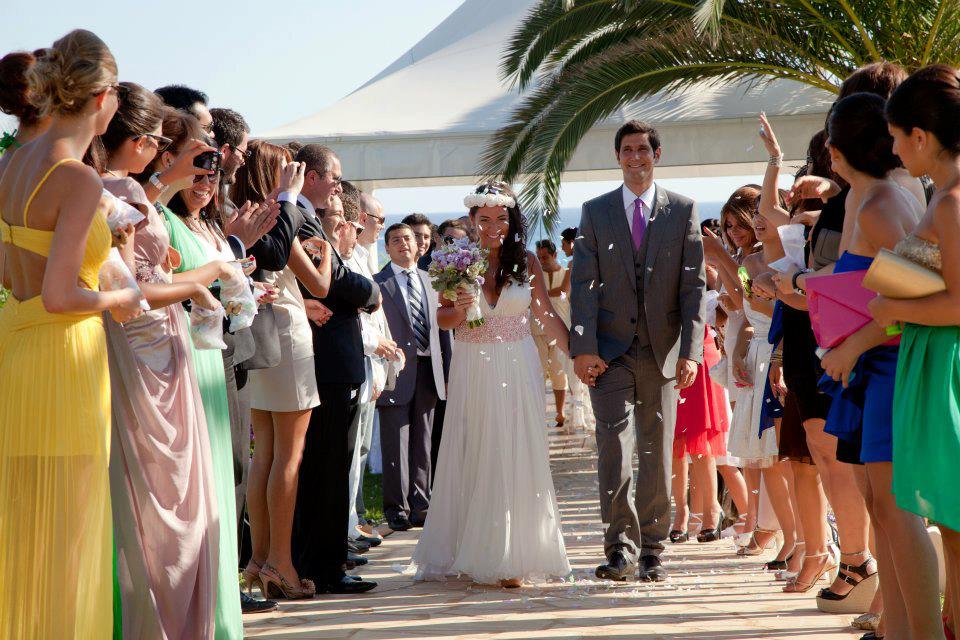
Tamara and Bassam Choueiri. They got married in Cyprus.
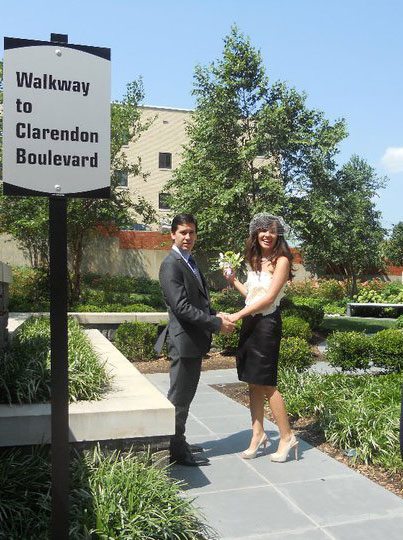
Tamara and Bassam Choueiri. They got married in Cyprus.

Yara Francis and Thomas Green. They got married in the United States.

Yara Francis and Thomas Green. They got married in the United States.

Lara Salman and Jad Tamer. They got married in Cyprus.

Lara Salman and Jad Tamer. They got married in Cyprus.

According to some twisted religious rationale, all of the above people and more are engaging in blasphemy. Why? because some men of the cloth and their very avid followers cannot wrap their heads around the idea that some people out there don’t want their religion to dictate every single aspect of their lives. Do you know why Mufti Kabbani is against civil marriage that much? I don’t think it has anything to do with religion. If he was so worried about the rights of Muslims in securing a spot in heaven, he’d be the first person helping out Muslim people in need around the country seeing as they are – by all accounts – the poorest people of Lebanon. It’s because civil marriage limits his influence and the influence of people like him immensely most notably when it comes to their bottom line at the end of the month, one dollar at a time. In the words of the late sheikh Mohammad Hussein Fadlallah, a renowned Muslim scholar known for his modernized thoughts, “civil marriage is not a problem because it documents a marital contract between two parties in a very clear way with them committing to a marital relationship.” It is here that I believe we should commend Patriarch Raï for a stance not only with optional civil marriage but with making it compulsory. (Link). Do you know why blinded religious people come up with paragraphs upon paragraphs of why civil marriage is a sin? Because they can’t wrap their heads around the simple notion of freedom of choice. What’s in it for you if some people want to live in your version of sin? What’s in it for you if I am a “kefer?” Also why should your notion of “kefer” apply to those who don’t even share your religious views to begin with? I’ve got news for some of those people: Lebanon is not sharia land. And it will never be. The biggest obstacle to civil marriage and subsequently state in Lebanon isn’t just religious folk who can’t fathom living in a place where their religion doesn’t go all the time, it’s also cowardly politicians who cannot conceive standing against their religious reference in such matters and who also don’t realize that living in a state with a sectarian system doesn’t mean living in a religious state à la Saudi Arabia. I am pro civil marriage because I simply support that basic civil freedom. To some, that is beyond complicated to fathom. The above pictures were obtained from this Facebook group (link) which I recommend you join hoping that this sudden surge in national awareness of the issue, coupled with support from the Lebanese president, doesn’t become another “women quota in parliament” and “voting age lowering” issue by it actually translating to some tactical wins. Blasphemy is great sometimes.

What’s The Legal Limit of Cyber Lebanese-Israeli Contact?

In the age of the internet, we, as a Lebanese, are bound to stumble on Israelis who are just like us – browsing around – and many of them actually reading the blogs we write, the pages we share, possibly even following us on twitter and others befriending us on Facebook.

For example, in the past few months, I’ve gotten over 3000 users from Israel to read this blog. And I cannot not allow it. And frankly, I don’t mind them reading.

I don’t have Israeli Facebook friends – I felt like this had to be put out there to prevent any sensitive folk from starting to hurl treason charges from the get-go.

My question is simple: when does our internet interaction with Israelis become illegal? Is replying to a comment by an Israeli on this blog considered illegal? What if I didn’t know he was Israeli? Am I supposed to track every user’s IP to know their country of origin? Can I not reply to emails by readers who happen to be Israeli and who are telling me that they enjoy what they have to say?

I’m not advocating normalization. In the case of war, I – Elie Fares – would be the first to support whoever wants to defend my country because they are, at the end of the day, my people. But don’t you think that worrying about an email or blog reply to another person who might as well be just like us is taking it too far?

This reminds me of a day when I was searching for an article to read about Lebanon’s oil reserves. One of those articles was on Haaretz, which required you to register in order to be able to read the article. And I couldn’t register because I didn’t know if that would be considered illegal as well. Is that normal? Is that how things are supposed to be?

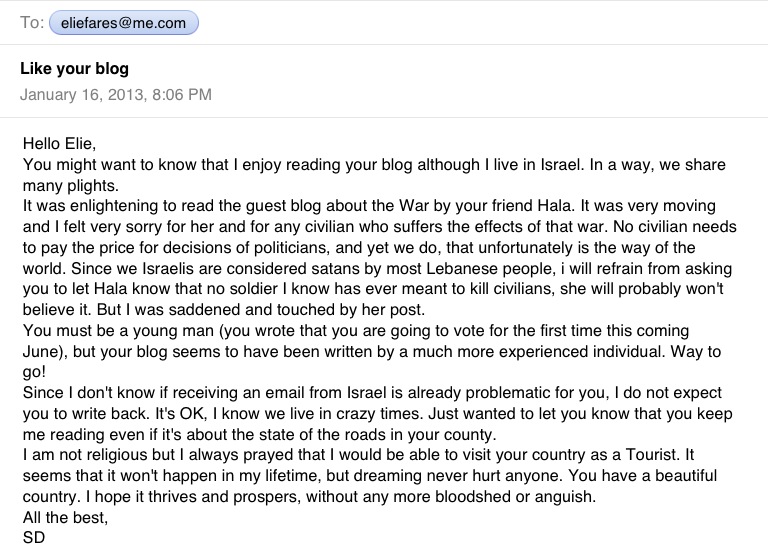
I recently received an email from an Israeli whose name I won’t mention – and the email was touching. People advised me not to reply. So I didn’t. But I really, really wanted to. Not because I “approve” of the state of Israel. Not because I want to leak out information which I don’t have. Not because I want to feel a rebel in doing so. But because the following email really does warrant a reply as decent as the email itself:

LebanoN israel emailSo here it goes.

Dear SD,

Thank you for your email. I’m sorry I couldn’t reply earlier and I believe this isn’t quite the reply you were expecting. But it’ll have to do for now. I was told not to reply via email. Others told me of a workaround that couldn’t be tracked but that would have been way too fishy. So I figured I’d do it here, out in the open, because I really have nothing to hide. This is, after all, a simple reply to an email.

I sent this Hala’s way. She didn’t have too many kind things to say which is understandable if you ask me because she’s the one who was hurt due to repeated wars not me. So I will never fully understand what she has gone through. But she has said this with which I agree: “We know that human beings do not enjoy killing each others unless they’re sick people, your soldiers follow orders, they fear orders, they are taught to be obedient for their “cause.”

I am not as young as you think I am – voting age in Lebanon is 21 and I’m already beyond that point. And thank you for always reading – even if it’s about the road state in my country.

I’m afraid your wish will never happen in our lifetimes. It’s the way things are. But I know many Lebanese would love to visit our enemy to the South.

Best,

Elie

So what is our legal limit as Lebanese when it comes to internet contact which is becoming frequent lately with Israelis? Where is that line that we don’t really want to cross?


Let’s Talk SMS, Facebook Passwords, Freedom, Security and Lebanese Twitter Political Play

Back in April of 2012, the ISF requested some data from the ministry of telecommunication. Their request was refused. People freaked out. Bloggers blogged. Tweeps tweeted. The following day, all was well.

Flash forward a few months and it’s early December 2012. The ISF requested the same data from the ministry of telecommunication. The request was refused. People freaked out. Bloggers blogged – and I took part this time. Tweeps tweeted. The following day, all was well.

The Lebanese fight for “privacy” is seemingly a one-day affair that needs to be instigated by some politician on twitter with obvious aspirations. Rally the masses. Get them to be afraid. And you’ve hit the jackpot. So when the big prize ends up being cashed, the fueling stops and people relax because things turn out all well as if nothing happened. I’ve made my stance from this whole debaccle clear. I refuse to be carried away by political rhetoric and I refuse to be bullied into believing that this matter is a notion of freedom versus security. It’s not. Your freedom and security do not negate each other. Criminals are not free to have an umbrella of safety over their heads just because of some person’s melodramatic understanding of freedom. So as some theatrical Lebanese threaten to leave the country to better ones such as the US, the land of the free and the brave, they forget about such things such as the Patriot Act and the mere fact that many of them will be wire-tapped and monitored just because they’re Lebanese. But ignorance is bliss. So let’s for a moment pretend as if our data is actually private and examine what this data is all about.

Facebook and Twitter passwords:

Our Twitter and Facebook passwords were supposedly not part of this “data request” as the minister said. But them being part of the request is besides the main point. The main question here is does the ministry of telecommunication have our passwords and log-in data? Do they have our emails and log-in information? And if so, how did they get them? I’m pretty sure Twitter and Facebook, both companies being above governments, won’t crack down and hand them over. I’m also sure that gmail and hotmail and yahoo or whichever mail client you use employs the highest standard of encrypting. Cracking https connections is not impossible but it’s also a very tedious operation, from what I gathered. I am not an expert but apparently the government getting the passwords of all Lebanese citizens to all their different accounts is a very difficult operation. So which is it? Is the Lebanese ministry of telecommunication using illegal equipment to crack our data, the likes of which were used transiently last year by the Iranian government, which was eventually forced to stop when its actions were uncovered? And if the ministry has these devices, shouldn’t we panic about them tapping into our privacy first before we panic about them handing it over? In other words, shouldn’t #ProtectPrivacy be more like #StopSpyingOnUs?

SMS, BBM, iMessage, etc…:

SMS is trackable and getting access to them should be, as I’ve said, only based upon judicial subpoenas. Those who believe their SMS messages are off-limits regardless of circumstance are delusional and simply ignorant. Moreover, last time I checked, BBM and iMessage were very well-encrypted. I also highly doubt that companies like Apple (which can basically buy Lebanon at this point) and RIM need to schmooze up to the Lebanese government by giving them access to your iMessages or BBM messages. Should you worry about outsiders reading the content of your text messages? You have every right to. But you also need to know that even if the ISF got their hands on your data, they won’t have neither the manpower nor the time to go through all your gossiping because, at the end of the day, we as the mass collective of the Lebanese population are irrelevant. However, in case you still believe that this request with its tentative obvious breach of privacy is very Lebanese-like and doesn’t happen in more developed countries, which some of you cannot but wait to go to, this article (link) is for your reading pleasure. And that’s the land of the freeeee and the home of the brave. I guess enticing rhetoric about freedom and security is only appealing until a certain point where you realize that other “better” countries have these types of requests as well. The only difference is their requests don’t get milked politically as is the case here, which brings me to point #3.

Twitter Political Play:

The mess on Twitter yesterday was nothing more than a pure political game by a politician who played you like pawns. He made you all believe that the ISF wanted unlimited access to your data when in fact they were only requesting access to data for the two months leading up to Wissam Al Hassan’s assassination. Forgive my French but politicians wouldn’t give a shit about your privacy if it meant it could help them reach political gains. If your “protected privacy” was of benefit to the politician who’s supposedly protecting it, rest assured he would have been the first one demanding it be released. There are no principles here. There are just interests. And people were gullible enough to actually believe a Lebanese politician – no matter who he is – would actually stand up for their privacy. Politicians wouldn’t give a rat’s ass about your privacy if blocking it meant they can get their peace of mind by not allowing others access to something they already have. You’re worried about your private information falling into the hands of the ISF? Well, I’ve got news for you. Your information is already in the hands of people who are worse than the ISF. I guess you’re smart enough to know who. So now said politician can flaunt around what took place on Twitter yesterday for some political gains in a game of chess that’s only leading to elections next year where this politician hopes to get a parliamentary seat. And if that’s not clear enough, perhaps the leaking of “top secret” information from within the government – the first time this happens in recent memory – pertaining to the ISF request is proof enough.

It’s sad when we, as Lebanese, can’t trust our security forces to protect us. They can’t even protect themselves and somehow we hold that against them. The situation in the country is akin to a blind man driving a wretched car on a slippery road in a snowstorm and we’re sitting around freaking out about our “privacy” which is already being accessed hourly by people who should never have access to it. But ignorance is bliss. Keep believing that some politician has kept your privacy intact. Keep believing that you have privacy. And you worry about it for one day because that’s definitely more than enough.

#ProtectPrivacy – The Lebanese ISF Should Get Controlled Access To Your Information

The ISF have issued a request for minister of telecommunication Nicolas Sehnaoui to hand out the much coveted and talked about data that has been sought for months and months now. He has refused their request.

The data in question contains the text messages you’ve sent, some of your email correspondences as well as BBM chats (didn’t know that was accessible) and social media information that’s available to them. As a result, the entire Twitter community is in an uproar over this as they tweet against ISF measures using the hashtag #ProtectPrivacy, after a request from minister Sehnaoui.

I don’t know how the ministry of telecommunication actually has my Facebook or Twitter passwords. I don’t know how they have access to my emails or how they can actually read my iMessages. Last time I checked, those happened over an encrypted connection that makes access to them very difficult. But I digress.

When it comes to all of this, my stance is that of the devil’s advocate. Why not let them have access?

Of course this access has to be controlled. I’m against open access for them to everything because that’s just absurd. If I’m not a person of interest, then my data should be off limit until a time when I become a person of interest and that’s proven via evidence that shows my possible connection with a crime. For the record, I am innocent! (Although that’s what a criminal would also say). But to say that data should be off limit in absolute terms and for everyone doesn’t really make me feel safe in a country where safety has become a fleeting sentiment that you get occasionally… when someone’s not getting blown up on a busy intersection at rush hour.

My privacy is important to me and I surely wouldn’t want everything I do be broadcast in some dark room somewhere in Lebanon’s Intelligence HQ. However, that’s the same thing criminals who are assassinating politicians and blowing up people would also say and are absolutely loving at the moment.

Eventually, the ISF doesn’t really care who you slept with or if you sexted someone other than your girlfriend/boyfriend. They don’t care where you went out for dinner yesterday or who you’re meeting up for lunch tomorrow. What they should care about is catching criminals and contributing to the safety of citizens in this country. An ulterior motive may exist. Perhaps all those Turkish soap operas are not enough. So that’s why we should have functioning courts that determine whether an ISF request for a person’s private data information is valid or not.

As a Lebanese citizen, I don’t care about someone getting controlled access to my privacy if it meant I don’t have to die for finishing work at 3 p.m on a Friday. #ProtectPrivacy? Honestly, I’d rather #ProtectSafety first and foremost.

Lebanese Saints Are Now On Facebook

I’m sure I’m not the only one who has noticed but the amount of prayers on Facebook has increased dramatically over the past few months. There isn’t a day that passes without my timeline getting flooded with “like for Jesus, keep scrolling for satan” pictures, or people sharing their prayers for everyone or others sharing YouTube videos of Islamic prayers.

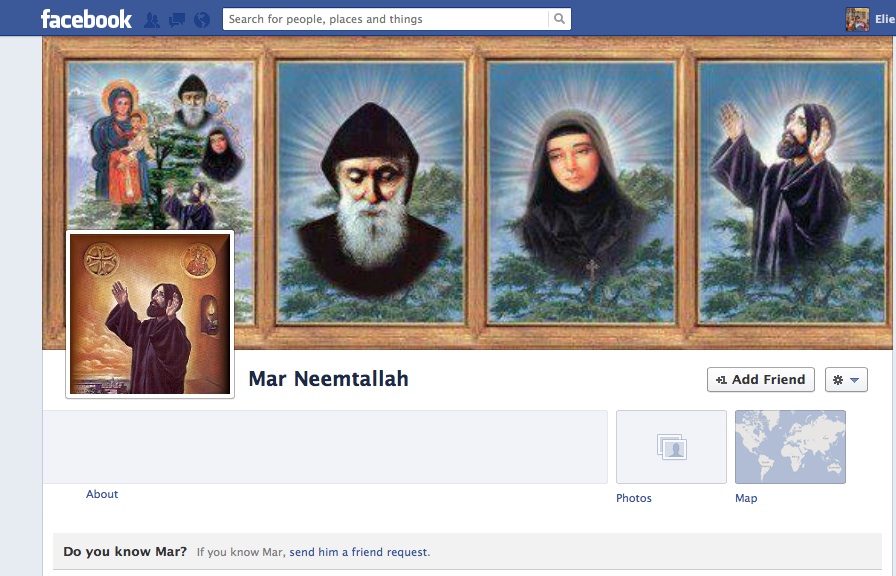
But someone has been listening up there so Lebanese Saints now have their own Facebook accounts to communicate with all the faithful seeking salvation through Facebook statuses and Facebook places check ins. The first one? Mar Ne3mtallah.


Convents are no longer the place to go to “communicate” with those saints. In the age of digital media, it seems even holy figures are jumping on the 21st century bandwagon. One does not simply stay behind the times. And because staying in convents is too mainstream.

Who’s going to be the second saint you’ll be able to befriend? My bet is on St. Rafca.

In all seriousness, start reporting these profiles. Some people have way too much time on their hands – and way too little brain matter up there.