The Lebanese Help

As I was sitting with some family members who were visiting my mother after a recent surgery, the issue of the “help” in Lebanon came up.

I sat and listened as the “grown-ups” spoke about the maids that entered their homes and left. One of my family members, however, had never had a maid. With her turning 40 and an increasing backache, she was considering the idea – especially with one being available at her disposal the moment she says yes to her sister’s offer.

But that woman was worried. The cause of her anxiety? She only had one bathroom at her house and God forbid the maid uses the same bathroom she uses.

I snapped.

I never thought the passages present in the book, The Help, would actually pop up in such dramatic fashion in a Lebanese society. I never thought for a moment the bathroom issue was actually an issue in Lebanon. Aren’t those maids cleaning the bathroom to begin with? Aren’t we, in 2012, at a level of culture and knowledge that is sufficient to know that, unlike popular belief, those maids are not bringing in with them a ton of foreign viruses the like of which Lebanon has never seen before?

I replied to my family member. I was strict and somewhat rude in my reply. I think she was offended but I didn’t care. I knew Lebanese society was racist but you never think it goes on in your family until it actually takes place in front of you.

But that wasn’t the end of it. Flash forward a few days later, I was having dinner with a couple of friends my age. And if you thought the older generation, with its minimal contact early in life with “the help,” may be justified somewhat in the racist ideas that swirl through their heads, then what “excuse” could you come up with when a twenty two year old agrees with my 40 year old family member about the bathroom issue? The justification given was: but they are “dirty.”

And it is then that the need for a Lebanese version of The Help became obvious to me. Many people had spoken about how that book, and movie, were very relevant to our society today. Most of those people had thought about that only fleetingly, for the few moments after having finished the book or the movie. Some had even blogged about its relevance

But then I thought, why not have an online version of The Help, adopted to Lebanese society, that tells stories of the maids that come to our homes, before something bad happens to them and their story becomes top news and activists get outraged at the injustice in our society when it comes to “the help.”

If you have your own maid story you want to share, don’t hesitate to contact me. I’ll start with telling the story of one of the maids that came into our home really soon.

Beiruting.com Fail – And Pictures of “Lebanon” Snow That Are NOT Lebanese

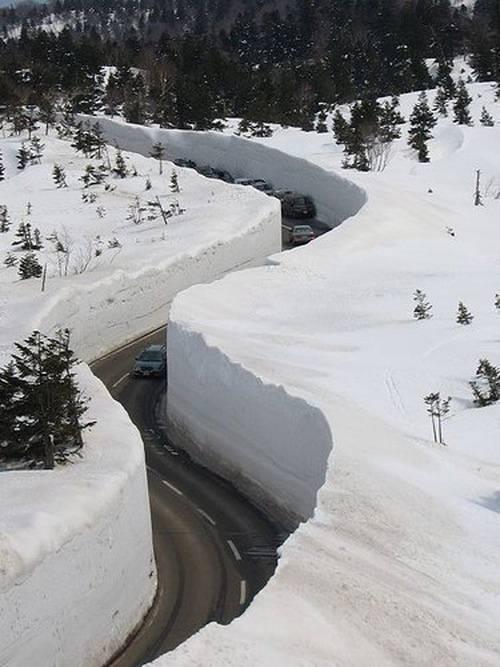
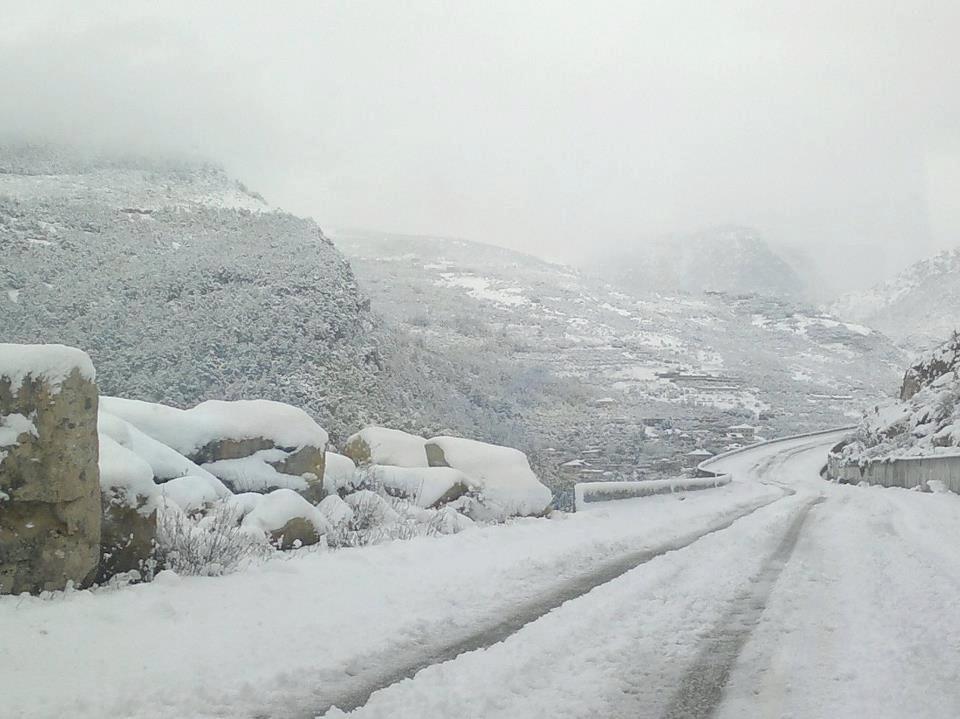
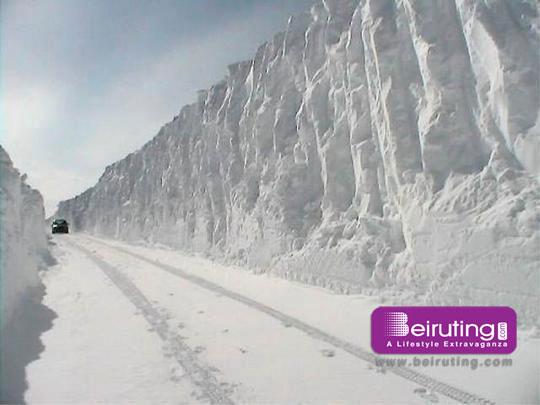
I woke up today to find two pictures circulating across my friends of the recent snowstorm in Lebanon. The first one is the following, “originally” shared by Beiruting.com, complete with a watermark for copyright:

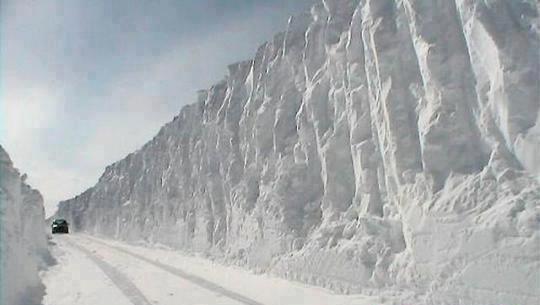
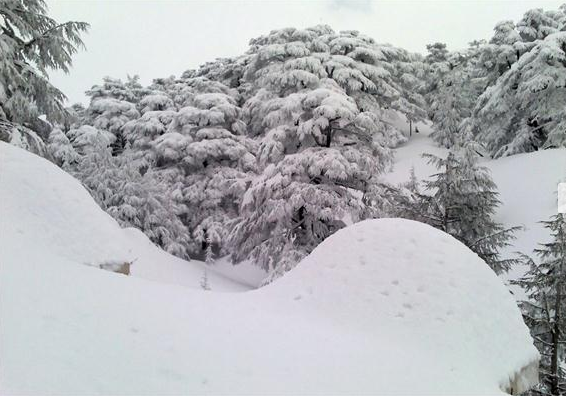
The second one is the following, presumably of the Cedars:

Beiruting.com did not share the second one. I have no idea where it originated from.

Now the original version of the first picture, without the watermark, is the following:

How come there’s a non-watermark version of it?  Simply because this picture was not taken by Beiruting.com. This picture was taken by someone not in Lebanon but in Oswego, New York. That’s about 9000 kilometers away from where this picture was supposedly taken.
The second picture is actually in Japan and dates back from 2010, a relatively dry year in Lebanon. You may have not noticed the cars driving on the “wrong” side of the road. But I hardly believe we have the snow removal trucks in Lebanon that can do such a precise job. And suppose this is in the Cedars, would our beloved trees that are outside the main forest peak above the snow cover? I hardly think so. In fact, the second picture is part of a wider batch of pictures of Japan’s Snow Roadway. Check out this link for more images and this YouTube video as well:

It’s lovely to think highly of our country but I expect from renowned websites such as Beiruting.com to at least go through some fact checking before going after those coveted Facebook likes and shares (for the record, the picture has about 300 shares and 600 likes). As for the rest of the Lebanese, not everything landscape-wise that you find impressive is actually Lebanese.

If you want a sequence of real pictures of the recent blizzard, check out this link. These are pictures taken by Lebanese in their hometowns through their phones, cameras, DSLRs, not taken from Google images and stamped with a Lebanese stamp of approval.

Winter in Lebanon: Real Pictures from the March 2012 Blizzard

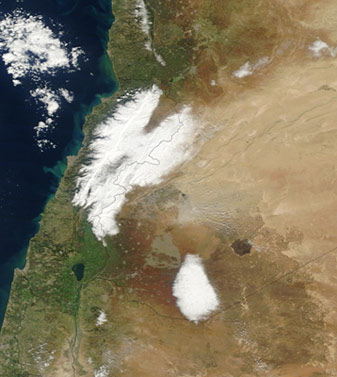
The recent storm to hit Lebanon has been said to be the strongest in over a decade. And according to satellite images of the country, I think it shows.

The picture is from the previous blizzard. A newer one from the most recent snowstorm has yet to arise. But it should be even more impressive.

Pictures from the other snowstorm can be seen here.

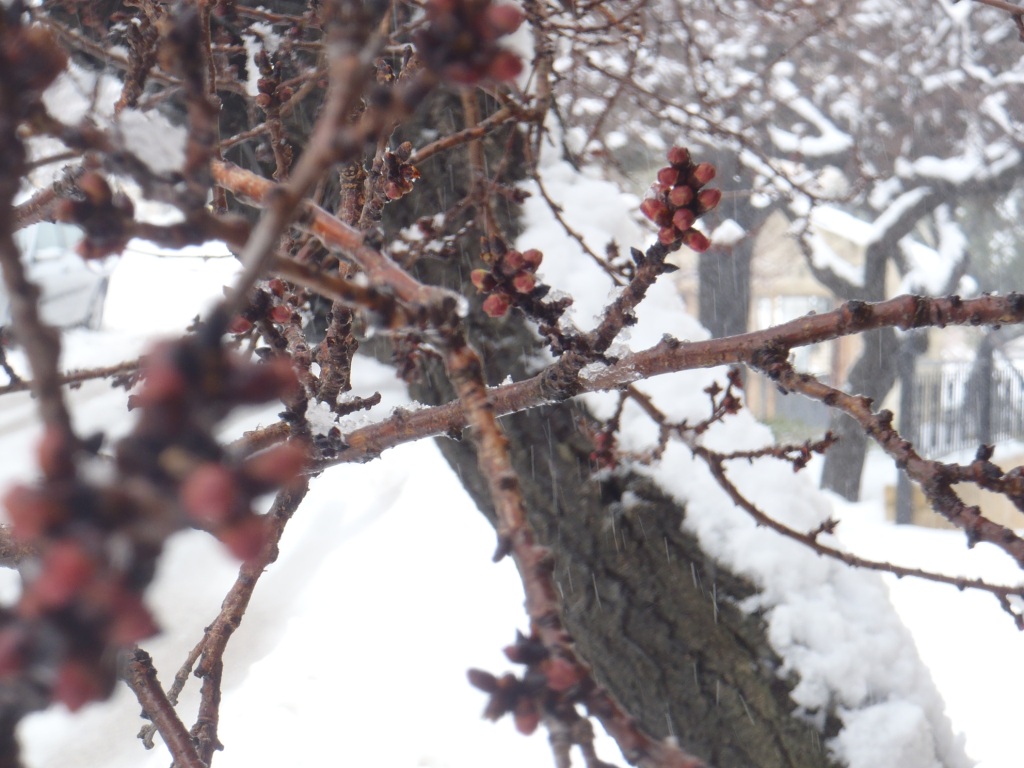
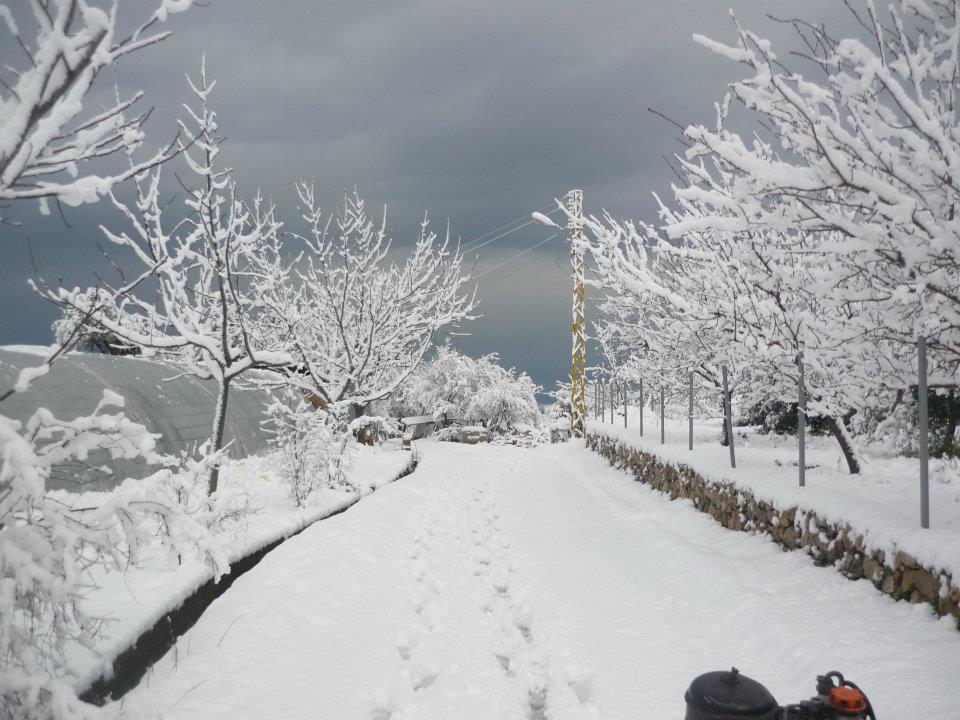
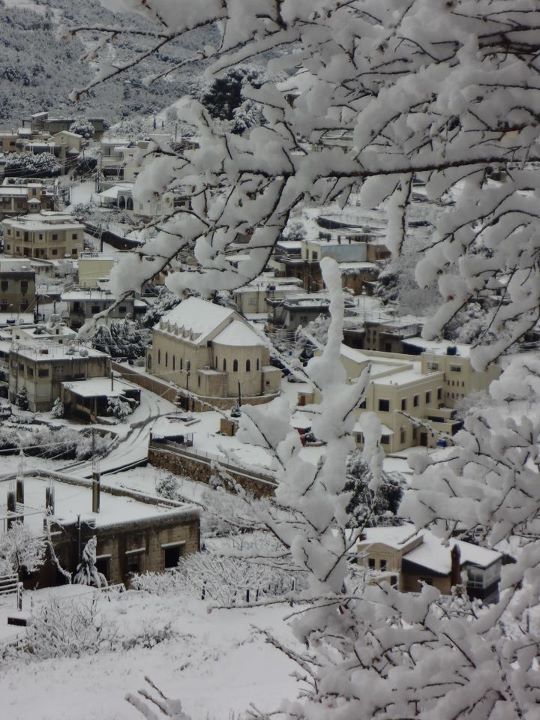
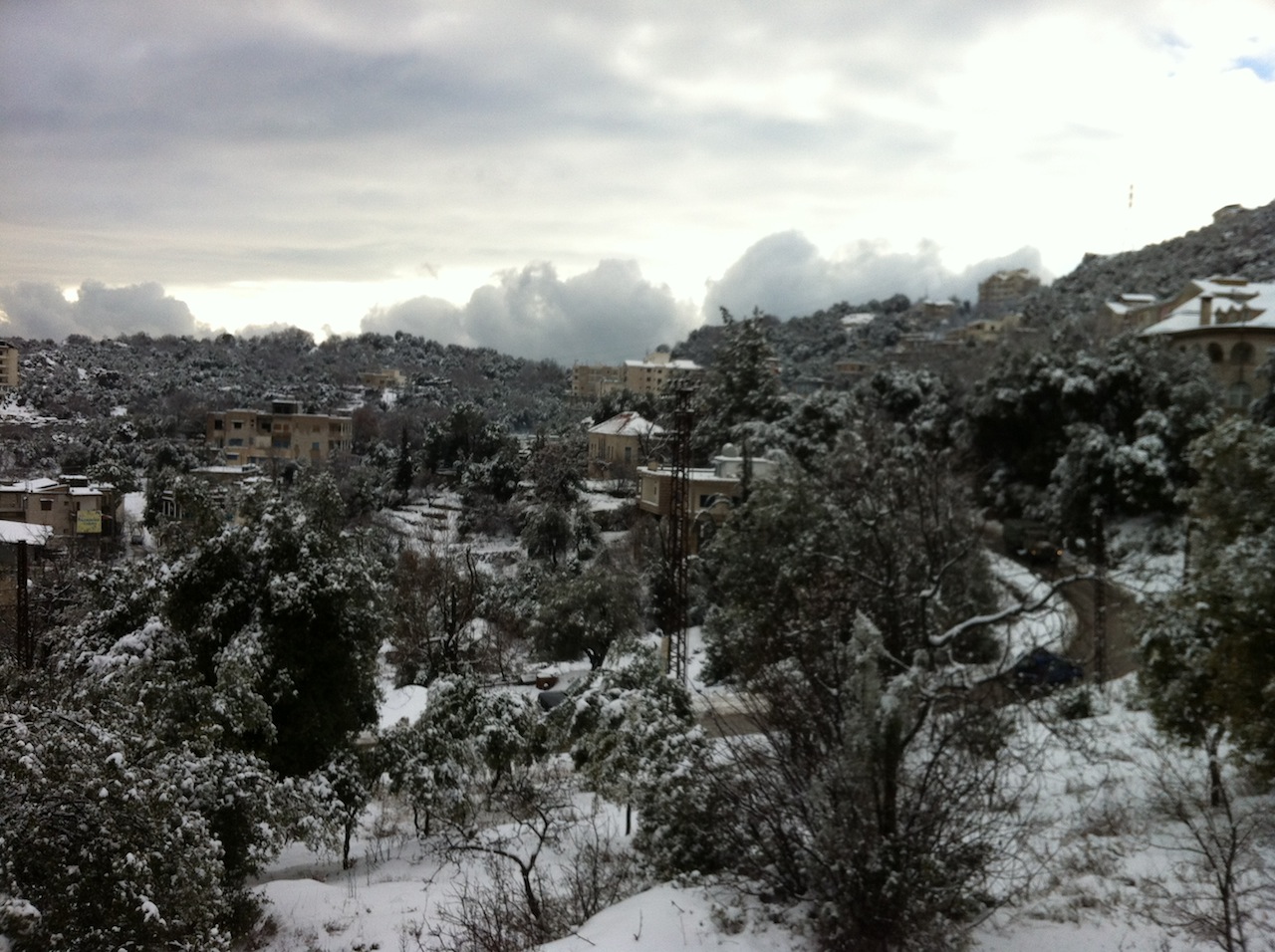
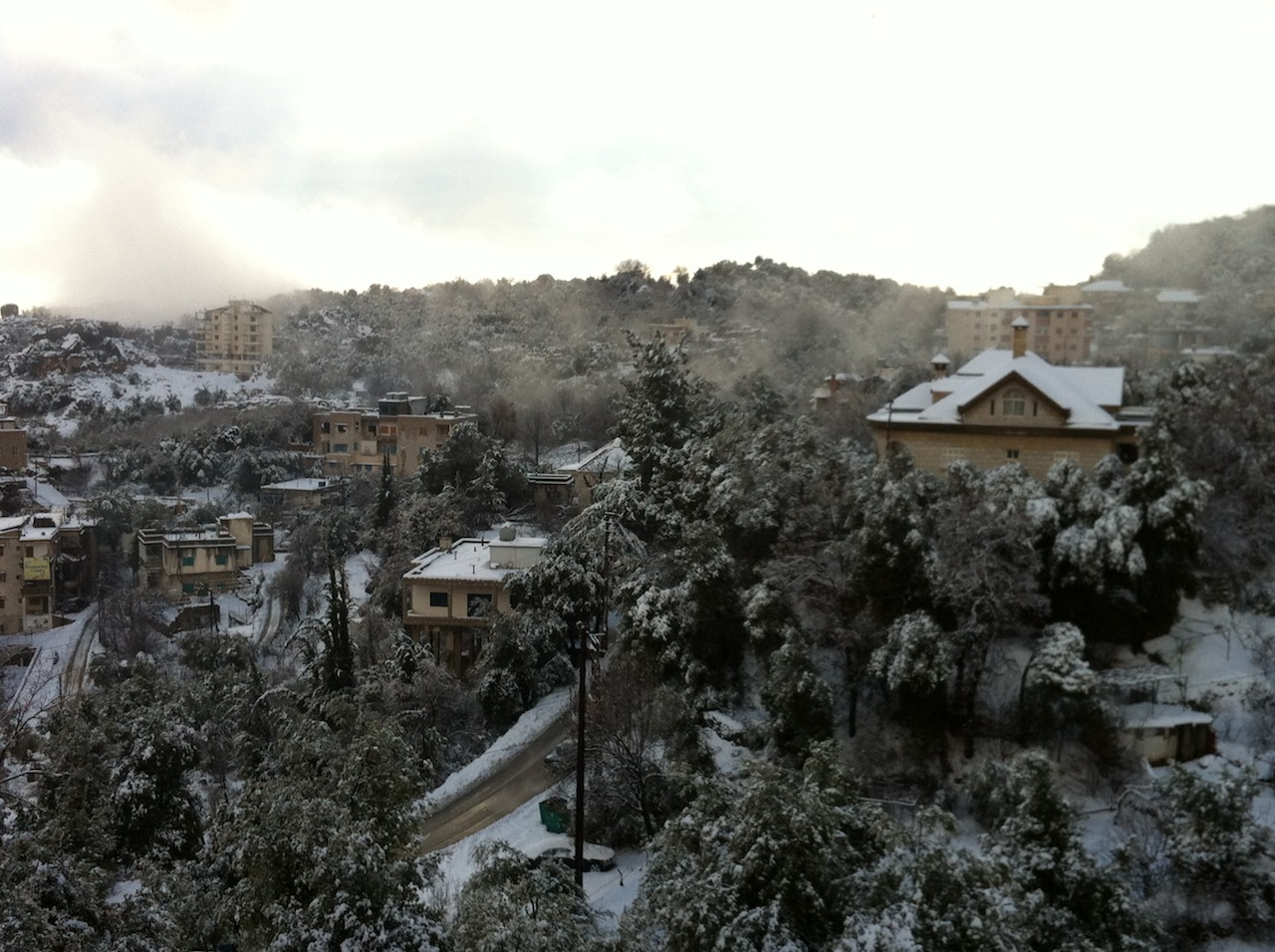
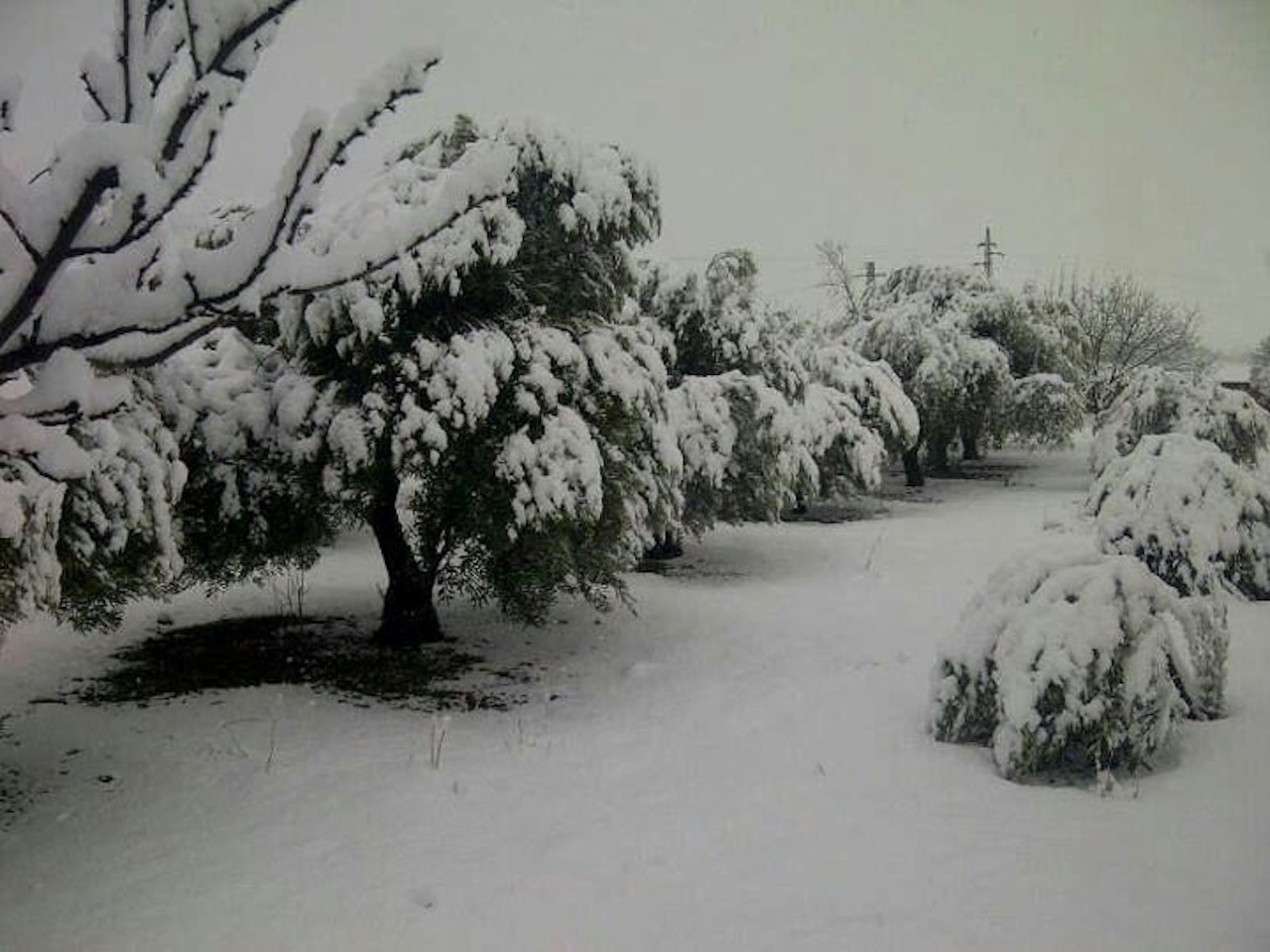
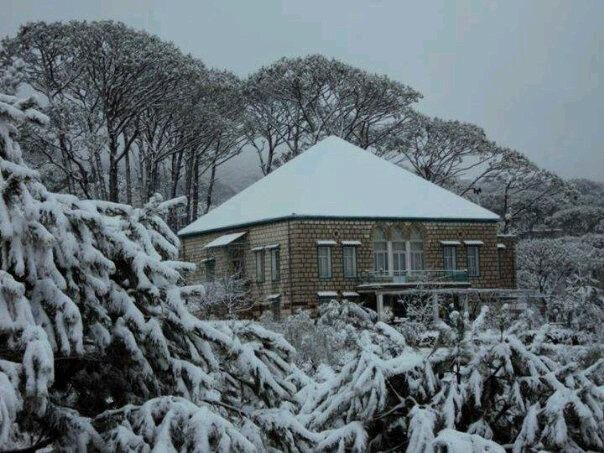
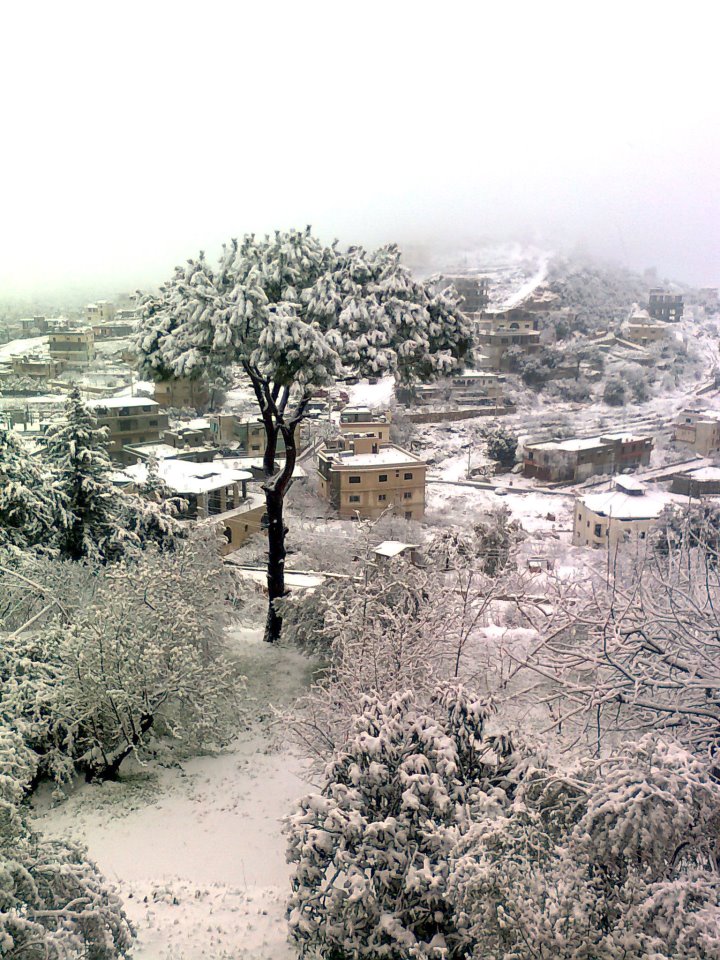
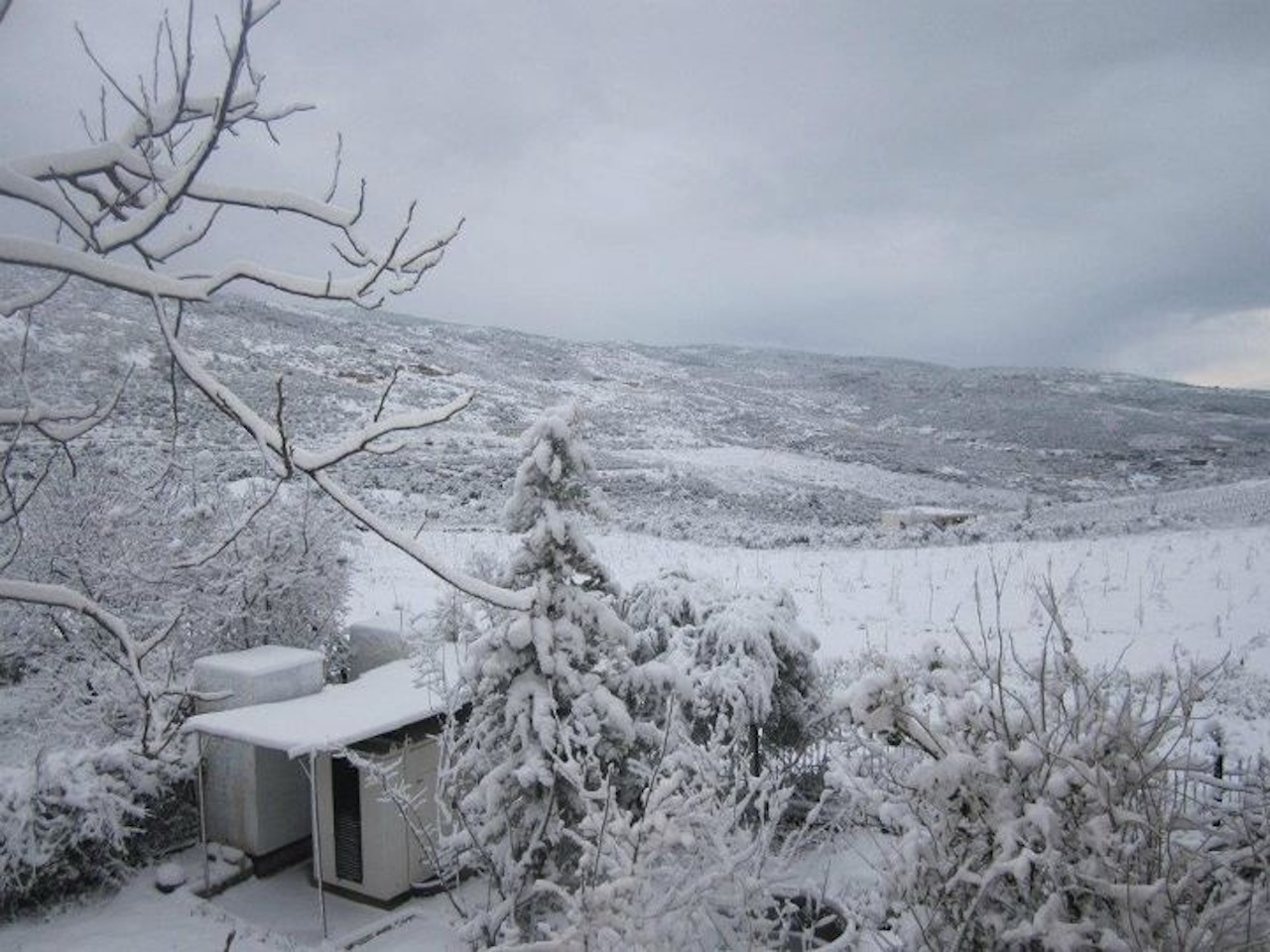
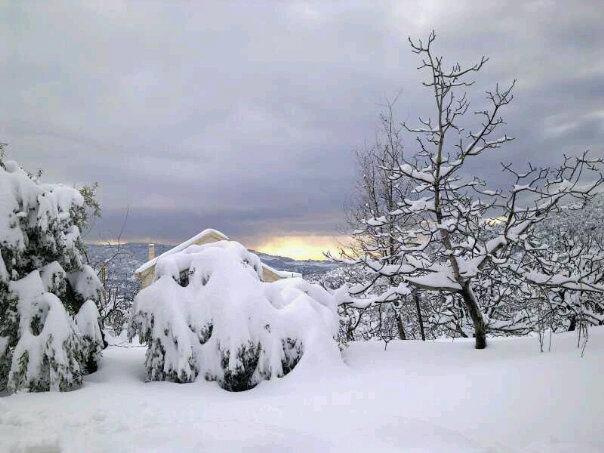
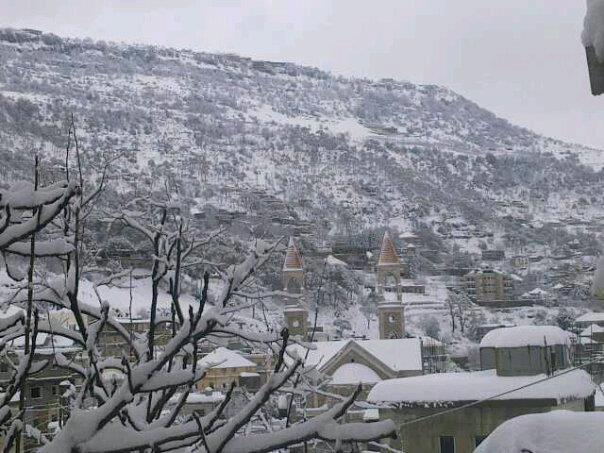
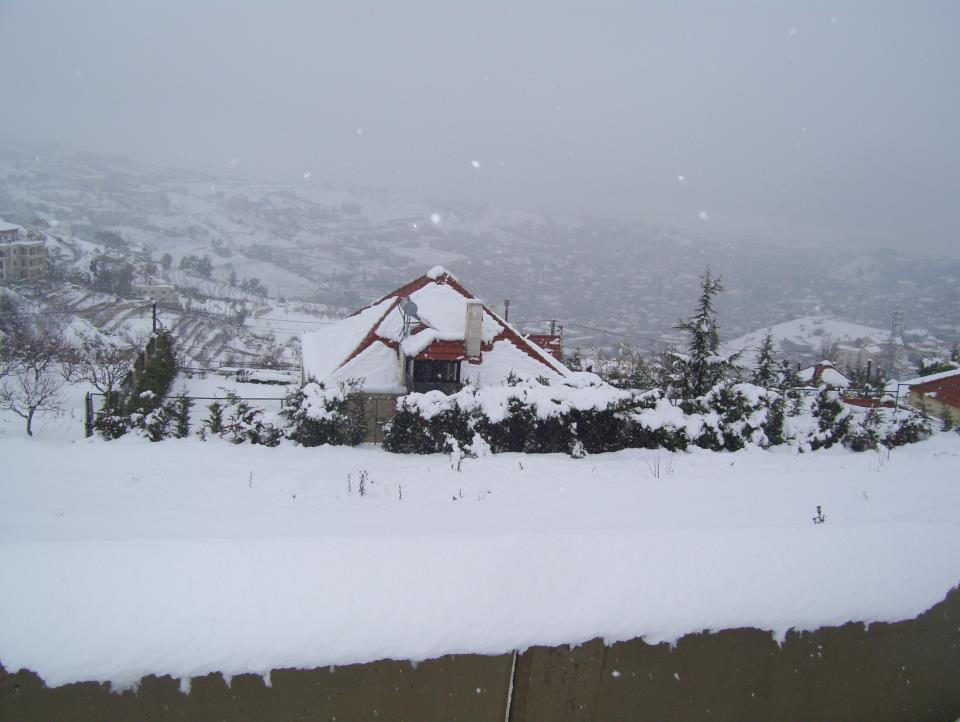
And with this turning into more or less a series of posts where I expose a side of Lebanon that many do not get to see, I figured I’d continue with it and collect pictures from friends of their hometowns during the storm. The pictures range from towns in the North such as my own, Ebrine, to my grandma’s hometown, Dar B3eshtar, to Baskinta, Achkout, Aley and even Sidon.

I tried to encompass scenes from all over the country and with the recent Wall Street Journal article about Lebanon’s Mountain Trail, I figured it’d be appropriate to post this today. Some of the pictures going around are FAKE. These are totally real. So without further ado, we begin.

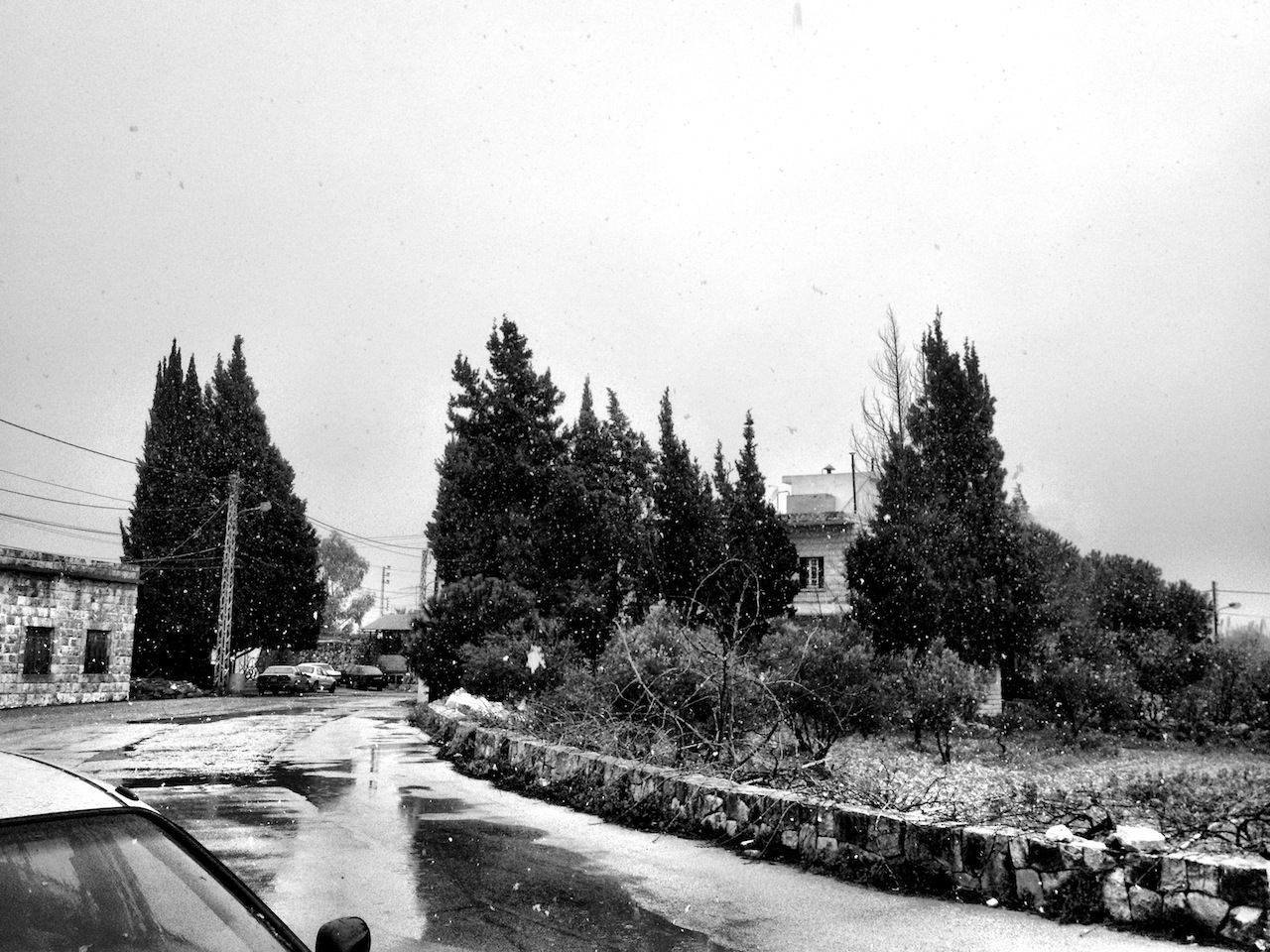
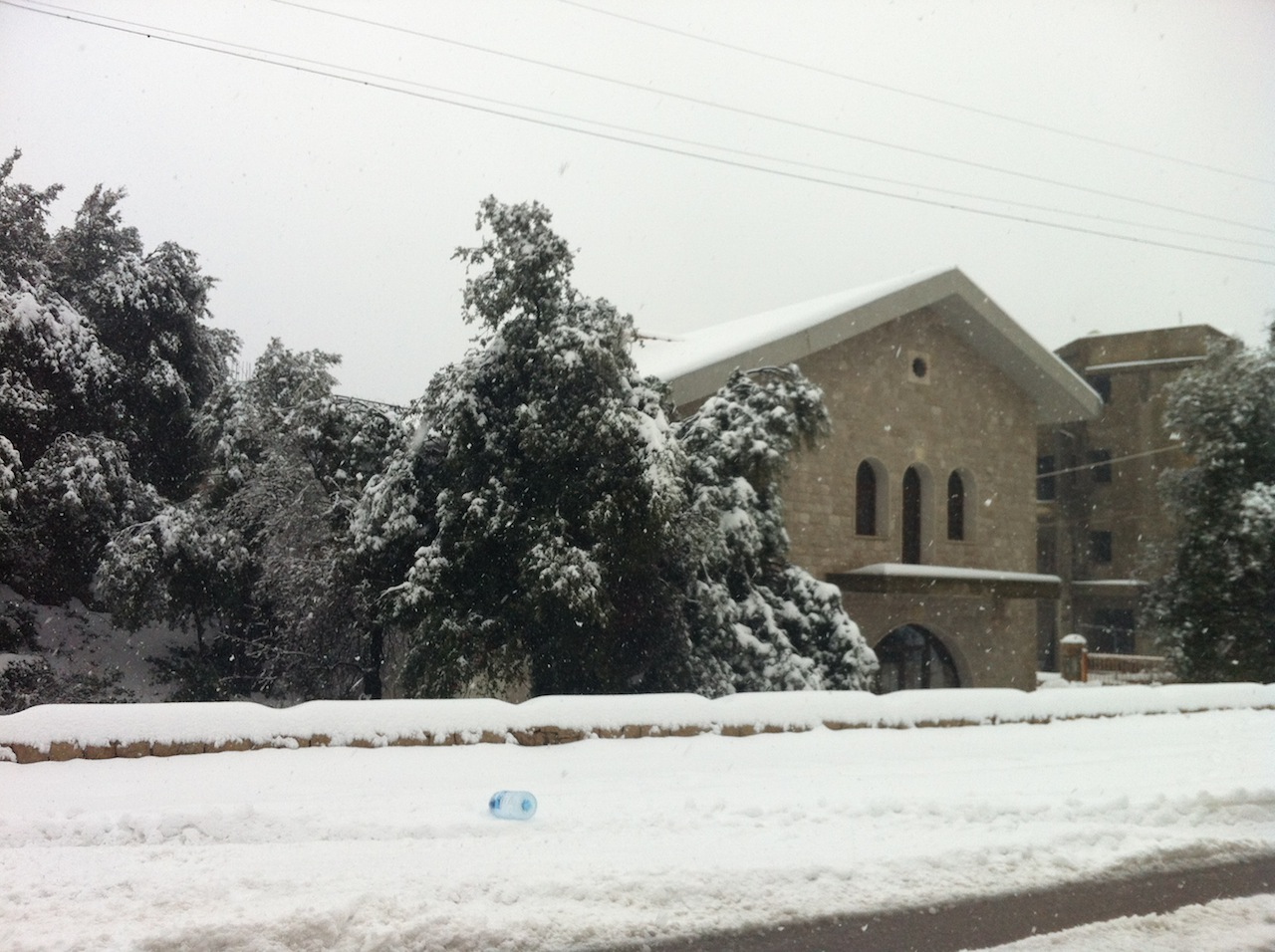
My hometown:

The picture was taken at the beginning of the storm. We were not lucky enough to have snow accumulations. No idea why.

Douk, a village in the Batroun Caza. These pictures were taken by my friend Agnès. You can follow her on Twitter here:

This picture was taken by a friend of Bazbina, her village in Akkar:

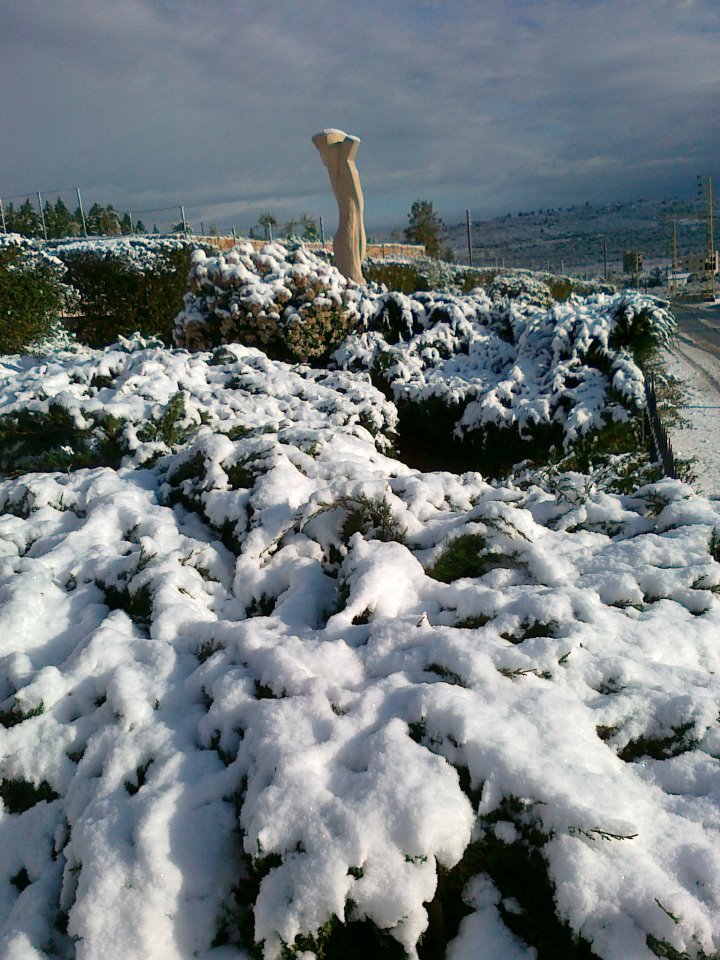
And these are pictures taken by my friend Hanna in my grandmother’s hometown in Koura, Dar Baachtar:

The statue of Ishtar, at the entrance of the village.

This is a picture of Kobayat, taken by Rita Zreiby:

Beit Chlela, in the Batroun Caza:

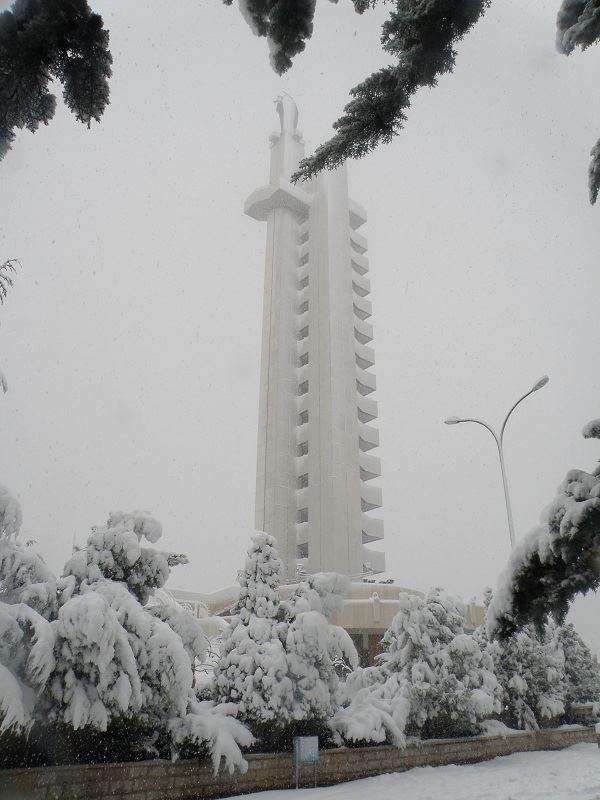
The Cedars:

The Cedars – as photographed by the Daily Star

Moving on from the North, we reach Mount Lebanon. And these are pictures of Achkout, taken by my friend Roland of his hometown:

These are pictures of Aley, taken by my friend Howaida:

Hammana:

Baysour:

The village of Jeij in the Jbeil Caza:

The village of Baskinta had its pictures taken by Marie Karam, a frequent reader of my blog who decided to share the pictures with me for inclusion in this post:

The village of Bater, in the Chouf caza. They haven’t had snow since January 2008. Pictures provided by my friend Maggie:

And last but not least, to conclude Mount Lebanon, a picture from Bekfaya via BlogBaladi for the statue of Pierre Gemayel:

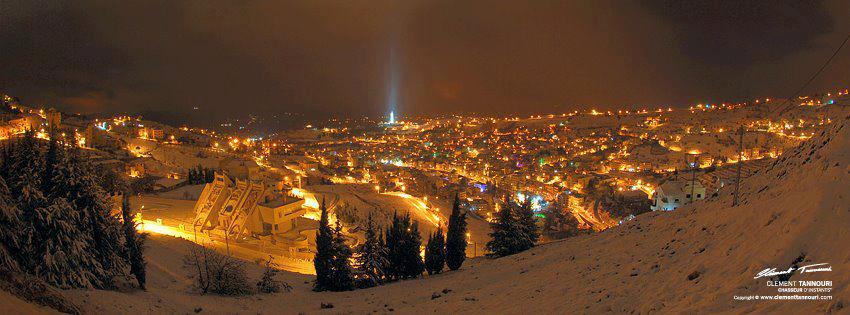
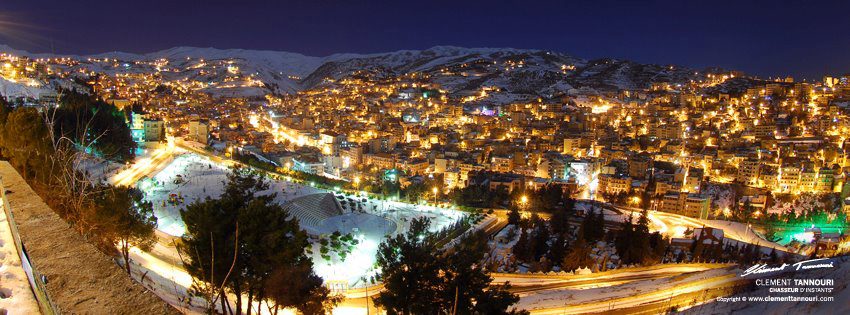
Moving on to the Bekaa, I figured it would best to have that are represented by Zahle via two pictures taken by professional photographer Clement Tannouri. Both are absolutely breathtaking if you ask me.

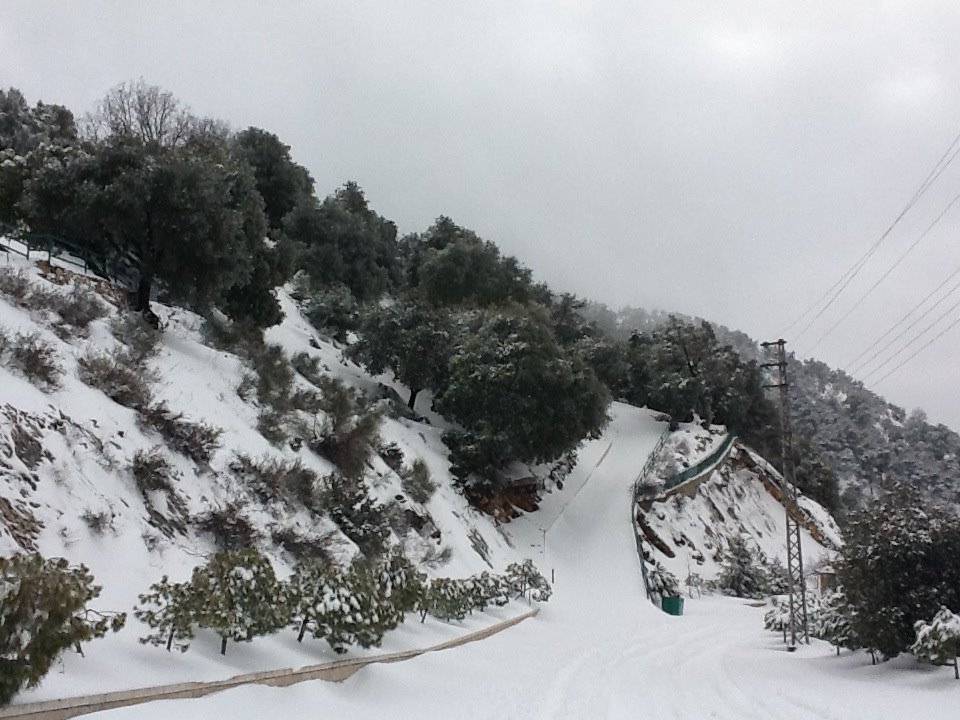
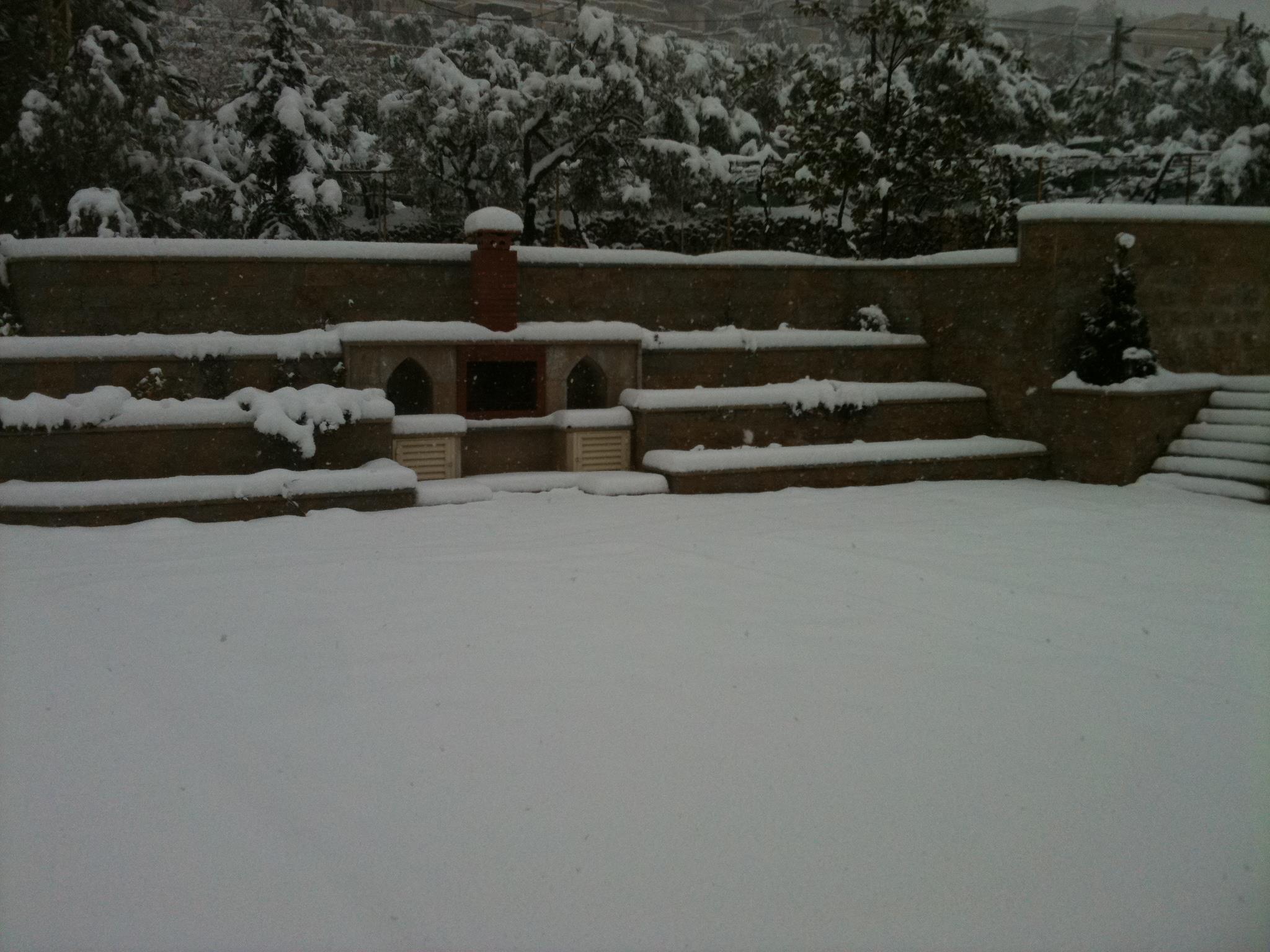
Other pictures of Zahle, taken after permission from the Lebanon Weather Facebook page:

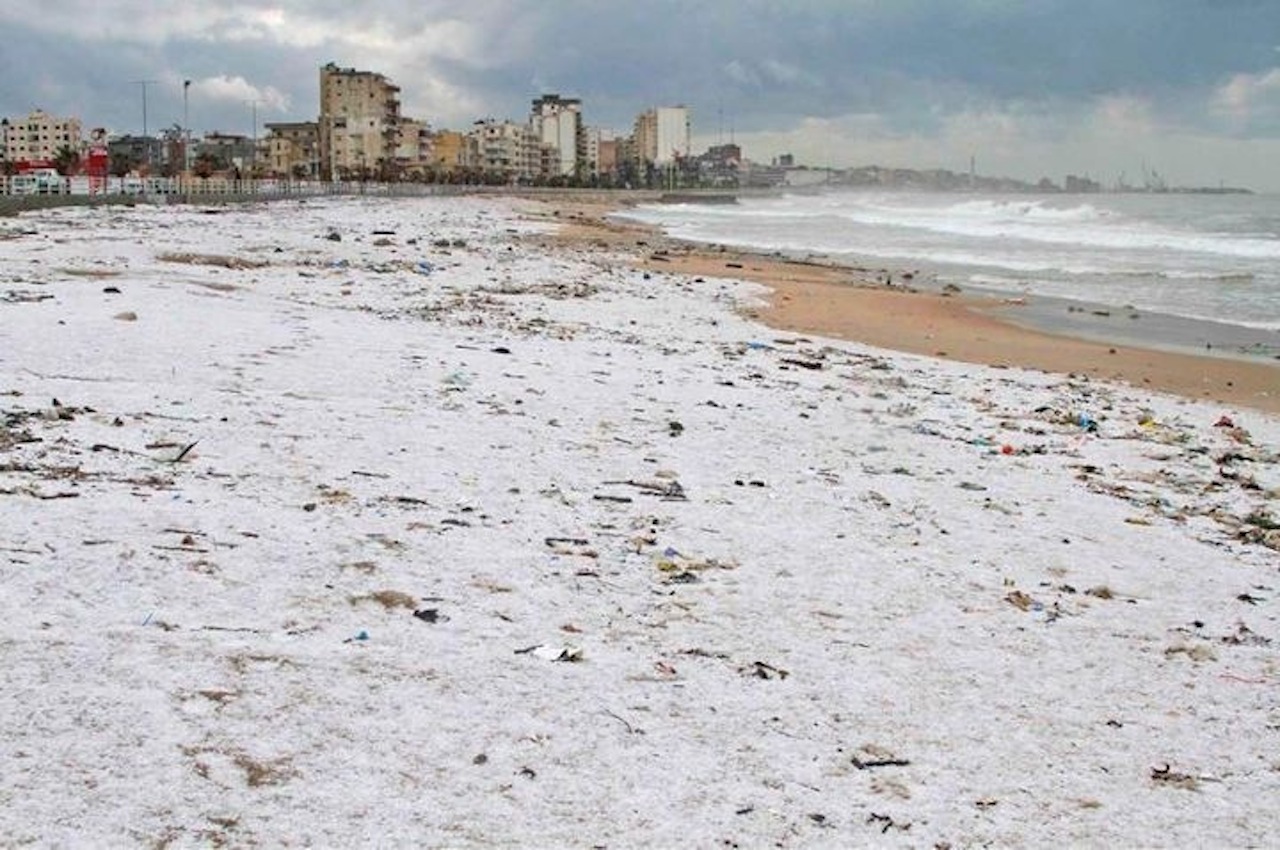
And the most impressive picture from the South was the one taken by The Daily Star for snow at the beach in Sidon:

Spring is coming up in just 17 days. Get ready for a new series of Spring in Lebanon – that is unless I come up with material for one last Winter in Lebanon post to wrap up 2012’s winter with. This winter has been quite awesome, hasn’t it?

The Wall Street Journal Showcases Hiking in Lebanon’s Mountain Trail

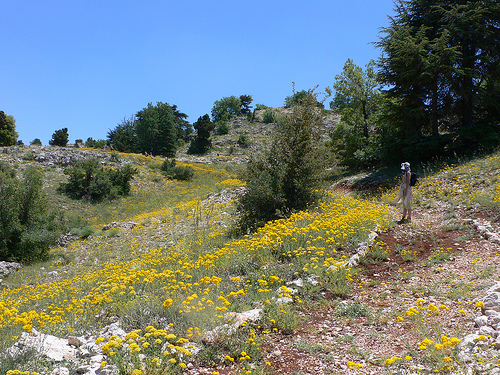
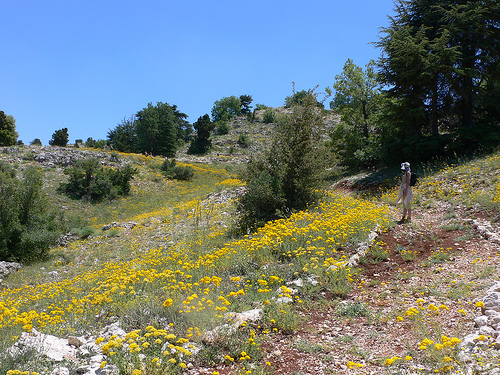
The trail in Tannourine

(source)

It seems someone, somehow, has paid attention to the rambling of many Lebanese bloggers about the coverage Beirut gets by renowned international publications. The Wall Street Journal has decided to showcase something that many Lebanese are not familiar with: a 440 km hiking trail going from Lebanon’s North to its South: the Lebanon Mountain Trail (LMT).

After the Telegraph article about Beirut and the New York Times article about Beirut’s Zaitunay Bay, this is definitely a welcome change in a direction that I believe Lebanon can be a pioneer in especially in the region: scenic tourism.

Brooke Anderson, the article’s author, says of the trail as seemingly a world away from Beirut, even though it’s only one hour away.

She describes the trail as showing different sceneries depending on the season: “colorful foliage in the autumn, snowy summits in the winter, waterfalls in the spring and a respite from the hot summers on the coast. It is home to Roman ruins, temples, mosques and churches dating back over a thousand years.”

And even though many Lebanese have not heard of it, foreigners haven’t been as clueless. She speaks of the experience of Adrain Cazalet, an Englishman, who has hiked the trail twice in different seasons and is planning a third trip this coming May and a Dutch contractor, Wim Balvert, who has hiked the trail twice as well, one of those being with his family. They were impressed the most by the Qadisha Valley. Who wouldn’t be fascinated by it, really?

The project was conceived by Lebanese expat Joseph Karam who modeled it after the Appalachian Trail in the U.S., which spans from Maine to Georgia, with donations from USAID and other private donors. The most famous part of the trail is probably the Baskinta Literary Trail, a 24 km walk across the infamous Metn town, which celebrates many famous Lebanese authors such as Baskinta’s own Mikhael Naimy.

I think this is a fascinating side of Lebanon that few get to see, especially Lebanese. Perhaps if more of us get exposed to this side of our country, some of which hasn’t been touched by concrete blocks yet, we’d be less keen about nagging all the time and perhaps relish the beauty of our nation – at least for the duration of our hike.

Thank you for the Wall Street Journal for taking a chance on non-Beirut Lebanon. Here’s hoping some contractor doesn’t wind up in some region of the Trail and lets his greed get into the way of keeping whatever remains of Lebanon’s beauty intact. And people still ask me why I’m harsh on Beirut-related international publications. Simply put, we have such jewels that few know about and you’re still talking to me about how fascinating Le Grey is?