
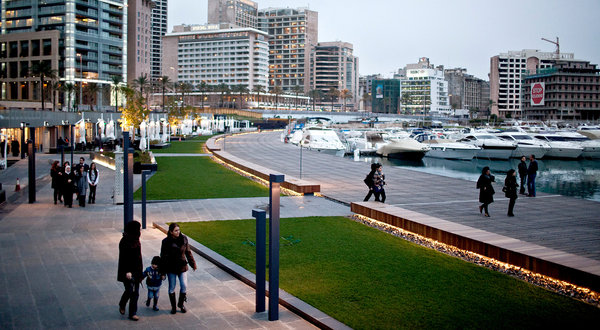
The Zaintunay Bay picture used by the NY Times
Yet another piece of Lebanon’s capital makes it to a highly acclaimed international publication. This time, Zaitunay Bay takes center stage with a feature in the coveted New York Times’ Travel section. You can read the full article here.
And if you thought previous articles by The Telegraph and New York Times and other publications about Beirut were not nauseating enough with use of words and adjectives that revolve around “Phoenix, resurrection, war-torn, etc….” this article is no different.
“It’s the phoenix of downtown Beirut coming back,” one of the owners of a restaurant in Zaitunay Bay says. Somehow almost 20 years after the end of the civil war, color me tired of using this terminology. If in 20 years Beirut isn’t back, then it might as well not plan a come back at all.
And somehow I don’t think Beirut has really returned if our pride and joy in the city when it comes to tourists extends from Gemmayze to Hamra. The “Phoenix” we are proud of has a golden beak, which is the aforementioned region. The rest of that Phoenix? I guess the best description would be: wings and body of concrete (and weak concrete at that).
My problem with Zaitunay Bay, and other similar projects around Beirut, is that they are not happening anywhere else. Having blogged before about how Beirut is not what Lebanon is all about, I feel the need to reiterate that point when articles such as this one arise. You see, of course Beirut will keep getting “resurrected” if all the capitol Lebanese and non-Lebanese investors put is in this city, in a very select area of it to be exact, while other places in Lebanon have to make their own luck, so to speak.
The fact that Zaitunay Bay is only an extension of Beirut’s DownTown is a testament to that.
In a way, I am prouder of places like Batroun that have surpassed years of Syrian presence and became one of the North’s major cities. I am proud of Jbeil, a city that is becoming a major tourist attraction solely based on what it has to naturally offer, not because of millions and millions of dollars being thrown in it.
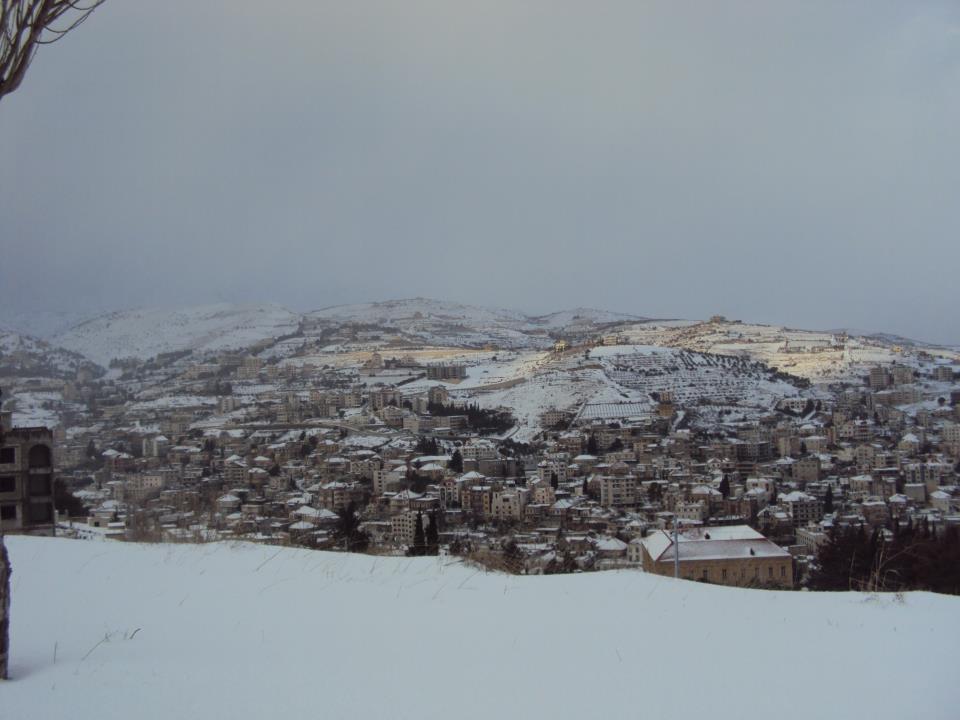
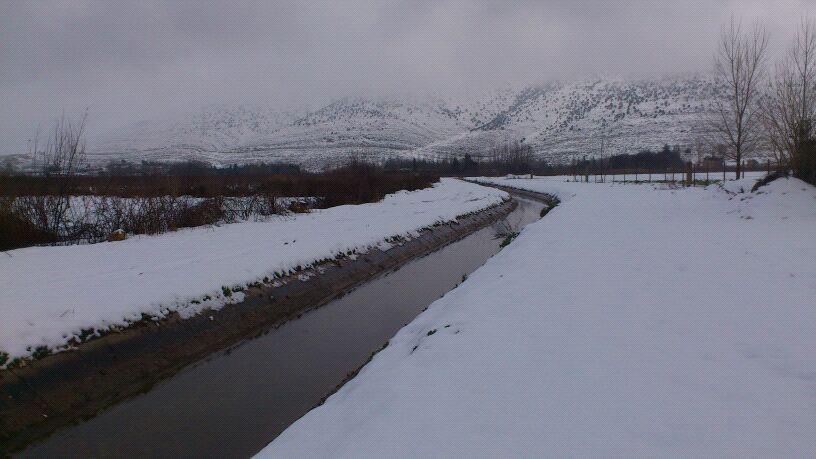
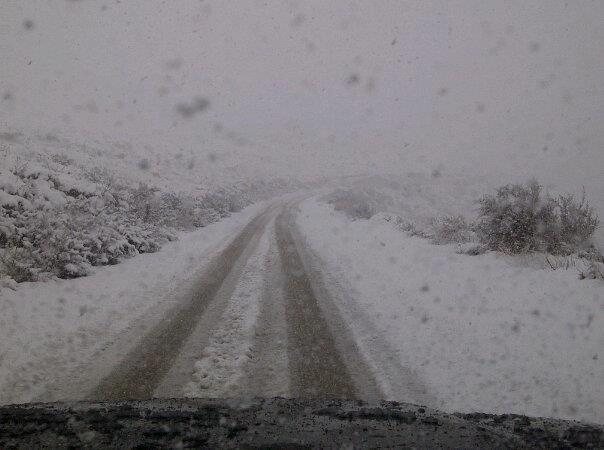
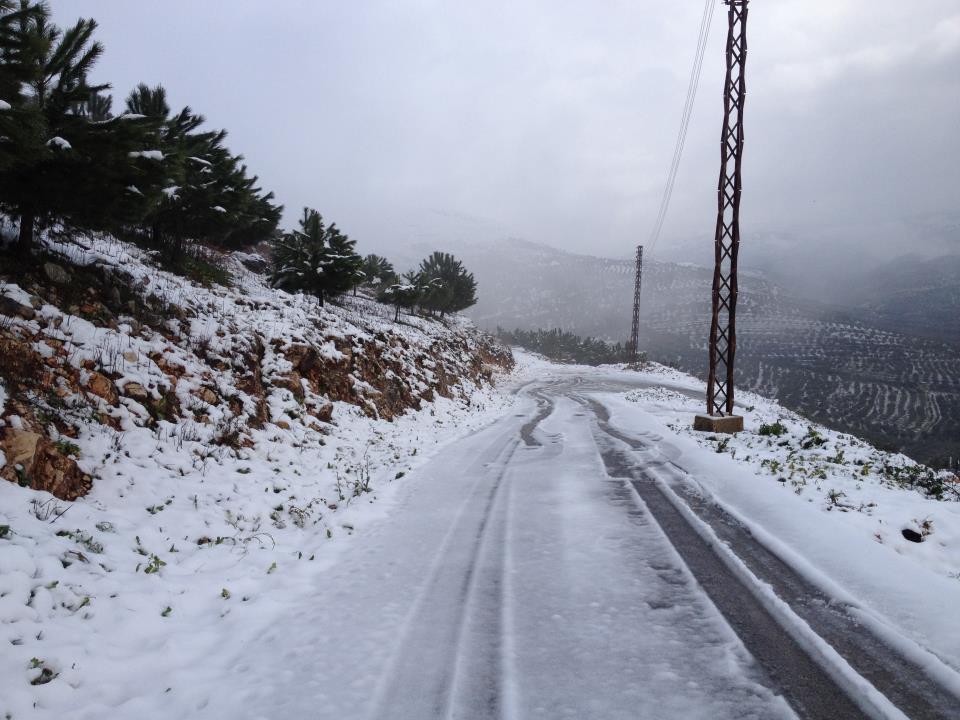
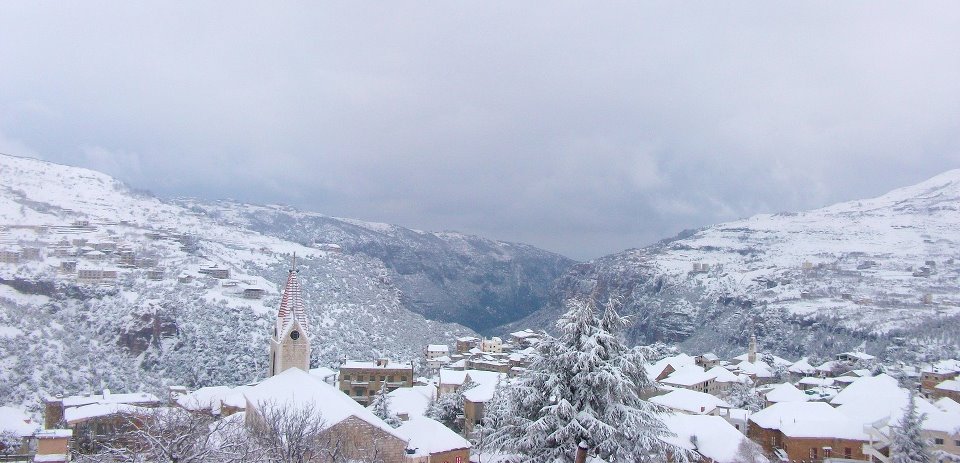
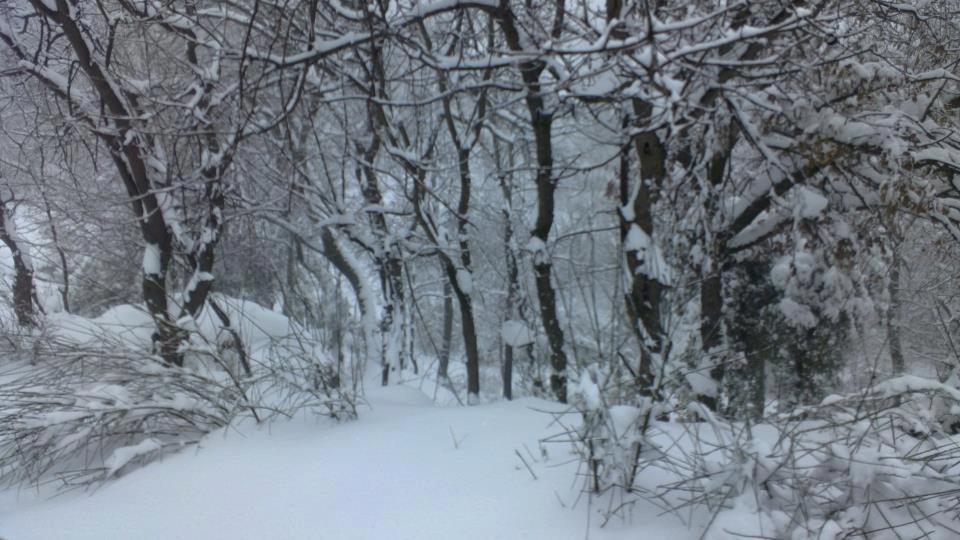
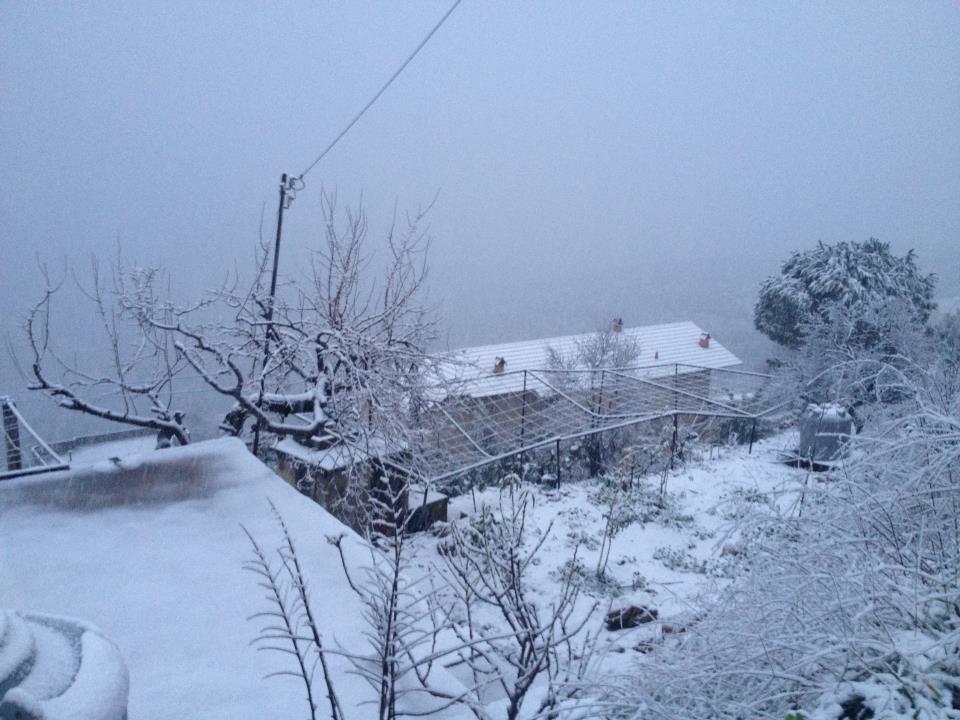
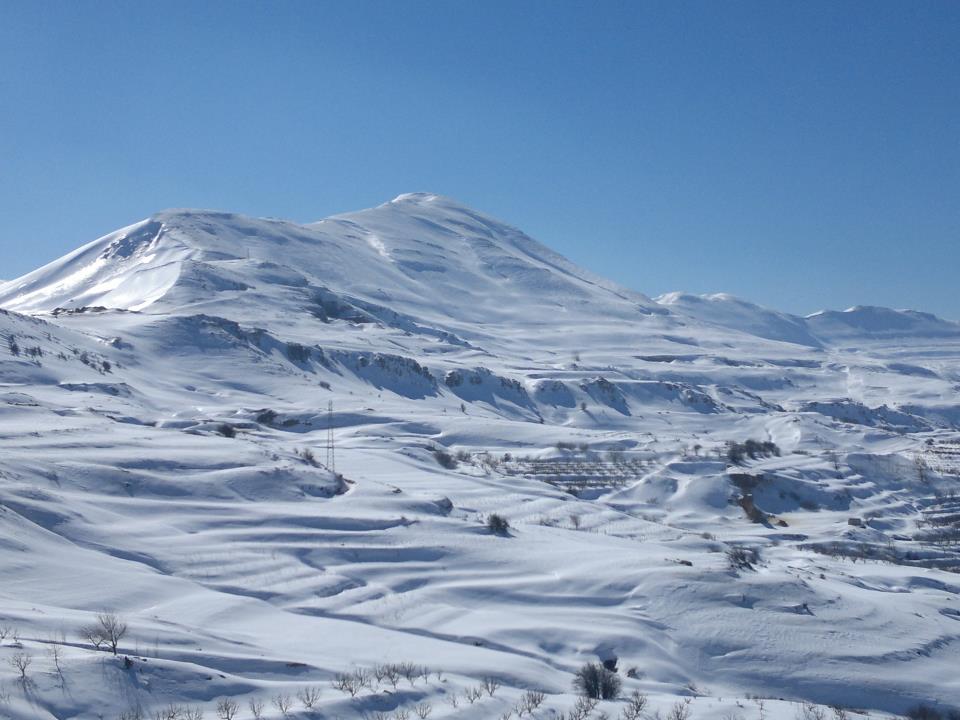
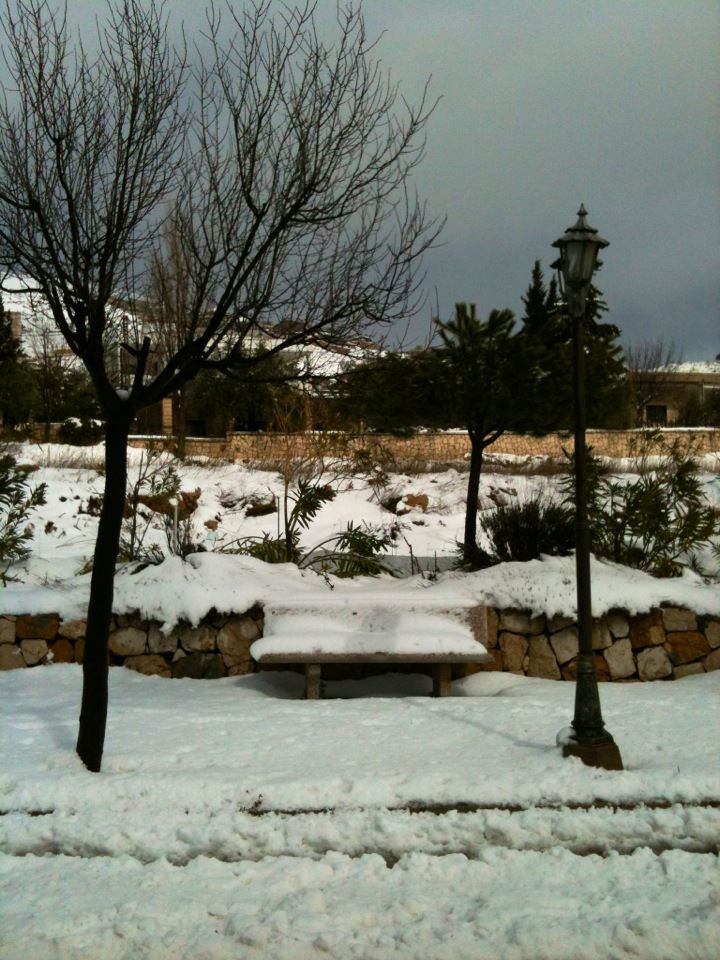
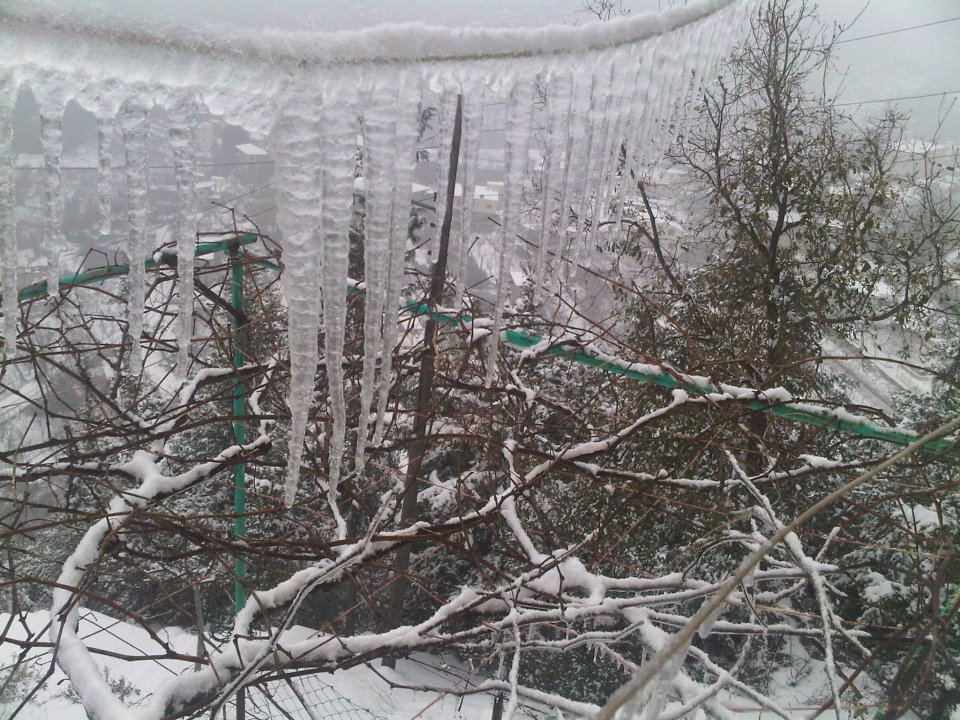
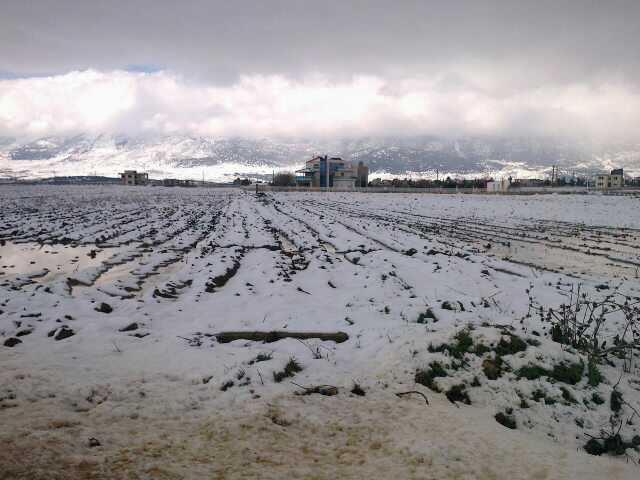
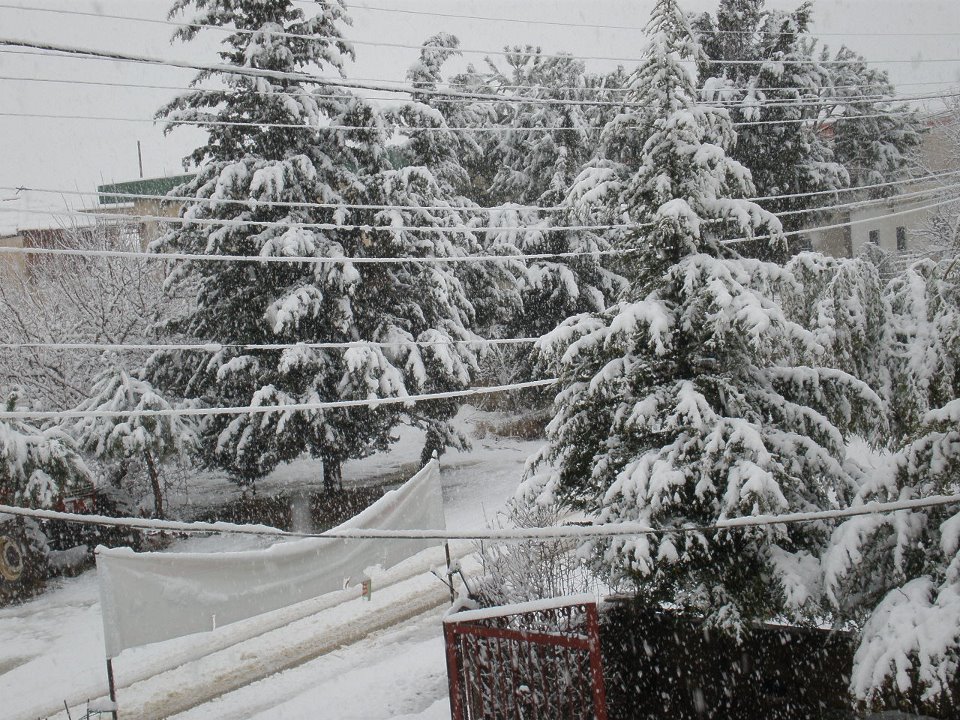
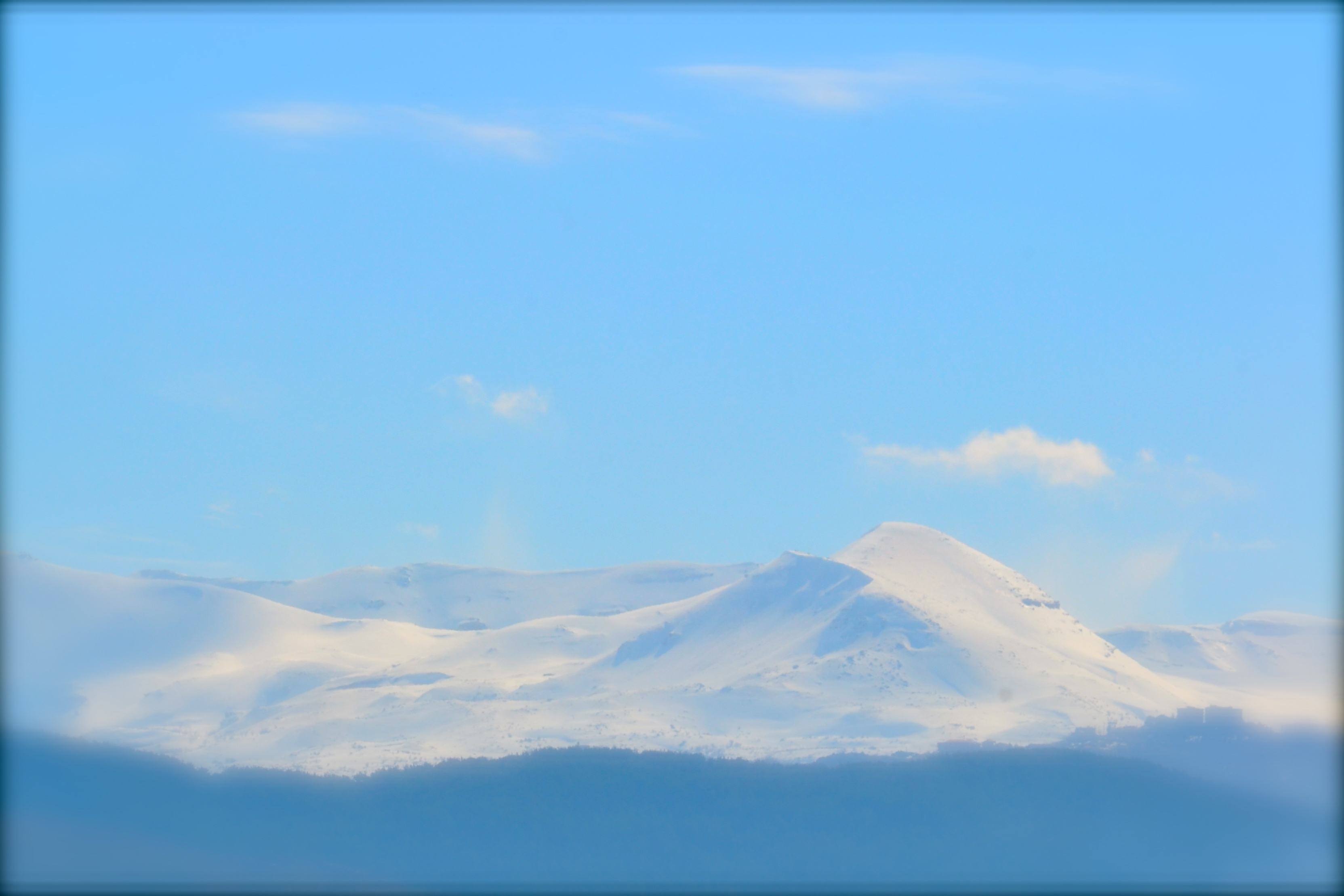
But well, have I mentioned how gorgeous the Cedars are this time of year?
And if you think I’m being too harsh, the concrete marvels of Zaitunay Bay are absolutely breathtaking in this weather, don’t you think?







 A Separate State of Mind | A Blog by Elie Fares