Mental Health: The Silenced Killer of Lebanese Youth – إلى نورهان المشاكسة

Nourhan Hammoud

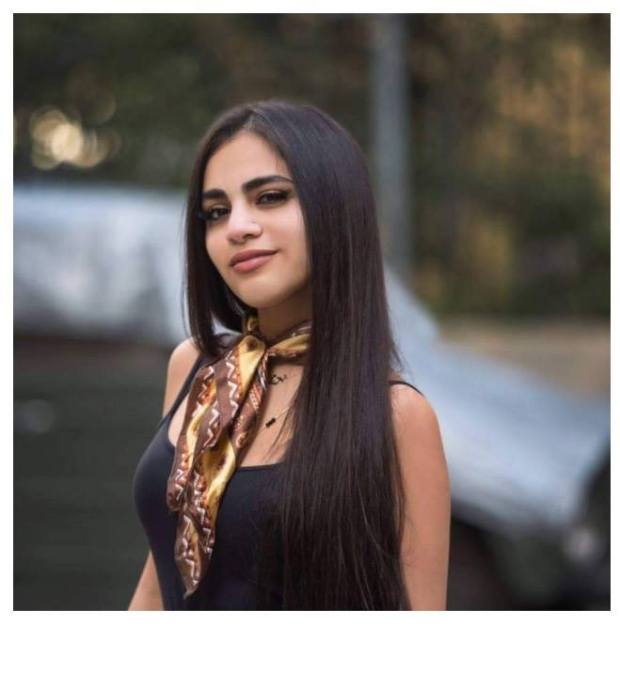
Nourhan Hammoud was Lebanese girl in her twenties, from the South, full of life, her friends had never known her to be fragile, non-smiling or weak. She dreamt of the days when she would leave this country that brought her down, but the afterthought of her mother kept her here.

On August 29th, 2016 – the weights of this world proved too much for Nourhan Hammoud and she decided that ending her own life willingly was the easiest of choices.

Nourhan was not smiling all the time. She was wearing a veneer of strength in a society that viewed her ailment – depression – as nothing more than something of which one could “snap out” of. But depression is never something one could “snap out” of. It’s the weight of a thousand boulders on your shoulders, oppressing your chest, suffocating every breath out of your lungs, as your lips turn into the shadow of a smile to let your friends be fooled into thinking you are okay.

Our ad agencies make fun of anxiety. Our society makes fun of depression. We ridicule schizophrenia. We fear bipolars. We look at these people who are ill and call them “insane,” put them in a corner, chastise them, segregate them, drive them away instead of in.

Nourhan committed suicide not out of cowardice. There are no harder decisions. She did so out of necessity, out of feeling that there was nothing in this life worth living for anymore. We’ve fostered that kind of feeling in her and inside everyone in this country who has done so, or is suffering from a mental health ailment.

We are losing our own youth to our own prejudices in more ways than one. We’ve turned “mdapras” into a joke. We’ve let those who seek help feel ashamed of doing so in the clinics they seek.

Nourhan Hammoud, may you rest in peace.

I leave you with the words of her friend Aly Sleem:

هي من ابشع اللحظات التي لا نعرف ماذا نقول فيها، فنحن لا نحبّ الوداع ونكره الرحيل ونتعلّق بالذكريات. نورهان…. لم أتخيّل يوماً بأن أسمع “خبرك”، عادة لا يموت الا الكبار في السن، لم أتعود بعد على فكرة أن المفعمات بالحياة يُخطفن وهنّ ماضيات في حياتهن، غير آبهات بأحد… أتذكّر منذ اشهر قليلة، في مزيان، قلتي لي انك توديّن السفر، ربما تفكرين بتركيّا، لكنك تخافين فراق الوالدة، وفراق شارع الحمراء وفراق الأصدقاء، لكن أنانيتك أبت إلّا  ان تتخلى عنهم جميعاً، في لحظة، دون استئذاننا، دون تحضيرنا نفسيّاً، بلا حتى رسالة على موقع تواصل اجتماعي حقير وبائس كحالتنا.

لكن مهلاً، انت لست بقويّة، انت خدعتنا جميعاً ولا زلت يا جميلة، حتى برثائنا لك نمجّد قوتك التي لطالما افتخرتي بها، وهل القوة هي بإنهاء حياتنا بأنفسنا يا متمرّدة؟ أتذكرين كم مرّة اطلقتي السباب على السياسيين والوطن؟ لماذا رحلتي دون أن تلعنيهم مرة اخيرة؟

لكن ايضاً مهلاً، كيف كان يحصل كل هذا ونحن غير مدركين؟! كيف لم ندرك ان نورهان متألمة؟ أن مشهد الضحايا في سوريا أدماها، ان الأمل المتلاشي في بيروت خنقها، ان هذا الكيان لن يُكتب له أن يصبح وطناً؟ أن “كبار العيل” في البلد سرقونا ولن يرحمونا؟

كيف يمكن لنا ان نمجّد قرارها “الحر” بالموت؟ لا، هذه الثقافة غير مقبولة، نورهان وغيرها تمنوا لو لم يأخذوا هكذا قرار، لا يمكن لهؤلاء أن يقبلوا بتهليل دموع وصريخ الأحبة… هذا جنون، كان لا بد لنا أن نضع حدّاً لمشاكسة “زهرة الجنوب الصغيرة”، كل ما كانت تحتاجه هو بضعة من الأمل والأمان… نورهان بحثت كثيراً، لم تجدهما فمضت في رحلة بحث عنهما.

وكأن بي أسمعك يا نورهان الآن تقولين: الموت يحاوطنا كما تحيط الدائره بمركزها لكننا لا نشعر به إلا عندما تضيق الدائرة وتمسّنا فى أشخاص قريبة وسرعان ما تصل الينا، دون أن ندري… تشبثوا بالأحباب لا حب فيهم فقط بل لطفاً بعذاب الأمهات والأخوات والأولاد إن نووا الرحيل…

لنحسب أن نورهان نائمة اليوم، لنحسب أنفسنا استيقظنا قبلها لنصلح كل شيء، لنعطي أملاً بأن الحياة لن تله بنا بعد اليوم وتسخر، ثم نوقظها، نوقظها لتسامحنا….
كل الحب…

An event is taking place on Saturday September 10th to raise awareness for suicide. Check it out and go for Nourhan, and every other Lebanese whose conditions we’ve made intolerable.
Lebanon Suicide

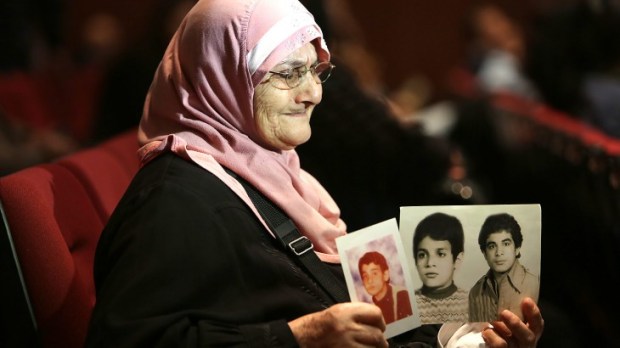
The Day I Disappeared: Remembering The Lebanese Who Have Been Missing For Decades

Photo via ICRC.

Photo via ICRC.

Yesterday, August 29th 2016, I disappeared for a day. It was part of a campaign by the International Committee of the Red Cross that I felt compelled to be part of, almost no questions asked.

It started with one simple picture, on a white background on which the hashtag – both in Arabic and English – was emblazoned: #TheDayIDisappeared or #يوم_اختفيت. I shared that picture on my various social media platforms (example) then went radio silent for the most part of the day. 

A couple of hours later, my friends and family members began to get worried. What was that image I had posted? Why wasn’t I replying to their messages? Why wasn’t I chastising that Aounist video all over social media over the past two days?

The calls started pouring in. Is there anything wrong? They’d ask. We’re worried, they’d tell me. In that moment, it’s really beautiful to feel loved. But the fact of the matter is that I wasn’t in any danger. I was just going offline for a day – something that many people do frequently – trying to erase any trace of me from how people expect your behavior to be modeled in 2016.

I was not missing or disappeared. I was pretty much around. I was accessible. I was not an entity with an unknown fate. I was sitting in my office, working, willfully pretending not to exist for a day.

This simplification of what it is to be missing is a gross understatement of the lives of thousands of Lebanese families over the past few decades.

At a time when our war is over, theirs continues. They are at war every day: at war with their beings that long for their family members about whom they’ve heard nothing for tens of years, at war with the semblance of hope that rejuvenates in their souls every single morning, at war with a government that doesn’t care, at war with a country that more than readily wants to let go.

Over the weekend, I spoke extensively with a thirty two year old man named Jalal Kobtan whose father went missing at the same age Jalal is now thirty years ago. You can read Jalal’s story in my article for Al-Jazeera at the link (here).

There are many things we take for granted when our loved ones are around, the least of which is how they shape us. Jalal, for instance, never had his father teach him how to drive, or ride a bike or even swim. He told me how longing he was when he saw all the other kids with their fathers learn all of the things he had to rely on himself to learn.

Sometimes, you don’t know how big of a rock some people are to you until they’re gone. Thousands of Lebanese families haven’t only lost their rocks, but their entire pillars. Today is the day to tell them that we are here, that we care, and that their lives are more than just a hashtag and a Facebook profile picture.

There are fewer things in life that hurt more than the pain of not knowing, which I dubbed the pain of ambiguity. This is the daily life of all those families whose loved ones went missing without a trace all those decades ago. To wake up every single day not knowing what your father or son or daughter or mother’s fate is, to realize there’s nothing you can do but pray to whichever entity is listening, to have your soul torn apart by the fact there’s just so much you can do. There’s nothing worse than this. This is life to many of these people.

In the coming years, many of the parents of the Lebanese who went missing will be no more without finding any semblance of closure. Today is the day to remember those parents, those mothers who have kept their sons’ rooms as they are all these years, those fathers who long for the day when they can hug their flesh and blood and tell them that everything will be okay, even if everything isn’t. Hemostasis, however, is not in sight.

To Lebanon’s families of missing people, today we share your pain. May it not be ambiguous anymore.

From Bikini To Burkini, Or Why Lebanon’s Tripoli Is Awesome

A picture of two veiled burkini-clad women, and another bikini-wearing on one of Tripoli’s popular beach islands is going viral today across Lebanon’s internet-sphere. The last time this many people were interested in the city was to berate it for the way it voted in an election, but that election is now long past and so has those people’s attention from this great city up North.

In that picture, the two stark opposites represent this city that I love more than anything else. So I figured, in this small space that I have, that I’d try to tell you – kind reader – of why this city whose picture you’re so eagerly sharing is worth your time.

1) Bikini versus Burkini:

Bikini:Burkini Tripoli

Picture via @Jadgghorayeb

Over the years, many Lebanese have come to associate an image with Tripoli as that of a city that is ravaged by war, where Islamists reign supreme and where seculars – or anyone who does not want to live by the Sharia for that matter – is not welcome.

The constant and progressive decimation in the city’s reputation is slowly being reversed as of late, with many flocking to its pristine beach islands, to the growing safety of its streets.

The above picture, however, is not an anomaly. It’s the culmination of years in which the city’s varying components co-existed calmly, away from politics and hateful rhetoric, and here they are in all their glory.

2) Beirut’s food prices will have a seizure:

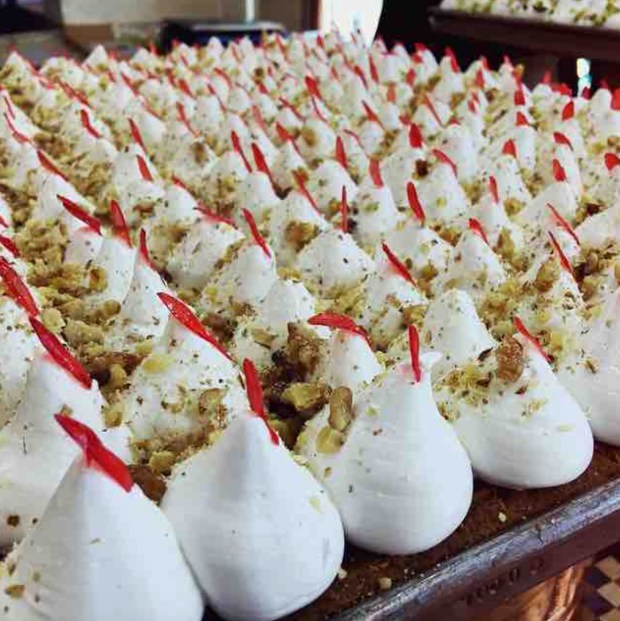
Hallab

You’ve all seen that infamous “Grand Café” picture over the past few weeks and the comparison (although inaccurate) to potential trips to Istanbul that that same bill would’ve covered. Many of you have complained about the price hike in diner chains you’ve loved for years. Now let me tell you a short story.

Yesterday, I took a group of my friends who hadn’t visited Tripoli but to do some necessary paperworks that people of the North have to do in it to one of the city’s restaurants. Their first reaction scanning the prices of that menu – one of Tripoli’s more expensive places, may I add – was to ask one question: how?

Four main courses, drinks, and appetizers later, our bill was less than half of what we would’ve paid for the same combination at any given place in our country’s capital. And the food was great.

In fact, the food is great everywhere. From the restaurants offering Lebanese to those offering mixed cuisine across the city, to the vendors selling cheese and kaak, to the many coffee places many of which I love – Ahwak for the win – to the sweets places and palaces that the city have become synonymous with, you can do no wrong.

3) Lebanon’s biggest old souk is there:


Everyone loves to go to Jbeil to see its “authentic” great souks. And while Jbeil’s old sector is awesome, it is dwarfed by what lies in Tripoli’s old city.

Not only is Tripoli’s souk one of Lebanon’s biggest, and is relatively well-kept, but it has retained a flair of authenticity with it being a melting pot of all of the city’s inhabitants, across their sociopolitical status.

The old souks are still divided based on the different services they offer, from khan el saboun to khan el dahab, to the many Ottoman-styled hammams inside them. They’re a must-visit if you’re in the city and in the mood for some meet up with Lebanese history.

4) Citadel St. Gilles is awesome:

Built by the Crusaders, Citadel St. Gilles in Tripoli’s Tebbaneh neighborhood is an extremely well-kept fortress that, because of its location, is rarely viewed as a touristic destination. But it is, and you’d be missing out by not checking it out.

It’s almost 900 years old, has been morphed over the years by the many occupiers of the city into what it is today, and the place being almost always not crowded gives you a visiting experience that view other touristic spots in Lebanon offer.

The entrance is also a simple: 5,000LL.

5) Rachid Karame Forum is spectacular:

Designed by the late Brazilian architect Oscar Niemeyer, the Rachid Karame Forum at the entrance of the city is a vast space that’s probably the most accurate representation of the wasted potential of the city.

Intended to be the hub of an economic forum as plans to turn the city into a Lebanese economic capital were underway, the place is now almost a ghost-town of modern unfinished architecture and landscape designs that will surely blow you away.

6) The Palm Islands are amazing:

Pic via The Daily Star

Pic via The Daily Star

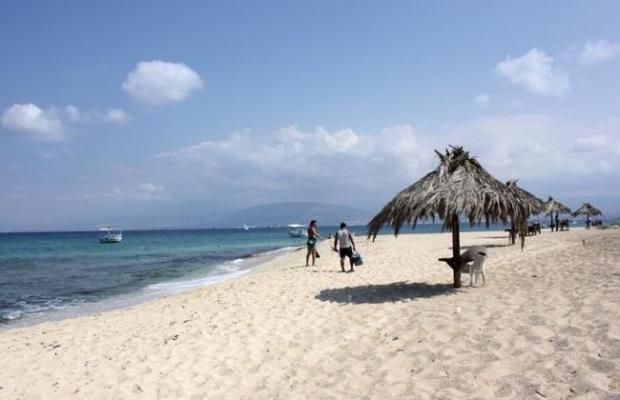
A natural reserve set forth by the Lebanese state, a section of the Palm Islands has been made available for beach-lovers to visit in order to exercise their favorite hobby. From clean sands to pristine waters, the islands are near-free to get to – unlike all the resorts in or around Beirut and its greater area.

Fun fact: the Arabic name for the Islands is rabbit islands. It is as such because during the period of the French occupation, rabbits were let loose on the island. What were two soon became hundreds, and therefore the naming occurred.

7) Timmy’s in El Mina is the pub to go to:

IMG_6535

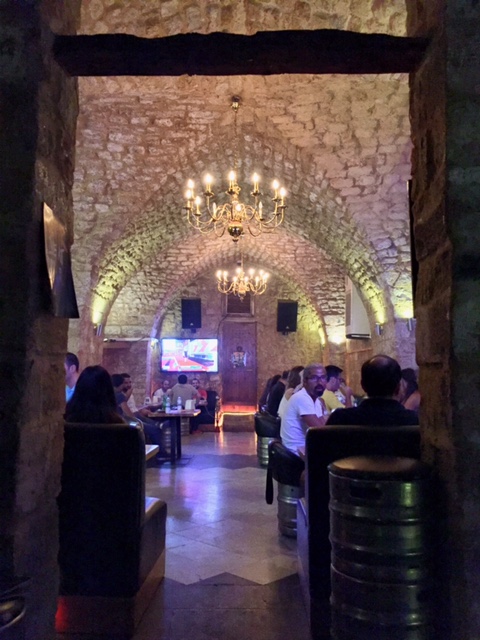
When I say alcohol, Tripoli is probably the last place you’d think of. But there’s a pub in the old neighborhood in El Mina called Timmy’s that will help you change your mind a little. It’s an old traditional sea-side Lebanese house that has been turned into a massive space for those who feel like they need to wind down after a long day or week.

From sand-stone interior, to chandeliers dangling from the ceiling, to doors manned by a camera based on which the owner decides which clientele he wants to admit or not, the only adjective that could describe the place is exclusive but approachable.

When I was there, I had a discussion with the owner about why he adopted such a policy. He said that he wants to keep the place at a high enough level to attract people to his city. And attract people he does. For the moment, most of those who flock to Timmy’s are either from Tripoli or from the neighboring areas of Zgharta or Koura or sometimes Batroun. But that could change.

8) El Mina’s corniche is one awesome walk:

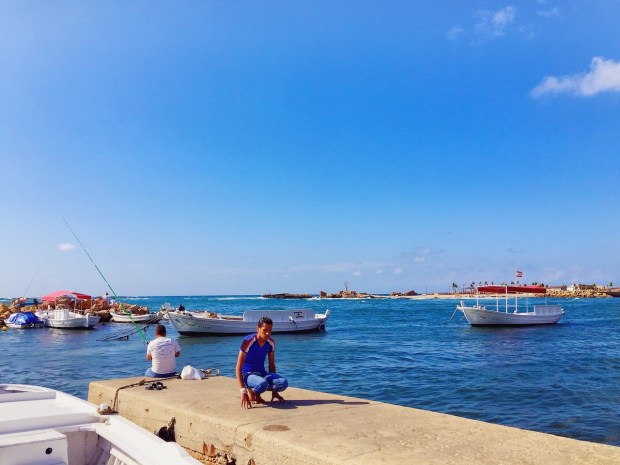
The same night when I had a few friends try out one of my favorite restaurants in Tripoli and they got shocked with how cheap and good it was, I took them on a drive around the sea corniche in Mina. Stretching for more than 3 kilometers, it is one of Lebanon’s longest and more authentic.

From vendors in small kiosks on the side, to kids flying around kites, to men praying in the heat while they fish, on that corniche you’ll see all kinds of kinds, in a city that has everything you’d see.

9) The people are the most kind-hearted you’ll find:

From close friends, to the people that would give you money for park meters when you’re out of coins, to the hefty portions you’re served anywhere you go, to the overall sense of welcome they infuse in the air of their city, the people of Tripoli are some of the most kind-hearted welcoming people you’ll meet in this country.

I’ve had the pleasure to know many of them, some of whom were like my family at a certain point, and I call myself lucky for doing so.

10) Life exists North of the Madfoun:

The Lebanese border does not end sligthly north of Jbeil. Venture out. Explore a little. Odds are you may be surprised – even if for a picture involving a bikini and a burkini. Suck on that Cannes?

When a Berri “Journalist” Covers an Anti-Berri Protest

Throughout our careers, whether advanced or just at their beginning, we are all exposed to scenarios which challenge everything that we know. How we deal with such scenarios defines whether we can actually be deemed professionals in our respective fields or not.

For instance, as a physician, I am responsible to treat every single human being, within the confines of my capacities, regardless of who that person is, what atrocities they may or may not have committed, the insults they’ve hurled at me or their overall demeanor. All of this becomes second-rate information next to the job and vocation that I’m supposed to accomplish.

Journalists and reporters have an equally important job towards people: theirs is to educate, expose, inform, and shape opinions in a way to challenge the status quo. It is not ironic, for instance, that the more American culture veers towards what is more viral and what is more eye-catching, that more people are infatuated with a creature like Donald Trump.

But I digress. Today, Nawal Berri, you have failed.

Yesterday, supporters of the YouStink movement were commemorating the one year anniversary of the protests that rocked Beirut last summer, got the government to come down on us with guns and tear gas bombs, and led to Downtown being blocked for almost a year from Lebanese.

The protests, which aimed at getting the government to tackle a growing garbage crisis which they have failed to do to this day, morphed into something bigger and ultimately beyond the capacities of such a movement leading it to succumb under its own weight, much to the pleasure of someone like Nawal Berri who sees the current status quo, where her family’s patriarch has been the head of Lebanon’s parliament for more than 24 years, as a status quo she would very much love to maintain.

So while “reporting” from the protests, Nawal Berri had slogans targeted against Nabih Berri, the patriarch and speaker of parliament in question, leading her to decide that she couldn’t cover the protests anymore saying: “Since they have no respect, I won’t be covering this anymore, and they call themselves a civil movement. Thanks.”

The chants that upset her had said: “The head of the family starved us; he robbed us; he’s a thief.”


She then proceeded to leave the camera’s frame before taking it to her Facebook page where she had the following masterpiece to provide the Lebanese population with:

“What happened is something silly. I got around 20 individuals without manners or culture berate me about “the head of my family” being a thief. So of course I decided that giving their airtime was too much for them. What is this civil movement that knows nothing about segregating journalism from personal issues.”

When one of the protestors approached her to say that the chants don’t represent the movement, her reply was: “I will bury anyone who talks about the head of my family. He is the crown on their heads.”

I’m not a reporter nor am I a journalist. But I am under the understanding, Ms. Berri, that those in the civil movement are not exactly supported to segregate journalism from personal issues. The person who is supposed to do so is you, and you’ve utterly and irrevocably failed.

Reporting from the scene of the protest, your job is not to editorialize, it is to carry over the information as it is occurring for the viewer, such as myself, to be exposed to the most information possible in order for me to formulate an opinion. It is my right not to have you censor the information that I can receive, whether positive or negative, just because you were personally offended. Your feelings have no bearing on a national issue. You are not covering your family’s newsletter, you are covering a Lebanese protest.

It is clear that Nawal Berri’s priorities are not to do her job, but to keep her feelings intact. If she’s this upset by a chant, then how am I supposed to trust her in reporting bigger, possibly more controversial issues that may arise later on in her career? Clearly we can’t, but she has the biggest of wastas so no one cares. No one else would have dared to do what she did on air. Let her check her privilege.

Was chanting against Berri in front of Nawal Berri the most mature move by the YouStink protestors? Probably not. We need to rise above her pettiness to show her that the narrow-mindedness she is exhibiting only exists in the confines of those who are too insecure to deal with it. But that doesn’t matter, because those protestors were silenced anyway, regardless of what kind of image they were portraying.

MTV, you have an obligation towards your viewers to make sure such things never happen again. Until then, provide your most sensitive reporters with the best anxiolytics around.


Lebanon At 2016 Rio Olympics: Our Athletes, The Possibility of a Gold Medal & Fighting With Israel Over A Bus

Lebanon Olympics 2016

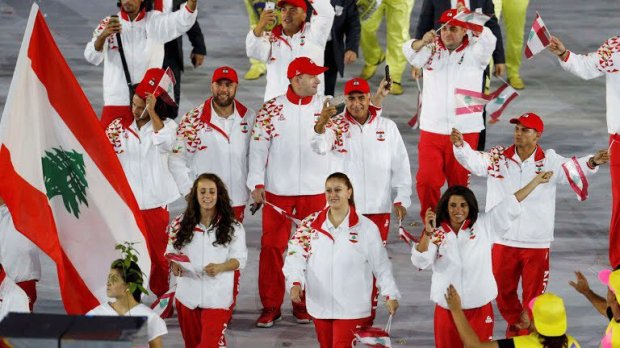
Rio’s 2016 Olympics had their big opening yesterday, or as the joke goes it was similar to an average Lebanese wedding. Critics are hailing Brazil’s celebration of its history without shying away from the bits that are usually covered up such as slavery, and thirsty people are drooling over the flag bearer of a Tonga, which is a country of 169 Polynesian islands.

As it is customary, Lebanon has a collection of athletes – nine – that are representing the country in Rio. Those athletes are:

  • Ray Bassil – Shooting,
  • Mariana Sahakian  – Table Tennis,
  • Ahmad Hazer – Athletics,
  • Chirine Njem – Athletics,
  • Anthony Barbar – Swimming,
  • Gabriella Doueihy – Swimming,
  • Elias Nassif – Judo,
  • Mona Sheaito  – Fencing,
  • Richard Mourjan – Canoe Slalom.

Chirine Njem will be the first woman to represent Lebanon in a Marathon race. Richard Mourjan will also be our first time participating in a Canoe Slalom.

Of the nine aforementioned athletes, Ray Bassil and Mona Sheaito participated in London’s 2012 Olympics.

The last time Lebanon won a medal at the Olympics goes back to 1980, at the Moscow olympics, where Hassan Bechara won a bronze for Greco-Roman wrestling.

In total, our country has a total of 4 medals to its name, two silver and two bronze, divided along the following manner:

  • 1952 (Helsinki Olympics): Zakaria Chehab (silver medal in men’s wrestling); Khalil Taha (bronze medal in men’s wrestling)
  • 1972 (Munich’s Olympics): Mohamed Traboulsi (silver medal in weightlifting),
  • 1980 (Moscow’s olympics): Hassan Bechara (bronze medal in wrestling).

The country has never had an athlete win a gold medal. I guess this is not exactly shocking given how little investment our governments put into sports in general and into nourishing the many athletic talents that our country has. Even sending athletes to the Olympics has proven, over and over again, to be “complicated” for our government. Those that went to London in 2012 reportedly had to finance a big chunk of their participation.

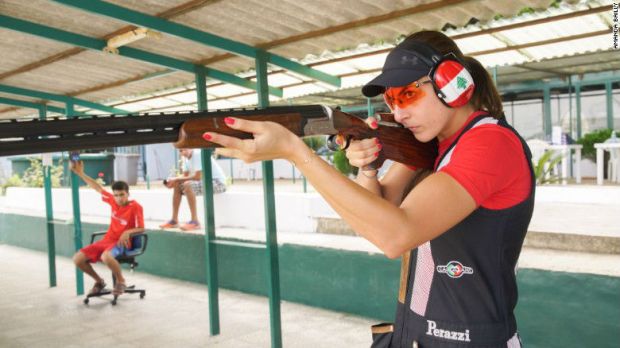
So it’s to that backdrop that it seems unbelievable that Lebanon may have its first shot at a golden medal. As reported by CNN, since her disappointing start in London back in 2012, Lebanon’s Ray Bassil has been working really hard, despite the obstacles set forth by her own country, to get better at what she does. She has since collected medal upon medal, rising to become the world’s #1 female trap shooter.

Ray will be competing on Sunday August 7th (tomorrow) at 3PM Beirut time.

Ray Bassil Olympics 2016 Rio

The schedule of Lebanon’s athletes is as follows, as sent to me by a friend:

Saturday, August 6th
* Mariana Sahakian – Table Tennis.

Sunday, August 7th:
* Ray Bassil: Shooting.
* Gabriella Doueihy: Swimming (women’s 400m freestyle).
* Richard Merjan: Canoe Slalom Men’s canoe single

Tuesday, August 9th: 
* Elias Nassif: Judo – 81 kg elimination round of 32

Wednesday, August 10th: 
* Mona Sheaito: Fencing,

Thursday, August 11th:
* Anthony Barbar: Swimming (men’s 50m freestyle).

Sunday, August 14th:
* Chirine Njem: Women’s marathon.

Tuesday, August 16th:
* Ahmad Hazer: Men’s 110m hurdle race.

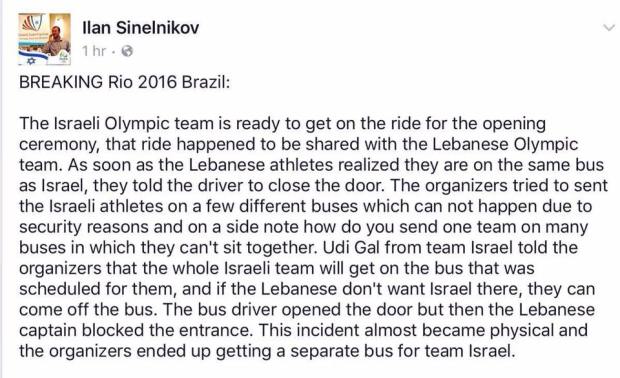
Of course, it wouldn’t be Lebanese if our participation went drama free. Lucky for us, the drama started on day zero with the Lebanese and Israeli delegations nearly fighting over being assigned the same bus to be transported to the opening ceremony.

Lebanon - Israel - Rio 2016

The Times of Israel were the first to report on the issue (link), before Lebanese media picked up on the news. Israelis were appalled – gasp – and found the precedence to be “dangerous.” Meanwhile in Lebanon, the news is receiving more comical responses.

There’s not really much to read into it, and the only entity to blame for assigning the same bus for the Lebanese and Israeli delegations is the organizing committee that figured putting two enemy countries that recently commemorated the ten year anniversary of their latest war together on the same transportation vehicle was a good idea.

The Israelis can go on and on about how being blocked by the Lebanese delegation from accessing the bus is “unsportsmanship” behavior. And we, as Lebanese, will have differing opinions about this depending on where we fall on the political spectrum. But the fact of the matter is and will always be: it’s not unsportsmanship to protest Israel’s violations of our land, our people, and the land of the people that have been forcibly made refugees in our country. The Olympic games have never been devoid of political tone, and this is just another manifestation of that.

The Lebanese athletes sharing the bus with the Israeli delegation would have also had repercussions in Lebanon, as it is illegal for us to have any sort of interaction with Israelis. Or have we forgotten the international selfie scandal?

So in summary: we have nine athletes making us proud, one of them might make Lebanese history, and we’ve already fought with Israel. Just another typical day in Lebanon.