Maronite Traditions: Visting 7 Churches on Thursday of Mysteries (Maundy/Holy Thursday)

I was always intrigued why Maronites visit 7 churches on the Thursday of Mysteries, the day preceding Good Friday. So I decided to finally get an answer and ask my hometown’s priest.

Anciently, Jerusalem only had seven churches. So it became customary for its people to visit those churches on Thursday of Mysteries. And the tradition kept going. There’s no religious reason to visit 7 churches. It’s simply a tradition that’s a byproduct of the culture present at that time – and that tradition has lived on.

So I figured, why have it stop with me?

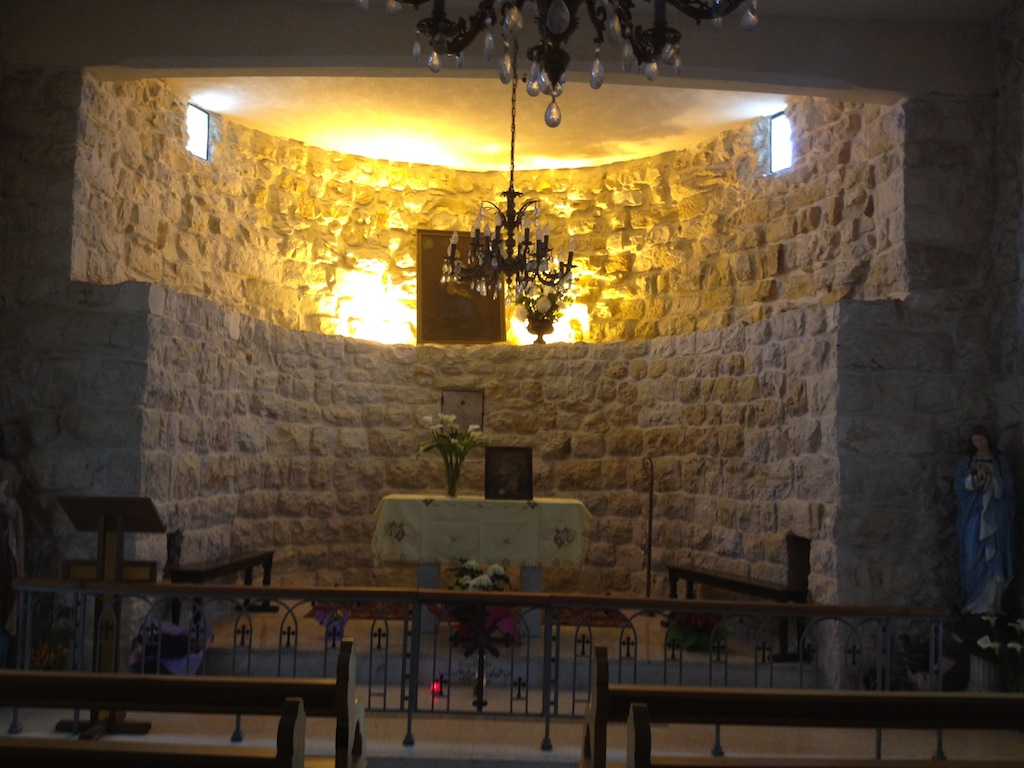
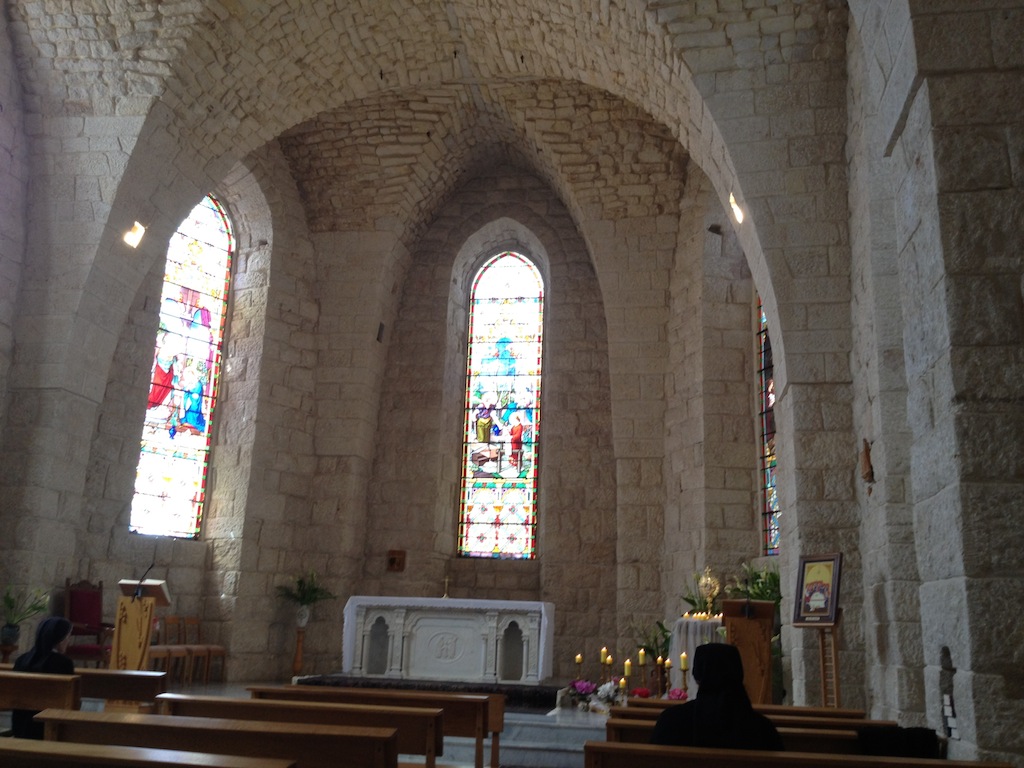
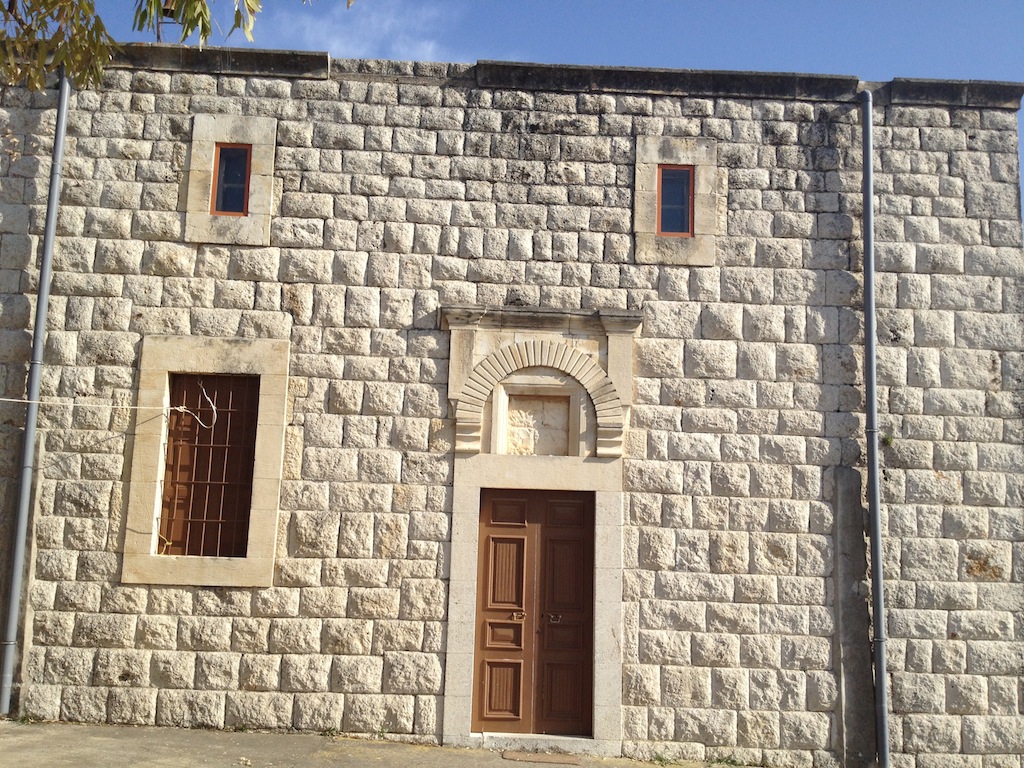
Here are the 7 churches I visited yesterday:

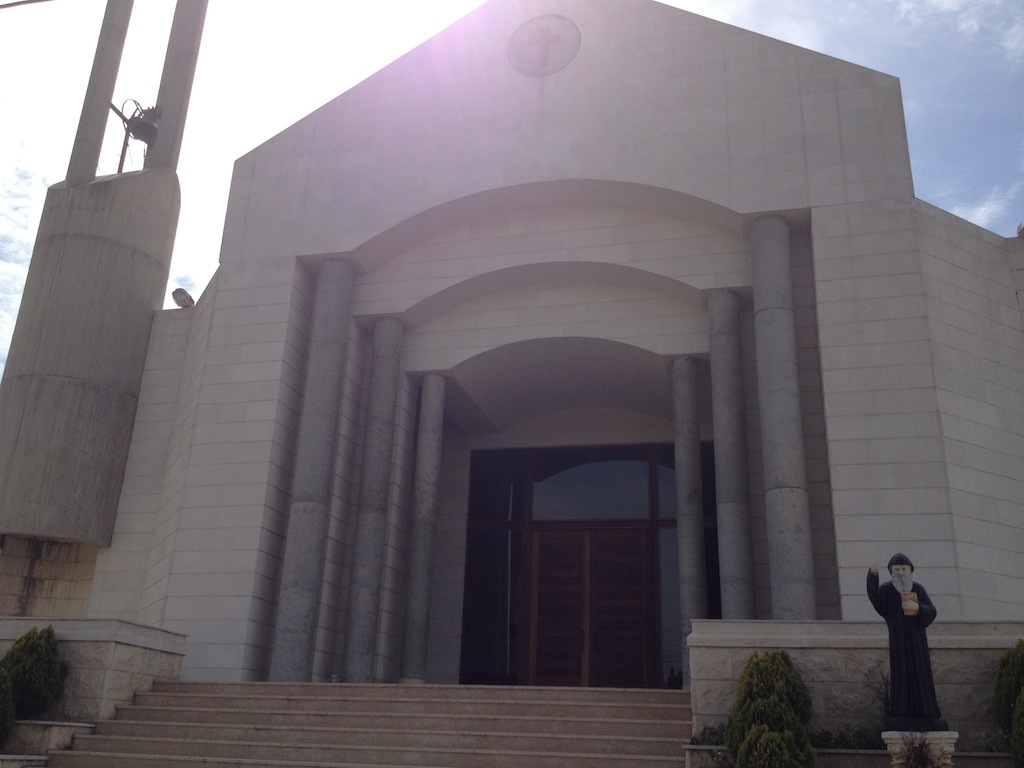
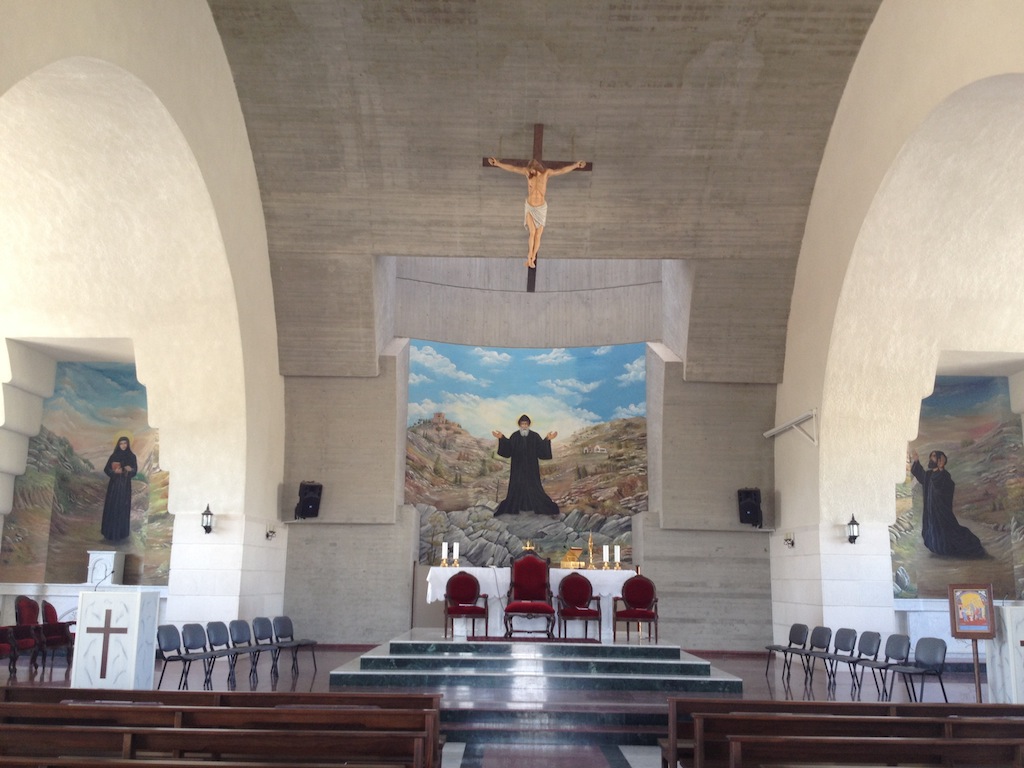
1 – St. Charbel (From whom the Maronite saint took his name) Church – Ebrine

2 – St. Charbel (Maronite Saint) Church – Ebrine

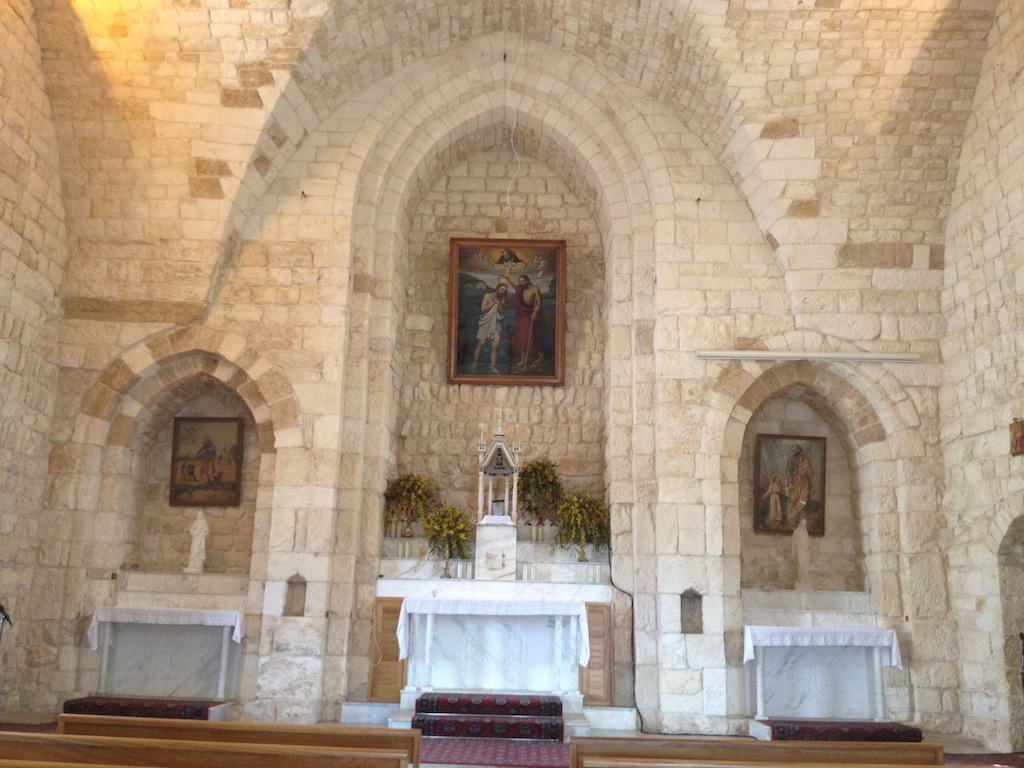
3 – St. John the Baptist Church, Ebrine:

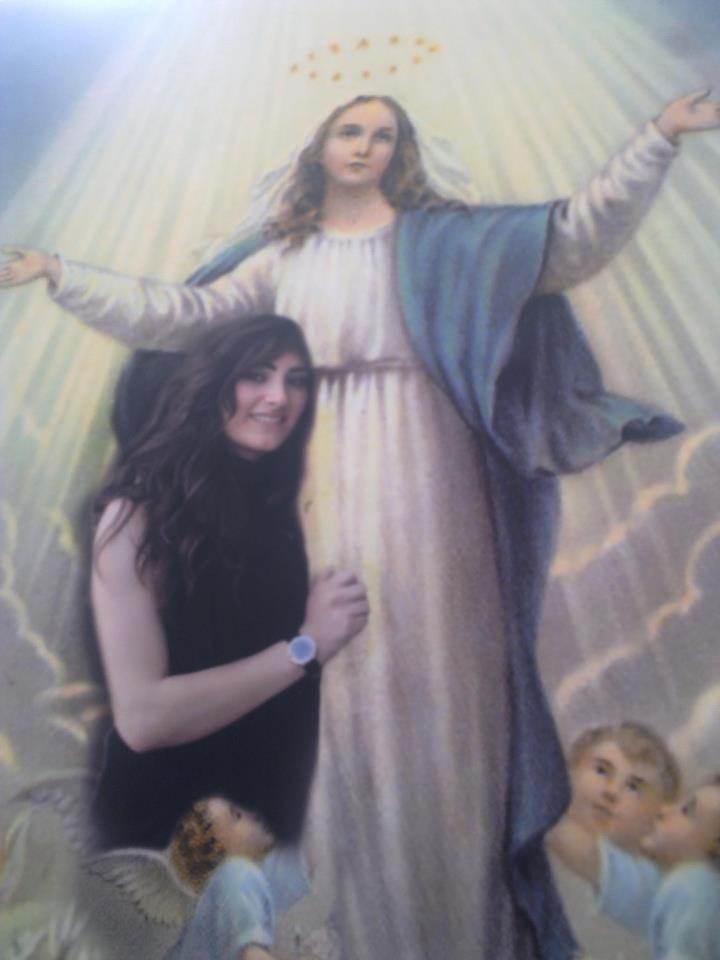
4 – The Virgin Mary’s Church – Ebrine

5 – Convent of the “Sainte Famille” Church – Ebrine

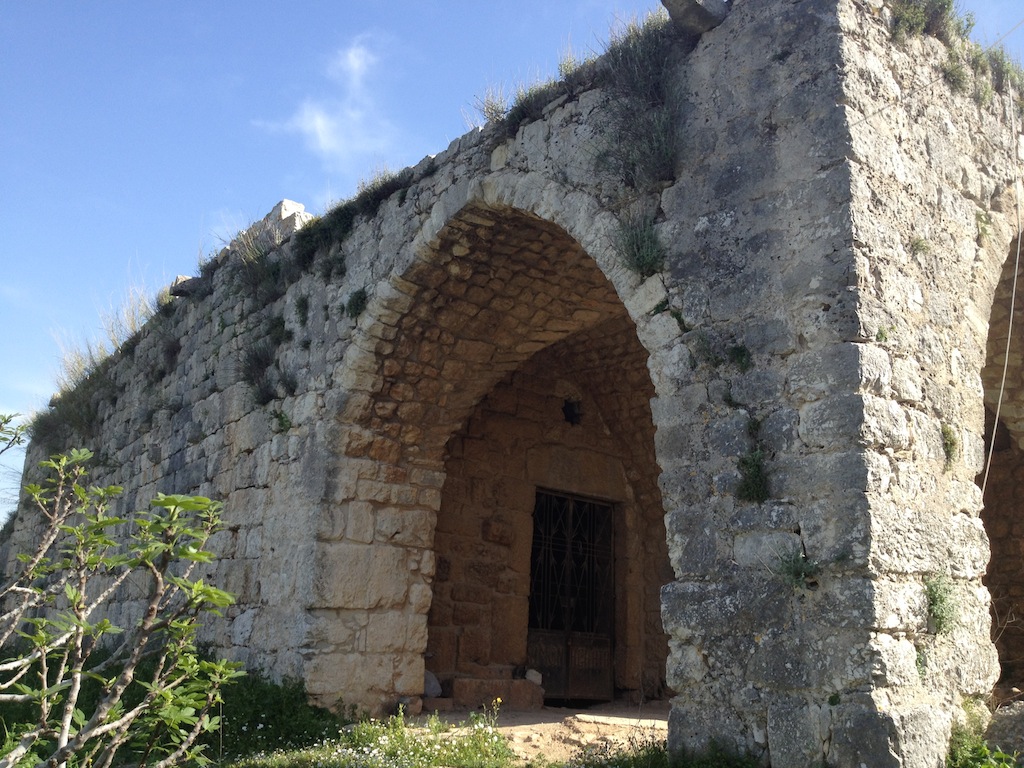
6 – St. Georges’ Church – Rashkida

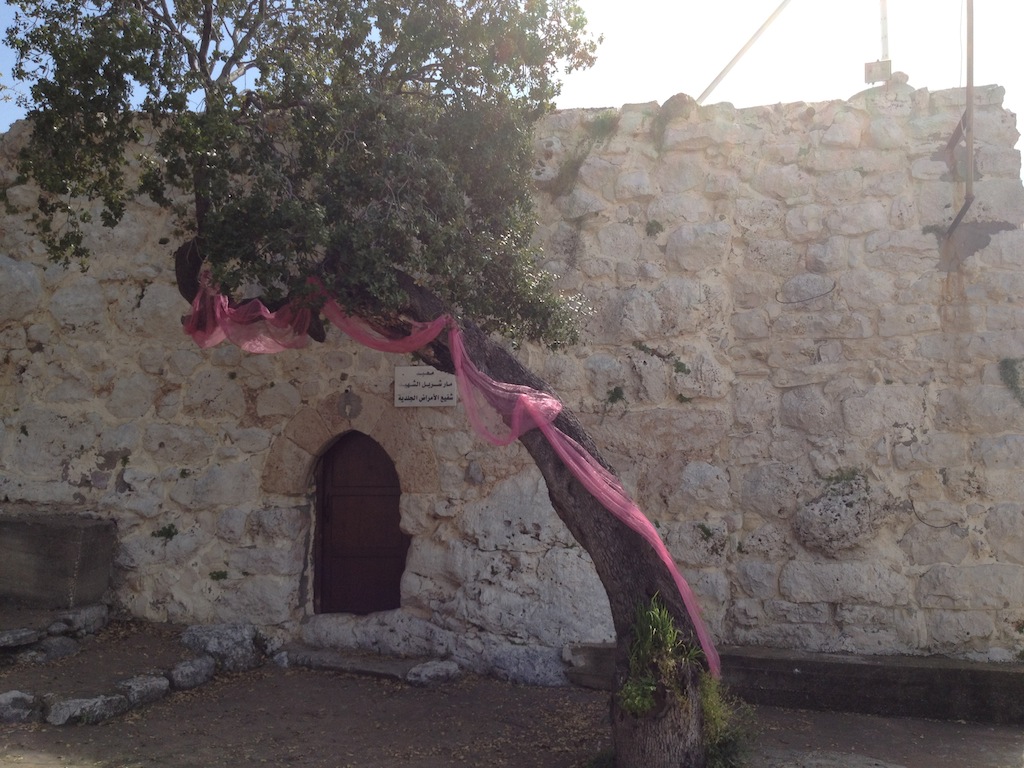
This is hundreds of years old. It’s currently being renovated by my hometown’s parish as Rashkida is not a Christian town.

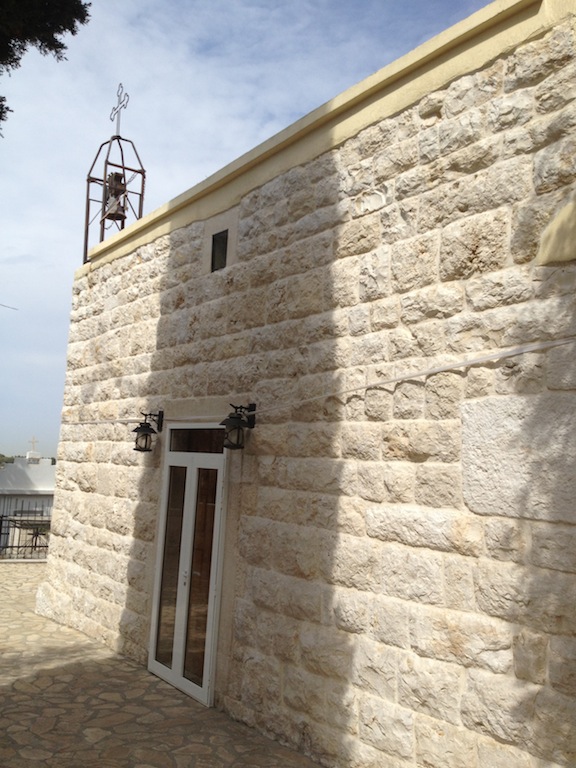
7 – St. Anthony’s Church, Ebrine

On The Maronite Patriarch, Samir Geagea & Michel Aoun

Left: Michel Aoun, center: Patriarch Raï, right: Samir Geagea

When it comes to the Maronite Patriarch, Bechara Al Raï, I feel I have to be extra careful. The line between criticizing the individual and his stances is very thin and it is one I do not want to cross because he is, first and foremost, the head of a Church I feel proud to be part of for various reasons.

The leading Maronite politicians in Lebanon have found themselves at opposite sides of the aforementioned line. Being very kind-hearted, I’ll assume the line is very blurry for proper discrimination. But don’t be fooled, there’s a very important distinction between the stances Samir Geagea took regarding the current Patriarch and those adopted by Michel Aoun towards the former one.

The year is 2005.

Michel Aoun is preparing a parliamentary bid with an almost exclusively Christian coalition of political forces. At the end of May 2005, Aoun has gotten a sizable portion of the Christian votes – 70% in some areas. The patriarch at the time, Nasrallah Sfeir, had openly endorsed Aoun for trying to bring Christians together under a political idea that was, at the time, opposite to the alliance that included Hezbollah.

The year is 2006.

Michel Aoun signed an agreement with Hezbollah as the latter slowly drifted away from the electoral alliance it had forged a few months earlier. The agreement served to create a “Christian cover” for Hezbollah’s arms. It backfired. Aoun’s popularity began to slip, whether his followers like to admit it or not. The patriarch, following the political doctrine Bkerke has always been known for, began to criticize Aoun’s drastic shift in political positions. Subsequently, Aoun began to attack the patriarch both on personal and political levels. The attacks ended in 2011 when Sfeir resigned and Bechara Al Raï took over.

The year is 2012.

Samir Geagea is being interviewed on a political talk show, Bi Mawdou3iye, on MTV. He declares that the recent pro-Syrian stances of the Maronite Patriarch do not represent the historical path Bkerke had drawn for itself. He also asserted that the position of Bkerke as a leader in Lebanese society has dramatically decreased as a result of the erroneous stances taken by the patriarch.

Moreover, commenting on recent declarations by a mufti in KSA that the Arabian peninsula should not have any church standing in the near future, he replied that the stances coming out from the Azhar are the ones to be considered as legitimate and that the xenophobic declarations of Saudi Arabia’s mufti are very similar in crude nature to what the Patriarch had said about him being afraid for the Christians of the East because of the Islamists rising around us.

The time is now.

I am faced with a torrent of people sharing certain articles about how Samir Geagea is a hypocrite in criticizing the patriarch. And it is here that I bring back the initial point I mentioned in this post: there’s a thin line between criticizing a person, which Michel Aoun flagrantly did for years, and criticizing a person’s stances, which Samir Geagea has been doing for the past year.

It is a very thin line but it exists. And you cannot compare both men with regards to how they behaved towards the Maronite Patriarch without taking that into consideration. The fact of the matter remains that when Samir Geagea’s pardon went through and he was released out of prison in July 2005, the months when Patriarch Sfeir and his party had been at odds were not marred by discordance.

The fact of the matter remains that even when Samir Geagea is in grave disagreement with the current patriarch, his critiques cannot but be considered respectful. Or need I remind people of “the patriarch must have gotten horny” comment by one of Michel Aoun’s allies, a statement which was not condemned by Aoun’s party, or when the patriarch was called senile by Michel Aoun’s close entourage, a statement that the General did not, also, condemn.

The fact of the matter remains that the patriarch, with his current stances, is not helping to elevate the position of the Church he was appointed in charge of. Many bishops have even expressed discomfort in the way he is handling things. Patriarch Raï might be taking the power his congregation vested in him for granted. You cannot simply support the regime of a man who has been killing your people for years and years and expect then not to react negatively. You cannot expect your congregation to fathom supporting one of the main reasons their role in Lebanese society has degraded this substantially and pretend as if the years of Syrian occupation had never happened.

The difference between Michel Aoun and Samir Geagea goes back to principles. One has principles, the other simply lacks them. One expected Bkerke to change the way he saw fit and was disappointed when it didn’t. The other was disappointed as Bkerke strayed from the principles it built for hundreds of years and used to cement itself as a champion for the rights of Maronites in particular and Lebanese in general.

After all, how can we forget when Aoun’s supporters stormed Bkerke in a riot years ago? And they have the audacity to criticize Geagea for speaking up.

Yet again, people tend to jump the boat of hype without looking at the underlying current. But every now and then, a slight nudge of their memories is in order.

Can we move on now?

A Few Words From an Angry Maronite

[Notice] For those who think talking about one’s sect is sectarian, this post is not for you. For everyone else, proceed with caution. 

Today, February 9th, marks the memory of the founder of the Maronite Church: St. Maroun. Most Maronites would start exhibiting pride in their heritage on (and leading up to) this day. I’m fairly certain if you look at your Facebook news feed at this very moment, you’ll find about five or six friends sharing pictures of St. Maroun.

Of course, Maronites have every right to be proud of their heritage. They have simply withstood so much in the rough mountains of Lebanon, they have fought for Lebanon like possibly no other sect has done and they have the greatest hand in the founding of the state of Lebanon. I’d give historical proof here but I don’t think that’s necessary.

Among all the Lebanese sects, the only sect that kept believing in the idea of “Lebanon” throughout the years was the Maronite sect. And for that, as a Lebanese nationalist, I am proud.

But today, as I write this, I cannot but feel angry at Maronites: church, politicians and people.

The land:

I’m angry because the people are selling our land to whoever, however, whichever and for whatever reasons. I get infuriated when I hear that most of the land in certain villages has been sold to foreigners, regardless of the sect of those foreigners. It pisses me off that nobody seems to care about this as well. We actually care more about valet parking fights and useless comedy skits than about our own land. And that is very sad. It angers me that some of our politicians are among the people selling their land, as if they needed the money. You know, the monthly payment they get for life for being voted into office isn’t enough for expenditures. I’m angry because our church keeps preaching about not selling the land but does nothing with the wide resources it has about it. I’m angry because our grasp on our country is lessening not because of outsiders but because we, as insiders, are weak and easily tempted by everything materialistic that you don’t necessarily need.

Persecution:

I’m angry that the Maronite community is panicking regarding what’s happening in the region while they have no reason to be this afraid. Cautious, perhaps. But panic? Definitely not. I’m angry that certain politicians fuel this panic to serve their agenda. It angers me that the Maronite church is not doing anything to lessen this. On the contrary, it’s preaching that we should be afraid for our heads. Why should we afraid? What worse can happen to us as a community after the fragmentation we had to endure for over fifteen years because of the Syrians and because of our internal differences? What could be worse than to be constantly afraid because of something that is not threatening you directly? What could be more debilitating that to constantly live in fear?

Let me answer that for you. Nothing. And yet we live in fear. We are constantly worried that our thirty parliament seats will be taken away from us, that the president will no longer, someday, be forced by law to be a Maronite, that our homes will be ripped off from under our feet and that we’ll be shipped off to Canada or some other Western country that would accept us.

Politics is cyclical. Maronites had their reign, the Sunnis had their reign, the Shiites are having their reign. And the cycle will turn, however vicious it may be. I’m angry that we didn’t learn from our mistakes when we were in power and we will probably repeat them when we find power again.

The Politics:

I’m angry that our politicians cannot agree on anything regarding our community, regardless of who they are. We vote for them, we put our trust in them and yet nothing happens. And then we vote for the same people again because the alternative makes us rightfully cringe, regardless of where you fall on the cringing spectrum. We cannot agree on an electoral law that would serve our best interests. We cannot agree on managerial appointments that we are “entitled” to in order to run the country. We cannot agree about a grand scheme that we believe the country should be heading to. What we can agree upon is that each politician is living in the delusion of being the representative of Maronites when, at the end of the day, we are as fragmented, as divided, as weak and as paranoid as we’ve always been and we can also agree that the state of our politics is disheartening, miserable and dishonest.

The Grandeur:

I’m angry that we, as Maronites, have a false sense of grandeur about us – of the sort “Alla khala2na w kasar l aleb.” Modesty goes out the window when we’re discussing our sect, even without practicing it. Who, among you, actually goes to church every Sunday? Not many, I suppose, including me. Who, among you, actually knows something more about St. Maroun apart from the fact that we get a day off on February 9th because of him? Not many, I suppose, including me (unless what I read on Wikipedia can be considered valid). Who feels proud that they are Maronite just because of the “perks” it entitles you? Many people, I suppose. Who feels proud to be a Maronite just because it makes you not “them”? Many people, I’m sure. Who feels proud to be a Maronite just because…? Many people as well.

I guess I have many reasons to be angry, as a Maronite, as a Lebanese, as a resident of a certain caza, of a certain town. I am a Lebanese angry about many things in my country, especially Maronites because we keep messing things up. And the worst part is? We take pride in messing things up.

Yen3ad 3leikon jami3an w 3a2bel kell sene.

PS: I made this post not detailed on purpose, so an element of vagueness remains to it; thus, making it applicable to everyone, regardless of political affiliation.

Dear Patriarch Raï, Enough… from a Lebanese Maronite.

I won’t lie and tell you I wasn’t happy when Beshara Al Raï was elected as the successor Maronite Patriarch to Nasrallah Sfeir, a man I believe is truly one of the greatest Lebanon has ever had.

Nasrallah Sfeir was berated, ridiculed, attacked, mocked and bashed for having very staunch views regarding the political situation of the region, his congregation and country. He never wavered. He was never afraid of speaking his mind, regardless of the repercussions. With Nasrallah Sfeir, I, as a Maronite, was proud of my Church. I was proud of the liberty walk the Maronite Church was pioneering across Lebanon.

It was the Maronite Church that called for Syrian troops withdrawal in 2000. It was the Maronite Church that was the staunchest anti-Syrian entity in the country when every single politician inside Lebanon was busy playing house with Bashar Assad’s men. It was the Maronite Church that ignited the first spark for the Cedar Revolution in 2005. And it was all because of one man: Nasrallah Sfeir.

Many Aounists do not like Sfeir. They’re the ones who ridicule, attack, mock and berate him, calling him senile, demented, etc…. And one of the main reasons I cannot take Aounists seriously is because when Sfeir supported their electoral campaign in 2005, whilst their leader Michel Aoun had not gone the deep bend yet, they loved Sfeir. He was one of the main reasons they got high number of votes in crucial Christian areas. But when Michel Aoun changed his views and started making love to Hezbollah, Sfeir remained firm. Aounists flipped with their leader and Sfeir became their focus of hatred. Excuse me for not taking you seriously.

But I digress. This is not a post to speak about the qualities of Nasrallah Sfeir. This is a post to talk about the shortcomings of his successor: Beshara Al Raï.

This will not be a post of me bashing the Maronite Patriarch. I try not to be a hypocrite and as such, I will try to avoid falling to hypocrisy over here. I hated when the Aounists cursed Sfeir and I’d hate myself for cursing Raï.

But Mr. Raï, you really need to be careful about what you say.

First, you support the oppressive regime in Syria, a regime that you personally fought against while it was ruling you in Lebanon. You adopted the mentality that many Christians in Lebanon and the region have: protection comes through an alliance of minorities. Well, I think this is simply cowardly. Have you forgotten Mr. Raï what that Syrian regime did in Lebanon in the years that it ruled the country? In case you forgot, here’s an extensive reminder. Have you forgotten the people that lost their lives at the hand of that regime? Have you forgotten the Maronite priests who were murdered or kidnapped by that regime? How can you fathom asking your congregation to accept allying themselves with the killer who tore at their souls for over fifteen years? Being afraid is not the solution Mr. Raï. Assuming responsibility, fighting for human rights and democracy is. 

Second, you support Hezbollah’s arms. I understand your motto for your patriarchal campaign was “love and partnership.” The notion of partnership, Mr. Raï, invokes equality. And there’s no way that an armed militia, terrorizing those that do not support it, is in a partnership with the rest of the country. And there’s no way supporting its arms and giving it extra Christian-support can be a sign of seeking partnership. It’s also hard for me to believe someone like you, who actively championed against these weapons before you became patriarch, can so easily change his mind. It’s not a switch of a button Mr. Patriarch.

Third, calling for love and partnership does not warrant you asking Christian convents and churches not to hire any non-Christian foreign workers, soon after the murder of Myriam Achkar. Her murder, Mr. Raï, was not sectarian. It was a sick, twisted man killing an innocent woman. If your message had been for churches and convents not to hire any foreign workers, it would have been greatly more understandable. Even if you had asked them to hire only Christian Lebanese, it would have been somewhat understandable. But not at the moment. Sometimes saying things just because the situation is still boiling, just to score a few points, is not the best strategy for someone in your position. As the head of the Maronite Church, your job at times like these is to get people to cool down, not fuel their hatred. Perhaps in a month or two you could have issued a private decree to Maronite convents with this particular order. Just not today. Besides, what’s the fault of the many Lebanese Muslim families already employed at convents and churches? Is their fault someone they share a sect with turned out to be a raging psychopath? Why are they the ones who have to assume responsibility for something they didn’t do?

I’m pretty sure Mr. Raï that if the tables had been turned and a Maronite had killed someone named Fatme Achkar and the Shiite/Sunni clergy asked their mosques to fear Christians the way you are asking now, you would have been throwing a fit.

Ever since you became patriarch, Mr Raï, the amount of paranoia and fear among Maronites has been exponentially increasing. It’s not us against our fellow countrymen. It’s all of us together against the foreign entities that want to mess with our country. It’s not Maronite VS Sunnis, it’s not Maronite VS Shiites. It’s Maronites and Shiites and Sunnis together to build a country. I understand the fear of having land owned by Christian be spread around. Perhaps asking Christians not to sell their land now is understandable – at least until this tricky phase the region is going through subsides. But in a country where economical woes are spreading, why don’t you help these Christians keep their land, Mr. Raï? Doesn’t the Maronite church have enough money? Can’t it hire those Lebanese in need to work in the many, many, many hectares it owns?

I’m proud of my heritage as a Lebanese Maronite and the sacrifices my Church has gone through over the years to build the country I live in. It saddens me, however, to see the person representing my church go to this extent against the natural current that has helped build this church. It saddens me to see the Maronite Church losing its sense of nationalism and its sense of patriotism.

Some might say it’s not my place to write this. At the end of the day, I did not vote for Mr. Raï nor could I have voted for him. So unlike a politician whom you can hold accountable, the Maronite Patriarch is someone out of your reach somehow because his time as patriarch only ends with him resigning or passing away. I do not wish any of those on Mr. Raï. What I hope to accomplish is perhaps, by having a voice of his congregation voice concern, I wouldn’t seem like an “outsider” intruding. It would be like a group within a big family debating. And when the faults the patriarch is committing are all across the news, a harmless blog post doesn’t seem such a disgrace, I guess. At the end of the day, I feel obliged as a Maronite to express my concerns about anyone who says they represent me, whether they truly do or not.

Christmas is coming up soon. Perhaps Mr. Raï you should consider this time of prayer to look at all that you’ve done in your first few months in the patriarchal office. Hopefully your gift to us will be a back to basis.

Myriam Achkar’s Murder: What It is, What It Isn’t And The Need for Foreign Workers Regulation in Lebanon

R.I.P Myriam

Myriam Achkar’s murder earlier this week was truly a horrific crime, the tragedy of which can only be grasped by her family and those who knew her. Earlier in the week, she was a regular 27 year old woman, going about her life normally. She prayed, she partied, she lived her life abundantly.

And then her life was taken away from her by a racist psychopath who happened to be working at the Convent she went to pray at. Very few people can understand losing someone so young so suddenly. But perhaps I can shed a light on that. After losing my uncle to a murder as horrific as this back in 1999, I’ve seen how hard it is for your family to come to grasp with the reality of their loved ones finding this horrible untimely ending, for them to see their body maimed and mutilated almost beyond recognition. Sometimes with death, you find closure in seeing a person’s body be serene and somehow smiling as they pass on. But to know that your daughter’s body has been violated and that her death was not peaceful is something that will haunt Myriam Achkar’s mother and family until the day they join her. And at the end of the day, no condolences can ever be enough.

No, this is not a post to only mourn a person we didn’t know. This is a post by a Christian, who was at times called an angry Christian blogger, to say that Myriam Achkar’s murder was not an act by an anti-Christian Syrian against a Lebanese Christian. Myriam was not killed because she was carrying a rosary and a bible and going to pray. She was murdered because she happened to be at the wrong place at the wrong time, falling to the hands of a sick predator.

I’ve seen Lebanese media go on and on again about how Myriam Achkar is a new martyr on the altars of Christianity. And while the idea does seem pleasing for many, it will only spring up hate and more sectarian divisions in the lines of a country that has as fragile a unity as it can be. Myriam’s death was that of a woman who fell to the pangs of a rapist. Our media tends to overblow things out of proportion by looking at the background baggage that everyone has.

Don’t get me wrong, I’m not trying to lessen her murder. If there’s anything we can take out of this death, it’s not that of a Christian martyr, it’s that of a girl whose life must be a lesson to everyone that our borders, our regulations, our laws cannot be as “open” as they are.

First, why is it that this particular convent in Sahel Alma chose to hire a Syrian to be its keeper of the grounds. Couldn’t they have found a needy Lebanese family that would have gladly taken the job? To say that many Lebanese find it beneath them is, based on many observations, a myth. I’m from small-town Lebanon. I’ve seen small-town Lebanon and it is not as high-class as people think all of the Lebanese are. There are Lebanese women who want to work in houses to clean. There are Lebanese men whom you can hire to work in your land. The difference between those Lebanese and the Syrians? We tend to overlook the Lebanese because they are ask for more expensive fees and because the Syrians are more numerous. But should a Maronite convent even care about finances? I, as a Maronite, would be appalled by my Church if it didn’t help out needy Lebanese families, at the very least, to get a job. Couldn’t they have found someone in the neighboring villages of Keserwein to work as the janitor in the Monastery?

Second, why is it that Syrian workers can come to the country as they please, do what they please and then leave? Why is it that many working visas are rejected for so many applicants from so many different countries and yet Syrians can come to Lebanon, unchecked and start working? Why is it that many foreign friends of mine have to struggle to get their work papers in order while Syrians have to do nothing while Lebanese workers who go to Syria have to go through as much red tape as other foreign workers?

Third, why is it that parts of our government are more readily willing to kill off CIA members than to seek out Syrian intelligence filth that are spread all around our nation, causing us more harm by killing our women and men that the CIA has ever caused?
Why is it that the value of Lebanese youth’s life is so lessend by certain political parties in Lebanon that they’d rather smuggle the Syrian who killed Myriam out of Lebanon than to get him to face his crime?

I do not approve of what the people in Ketermaya did to the Egyptian who killed off a whole family last year, by killing him in front of the whole town to see. I do not approve of civilians taking justice in their own hands, as many are asking regarding Myriam Achkar’s murder. But it’s so hard not to ask for that and say they do have a point when the Syrian Intelligence killer was attempted to be smuggled out of the country. It is very difficult to think that this murderer will get preferential treatment, that the life of Myriam Achkar is useless, that her murderer will never face justice – just because you have people INSIDE Lebanon who care more about the feelings of Bashar Assad’s men than about the lives of their fellow countrymen.

Myriam Achkar is a martyr for Lebanon. She is not just a martyr for women around the region. She is a martyr for every Lebanese and a cautionary tale that we really need to stop giving preferential treatment for certain nationalities just because we are neighboring countries while nationals of that country have caused us so much harm. No, it’s not racism. I’m not calling to ban all foreign workers from coming to the country and taking them out of their houses like the municipalities of Burj Hammoud did. I’m calling for limitations, for reservations and for regulations.

Until then, rest in peace Myriam Achkar. That is all we can say to her. As for everyone else, hopefully some new dawn for Lebanon will be one where the struggles of everyone are seen equally.