Top 13 Movies To Be Excited About in 2012

Since 2012 is a few days away, I figured I’d make a small list featuring 13 movies that will be released in 2012, which I am personally excited about. So without further ado, let us begin:

13 – Titanic – 3D
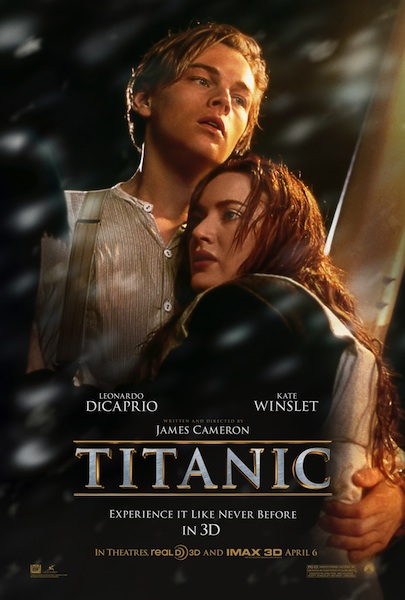
This movie is on my list simply because of the magnitude of its initial version. Like it or not, think it’s been turned into a useless cliche or not, it was until very recently the biggest movie in history.

12 – Men In Black III

Because the first two are fun. Hopefully the third one won’t put a damper on the whole franchise.

11 – Snow White and the Huntsman

This movie is on my list simply because Charlize Theron looks (and sounds) absolutely chilling in it. “Hair black as night, lips red as blood. Give me your heart my dear, dear Snow White.” Also, the TV show Once Upon A Time has boosted my Snow White interest as well.

10 – The Avengers
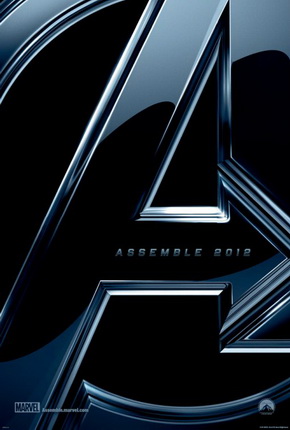
Most superhero movies we watched were a preparation for this. We liked some and hated others. This, however, should be brainless good fun.

9 – The Master

Amy Adams joins Philip Seymour Hoffman in a 1950s-set drama about a cult leader. What more can you ask for? I’ve decided to include this movie even when there’s neither a poster nor a trailer available to it, mostly based on the caliber of its cast, coupled with the intrigue in its story.

8 – The Amazing Spider-Man
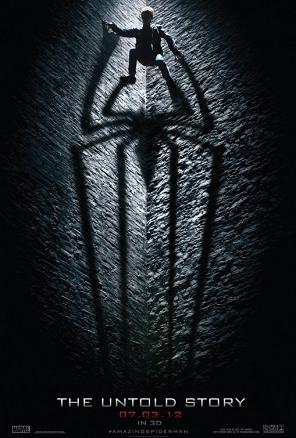
A reboot of the franchise. I hated the third movie but hopefully this will be a much needed return to basics.

7 – Prometheus
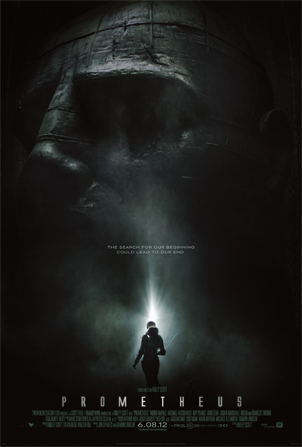
Gladiator Ridley Scott’s newest movie. I am a big fan of Scott with his movie screen and TV screen work (The Good Wife for instance). So this movie is definitely on my list.

6 – Skyfall

The new James Bond movie. I personally loved Casino Royal and hated Quantum of Solace. So third time will be the charm for Daniel Craig’s bond.

5 – Les Miserables

We’ve all read the book. We’ve also watched the Liam Neeson version many times when we were younger. But there’s a new version coming to theaters and Victor Hugo’s masterpiece will hopefully be more than well represented. Again, this movie has no trailer nor a poster.

4 – Kill Bin Laden

I hated Kathryn Bigelow’s last movie The Hurt Locker. But this movie, about the operation leading up the assassination of Bin Laden from a Navy Seal’s perspective, looks more interesting and promising. No poster and no trailer available for this as well.

3 – The Hobbit: An Unexpected Journey
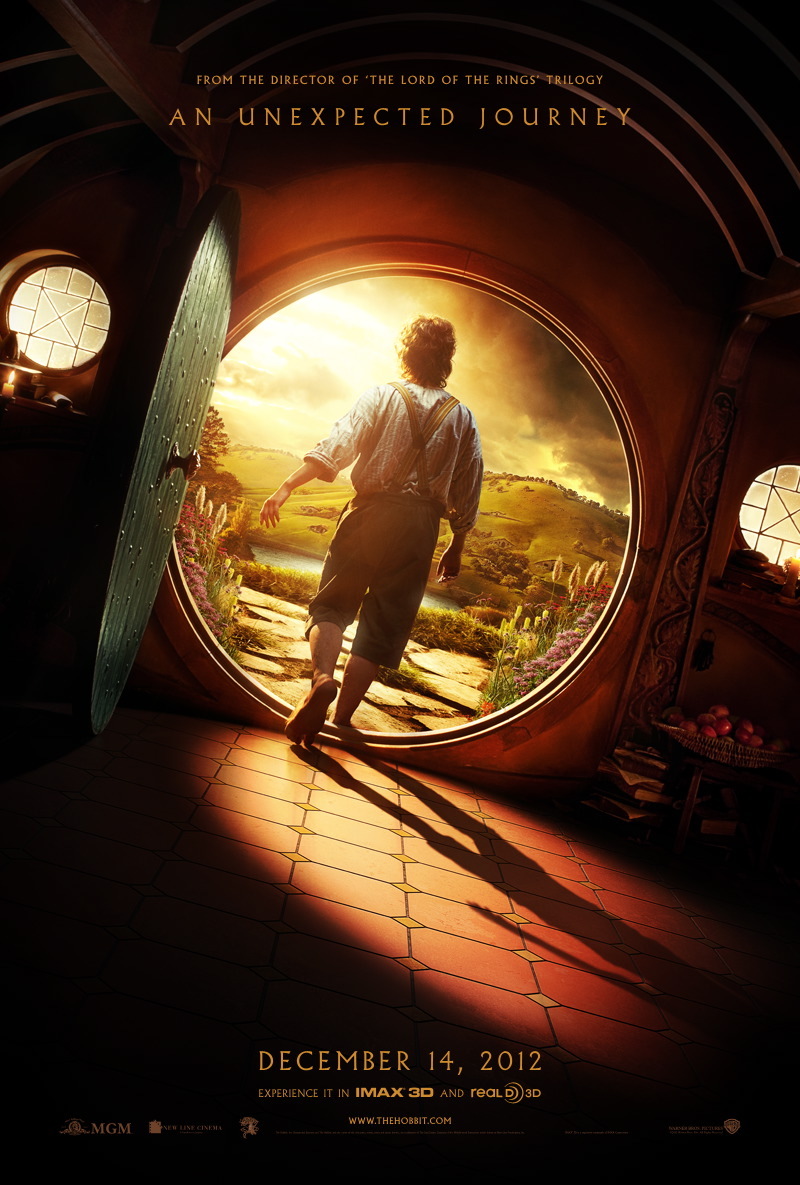
Having read the book, I can safely say this will be a brilliant movie. The trailer can’t but get you über excited as well. And it’s Peter Jackson at the helm after all. You simply can’t go wrong with anything Lord of the Ring related.

2 – The Hunger Games
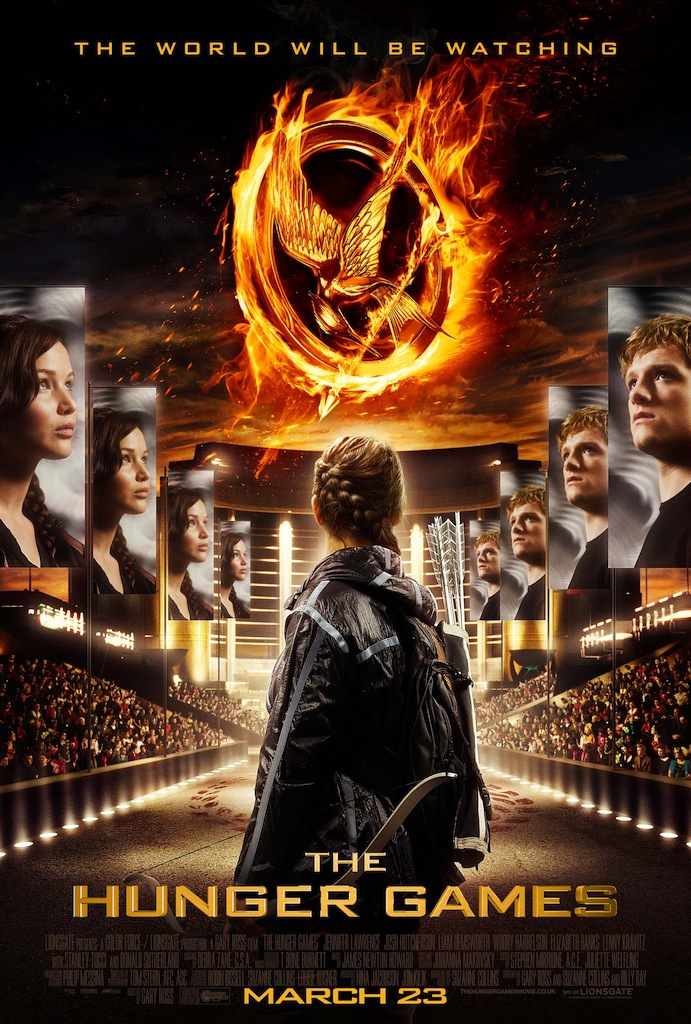
I really can’t wait for this. March is just so far away when it comes to The Hunger Games. The books are epic. The trailer looks brilliant. The song of the movie is stunning. It has Jennifer Lawrence, one of my favorite new actresses. What more can you ask for?

1 – The Dark Knight Rises
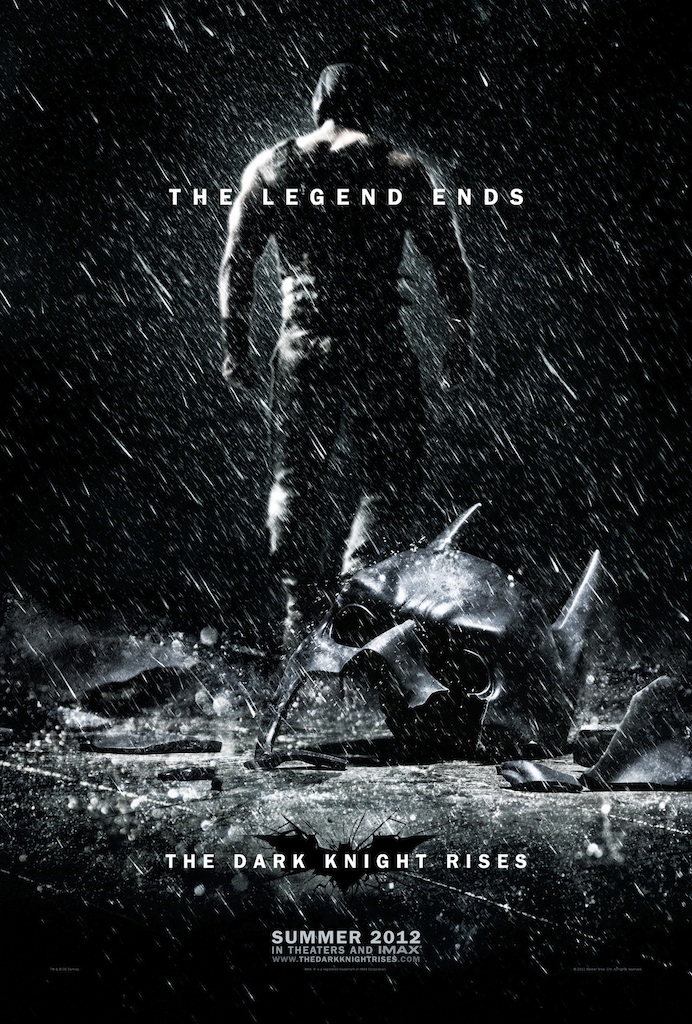
Because no other movie deserves to be here other than this. One of the most anticipated sequels to one of the best movies I have ever watched. Christopher Nolan’s Batman is back.

Is there any movie you think should be on this list that I’ve missed? Let me know.

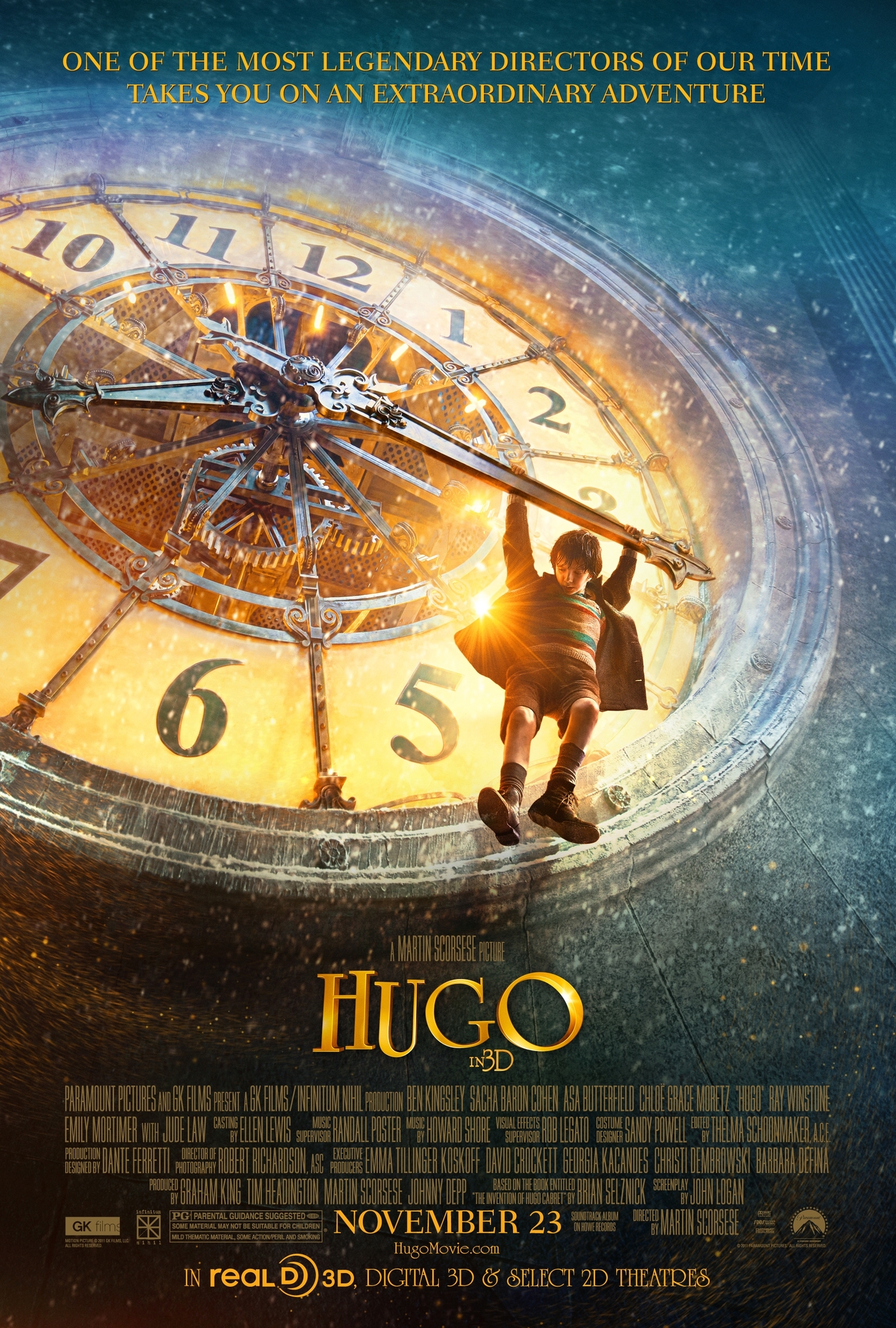
Hugo – Movie Review

Based on the book “The Invention of Hugo Cabret” by Brian Selznick, Hugo is Martin Scorsese’s new feature film.

Hugo Cabret (Asa Butterfield) is a young boy whose father (Jude Law) died in a fire at a museum, leaving him to the care of his uncle Claude. The only possession left with Hugo is a machine called an automaton which he intends to fix. And so, Hugo is taken to work at tending to the clocks at a train station in 1930’s Paris. It is there that he has to rely on theft to survive and work on fixing the automaton, hoping it would give him some closure or information as to the death of his father. At that train station, he stumbles on a man named George (Ben Kingsley) who owns a toy shop. Hugo soon becomes friends with George’s niece, Isabelle (Chloë Grace Moretz), who strangely holds a key to fixing the automaton and open an adventure for the two of them – all as the station’s Inspector Gustav (Sacha Baron Cohen) goes after Hugo, in attempts to take him to the orphanage.

Hugo is a stunning movie. It is beautiful, gorgeous, mesmerizing. The cinematography, the visual effects, the direction, the music – all of these combine together to give you a very pretty movie to watch. It takes you in. It fascinates you at many points. It captivates you. It transcends out of the movie theatre, taking you to Paris, the city in which it was supposedly set.

But all of the above combined also need a good plot or story to help the fabric be tightly knit together into delivering a full-package movie. So the central question regarding Hugo arises: is the plot engaging enough?

The answer is a succinct miserable no.

Not only is the story so bland that it makes the movie altogether boring, it really puts a damper into all that the movie had going for it. The cinematography, though as I said is beautiful, becomes emotionally ineffective. The movie starts to go all over the place, not knowing really the point behind making it – is it a tribute to old cinema or is it an entertaining children’s movie? Is it a fantasy or it is pseudo-reality?

Hugo, being a movie revolved around machinery and clocks, has very machine-like acting as well. The actors – all of them – deliver strained performances that never really hit home, even when there’s enough emotional material for them to deliver. The comic timing in the movie is off that you find yourself rarely laughing even at its heartfelt moments. The action buildup is theoretically there but in reality never happens. You can tell what’s going to happen from a mile away and eventually, it happens. There are no surprises, no twists, nothing to mentally captivate you.

Hugo is more a vehicle for its director, Martin Scorsese, to share his passion for movies – especially historic movies – than to actually deliver a movie that is truly great in its own merits. If you compare Hugo with Scorsese’s previous works, Shutter Island for instance as to not stray far, you’d find the latter way out of Hugo‘s league in terms of overall effect on the viewer even though there’s obviously more work done in Hugo than Shutter Island.

The main difference between the two, apart from the fact that Hugo is mostly a Christmasy children’s movie and Shutter Island a dark adult thriller, is that the former has a very weak story while the latter has a stunningly intelligent plot – although it’s not as captivating visually. For a viewer with a taste like mine, Hugo feels very empty overall but a movie like Shutter Island would be very satisfying.

Being voted movie of the year by the National Board of Review and being nominated for almost every award imaginable, my expectations for Hugo were rather high. And frankly, it has all the ingredients to truly take your breath away: good actors, Paris, breathtaking visuals, a great director…. Sadly though, despite all of its potential, Hugo fails miserably. It remains flat, convoluted, very useless and emotionally flat. It may be breathtaking visually but on the overall, it’s a clockwork lemon.

Perhaps instead of having “one of the most legendary directors of our time takes you on an extraordinary adventure” on Hugo‘s poster, the sentence should have really said: “One of the most legendary directors of our time takes you on a uselessly stupid adventure” – for a movie concerned with storytelling, Hugo sure fails at telling a very simple story.

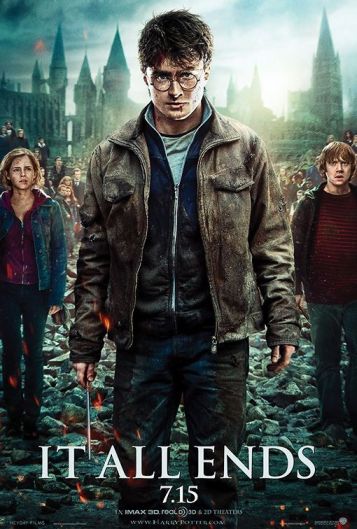
Don’t waste your money on this if you want a decent movie for your children this Christmas. Just buy the Harry Potter and the Deathly Hallows Part 2 DVD. At least you’d want to watch that movie again. And at least that movie is truly stunningly, gorgeously, marvelously epic all around.

5/10

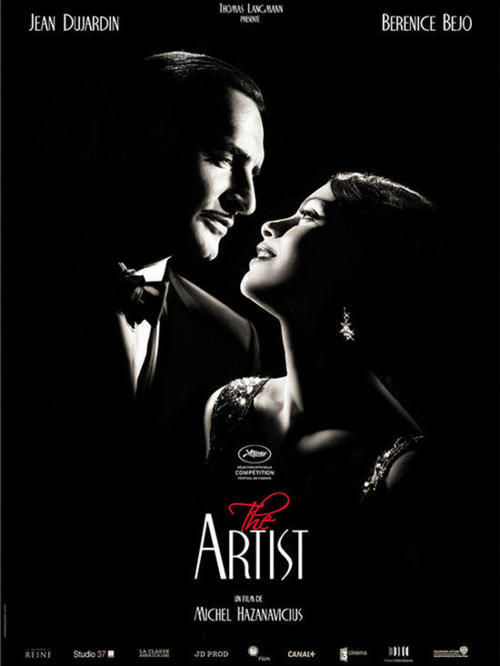
The Artist – Movie Review


In The Artist, director Michel Hazanavicius takes Hollywood retrospectively to 1927 where the age of silent movies still reigned – all with a silent black and white movie.

Silent movie star George Valentin (Jean Dujardin) is at the top of the world. His movies are always a huge success. He’s adored by his audiences for his sense of humor and all around fun attitude towards everything. 1927 Hollywood was all about Valentin.

Soon after the premiere of his latest movie, he stumbles on a girl named Peppy Miller (Bérénice Bejo) who kisses him on the cheek to newspaper headlines. Soon after, Peppy lands a role as a dancer in one of Valentin’s movies during which he gives her the advice of needing to be different to stand out, giving her the big break she needed. And with that, Peppy starts climbing her Hollywood stairs, quickly becoming a sensation by 1929. It is then that talking movies are introduced and Valentin refuses to start speaking in his movies. The reason for this refusal is ultimately answered in a subtle and touching way as only a movie like The Artist could pull off. His career quickly deteriorates and he is forced to deal with his own pride, decisions, miscalculations – all as Peppy Miller’s career soars with her talk to unreached heights.

The Artist is a breath of vintage fresh air in a Hollywood movie scene that is relying more and more on brainless blockbuster action movies than on truly artistic cinematic features that would leave you speechless as you leave a movie theatre. The Artist is one of those movies that leave you baffled as you watch it.

Jean Dujardin is absolutely breathtaking in this. He leads a masterful, brilliant, stunning performance – all without speaking a word. It is a testament to an actor’s ability when he can communicate the struggles, emotions, triumphs and defeats of his character to the audience all through his facial expressions and overall demeanor in a movie.

Bérénice Bejo is great as Peppy Miller – the actress who is taken places because of George Valentin and who eventually leads to his downfall, feeling guilty about doing so and wanting to increasingly take care of him. You can see her metamorphose on screen from an awkward dancer who wants to get places to America’s sweetheart, who knows exactly what she can leverage out of movie makers.

Despite being black and white, The Artist is visually appealing. Soon enough, the fact that you aren’t watching a movie in color goes to the back of your mind and you start enjoying the genius of it all. The score of the movie, composed by Ludovic Bource, is beyond a masterpiece. The Artist, if you don’t want to consider it a silent movie simply because of the lack of speech, is a movie without spoken words to the melody of a brilliant symphony. It’s very difficult not to be taken into the ingenuity that is the music of The Artist.

At the end of the day, The Artist is examining the extinction of silent movies in Hollywood by giving Hollywood in 2011 a silent movie that triumphs in quality most of its talkies. And that’s precisely what this is such a great movie. It is delicate and original. It is profound and fun. It makes you laugh and it has its heartfelt moments. It might be a lament to the Hollywood age it represents but it does so without being overly pessimistic. In a way, it seems that this European movie is reminding Hollywood of its roots, of its origin. Without being technically proficient, The Artist is showing exactly how much all those extras can take away from the essence of movies. It’s showing audiences that you can really enjoy a movie that doesn’t demand anything of you except to look at shadows, black and white pictures and moving people. And in return, it gives you so much more…

9/10

5 Reasons the 2012 Golden Globes Nominations Are A Big Failure

If you, like me, were outraged by how ridiculous the Golden Globes nominations were this year, this is for you. And if you’re not, this is why you – as a movie enthusiast at the very least – should be.

1) Harry Potter and the Deathly Hallows, Part 2 was nominated… for nothing. Not a single category. Nada. Disregard the fact that it’s the last movie in the series. Disregard the fact that it’s the highest grossing franchise in Hollywood history and disregard the fact that Hollywood owes a huge chunk of its financial well-being to Harry Potter. Leave it all aside. Deathly Hallows Part 2 has an aggregate score of 96% on Rotten Tomatoes. For reference, the other nominated movies have scores that range from Moneyball’s 95% to The Help’s 75%. And if you thought Moneyball’s 1% difference is irrelevant, it becomes relevant when you notice that Moneyball has this score based on 194 reviews whilst Harry Potter has his based on 257 reviews.

But no matter. For those who think Rotten Tomatoes is not a decent criteria – after all Bridesmaids is truly horrible – I shall refer to Metacritic, which gives movies a certain grade if you want based on the reviews they get. Harry Potter has a grade of 87. Hugo has a grade of 83. Moneyball’s grade is 87 as well. The Help comes in at a measly 62. I’m just saying.

It’s either the reviewers are bipolar or those nominating in these award shows are bipolar. I’m sure there’s a correlation between those reviewing and those nominating, which leads me to think this double bipolar disease they have is truly damaging to the industry. What’s even worse about this is that Warner Bros actually tried to get Harry Potter a nomination. Ah well… elitist snobs always win, I guess.


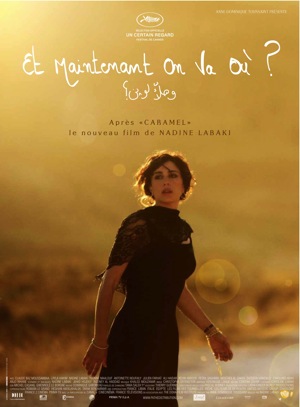
2) Lebanon’s Where Do We Go Now was not nominated in the foreign movie category but the United States’ In The Land of Blood of Honey was. Apparently the fact that the latter movie had an American production, albeit being filmed in Bosnia, did not deter them from considering it foreign. They consider the language the movie was spoken in apparently. Add to that the fact that the movie has an English version which was submitted to other categories for consideration. But as you know, In The Land of Blood of Honey is Angelina Jolie’s movie and as a friend put it, these award people can sometimes be starwhores. Just look at the other nominated movies in this category: Flowers of War has Christian Bale. The Kid With The Bike and The Skin I Live In were also directed by more famous names than Nadine Labaki.

Perhaps our Oscar hopes are not totally dead now. But Where Do We Go Now‘s chances are now very slim at best.

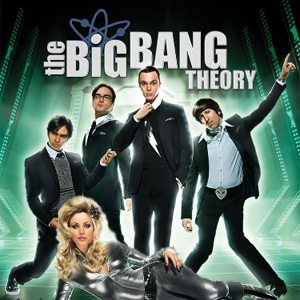
3) Glee gets nominated for best comedy series but The Big Bang Theory, which is truly a comedy, does not get any nominations except for Johnny Galecki’s (Leonard) nomination for best actor in a comedy. Jim Parsons (Sheldon) was not nominated. I don’t even feel like having to elaborate on this.

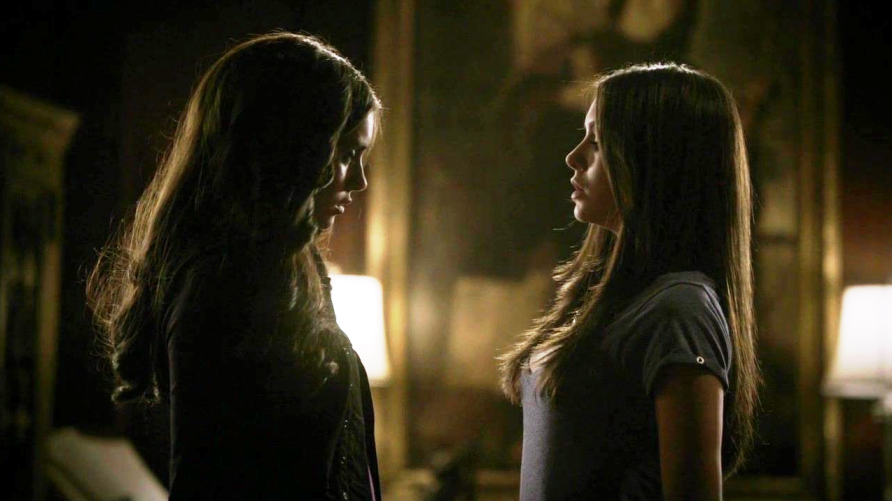
4) Nina Dobrev, who plays two characters on the CW’s hit series The Vampire Diaries, doesn’t even get a nomination for drama actress in a TV Show. Her characters have nothing to do with each other to make it at least easier for her to portray them. They’re as different as different go. And yet, she’s snubbed. How could a CW TV show be considered worthy after all, right? It’s not like it’s not better than most TV Shows out there. But I guess you should refer to point #1 for their view on quality. I’m sorry to break it to Nina Dobrev but apparently anything she does won’t be enough to get her an award outside the Teen’s Choice or People’s Choice Awards.

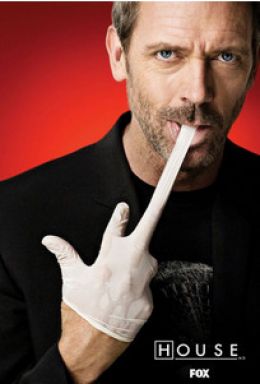
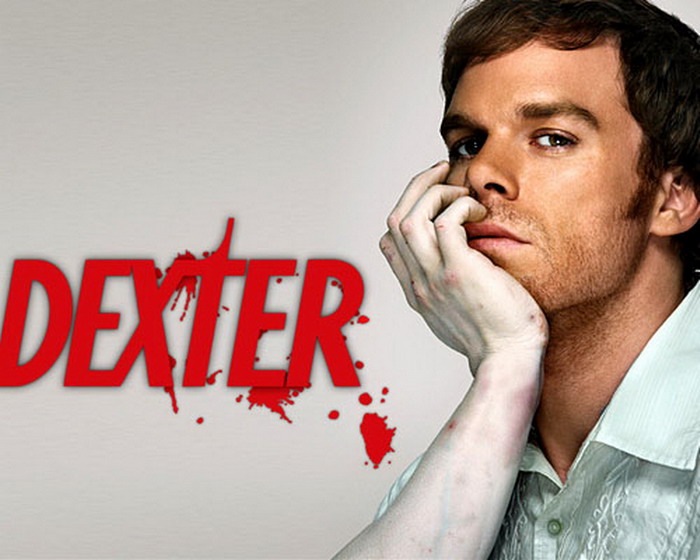
5) House’s Hugh Laurie and Dexter‘s Michael C. Hall are both not nominated for best actor in a drama even though they’re both portraying totally twisted and sick characters that should be eaten up by any award committee. The fact that they’re slowly becoming iconic characters in our generation apparently doesn’t help as well.

I guess the finger given by Hugh Laurie as House is fitting.

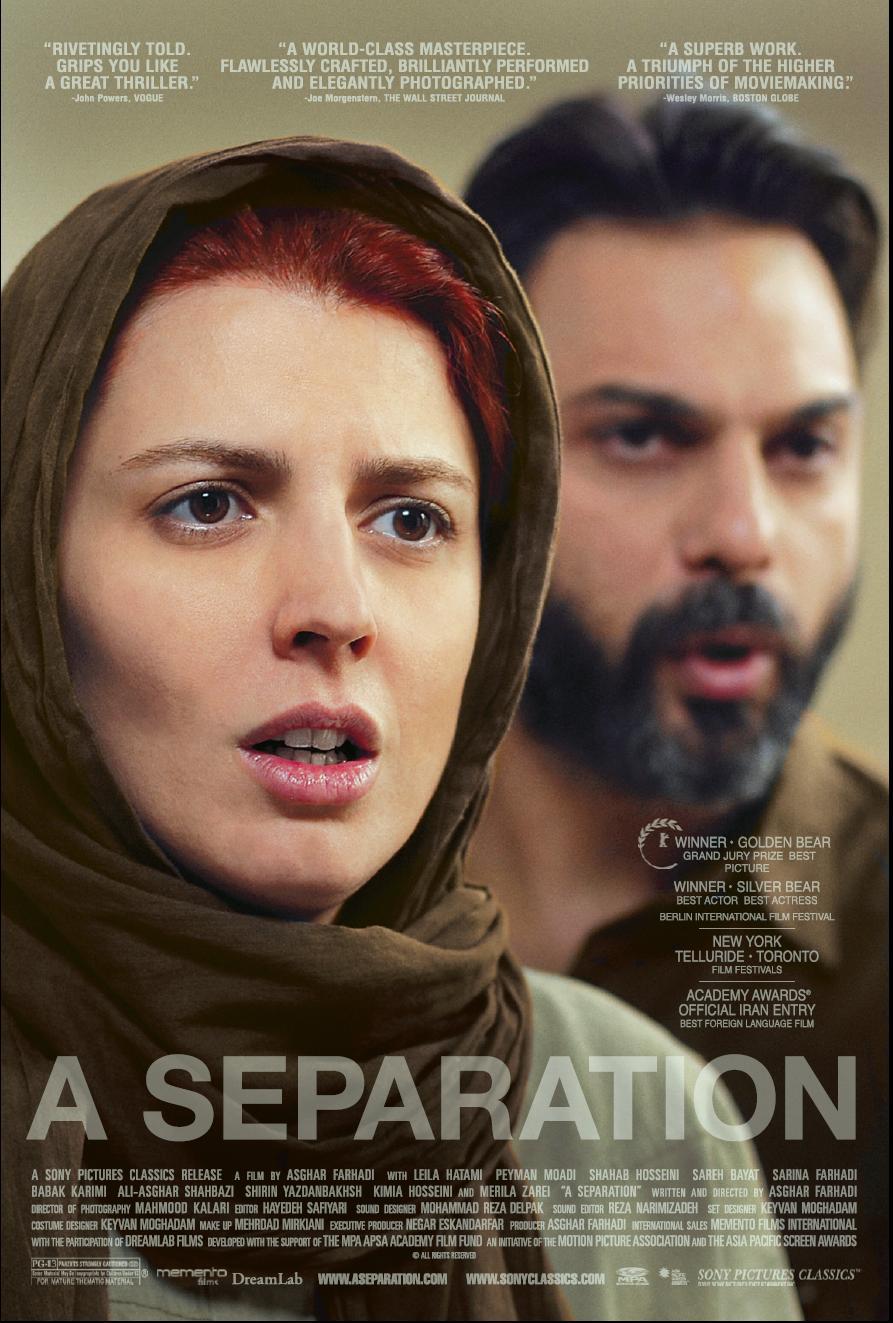
A Separation – Movie Review

Iranian filmmaker Asghar Farhadi’s new movie, A Separation, opens with an Iranian couple in court. Simin (Leila Hatami) is asking for a divorce from her husband Nader (Peyman Moaadi) because he refuses to travel with her to a European country now that their visa paperwork is in order. The visa has 40 days left to expire and Simin wants to leave now. “Has this man beaten you or cheated on you?” the judge asks her. She replies negatively. He simply refuses to leave. Why can’t Nader leave? Because e can’t abandon his father who has Alzheimer’s. “Your father doesn’t even know you,” Simin tells Nader. “But I know him,” he replies. Simin and Nader also have a daughter, Termeh (Sarina Farhadi – the filmmaker’s daughter). Being eleven years old, Termeh can choose the parent she wants to stay with after the divorce and both want to bring her to their side.

As he goes back home, Nader is faced with the realization that he cannot tend to his father all day long due to his work obligations. So he hires Razieh, a very religious woman, to look after his dad while he’s at work. But taking care of Nader’s father will prove much more difficult than Razieh had anticipated especially with her strict religious rules. One day, Nader comes back home and finds the house empty and his father almost dying on the floor next to his bed. Razieh is nowhere to be found. Money is also missing from the drawer in his house – the exact equivalent of a day’s work for Razieh. When she comes back, he accuses her of theft and pushes her out of his house. She stumbles on the stairs. And soon, Nader finds himself in court being accused of causing the miscarriage of Razieh’s nineteen week old fetus.

Peyman Moaadi, as Nader, delivers a great performance as the morally torn father between his own family and his obligation to his own father. You can see him making the decision of choosing to take care of his dad every single day of his life with every action he does, every word he speaks. One scene in particular is so masterfully acted out by Moaadi that it will play on your heartstring. Soon after he pushes Razieh out of his house, Nader breaks down as he cleans his father in the bathroom – the father that doesn’t even know who his son is.

Leila Hatami’s role is much more limited than Moaadi. She gets much less screen-time and her character isn’t as like-able as his. She comes off as the woman who wants her husband to let go of his parents even though on one particular scene, Nader’s father holds her hand and calls her name as if telling her that no one can really take of him the way she did.

A Separation is not a movie strictly about a divorce. In fact, the divorce aspect of the movie – the separation of a couple – takes very little time to unravel compared to the other plot elements offered in the movie. The problem that arises with Nazieh’s miscarriage is most of what the movie is about – how Nader deals with it in a way to protect himself and his daughter and how Nazieh, the mother of a little girl, is trying to deal with it in her way to protect her little girl and her unemployed husband.

A Separation’s forte, however, is simply its brilliance realism. There’s not one scene in the movie that is impossible to have been acted out in real life. It also transcends stereotypes of an Islamic society and offers a cinematic experience that can be relatable to anyone who watches. It’s not simply the manifestation of male dominance in the court of law in an Islamic country. It’s the legal, political, dramatic and intriguing family dissolving that the movie is about.

A Separation is multi-layered. It’s not bland. It runs deep. It showcases its characters in a way that reveals their secrets, their vulnerabilities. It does not shy away from ripping bandages dry. It doesn’t flinch from showing the hurt. It also smartly maneuvered around obvious Iranian censorship and managed to become Iran’s official submission to the Oscars this year. It is, at the end of the day, a moral dilemma revolving around family. It takes on gender, class, social, family issues and spins them into a fabric that a sort of critical view of Iranian society. The actors and actresses in the movie stand out. The screenplay is very sharp and the directing exquisite.

And now to the part that would interest any Lebanese movie enthusiast. Is A Separation better than Where Do We Go Now? I’m sad to inform you, dear Iranians, that the answer is no. No, I’m not being biased. While watching A Separation, your emotions are roused. You feel compassion to the characters and the story is interesting enough to keep you grounded. But it doesn’t offer the emotional roller coaster that is presented by Nadine Labaki’s Where Do We Go Now. You don’t find yourself laughing and then crying. You don’t find a smile on your face while watching A Separation as tears trickle down your cheek. A Separation is more tense. But Where Do We Go Now is more universal, more heartfelt, more approachable and more genuine.

For those who are still shocked, yes… I have watched an Iranian movie. Yes, it was also spoken in Farsi.

8.5/10