Jason DeCaires Taylor’s Spectacular Underwater Sculptures

Jason deCaires Taylor is an English artist known for contemporary works of art where he builds life-size sculptures of people and submerges them in water.

In time, those sculptures become part of the natural landscape, forming artificial reefs full of marine life.

His works include:

Grace Reef, Moilinere Bay Sculpture Park , Grenada 2006

Vicissitudes, Moilinere Bay Sculpture Park, Grenada 2006

The Lost Correspondent, Moilinere Bay Sculpture Park, Grenada 2006

The unstill Life, Moilinere Bay Sculpture Park, Grenada 2006.

Alluvia, The Stour River, Canterbury, Kent April 2008.

Inverted Solitude The National Diving and Activities Centre, Chepstow, commission in April 2008 for Smart Art Television

The Un-still Life II a land-based commission, hosted by the Municipality of Paliani Stone Symposium in Crete, Greece, August 2008.

Hombre en llamas (Man on Fire), MUSA, Cancun, November 2009

La Jardinera de la Esperanza (The Gardener of Hope), MUSA, Cancun, November 2009

El colecionista de los sueños (The Dream Collector), MUSA, Cancun, November 2009

La Evolución Silenciosa (The Silent Evolution), MUSA, Cancun, November, 2011.

You can find explanations of these works of art on his website.

Meanwhile, behold the gorgeous pictures as shared with me by my good friend Agnes Semaan through this website:


Mac OS X Lion – Overview

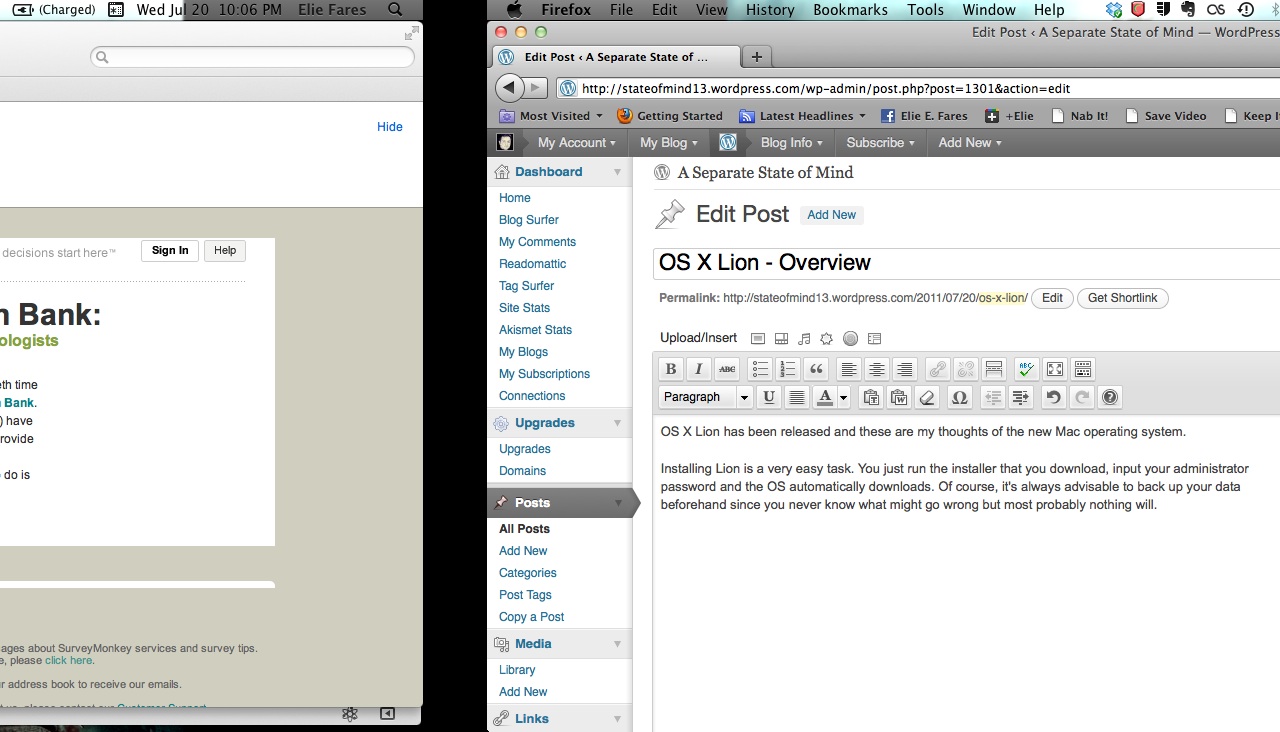
Mac OS X Lion has just been released and these are my thoughts of the new Mac operating system that I’ve been using for a couple of weeks now.

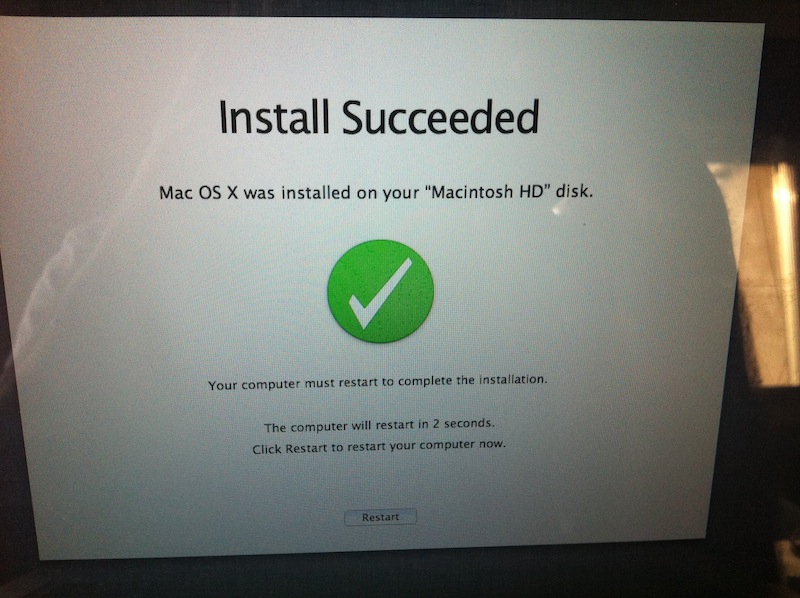
Installing Lion is a very easy task. You just run the installer that you download, input your administrator password and the OS automatically installs. Of course, it’s always advisable to back up your data beforehand since you never know what might go wrong but most probably nothing will.

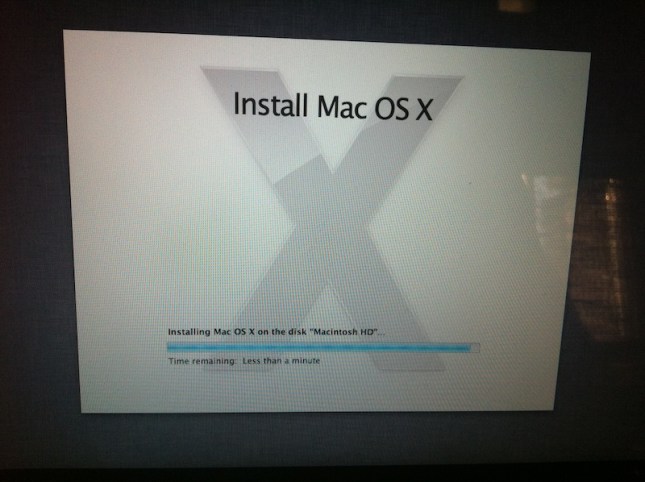
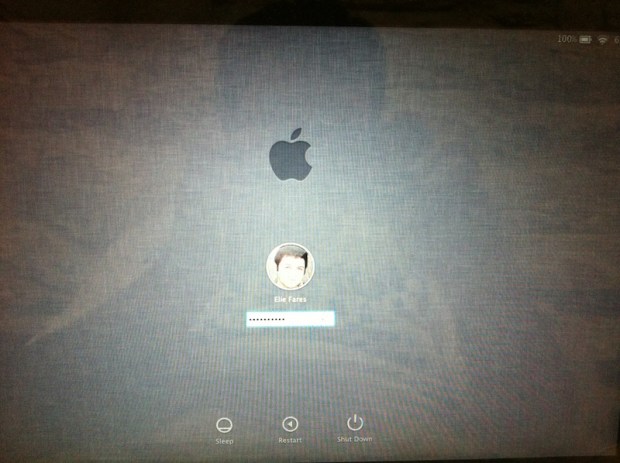
Once the installation is done, you’ll be taken to a newly designed welcome screen where you enter your password and access your desktop.
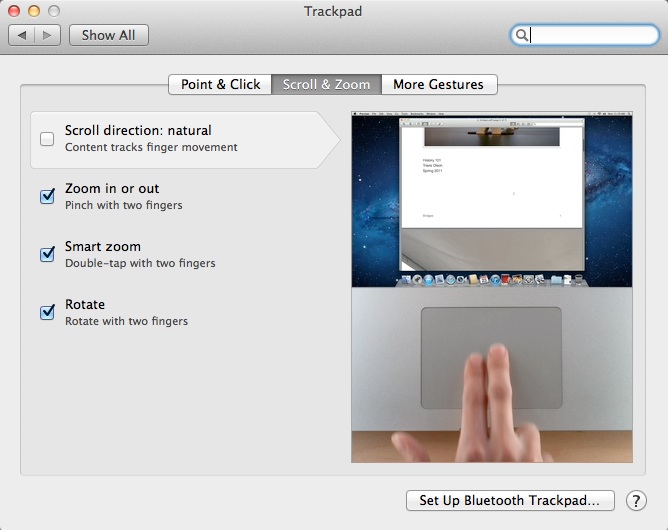
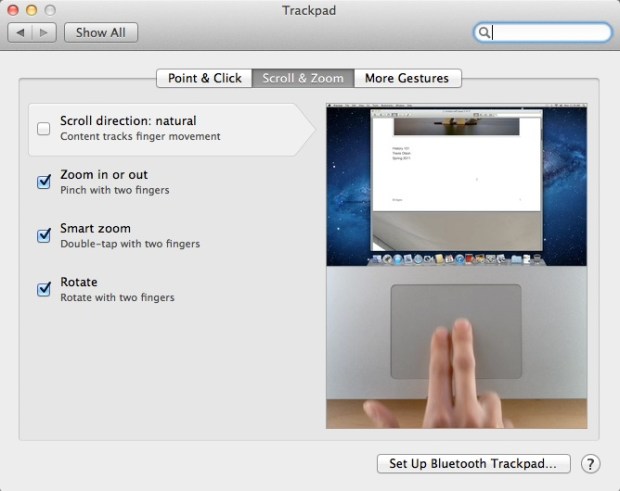
The first thing Lion welcomes you with is an introduction its new way of scrolling. However, Apple has decided to set the scrolling to “natural,” which, like the iPad, is actually the reverse of what you’re used to: scrolling up takes you down and vice versa. However, unlike the iPad, your Mac does not have a touch screen making the scrolling as set by Apple not “natural” at all. So I went to system preferences and changed it.
OS X Lion boasts many addition and tweaks that are truly great. But I think there are five which can be considered as the highlight of this update: Resume, Mission Control, Airdrop, Full Screen and Launchpad.

1 – Resume:

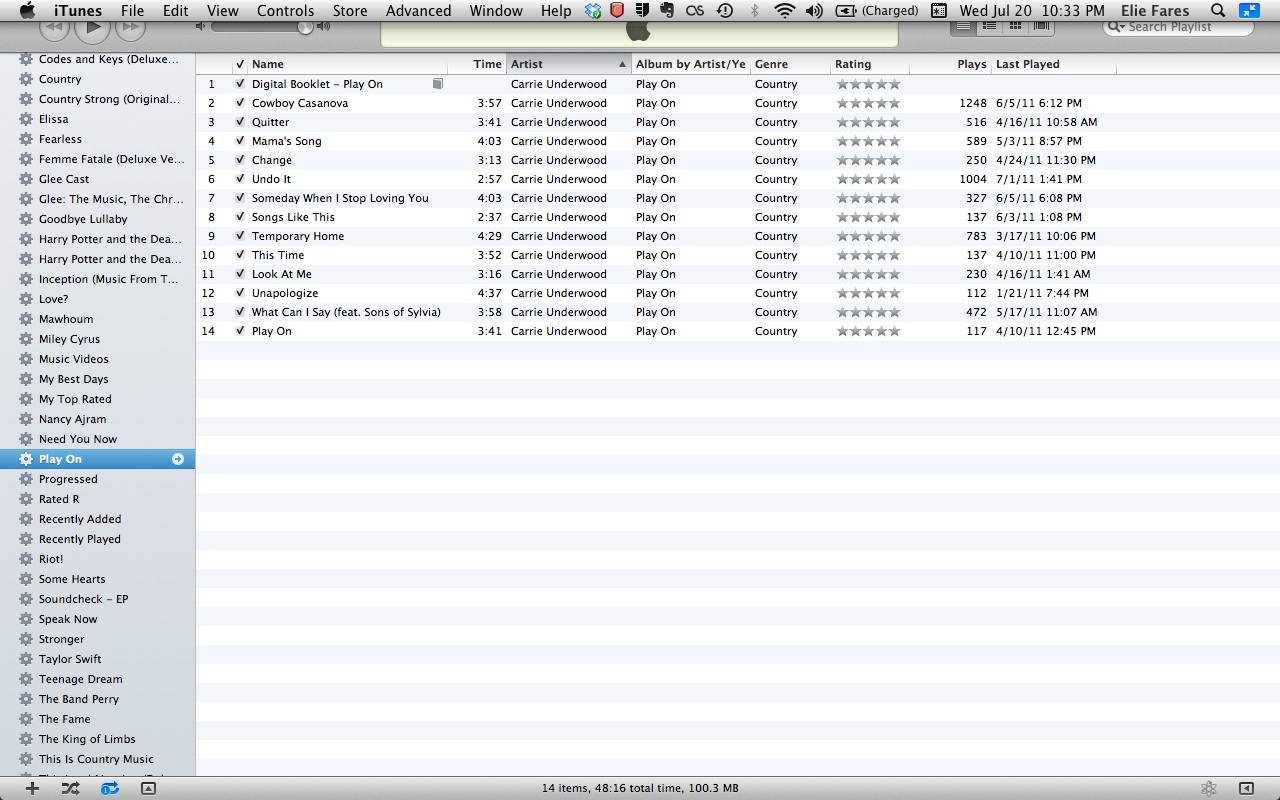
Have you ever shut down your laptop and regretted it because you didn’t have something saved? Well, with OS X Lion, you don’t need to worry about that anymore. Whenever you turn on your mac after shutting it down, you will be presented with the exact same state you left your mac in prior to shut down. Did you have iTunes, Twitter, Firefox and iPhoto running? They’d still be running and open to the tabs you were browsing, the tweets you were seeing and the songs you were selecting.

I’m the type of people who don’t like to turn off their laptops simply because I find the time it takes for them to boot and start launching my apps too long. With OS X Lion, I boot my Macbook Pro and before I know it, it’s as if I never turned it off. That is truly this update’s highlight. Sure, it’s not the most dazzling addition but in the long run, it’s the most useful one.

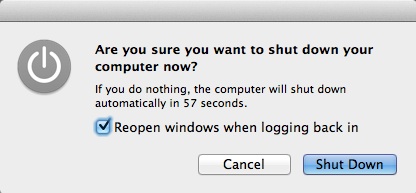
You can opt out of it before shutting down. But why would you?

2 – Mission Control:
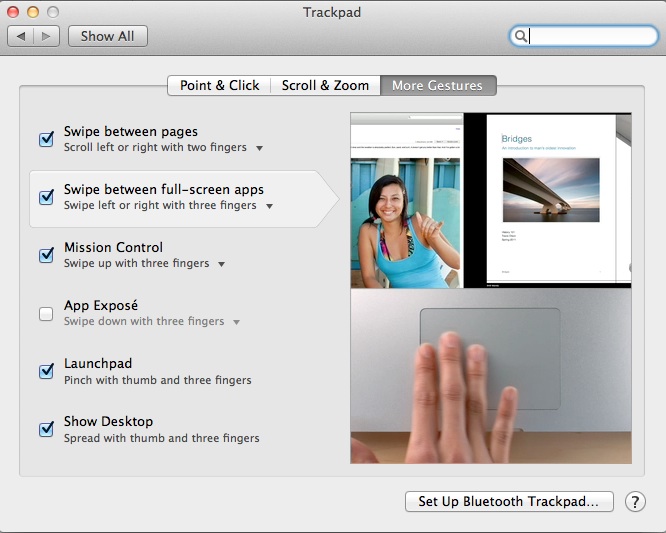
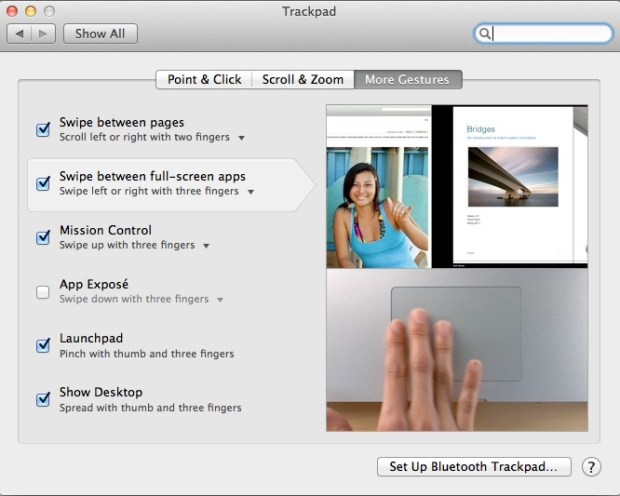
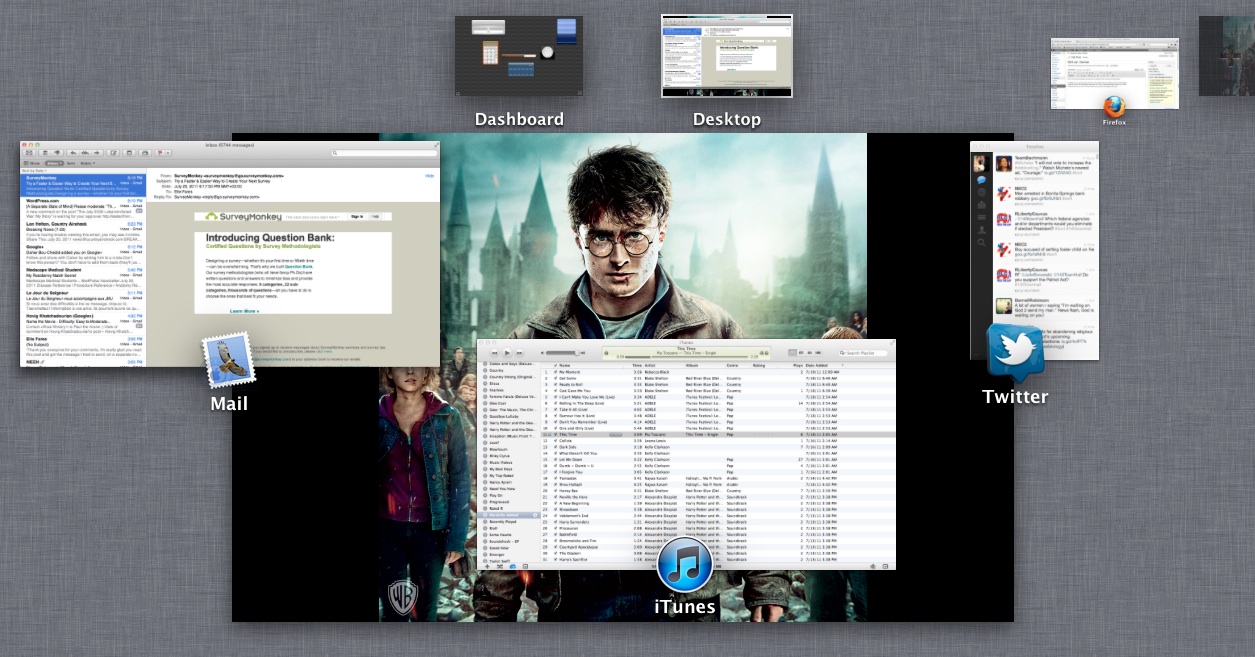
The negative thing about mission control is that it takes time to get accustomed with the new finger gestures. I had my mac set up for four-finger gestures: up removed all windows from my desktop, down took me to expose. With OS X Lion, the four-finger gestures are removed entirely and replaced with three-finger gestures.

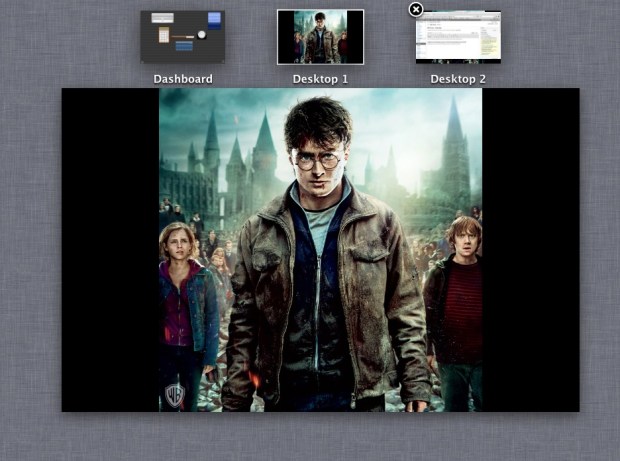
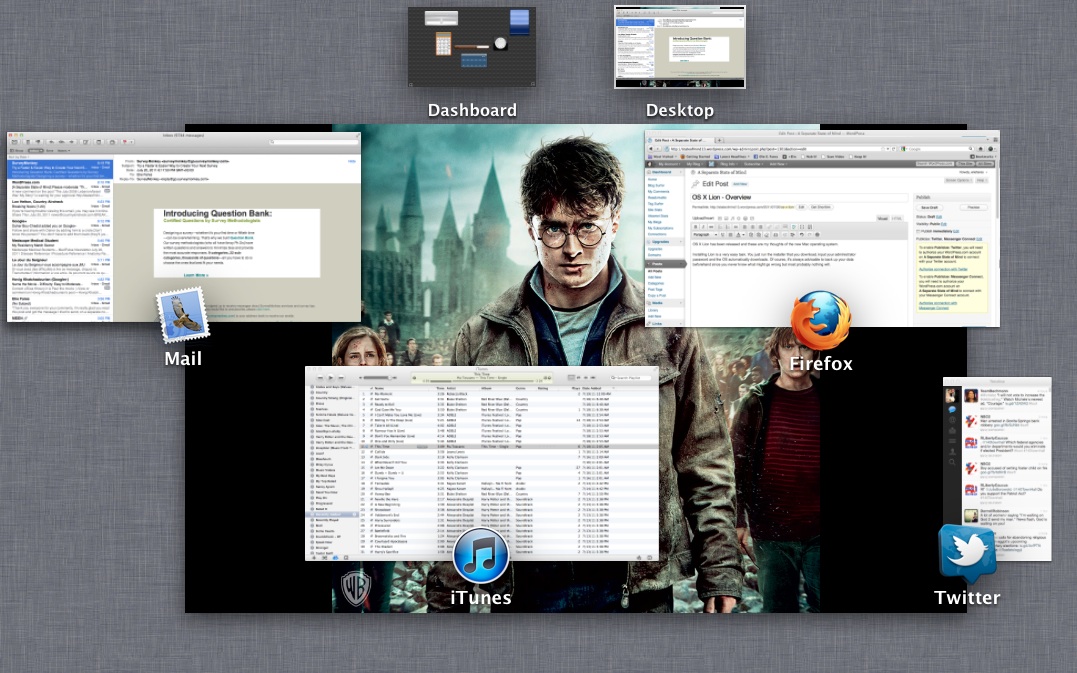
Going up with three fingers + thumb launches Mission Control.

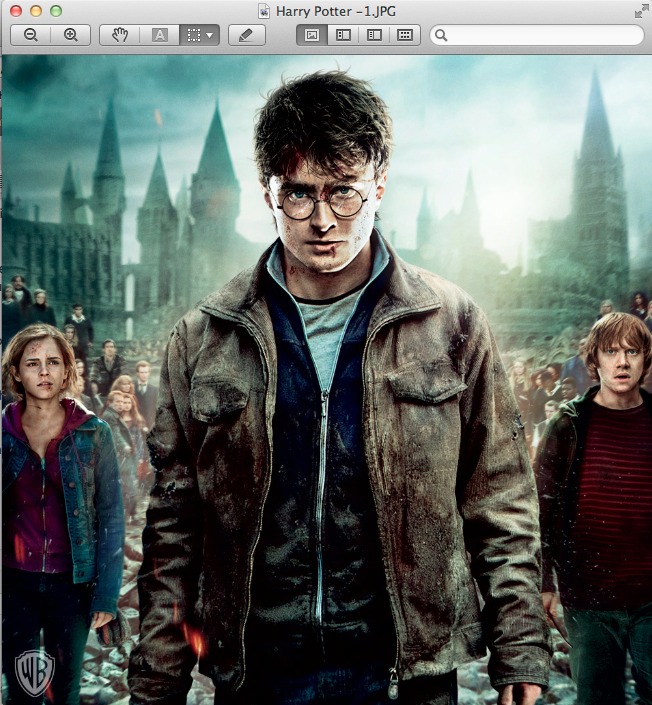
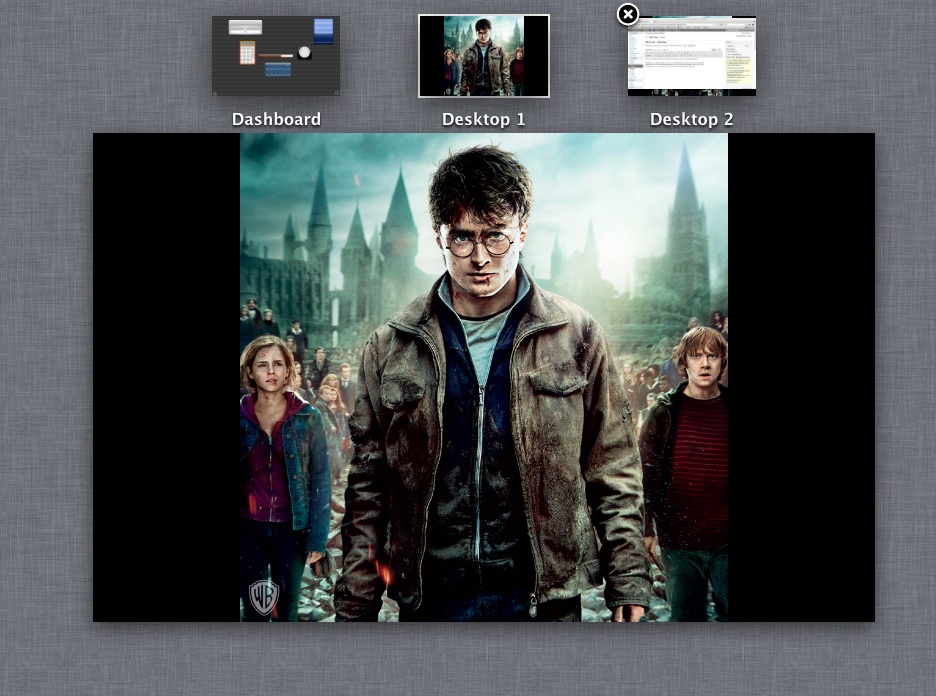
Don’t mind my Harry Potter wallpaper. The movie is simply epic after all.
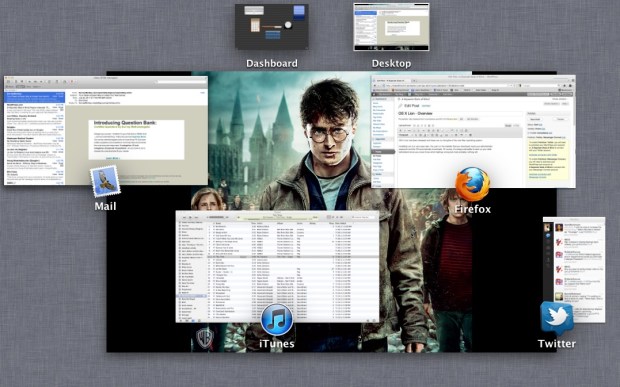
What Mission Control does is show you all of the windows and apps you’re working with, allowing you to organize them.

You can drag for example your internet browser and make a new desktop out of it.
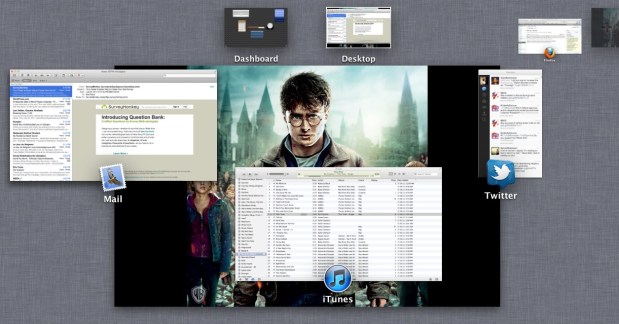
This new desktop can now be accessed via a two-finger swipe to the left (or right, depending on where you are).
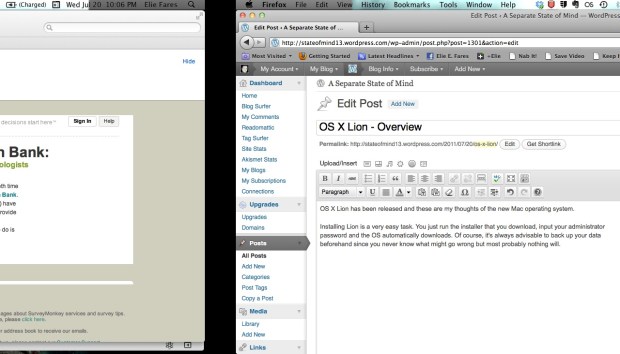
Mission Control is highly useful when you want to relieve yourself of clutter. Whenever you find yourself overwhelmed with windows, simply drag a few of them into new desktops and go to those desktops to finish your work. When you’re done, hover your cursor over the new desktops and you’ll be able to close them.

3 – Airdrop:

Ever wanted to share something with someone and you were out of a flash drive or any way to send it over to them? Well, if you’re on the same Wi-Fi network, OS X Lion has the solution in the form of Airdrop.

Found in all the windows of “Finder” on the side, airdrop allows you to share that file with any Mac in the vicinity.

4 – Full Screen:

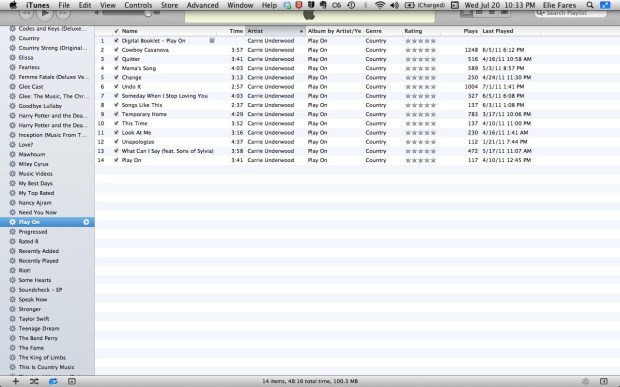
This update also boasts the ability to go full screen in many apps: iTunes, iPhoto, Garageband, etc…. Whenever you go full screen with an app, you can use a three-finger scroll sideways to switch between all full-screen apps running. I have yet to fully use this capacity, simply because I don’t feel like it’s really needed. What’s the point of looking at iTunes (or any other app) full screen?

Moreover, a simple click on the escape button wouldn’t take you out of full screen mode. You have to hover your mouse to the top of the page in order for a blue box with two reduction arrows to appear. Clicking on that takes you back to normal screen mode.

Interestingly, going full screen in Quicktime automatically transfers you to a new desktop so you can keep the movie you’re watching at full screen when you need to pause it to work with other things. However, I still don’t get how to make Quicktime work as my media player after connecting my Macbook Pro via HDMI to my TV so I’ve resorted to VLC instead.
5 – Launchpad:

Out of the new additions I have chosen to discuss in this overview, I’m the most disappointed by Launchpad. Why? Because it’s practically useless. A three-finger squeeze launches launchpad from which you can launch any app.

As you can see, it has been built in a way very similar to how apps are presented on an iPad’s screen. Even folders are the same. But I’m used to launching an app simply by clicking on my “Applications” folder in the dock and clicking for the app. With Launchpad, it’s one extra step for me to do that.

Installing any app will from the Mac App Store will appear as a “download bar” underneath the Launchpad icon, similar to what happens on an iOS device.

Launchpad is basically the most obvious of bringing iOS to OS X. But it pales in comparison to the other additions in OS X Lion.

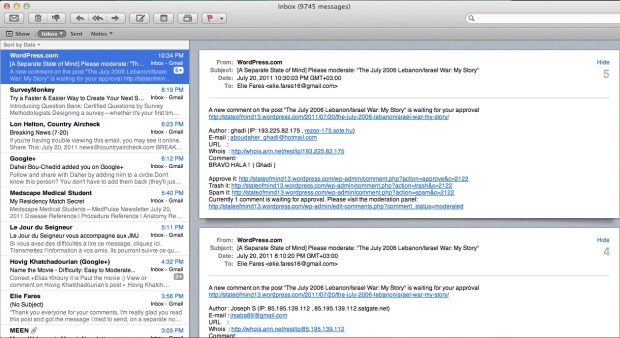
OS X Lion has many other tweaks that are not discussed here. Preview has its interface changed, as well as the Mail app, which now allows threaded conversations as well as flagging emails in various degrees of importance. You can no longer change the size of icons and folders automatically rearrange to limit empty spaces between contents.

Is OS X Lion a must-have update? I’m inclined to say it’s no. But I personally advise everyone to update because soon enough Apple will start to iron out the kinks. OS X is a very, very strong operating system that will stay a market leader for long. Windows has a lot of catching up to do and even though OS X Lion is not a giant leap forward, it opened up even more grounds on Windows. After all, by combining elements from Mac OS X with iOS, although far from perfect, has taken the user’s mac experience to a whole new level. Mac OS X Lion gives you the feeling that you are working with a futuristic device, even though for example my Macbook Pro is almost 2 years old.

Apple is known not to release a product unless they’re sure it’s the best they can offer at the moment. Sure, they’ve had missteps. But OS X Lion is not one of them. And for $29.99 and the ability to install it on any mac computer you own, it sure is a bargain. So should you buy it? Hell yes. It offers enough for $29.99 to make the must-have update question I asked earlier somewhat irrelevant.


The Girl Who Played With Fire (Book Review) – Stieg Larsson

Continuing where The Girl With The Dragon Tattoo left off, The Girl Who Played With Fire has Lisbeth Salander enjoying a lengthy vacation globetrotting. She has the money and, well, anything to escape the reality of her life in Sweden.
And back in Sweden, Mikael Blomkvist is working on another huge expose, about the violations to the sex law by high-placing officials: sex trafficking, hiring of underage prostitutes, etc…

But when Dag Svensson, the journalist writing this expose, is murdered along with his girlfriend, Mia Johansson, in their apartment and a third victim, Nils Burjman (Salander’s guardian), is found naked, killed execution style, Salander becomes the main suspect in all three murders: a psychotic, mentally disturbed girl with her fingerprints on the murder weapon… a fast case, right?
But the case turns out to be anything but fast when Salander cannot be located and when the story takes too many twists and starts to signal a huge government cover-up that’s been taking place for decades.

The Girl Who Played With Fire is as equally captivating as The Girl With The Dragon Tattoo. As all books in The Millennium Trilogy, it opens up with a prologue. In this book, however, the prologue is chilling. It depicts a man raping a girl. And as he violates her, the girl starts fantasizing about killing him, lighting fire to him using gasoline. The prologue concludes: “She smiled a hard smile and steeled herself. It was her thirteenth birthday.”

The Girl Who Played With Fire follows the same narrative style as its predecessor: introspective ideas from its characters interspersed among the text to advance the plot. The build-up, however, is far better and more adrenaline-rush inducing. The book feels slower at times, especially when the police are searching for Salander and she’s nowhere to be found both by the police and by you, as the reader. But when she shows up again, the book accelerates at a very rapid pace.

This is a book about the personal life of Lisbeth Salander and “the great evil” that caused her to be admitted to a mental hospital when she was twelve, as much as it is about sex trafficking. The two are so interlinked that it eventually turns out to be quite logical. You might guess how it will all turn out (I did) but even with guessing it, you will still feel a sense of rush as you read the text.
Less detective this time, Salander is forced to limit herself with everything she does. It’s up to Mikael Blomkvist to prove her innocence and present an adamant police squad with an alternate hypothesis.

While The Girl Who Played With Fire is about sex trafficking mainly, it lacks the sexual tension that was in the first book, mainly because Salander and Blomkvist have very little shared scenes. It does, however, have an intricate puzzle, similar to the first book, that is also helped by uncovering Salander’s cunning mathematical skills.

The Girl Who Played With Fire, however, relies a lot on coincidence. In his last conversation with Blomkvist, Dag had told him he uncovered a lead in his research revolving around a mysterious man by the name is Zala, whom he wanted to track down.
Salander, being the hacker that she is, goes into Blomkvist’s email and uncovers the correspondence. Zala. She pays a visit for the couple moments before they are killed. And it so happens that she touched Burjman’s gun, which also happens to be the murder weapon, a few days prior. And it so happens that all of this happened when she returned to Stockholm and decided to check Blomkvist’s email.

But the way the books is written and the near cinematic transitions between scenes builds an undying suspense with a terrifying ending. Yes, this book’s ending will leave you at the edge of whatever furniture you’re sitting on while reading. The ending gives the book its title. It tells you why the girl played with fire and what this fire brought to her life. And at the end of the day, cracking through her strong woman facade, is a sense of vulnerability in Salander that you barely glimpse as the book ends.

Trust me, though, you do not want to mess with the girl who played with fire.

iPhone 4 Goes To Space

Old news for some but still awesome news nonetheless.

As part of its last mission to space, US space shuttle Atlantis took with it two iPhone 4’s, loaded with apps to allow the astronauts to undergo several experiments.

One of the apps in question is called Spacelab for iOS, which you can download from the iTunes store here. It will allow the astronauts to take pictures of Earth and estimate latitudes, do calibrations using the iPhone’s gyroscope and accelerometer which were proven to function with high accuracy in space. The sensory calibrations along with the pictures taken will allow the aircraft to locate itself, in addition to extensive data collection.

Interestingly, the iPhone 4’s gyroscope and accelerometer are both being considered to replace more expensive equipment because of their high-accuracy function in zero gravity.

After all experiments take place, the iPhones will be returned to have their data collected and analyzed.

Talk about multi-use, right?

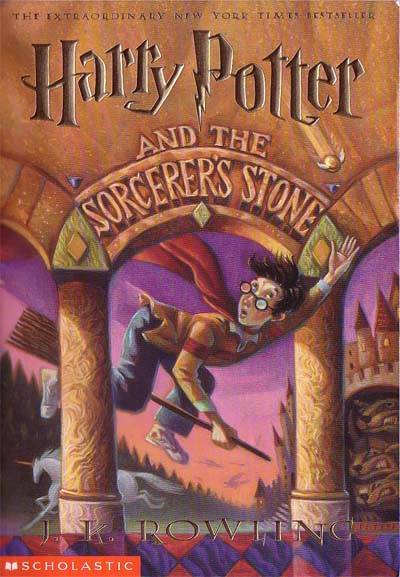
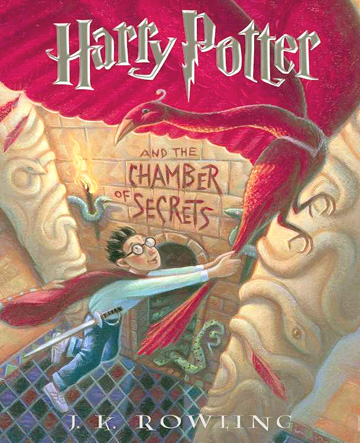
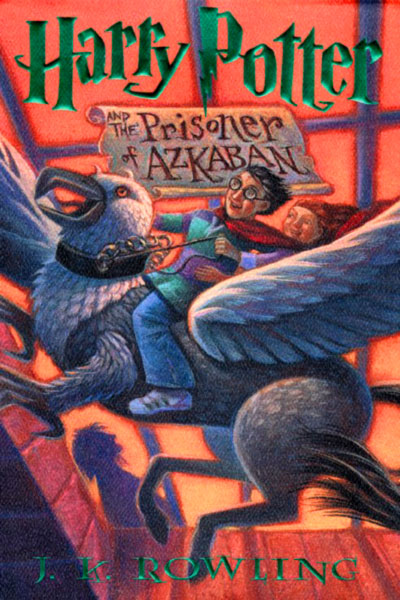
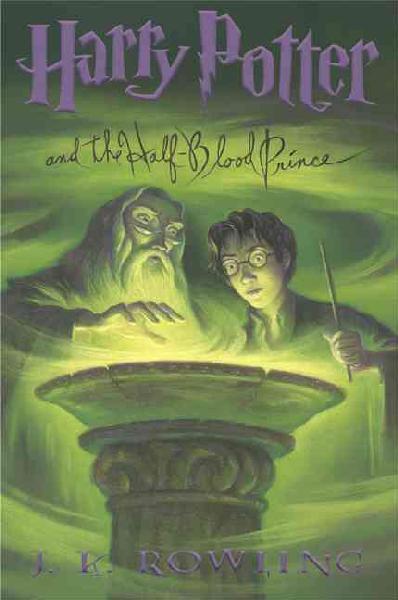
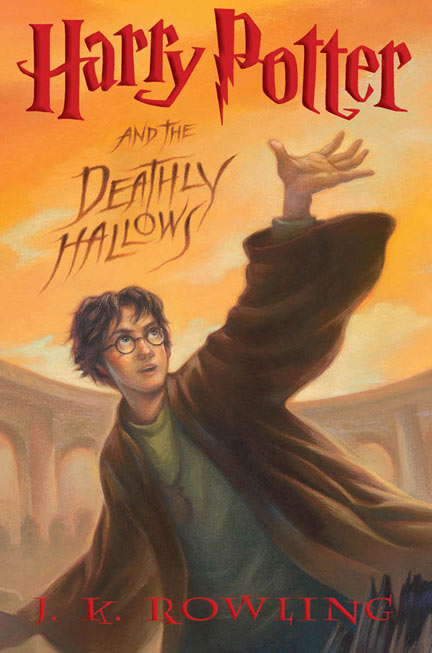
13 Reasons To Love Harry Potter

With less than six days to the release of the last Harry Potter movie, I figured it’d be nice to write a list of reasons of why millions and millions around the globe love the books that made J.K. Rowling a billionaire and the Harry Potter movies the most successful movie series in history, as well as the fastest selling books ever.

1 – We all grew up with Harry. Most readers of the book jumped on the bandwagon long before the last book was released. We all waited impatiently for each installment to be released and we’ve all let our imaginations run wild with the possibilities that Harry Potter presented.

2 – Harry Potter is not your typical hero. Unlike action movies where the hero would be inundated with gunfire and never get shot, Harry is vulnerable. He is weak. He is flawed. He is human. You can relate to him. And if Harry Potter rubs you the wrong way, you have the ginger Ron Weasley or the bookworm Hermione Granger to keep you company. Or the everwise Albus Dumbledore. The books present you with a plethora of characters with whom you can relate – at least a part of you does.

3 – They might be fiction and fantasy but the books are gut-wrenchingly real. How many of us were teased because we got high grades in school? *raises hand* How many of us were ridiculed for not going with the flow? How many of us had our voices muted but refused to remain quiet? The basis of the Harry Potter books might be a fantasy. But the crux of them is a story about love, compassion, humility, family and courage.

4 – Once you start reading the books, you cannot put them down. There’s something about J.K. Rowling’s style that just captivates you. It’s eloquent, verbose and at the same time succinct. It captures the moment perfectly and immerses you in the lines on the page you’re reading.

5 – Harry Potter is a world by itself. How many times have you craved butterbeer or Bertie Bott’s Every Flavor Beans, as long as that flavor is not anything wax-related? How many times have you wondered if there’s really something as platform 9 and 3/4 in Kings Cross Station? How many times did you even wonder if there’s something named Diagon Alley? No, I’m not being delusional. When you read the books, the world in which the story is set captivates you. For the time you’re reading, you’re taken away from dismal realities to a place where, even when it’s at war, is a better alternative.

6 – Harry Potter makes you appreciate your mom. Harry’s mom died for him. Ron’s mother would do anything to keep her family together. And even to some extent, Narcissa Malfoy can be added to that list. And in a world where the value of family is dying down, such mothers serve as a role model to everyone and they let you know the value of the person you call mom. It could be the pain that J.K. Rowling felt when her mother passed away but every mother figure in the books is made perfect.

7 – The books are genius. How many times did you wonder while reading them how J.K. Rowling came up with the idea behind them? It all started with a train running late. At least that’s how the story of the books’ creation goes. But really, the sheer amount of creativity behind the books is almost unmatched.

8 – When you immerse yourself in the Harry Potter books, you become part of a kick ass fanbase known as Potterheads. They are relentless. They defend the books they love and can take hits without flinching. Some of them are border maniacs but the norm is an awesome crowd. They also make lots of fun of the Twilight books and let’s admit it, compared to this, those books are useless.

9 – Reading (as in the act itself) the Harry Potter books instilled the joy of doing so in millions. Who would have thought buying an 800 pages book would be the only thing a teenager would think about day and night until they set hands on the book? The books instilled in everyone the pleasure of reading by offering complexity, relateability and mystery.

10 – The books do not shy away from showing the hard faces of life. Racism is present. Hate is also widely expressed. Some parts are violent and other parts are just chilling. The world of Harry Potter is not just some world where everything is happy. It’s a place where things can go wrong and when they do, it’s on a massive scale. The conflicts are not easily solved. Sure, it’s fiction but at least not everything works out for the best all the time. You lose some of the people you love. You get betrayed. But you can always recover.
11 – J.K. Rowling maintained the folklore aspect of the fantasy elements in the novels. She did not change how a werewolf transforms (or when it does so), how a unicorn looks like or what a centaur is. Which gives the Harry Potter series a sense of authenticity in the genre it belongs to.

12 – Some people think loving Harry is a vice. Well, we tell them it’s a virtue. If there’s anything redeeming about a person, it would be them reading this series. You cannot read such books and be a bad person in life. And when one day they stand at the Pearly Gates and St. Peter calls their names, it would be because reading Harry Potter was one of the most redeeming quality of their lives. Yes, I’m exaggerating but there you go.
13 – A seventh of the dedication of the last book was made to you. How could you not love that?

For the sake of continuity (although I do not agree with his loathing of The Order of the Phoenix), check out this post by my friend Gino Raidy: As The Harry Potter Era Ends, So Does My Childhood.