Wine After Whiskey (Lyrics) – Carrie Underwood

These are the lyrics of Wine After Whiskey, off Carrie Underwood’s album “Blown Away.”  You can check out ALL the lyrics of the album here.

[Verse 1:]

Once upon a time our world was on fire and I loved to watch it burn

Wild and reckless, never any limits, guess I had a lot to learn

Cause fire turns to ember, embers to ashes that blow away too soon

[Chorus:]

Now everything’s after you is like having wine after whiskey

It went from do anything for you babe to you don’t even miss me

Once you’ve tasted a love that strong you can’t go back

And you can’t settle on anything less

And that’s what gets me. It’s like having wine after whiskey

[Verse 2:]

Looking back I guess it was really for the best, still you’re something that I crave

Even though I know it was right to let you go. You’re a habit hard to break

I got used to being high and nothing that I try seems good enough right now

[Chorus:]

It’s also watered down like having wine after whiskey

It went from do anything for you babe to you don’t even miss me

Once you’ve tasted a love that strong

You can’t go back and you can’t settle on anything less

And that’s what gets me. It’s like having wine after whiskey

[Outro:]

Once you’ve tasted a love that strong you can’t go back

And you can’t settle on anything less

And that’s what gets me. It’s like having wine after whiskey

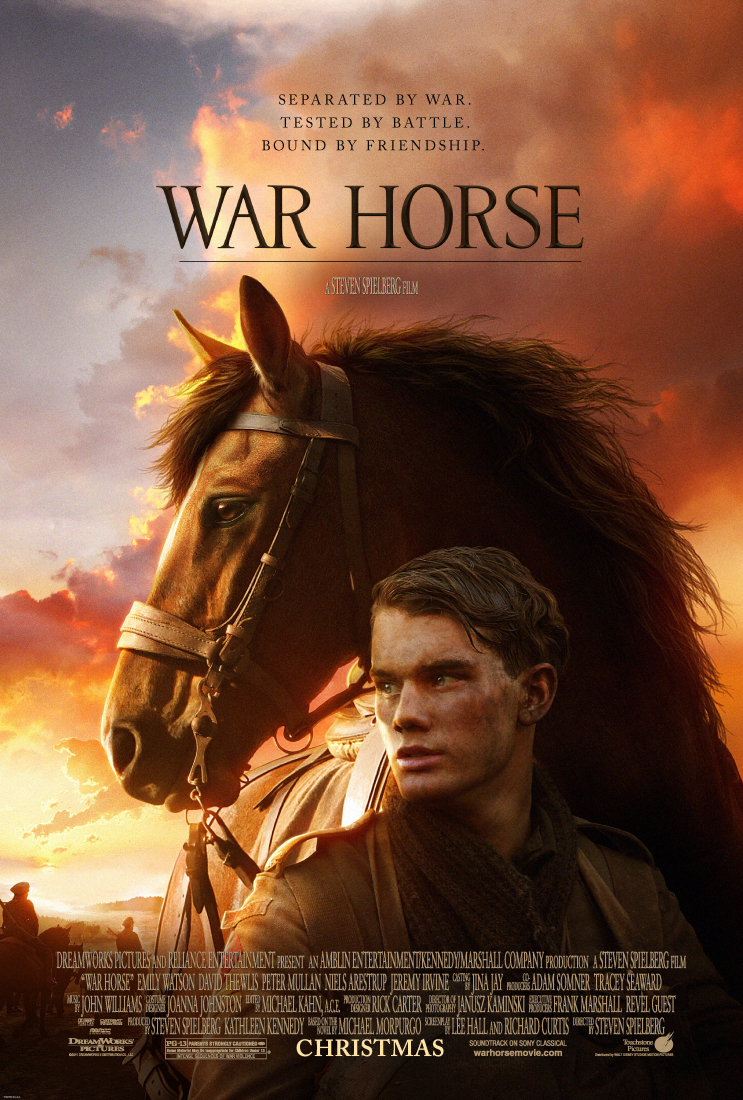
War Horse – Movie Review

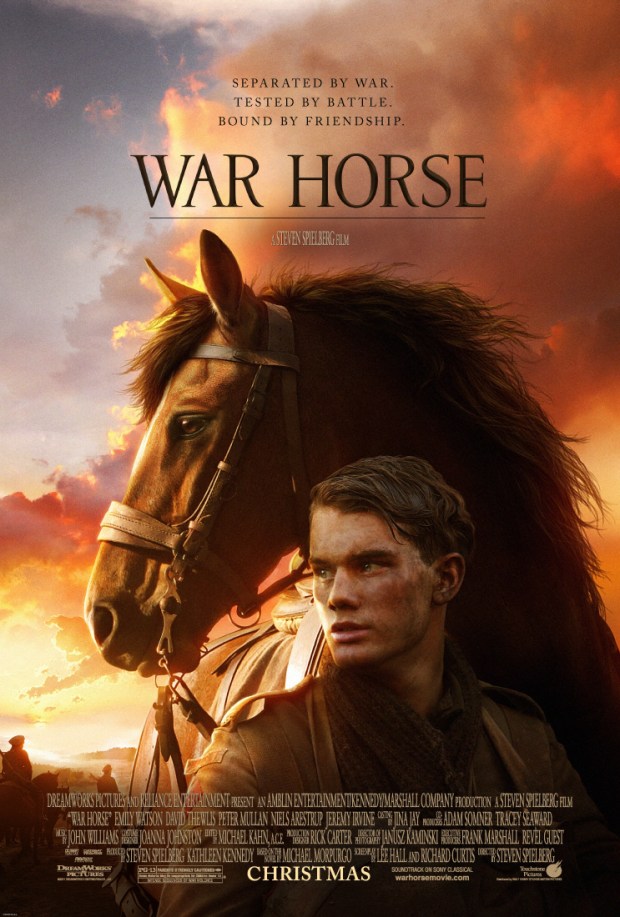
Steven Spielberg’s new movie is a World War I epic that opens with a view of lush green English fields and hills to set the tone for a quiet hometown, full of farms and grasslands. You have the pesky landlords and the people who can barely afford the rent on their farms. You also have Albert Narracott’s dad, Ted (Peter Mullan), who just bought a horse for thirty pounds just to spite his landlord. His intent was to buy a horse to plough the land. The one he bought hadn’t been trained for anything.

So Albert (Jeremy Irvine) convinces his parents to keep the horse and he names him Joey. Soon enough, the family falls to some financial problems as the crops in the land Joey was taught to plough get swamped by torrential rain and Ted, the father, is forced to sell Joey to the British military as World War I breaks. Albert, too young to enroll in the army and be with Joey, is forced to stay home as Joey goes into the battlefield and strays from one owner to the next, all in a quest to go back to Albert, a journey that will take him from Albert, the devon farmboy, to a British cavalry officer, a German soldier, and an old Frenchman and his granddaughter, Emilie.

One cannot speak of War Horse without describing it as an overly sentimental movie. But you embrace that. The rousing emotions in the movie hide away some of the plot holes that many people started to dig up with it such as: how could they focus on the journey of a horse through a war that cost ten million people their lives? The answer is quite simple actually. War Horse is based on a children’s story. And just as other children’s books, also sharing a world war timeframe, do not focus on the war (The Chronicles of Narnia come to mind), War Horse does not dwell on the morbidity of it even though the movie is violent at times. War Horse is a quest for life.

Many British actors and actresses have small roles in War Horse. You have Albert’s mother Rose (Emily Watson) in a brief but strong performance as the woman who’s the counterpart to her husband’s ‘insanity.’ At one point, when her husband asks her if she doesn’t love him anymore, she answers: “I can hate you more. I cannot love you less.”

War Horse is Jeremy Irvine’s, who portrays Albert, first movie ever. And he manages himself remarkably well. You wouldn’t think this is an actor whose career was launched a couple of years ago with a little known TV show and who got the role in War Horse without agency representation.

However, the very interesting thing about War Horse (apart from the aforementioned elements and the ones presented below) is that the movie relies on human actors to a very minimum. In away, the human aspect of the movie is simply a link between the acts where the horse, Joey, takes center stage to tell its story. It’s truly fascinating to think of War Horse as the movie that is really centered and built around this horse and how the actors and actresses simply become, for lack of better words, props.

Apart from the splendid backdrop to which War Horse is filmed is also a brilliant music score composed by Harry Potter’s John Williams, the man responsible for the infamous Hedwig’s Theme. War Horse‘s music is stunning, mesmerizing and enchanting. It is also so present in the movie that few are the moments in War Horse that do not have some form of musical instrument playing in them.

War Horse also looks stunning. I did some research here and apparently the cinematographer Janusz Kamiński (previous works include  Saving Private Ryan & Schindler’s List) shot the movie on film stock, a technology which is apparently becoming an antiquity. I do not know the technicalities of this but I thought it was interesting enough to mention. I decided to research this because there was a beautiful texture to the image of War Horse that persists throughout. One shot towards the end has the Naracott’s farm to the backdrop of a stunning sunset and it’s such a gorgeous scene to look at that your eyes cannot move off the screen.

Steven Spielberg honestly shines in directing War Horse. I can say this is one of his finest works – or at least one of my favorite Steven Spielberg movies. Although some of the elements in the movie are oversugared, it simply doesn’t feel forced. You don’t feel as if Spielberg made them as such to make his movie more family friendly. The whole plot, along with the technical elements employed in the movie, are weaved together into a great texture by the masterful hands of Steven Spielberg.

The bottom line is that War Horse is a movie that, whether you like it or not, will get past your emotional defenses and get you to feel something – anything – at the end of its long run. It is gorgeous to look at, it is mesmerizing to listen to. The story is enchanting (and again keep in mind this is based on a children’s book) even though it’s obviously not made to be Earth shattering. It is the movie about the human-animal relation centered around what the animal human can do. At the end of the day, War Horse is emotional. War Horse is sensational. War Horse is phenomenal.

9/10

Winter in Lebanon: The Cedars

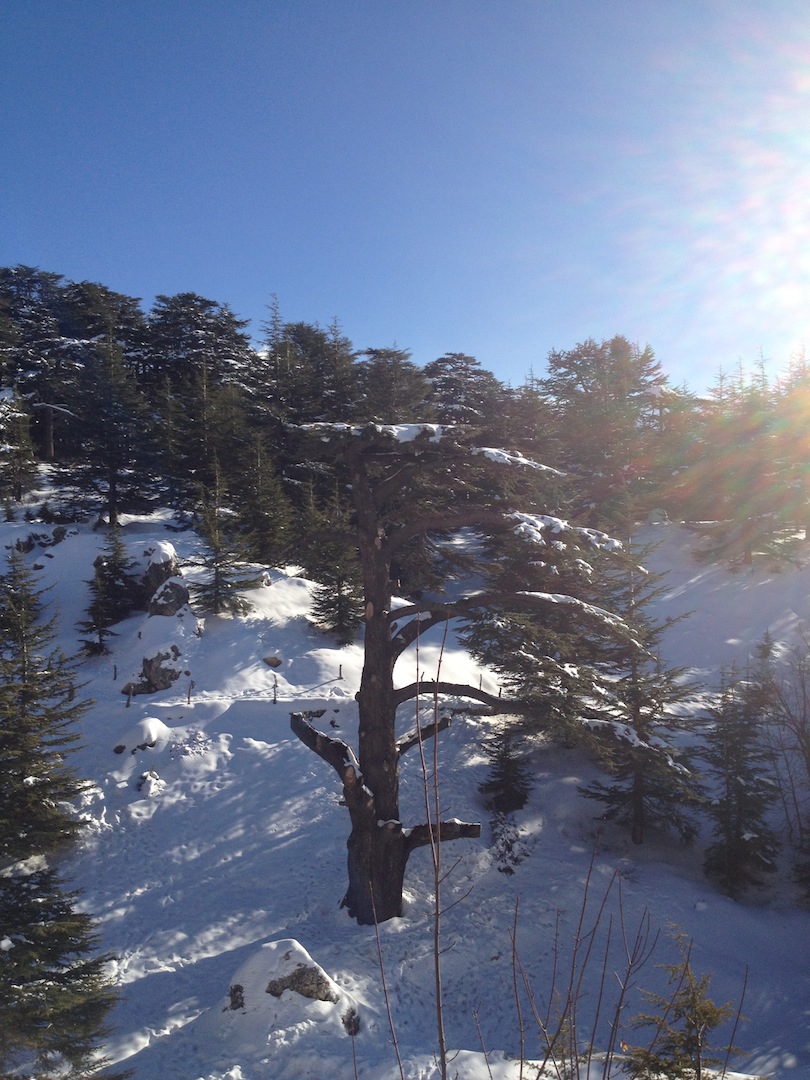
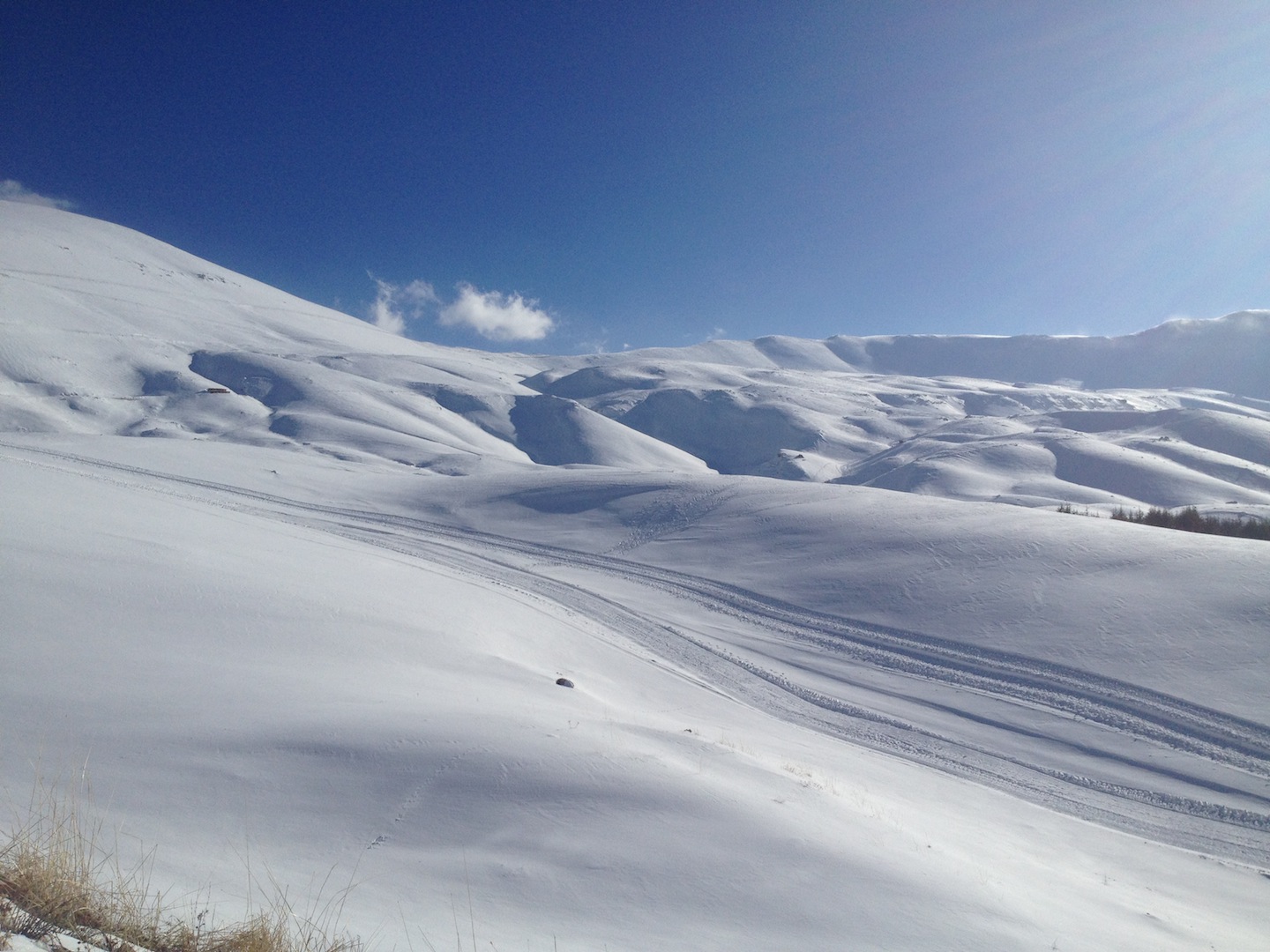
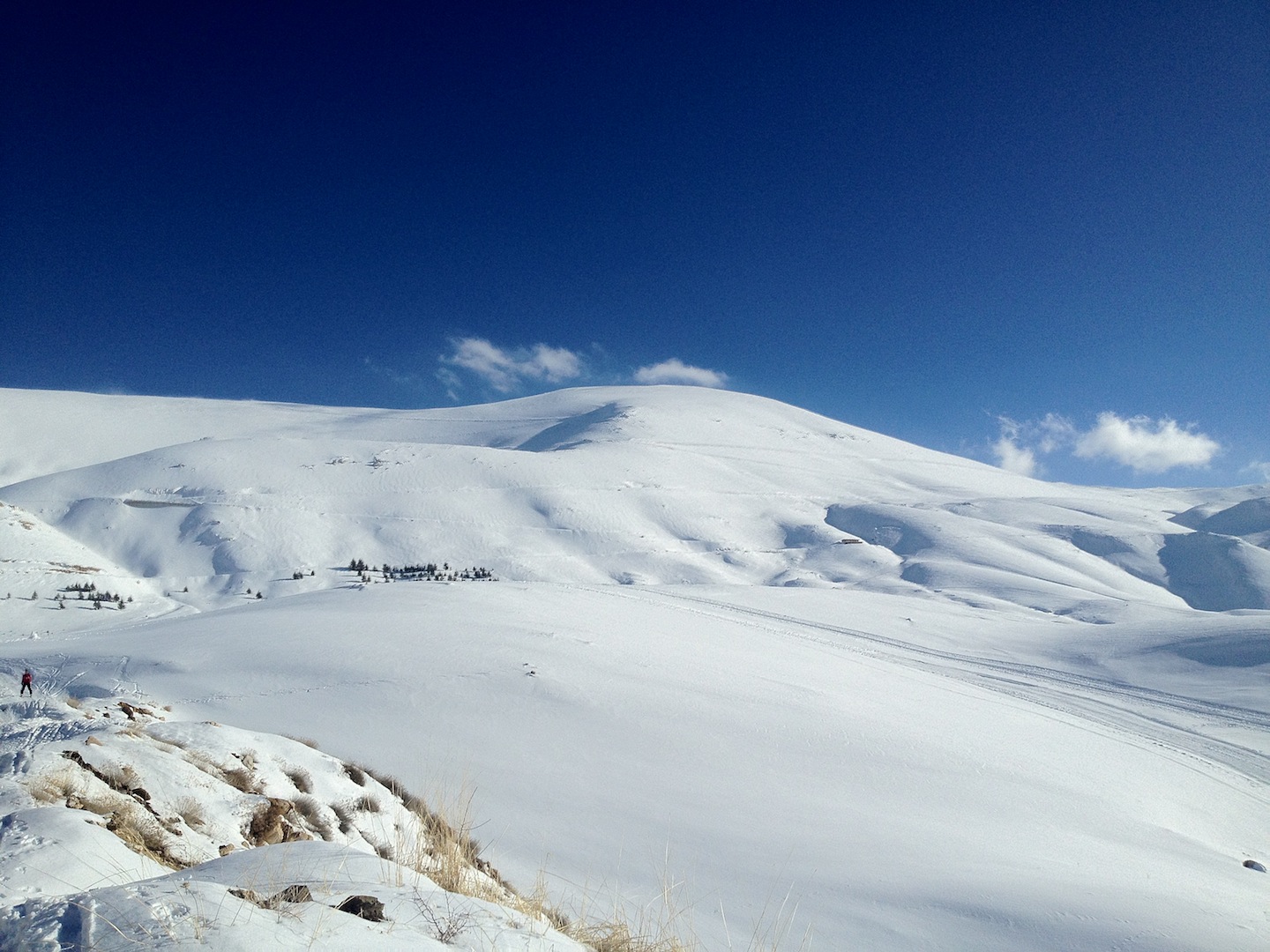
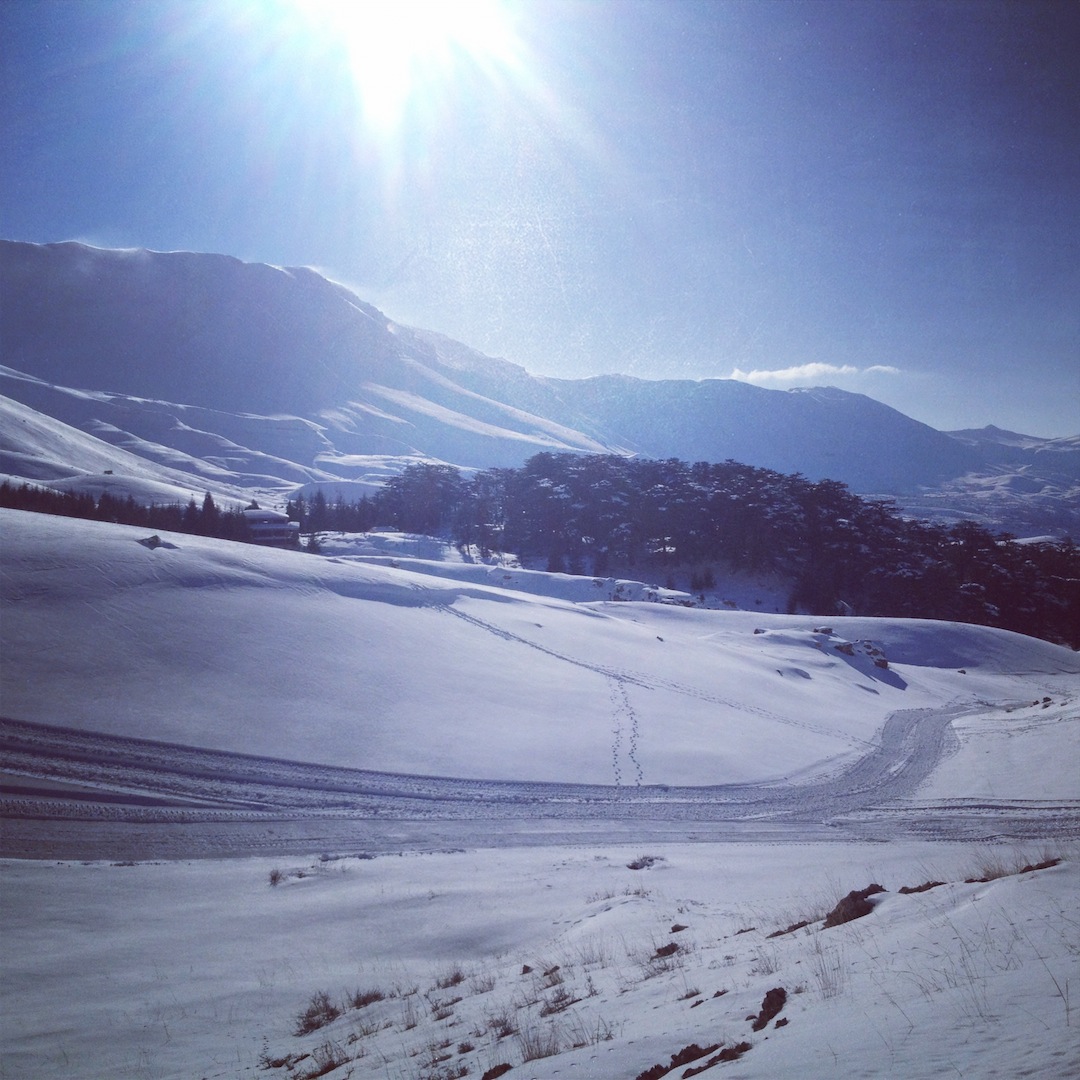
This past weekend, I decided to go with a couple of my cousins on a quick drive around the beautiful Lebanese North, which happens to be where I’m from.

The area in the pictures below is about a thirty minute drive from my hometown in the Batroun caza and the road is paved with gorgeous scenery as well. I had wanted to post this yesterday but the Telegraph article took precedence. Check out my commentary on that article here.

So in a way, this post will serve as further proof to what I presented in my commentary yesterday. Perhaps what was very surprising to me was that, despite it being a very sunny Saturday, the number of people hitting the Cedar slopes was very little compared to how popular Faraya seems to be even though this is a much nicer area to visit.

Moreover, while driving around these mountains, your mind is taken out of your car and to a whole other place altogether. You cannot simply drive around without forcibly stopping to try and take a picture that barely encompasses the beauty in front of you. They call the Cedar forest in North Lebanon: The Cedars of God. I think I know why it’s called as such: if God wanted to choose a place to live in (during winter), it’d be this.

It’s absolutely breathtaking.

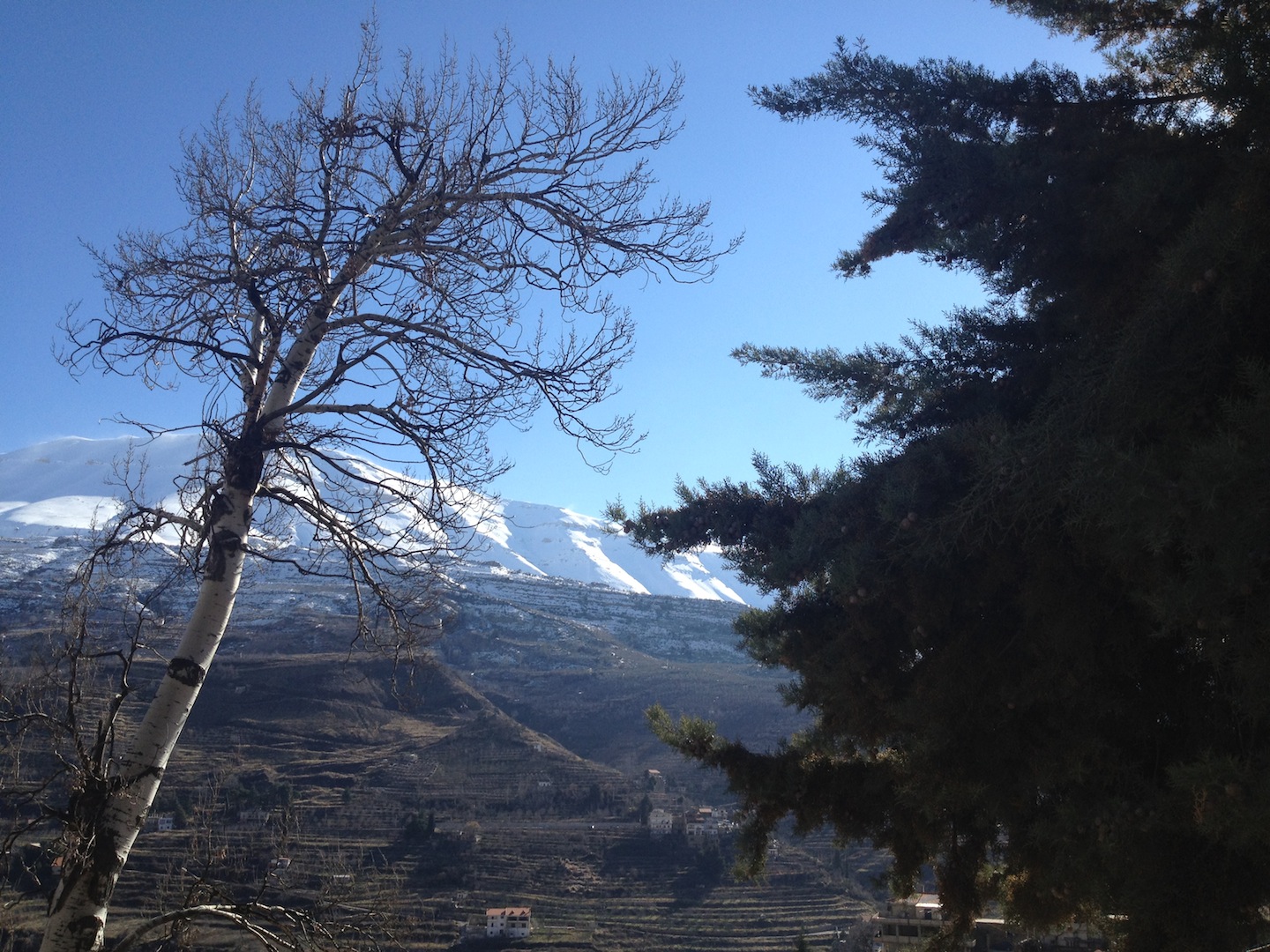
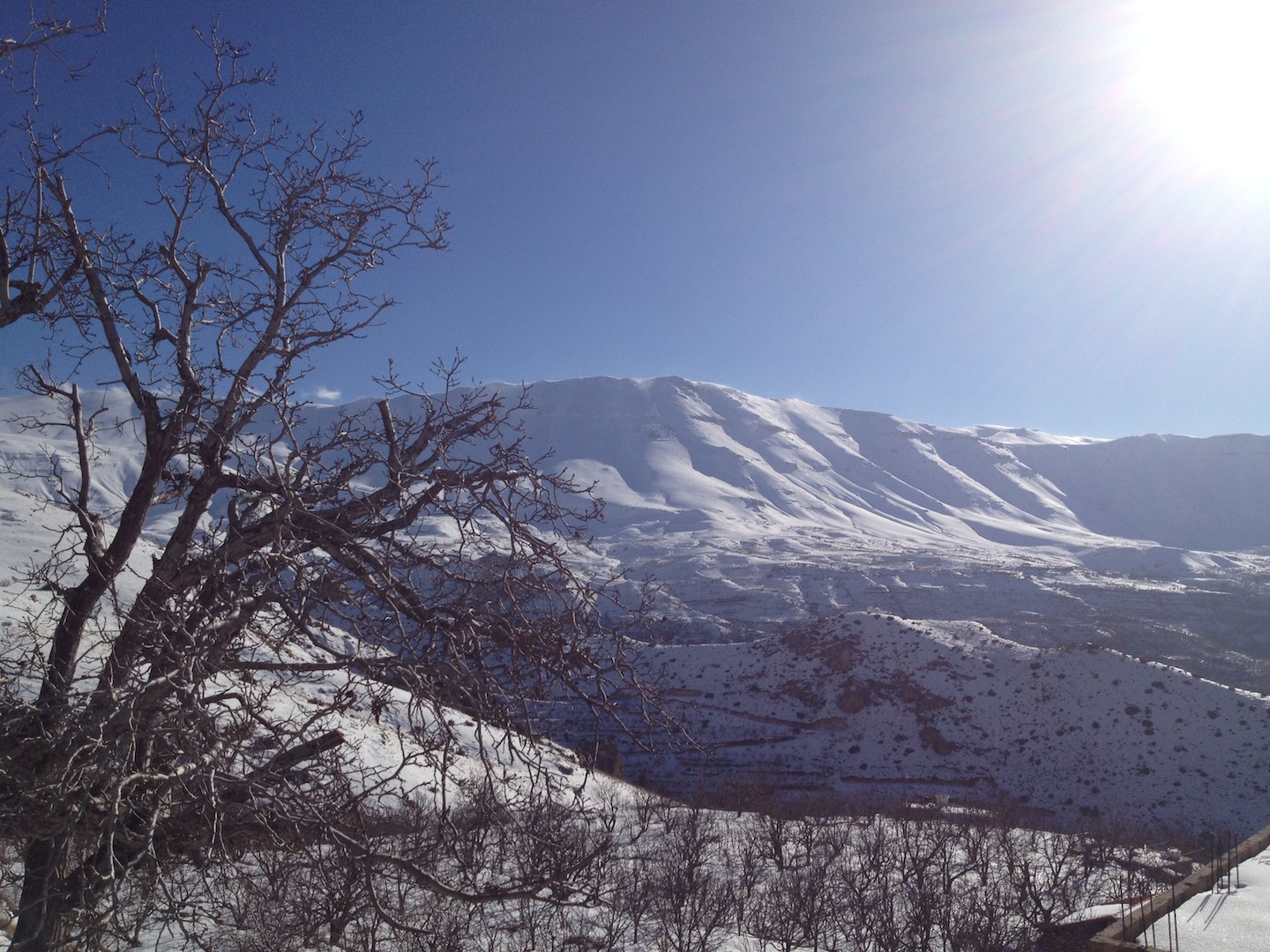
The view from a town on the way: Hadath El Jebbe

Entrance of Bcharre, the city.

View from Bcharre, the city

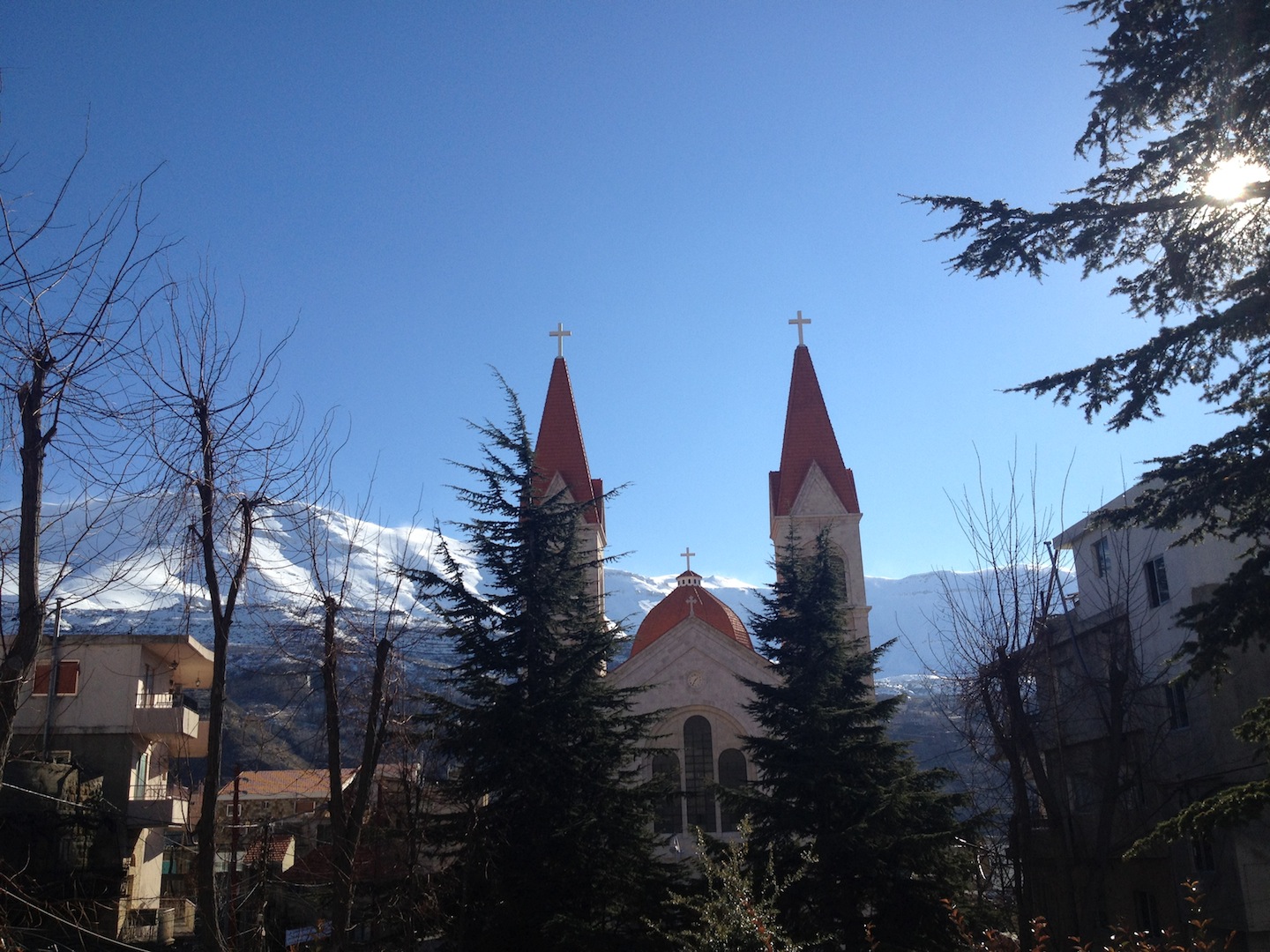
Church in Bcharre

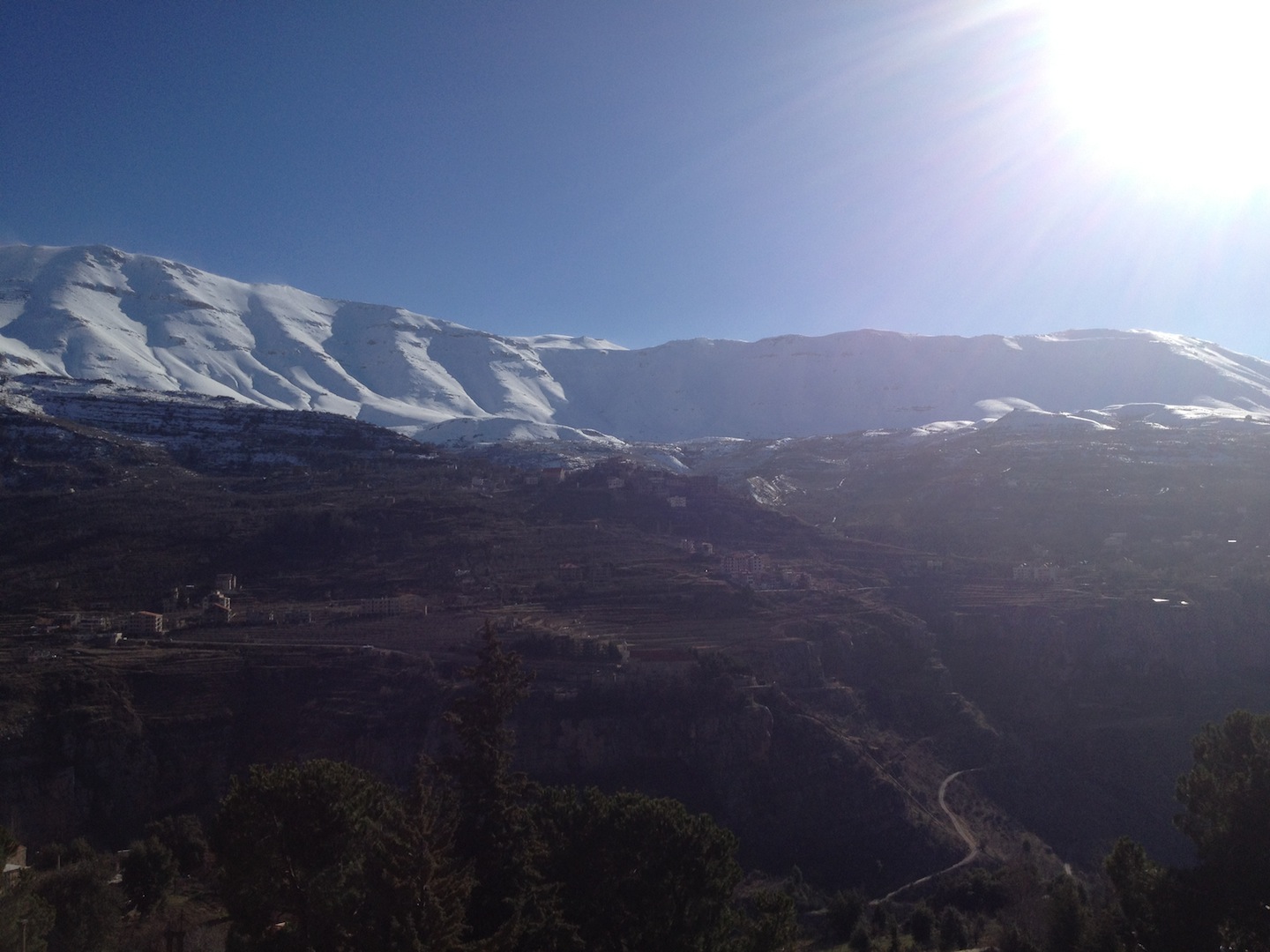
The Cedar Mountains as seen from Bcharre

Another view of the Cedar Mountains from Bcharre

Leaving Bcharre towards the Cedar Mountains

Note to self: Converses are a bad idea in such circumstances

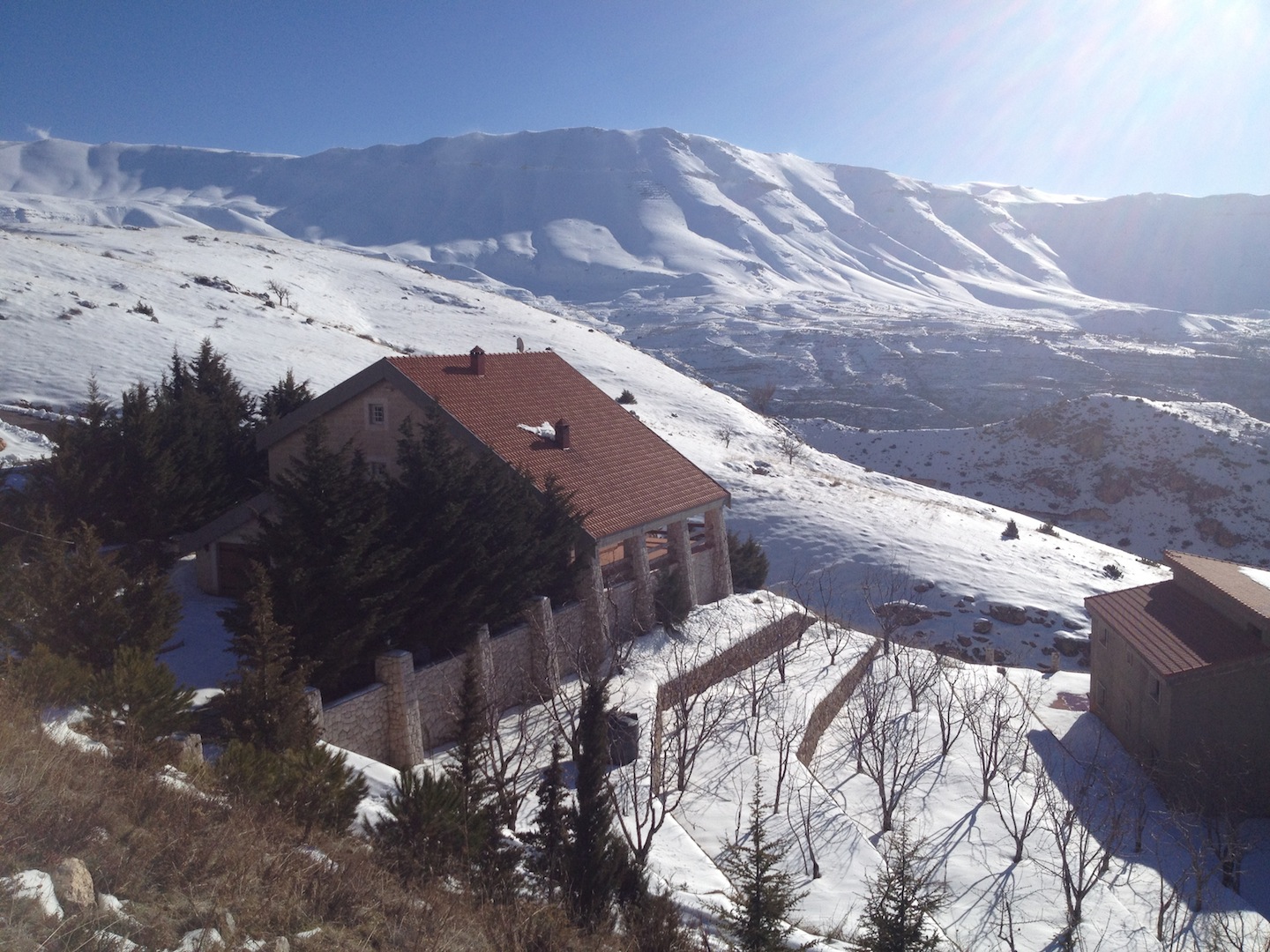
Awesome house. Can you imagine living here in winter?

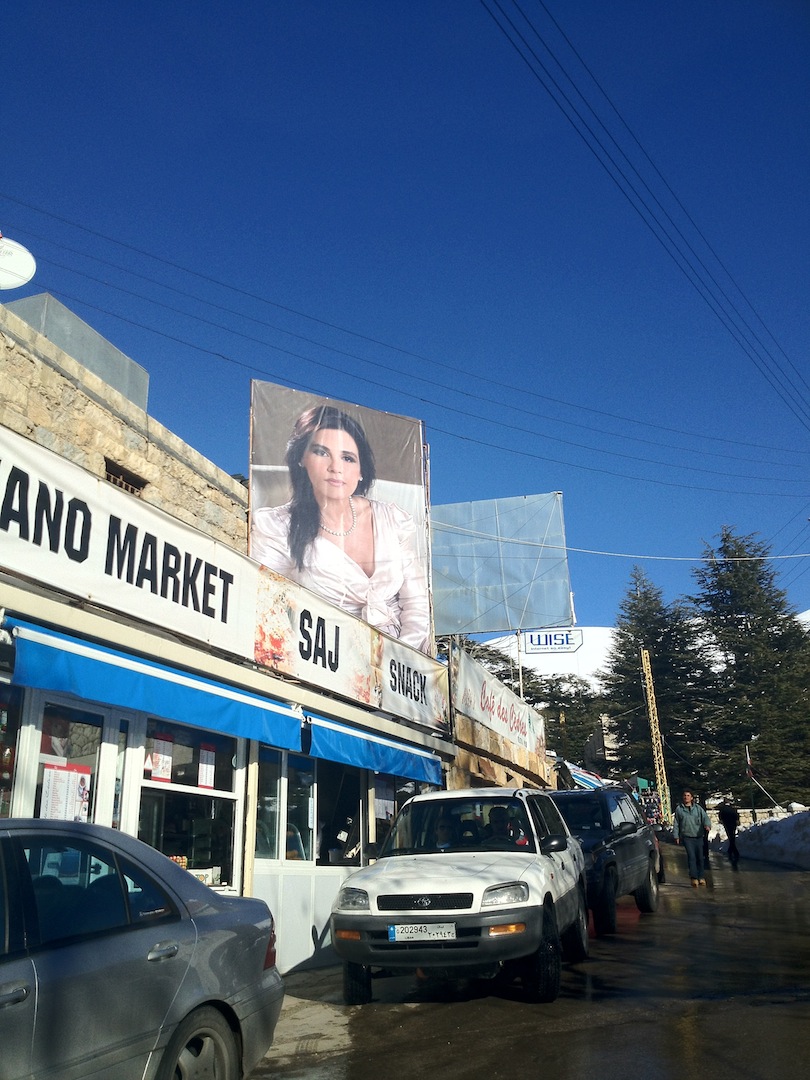
Your visit to the Bcharre region won't be the same without 2145 posters of gorgeous Setrida Geagea

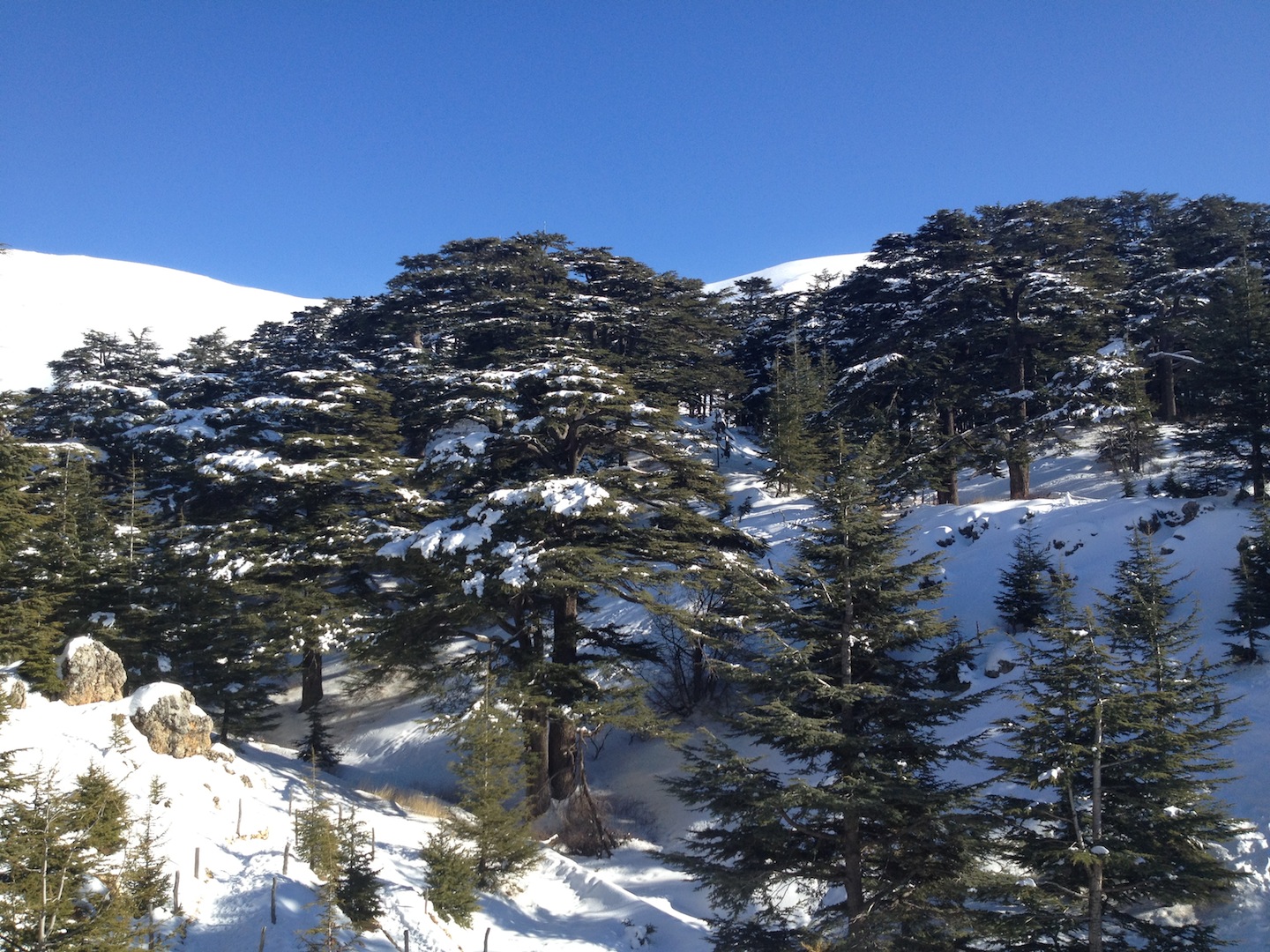
The Cedars of Lebanon

The Cedars of Lebanon - again

The snow on the Cedar Mountains

Another view of the snow

The Cedar Forest from afar


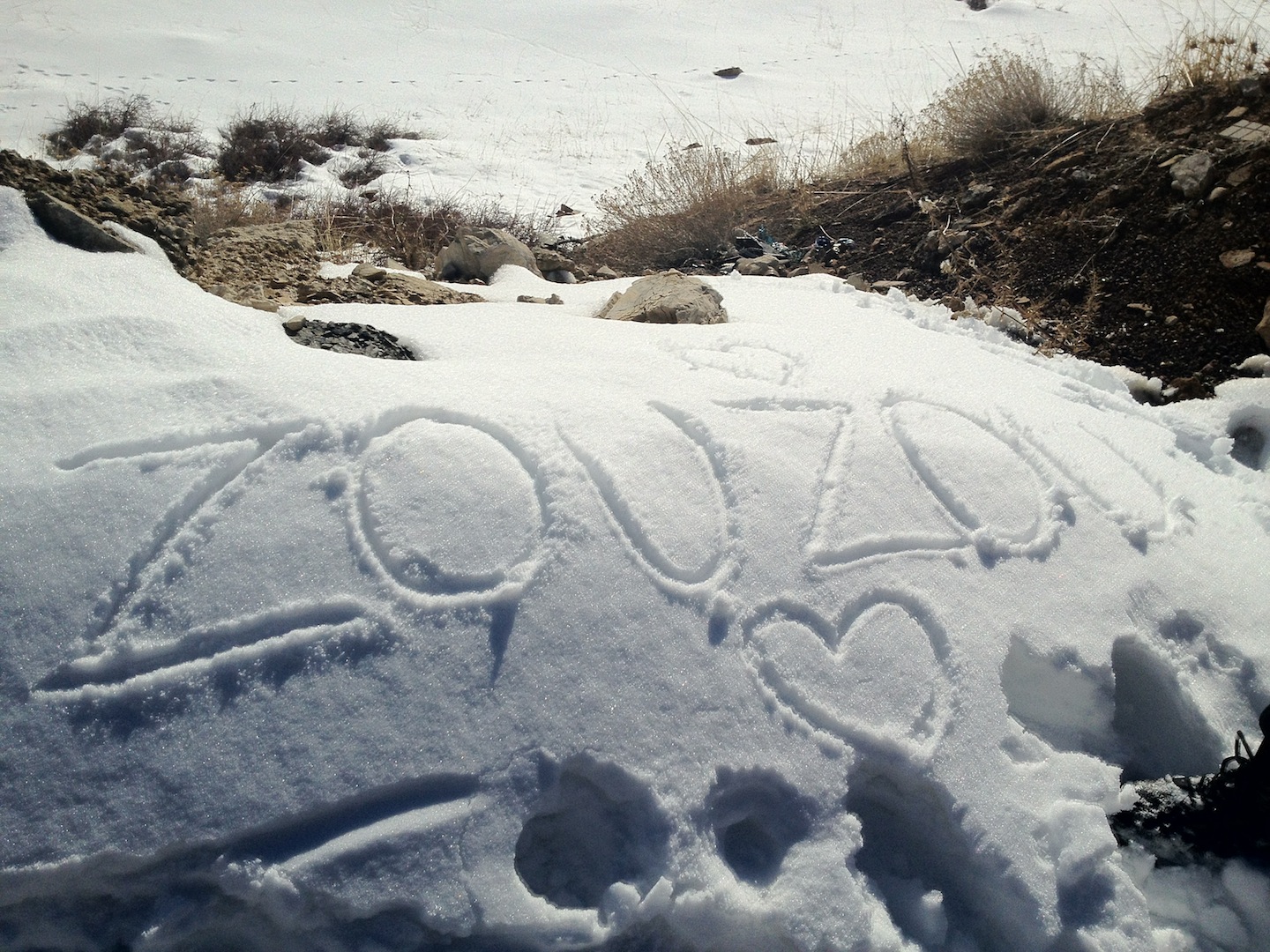
And then, just before leaving, my cousins decided to remember my brother, Joseph, who happens to be in the US as a foreign exchange student. So this is to Joseph:

All these pictures were taken with my iPhone 4S and were not modified in any way.

Beirut: The City That Rose Again – The Telegraph Article: A Commentary

I was reading this morning an article featuring Beirut in the British newspaper The Telegraph. You can check out the article here.

Ian Henderson, the article’s author, apparently visited Beirut recently with two very polarizing views in mind: one of people who thought Beirut is the next big thing and another which couldn’t shake the idea of a war zone out of their heads. And naturally, Ian Henderson fell head over heels with our capital: the diversity (church next to mosque next to synagogue), the food (obviously), the nightlife and how close it is from  many other areas around it.

I personally love reading articles like this even though they’re getting quite repetitive. The qualities about the Lebanese capital they keep mentioning are never original and are becoming more on the redundant side: same old, same old. Every foreign journalist that comes to Lebanon limits their stay in Beirut and visits some major site outside of the city. In this case, Henderson visited the ruins of Baalbak and was also fascinated by them. But I digress.

The point I’m making through this post is for these foreign journalists, who come to Lebanon and rave about Beirut, to know that there are many more fascinating areas awaiting them outside Beirut. Highlighting our capital is important because, at the end of the day, it is the first thing any tourist will see of our country (after we blindfold them on the way to downtown, obviously). But Beirut is not Lebanon as these journalists make it out to be. To be precise, Beirut is only 1% of Lebanon’s total area.

What’s sadder is that many Lebanese, born and raised in Lebanon, seem to forget that simple fact as well. I remember a story an American friend of mine, who happens to be very enthusiastic about Lebanon, once told me. He had Lebanese friends who stayed in Beirut all the time and thought the whole country was the big concrete mess that is Beirut. And they didn’t like it. They didn’t like the traffic, the noise, the commotion. But party they did. Go out in fancy cars they did. Living Beirut as a Lebanese beyond their means, they did. It took him a while to convince them to take their very fancy car and drive to the North or the Chouf area where forests, waterfalls, snow and gorgeous scenery can be found – for them to see that there’s more to Lebanon that its barren capital. And they loved it.

I’ve also personally experienced this firsthand when many of my friends hadn’t even heard of the Kadisha Valley in the North or of Belou’ Bal’a in Tannourine. These two sites, which happen to be a thirty minute drive away of each other through a beautiful mountainous road, are a breathtaking work of nature. The Kadisha/Annoubin valley is also called the valley of the saints for harboring Maronites during the times of their persecution around the 13th century. Instead, many Lebanese have their weekend planned around jumping around between Gemmayze and Hamra, from one pub to the next.

I’m not saying hitting pubs on a Saturday night is a bad thing. But to have a whole weekend happening only to serve that purpose is really sad. Few are those who go on impromptu road trips to places they’ve never visited or rarely visited before. Few are those who really venture out in their own country. Instead, we nag about how little green spaces we have in Beirut (and many of us extrapolate this to an even bigger scale and include the whole of Lebanon as well). We nag about how gorgeous our vacation abroad was without knowing that we have sceneries as beautiful, if not more, to the ones we say abroad.

I’ve written a post back in July about how Lebanese people nag and nag. This is not about that. This is about how we are helping build the image of equating our country with our capital. That image is beautiful. I love to wander around Achrafieh, Gemmayze (and sometimes Hamra), even though these neighborhoods are losing their culture by having their heritage torn down to make place for new high-rises. I love looking at downtown and compare it with pictures from the early 90s and see the extent of rebuilding.

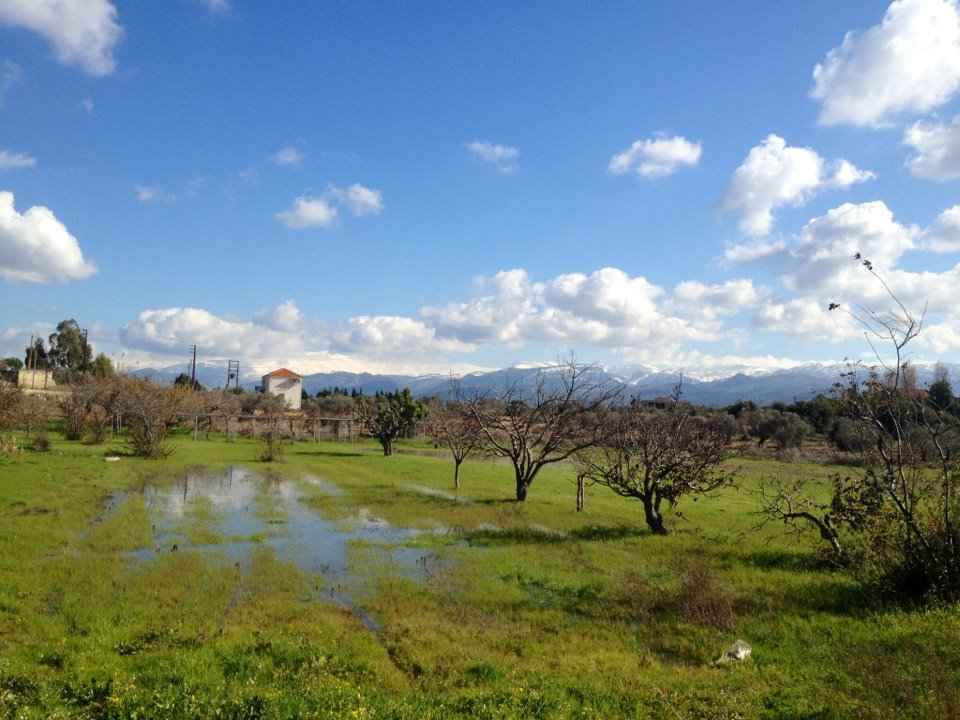
But you know what makes my heart fill up with joy? It’s to drive around my hometown and stop, a few meters away from my house, and look at the Cedar Mountains through a view like this:

I can see this from my house - no offense to Sarah Palin.

Or when I go to the Cedar Mountains and stand dumbfounded as to how absolutely brilliant the scenery is:

On the road to the Cedars - North Lebanon

Beirut is awesome. Beirut is lively. Beirut has been through much. Beirut is rising again. But Beirut is not all of Lebanon and perhaps those who visit Beirut and don’t like it (such as this blogger who described it as battered) need to visit other areas which remain pure and Lebanese.

The image of Lebanon equals Beirut is beautiful. But there are many more beautiful pictures out there to equate Lebanon with – and to spread to the world.

The Church of Kopimism: File-Sharing is Now a Religion

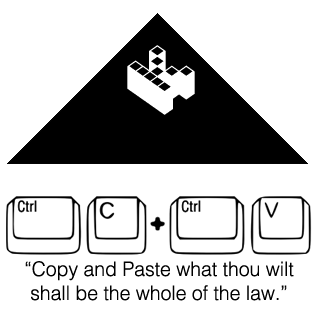
Sweden recognized the Church of Kopimism as a full-fledged religious institution just prior to Christmas. The founding principle of this “church” is that file-sharing and copying is a sacrement that cannot be touched. The Swedish acknowledgment of this “church” does not, however, legalize the sharing of copyrighted material.

Their holy symbols? Yes, you guessed it: CTRL+C and CTRL+V for the keyboard shortcuts of copy and paste, respectively. Or if you’re awesome and you have a mac, then it’s ⌘+c and ⌘+v for you.

Members of this church, who call themselves Kopimists, hold events called “kopyactings” where members copy and share information with each other.

I don’t know about you but I find this whole thing very weird. But why would Sweden care. They were just ranked as  #7 out of the top 23 countries for work-life balance.