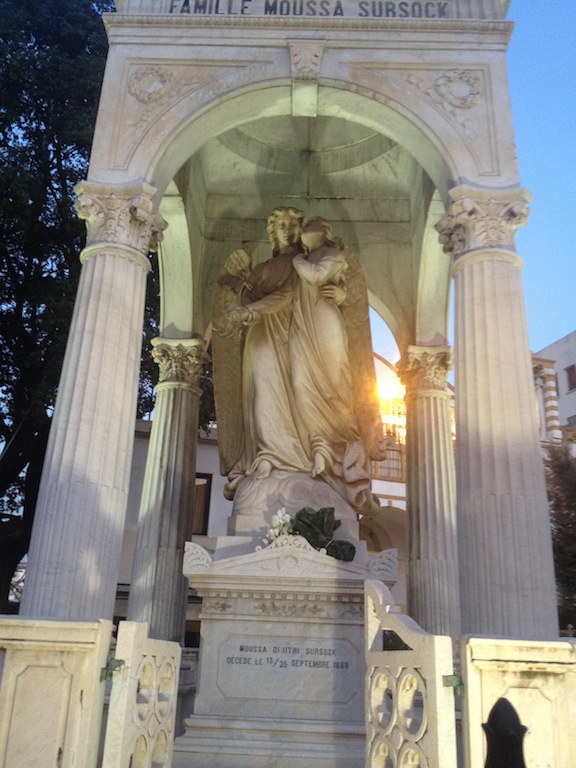
Winter in Lebanon: The Cedars

This past weekend, I decided to go with a couple of my cousins on a quick drive around the beautiful Lebanese North, which happens to be where I’m from.

The area in the pictures below is about a thirty minute drive from my hometown in the Batroun caza and the road is paved with gorgeous scenery as well. I had wanted to post this yesterday but the Telegraph article took precedence. Check out my commentary on that article here.

So in a way, this post will serve as further proof to what I presented in my commentary yesterday. Perhaps what was very surprising to me was that, despite it being a very sunny Saturday, the number of people hitting the Cedar slopes was very little compared to how popular Faraya seems to be even though this is a much nicer area to visit.

Moreover, while driving around these mountains, your mind is taken out of your car and to a whole other place altogether. You cannot simply drive around without forcibly stopping to try and take a picture that barely encompasses the beauty in front of you. They call the Cedar forest in North Lebanon: The Cedars of God. I think I know why it’s called as such: if God wanted to choose a place to live in (during winter), it’d be this.

It’s absolutely breathtaking.
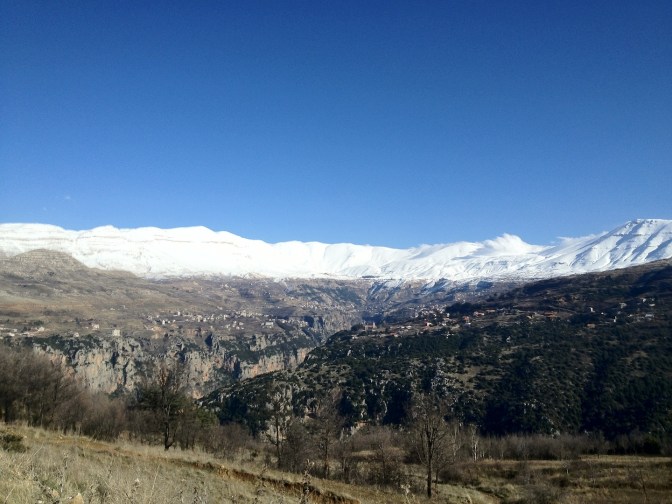
The view from a town on the way: Hadath El Jebbe

Entrance of Bcharre, the city.
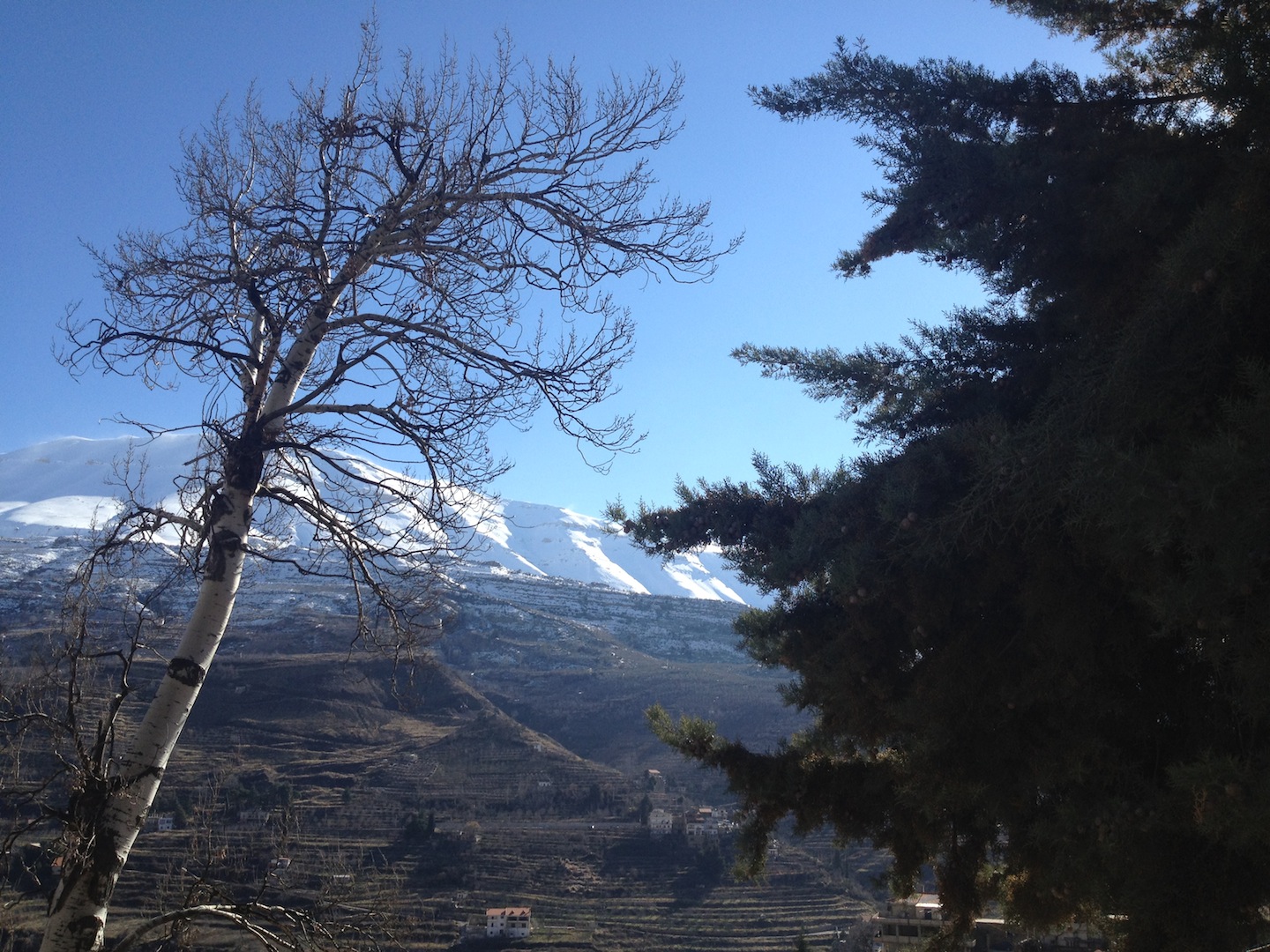
View from Bcharre, the city
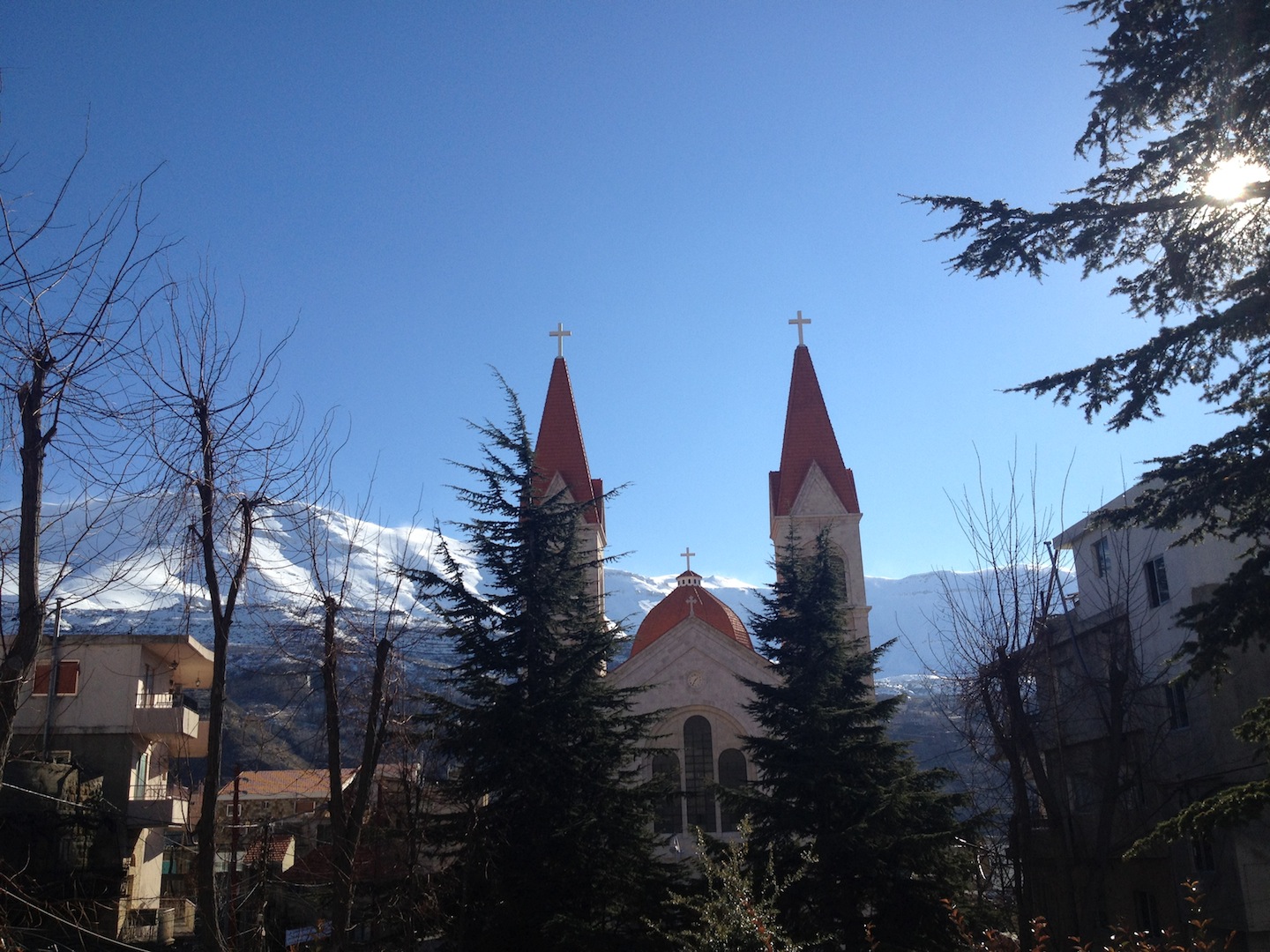
Church in Bcharre

The Cedar Mountains as seen from Bcharre
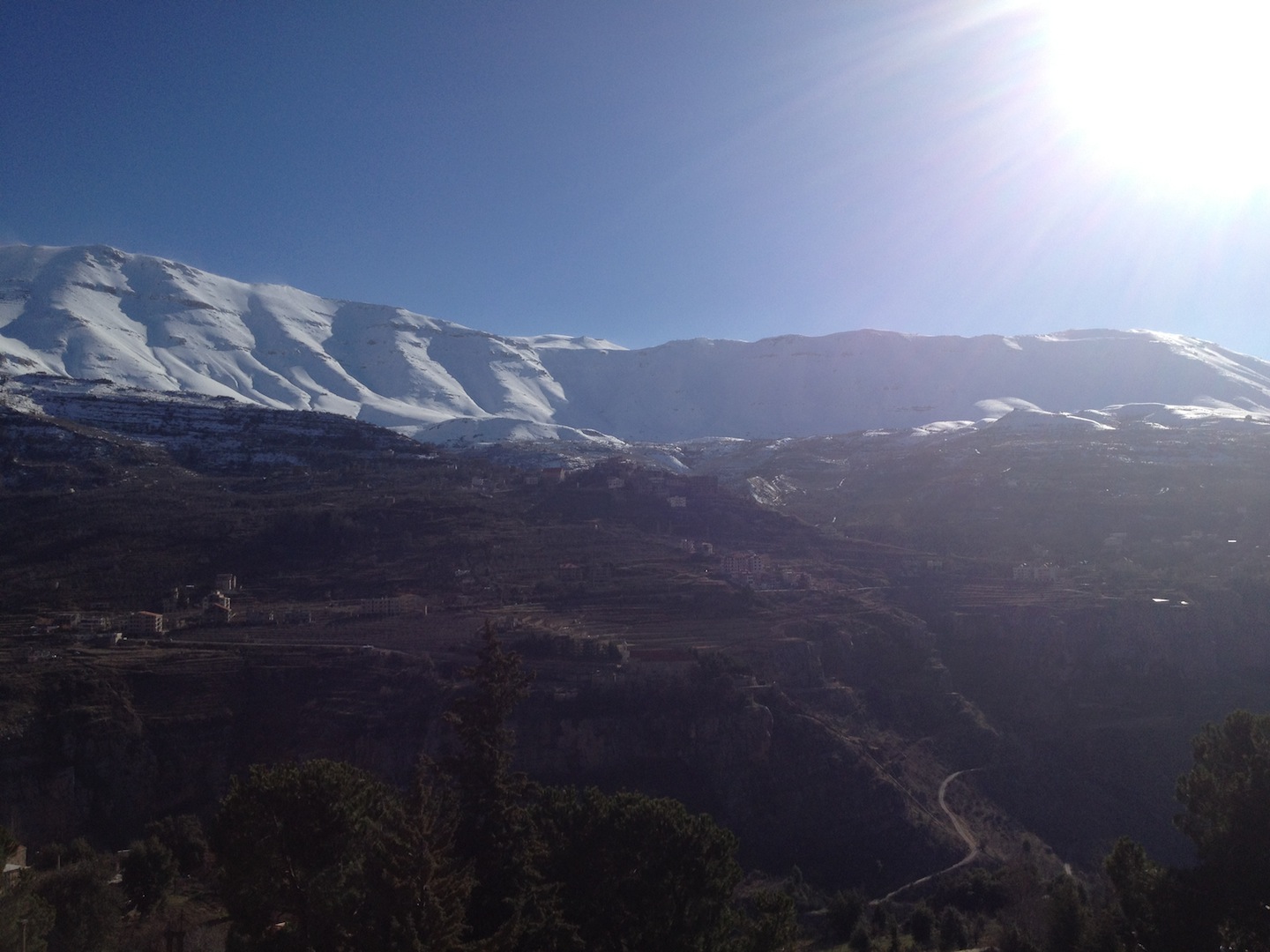
Another view of the Cedar Mountains from Bcharre
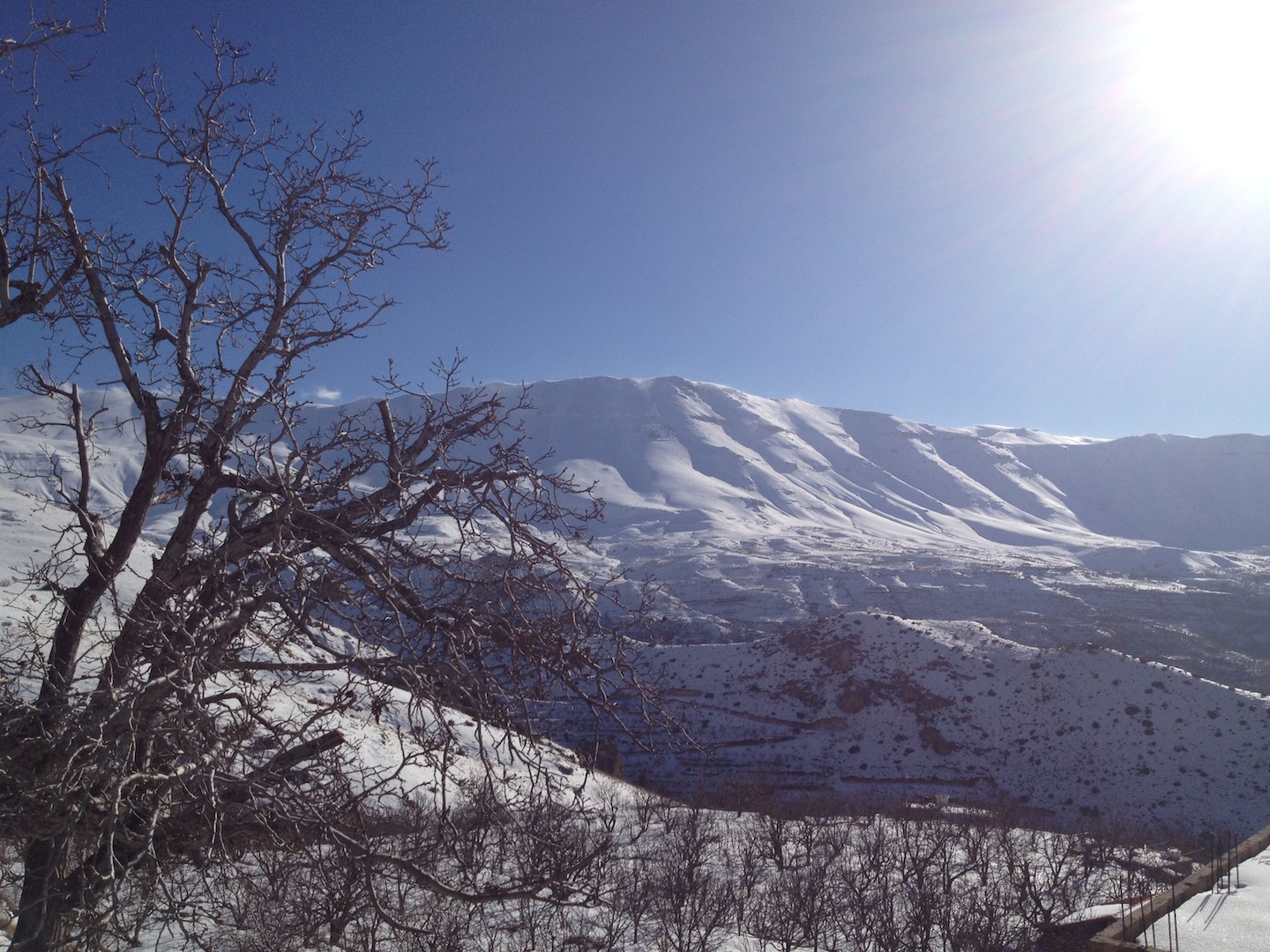
Leaving Bcharre towards the Cedar Mountains

Note to self: Converses are a bad idea in such circumstances
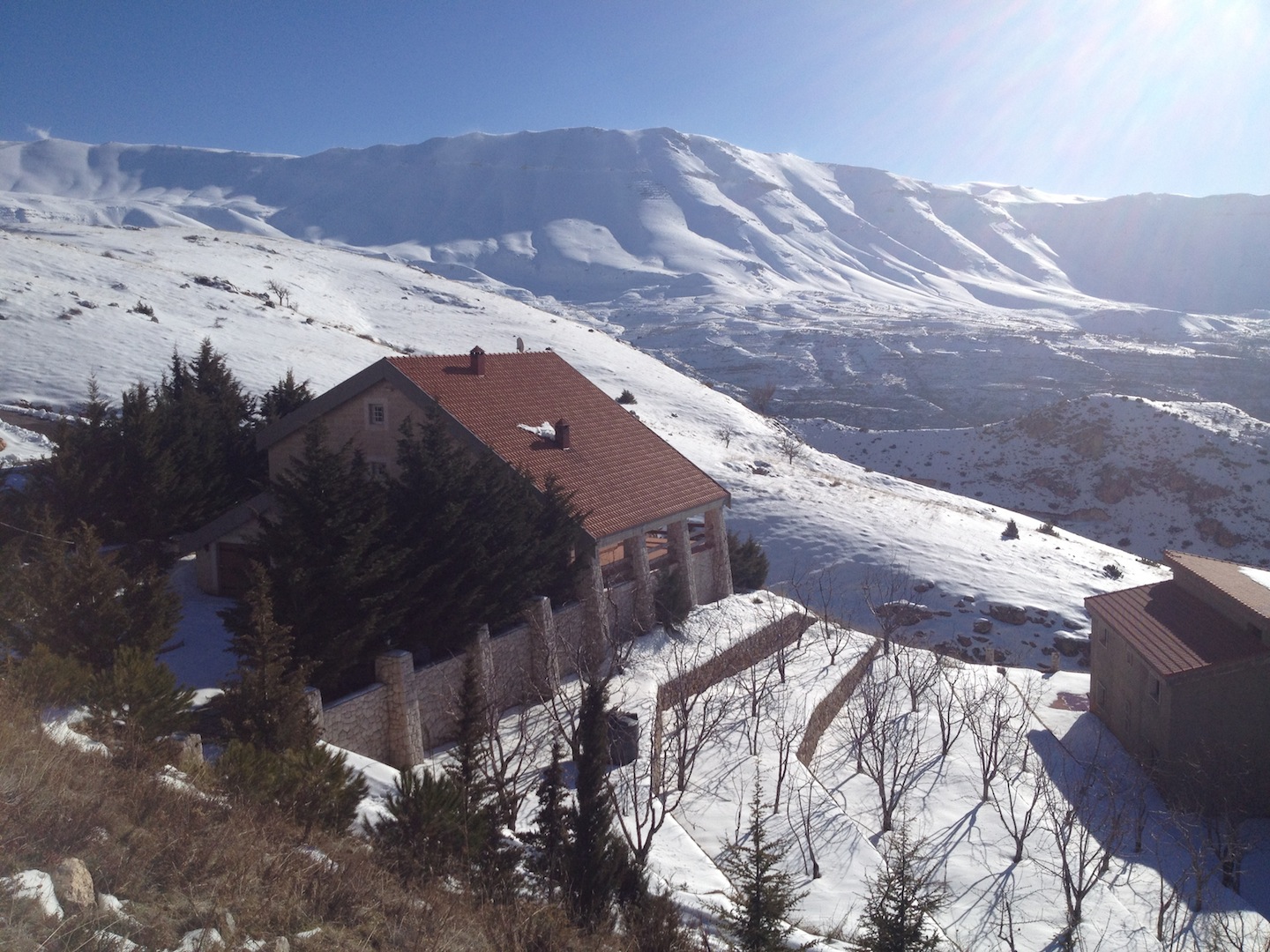
Awesome house. Can you imagine living here in winter?
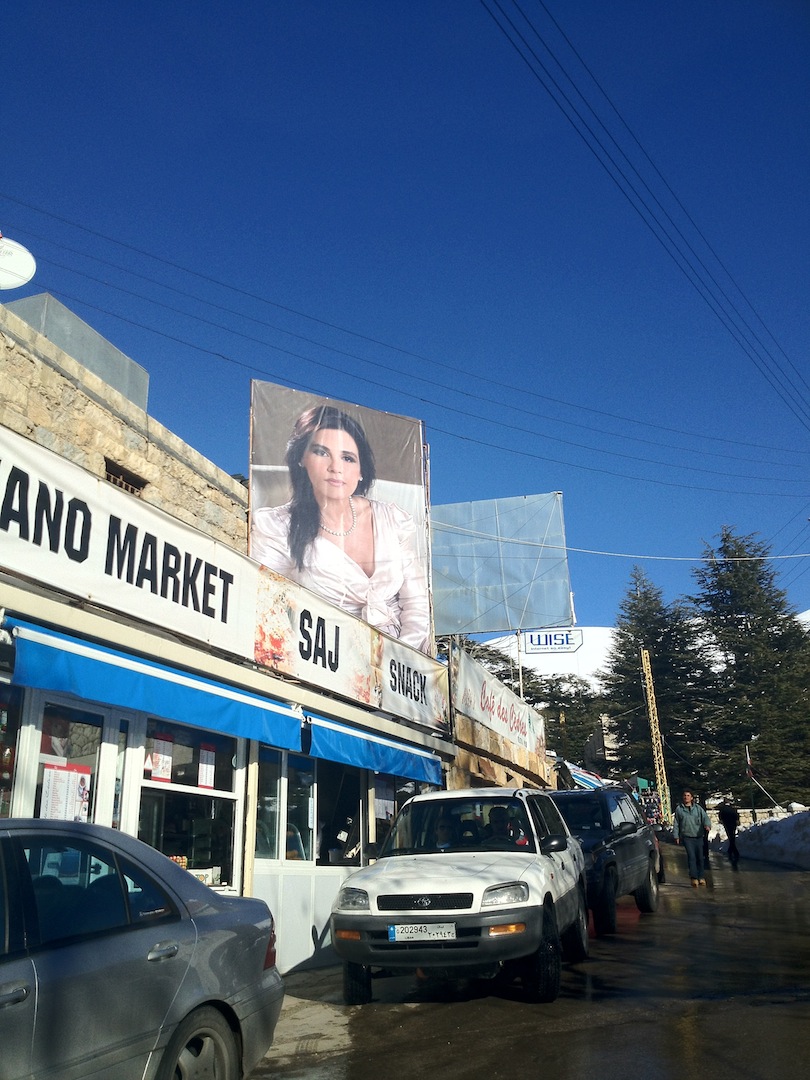
Your visit to the Bcharre region won't be the same without 2145 posters of gorgeous Setrida Geagea
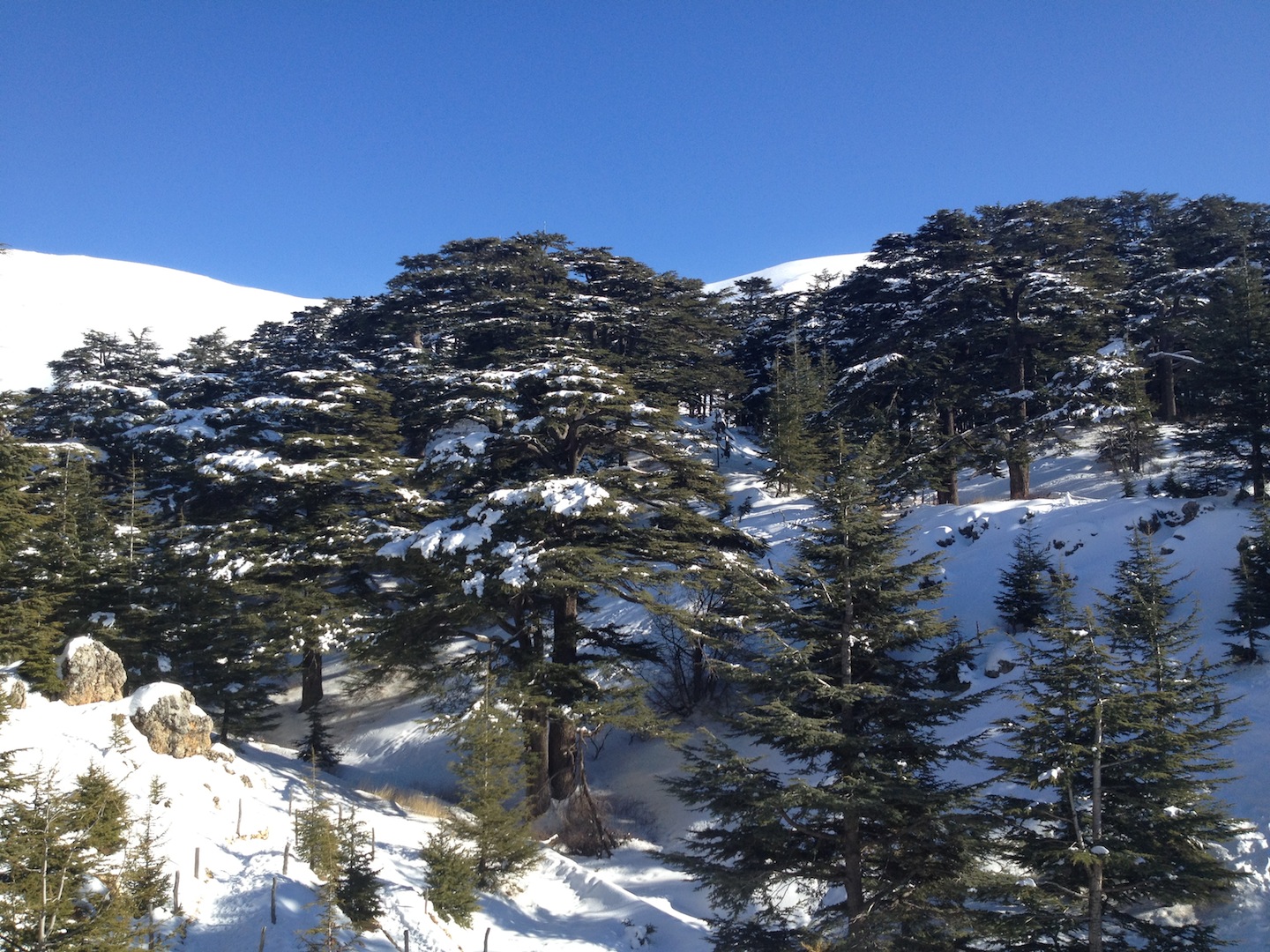
The Cedars of Lebanon
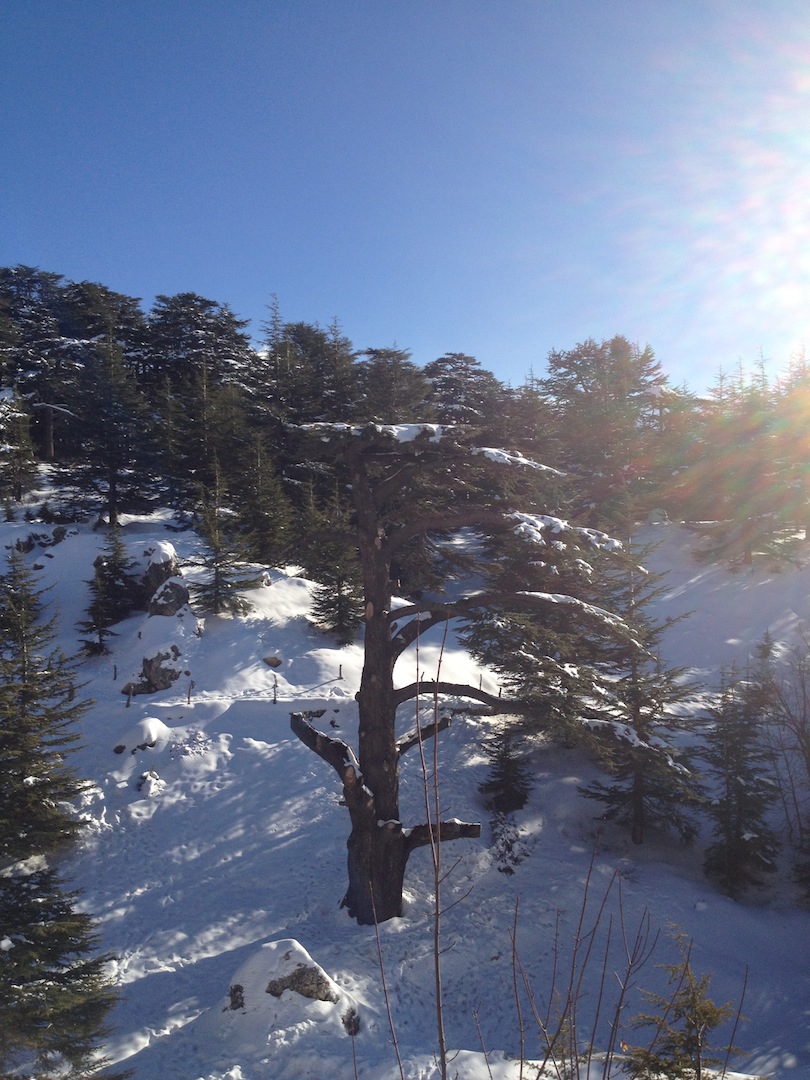
The Cedars of Lebanon - again
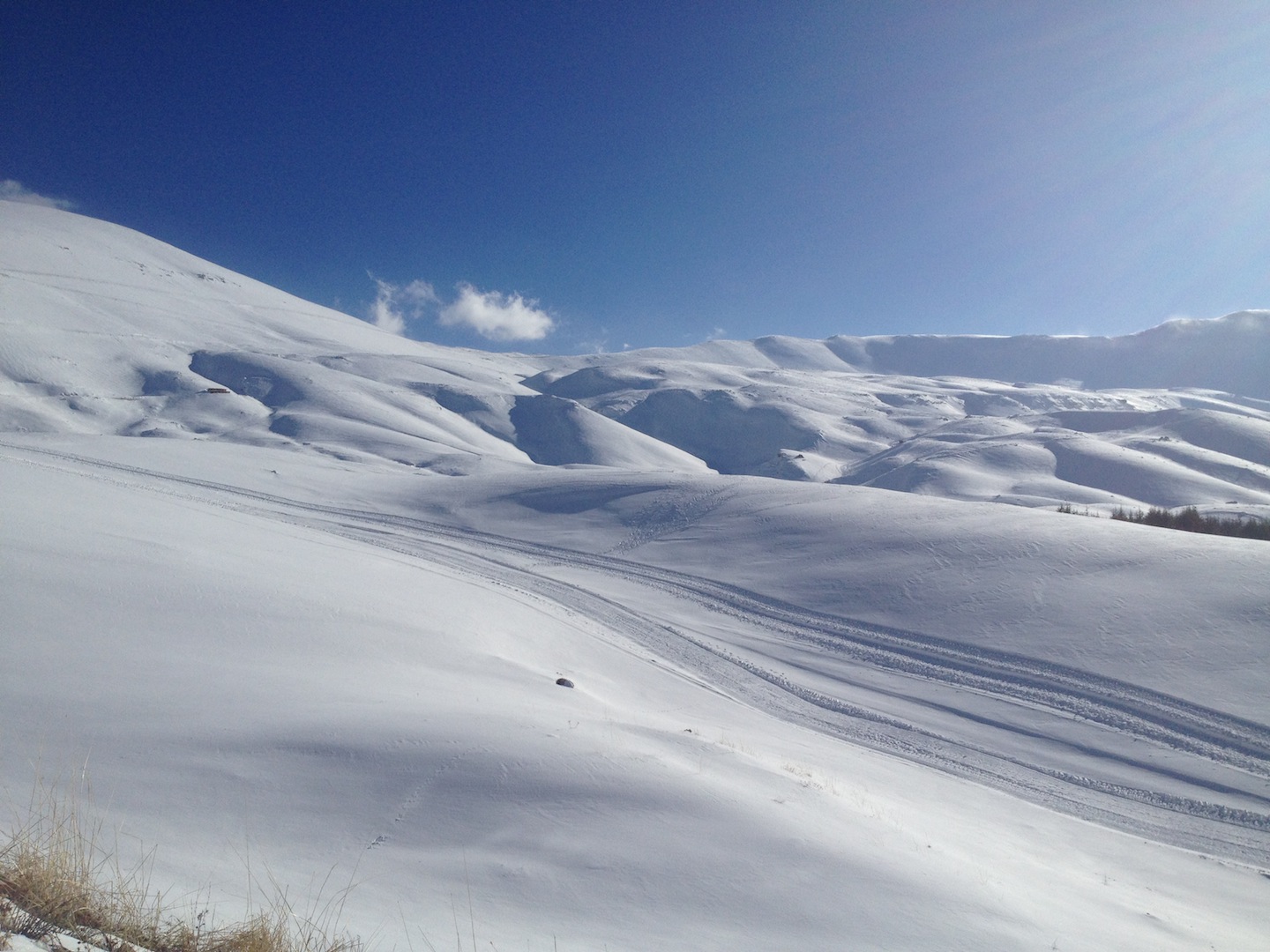
The snow on the Cedar Mountains
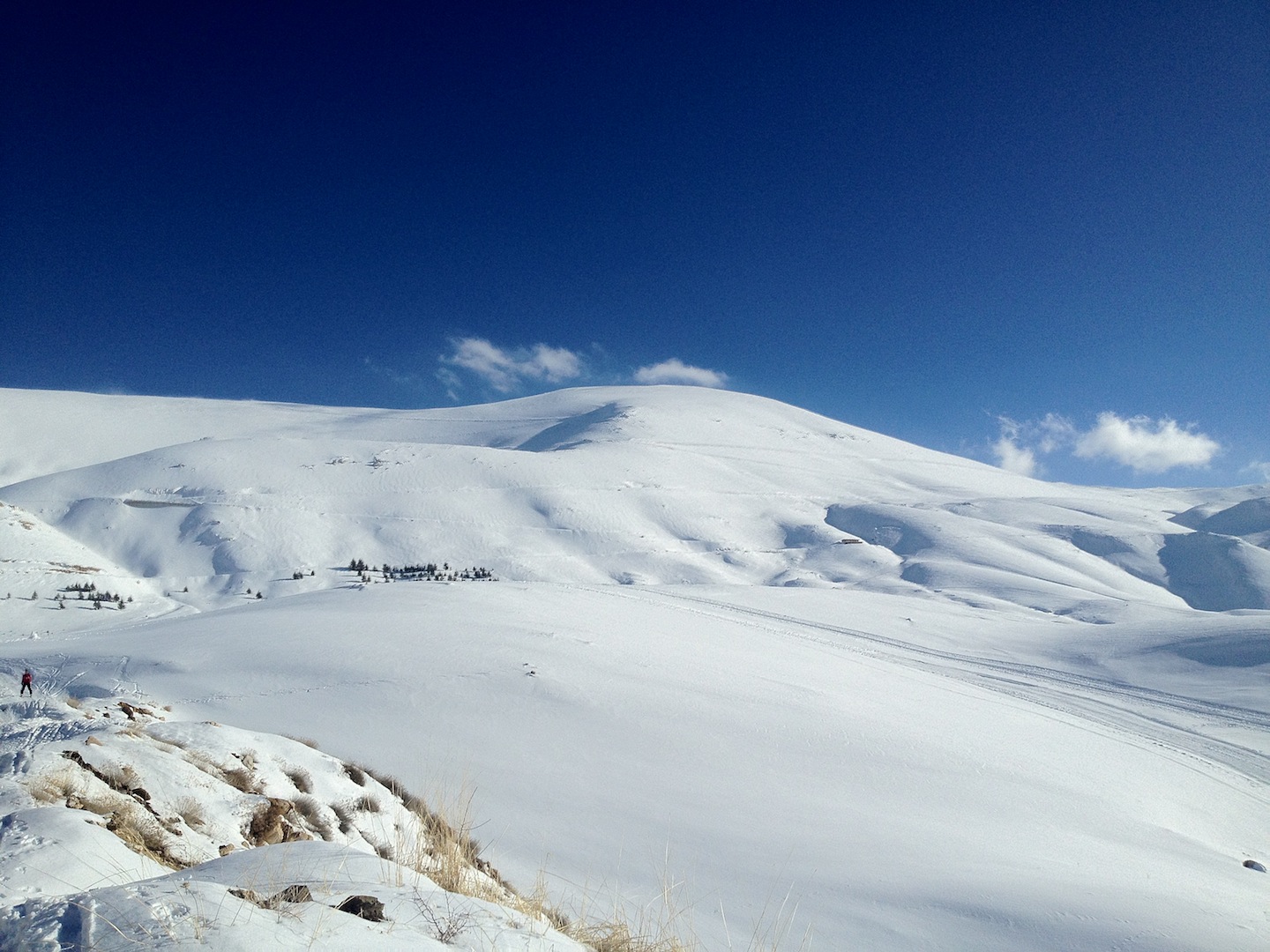
Another view of the snow
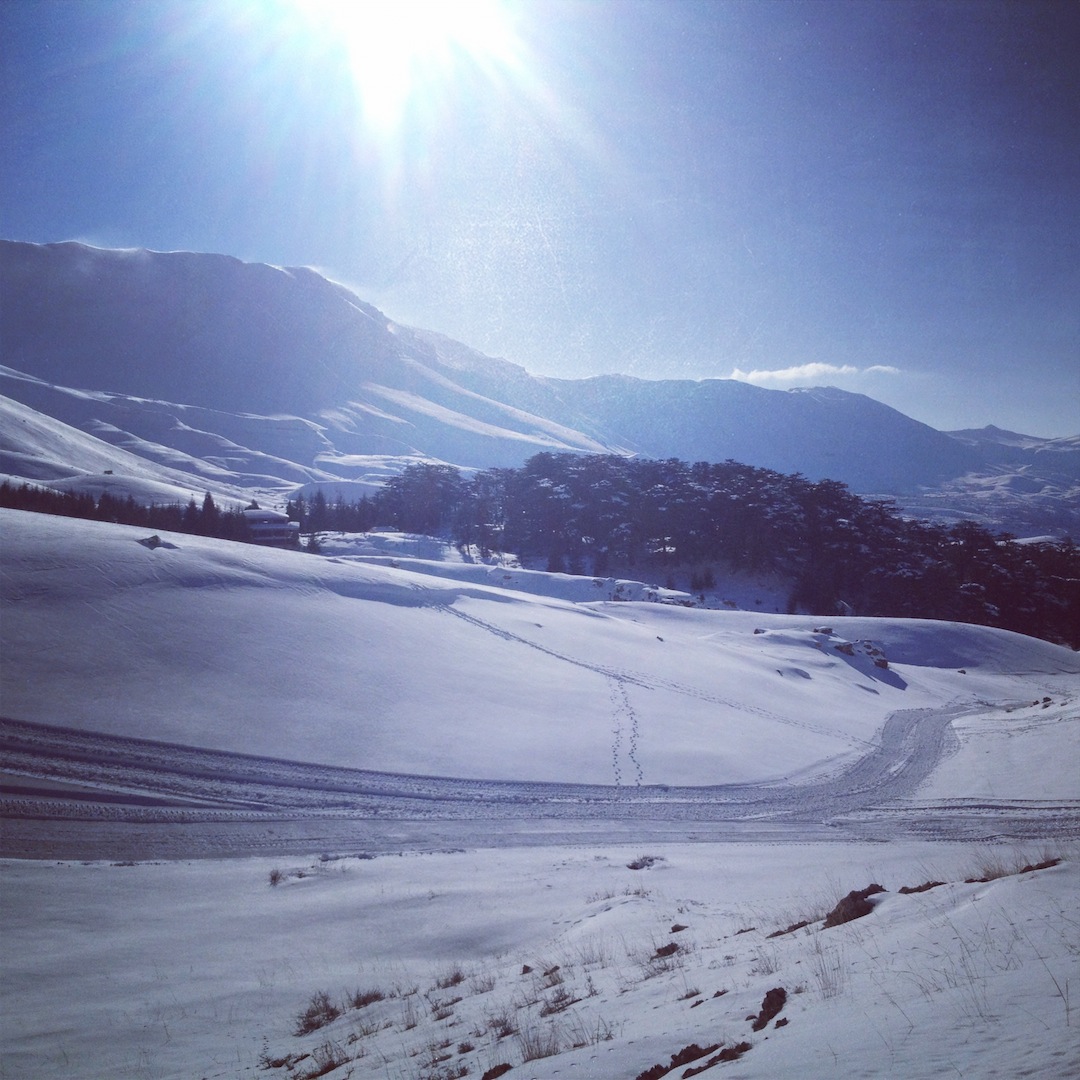
The Cedar Forest from afar


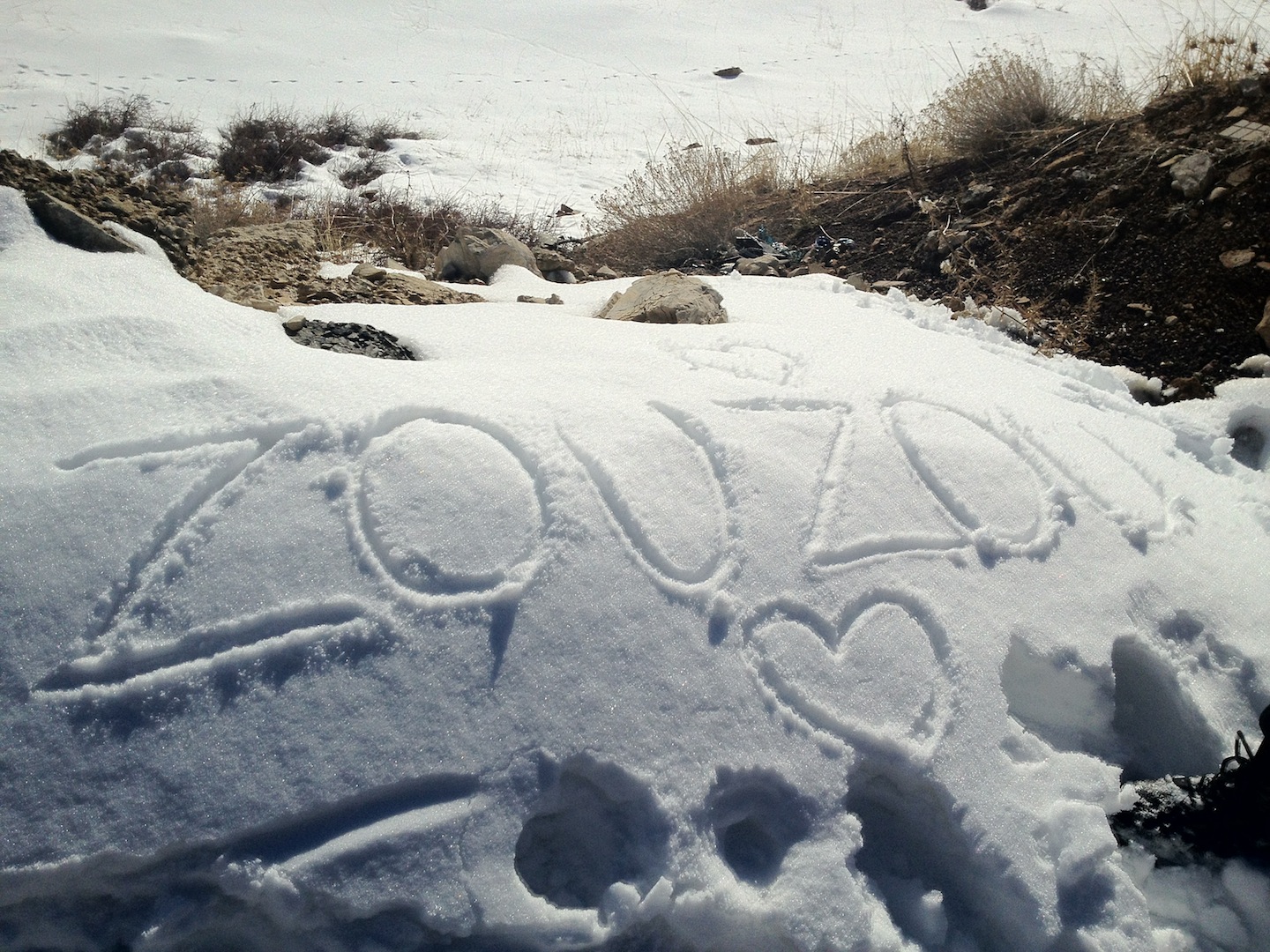
And then, just before leaving, my cousins decided to remember my brother, Joseph, who happens to be in the US as a foreign exchange student. So this is to Joseph:
All these pictures were taken with my iPhone 4S and were not modified in any way.

Destroying Beirut’s Culture: Achrafieh’s Mar Mitr Construction Site

It’s sad to see Beirut losing its culture with all these new buildings replacing better looking older ones daily. It hurts to see your capital slowly turn from a city with architectural taste to a concrete mess. But I never thought I’d see a construction site in the middle of a cemetery – let alone one of the most famous cemeteries of Achrafieh: Mar Mitr.

As I walked back from ABC with a friend yesterday, that friend (being the staunch Orthodox that he is) wanted to visit Mar Mitr for a few minutes. So I wandered around the mausoleums, which I find breathtaking, only to find a horrific site. Next to where people like Gebran Tueini are buried is what appears to be an extension of the church next to the cemeteries. And since space is sort of limited, what did those in charge think as the next best thing? Build on top of the mausoleums of course.

So instead of Mar Mitr being a collection of these:

It now has this to add to its “flavor”:

You’d think the block of concrete forming the Spinneys parking lot next to the cemetery would be enough. Apparently not. You know, sometimes a church is just good the way it is. I’m pretty sure extending the Mar Mitr church isn’t of a vital necessity.

The Church Explosion Derivation

On Sunday morning, an explosion rocked the Syriac church of Saydit Al Najat (Our Lady of Salvation) in Zahle. Every Lebanese official denounced the explosion, naturally, as a barbaric act, against the “example” of coexistence that is Lebanon, bla bla bla.

Now let us start our derivation of who is responsible for this attack.

Naturally, it can’t be a non-Lebanese because most Lebanese barely know of the existence of the targeted sect, let alone those who are foreigners and don’t know Lebanon has Maronites or any other major Christian sect to begin with.

Now that the non-Lebanese people have been taken out of the equation, this leaves us with those who hold the beloved and cherished citizenship. Of those, say 50% are Muslims and 50% are Christians. Now since we’d like to be optimistic, let us assume that our fellow Muslims would not do such a thing because it would break this example of coexistence.

Of the remaining 50% of Christians, no one would act except upon an act issued by their correspondent political leader. You have a bunch of irrelevant leaders who can’t get their followers to hurt a fly and then you have the big quartet.

Michel Aoun was probably still sleeping, long dreaming about him being Lebanon’s president, a dream that doesn’t seem to let him go. Add to that the fact that his supporters don’t know what a bomb is and you rule him out of the equation as well.

Sleiman Frangieh’s followers know very well what a bomb is. But Zahle is just too far away from his radar that you can’t make him a serious contender for the top prize. Add to it him being clueless most of the time and you definitely take his name off the list.

Amin Gemayel was still probably mourning his son. Or in the midst of the conversation that started on Friday evening. Either way, I don’t see him as someone who would issue the bombing as well.

Samir Geagea, however, *evil smile*, this man can definitely blow up a church. I mean, out of the whole bunch of politicians today, he is the only criminal, right? And he has blown up a church before. Granted, he was exonerated, but he did blow it up, no? His party is also made up of a bunch of high school dropouts who don’t know how to write their names, so naturally, they know how to handle bombs. Also, as a wise person from Bsharri would say: If Geagea thinks a church needs to be blown up, then the church needs to be blown up.

Meanwhile, the seven Estonians are still missing. Telecom minister Charbel Nahas is still in his cat-fight with Ogero CEO, Abdel Menhem, and the country is more prosperous than ever. Some Lebanese stupidheads took the headlines with their pro-Syria protests… why would anyone care about a silly Church getting blown up?

PS: In case you didn’t notice, let me hashtag it for you: #sarcasm.

The Maronite Church and Lebanon’s New Patriarch

The Maronite Church has spoken and has chosen Beshara Al Raai as the successor to Nasrallah Boutros Sfeir, as the patriarch.

I will not enumerate the many qualities this man has. I’m sure the Bishops that chose him have chosen well. I just hope that he is at least half as good as his predecessor, Nasrallah Sfeir, who was as great as greatness could be.

I hope this new patriarch stands by what he believes in and does not waver, even when things get tough, like his predecessor. He will be submitted to great pressure. Many are going to want to see him fail and on a few occasions, he will make mistakes. I hope he perseveres through all the hardships because we, as Maronites and Lebanese, deserve to have “the Good Shepherd” in these dark times. I hope that he continues in the legacy of the Maronite Church, as a rock on which Lebanon was – and will forever be – built.

Tribute To One Of The Greats: Patriarch Nasrallah Boutros Sfeir

In a few days, the Maronite Church and Lebanon will end an important chapter of their history. No other man in current Lebanon has left a more durable print on the ink of Lebanese history than Patriach Sfeir, whose resignation from head of the Maronite Church was met with grateful sadness from many and jubilation from a few.

I will not enumerate the many achievements of this man – for those achievements are imprinted in every free Lebanese’s mind. Patriarch Sfeir has fought for Lebanon and continued the legacy of the Maronite Church’s continuous struggle to make Lebanon a suitable home for every Lebanese, not only Maronites.

Patriarch Sfeir has been beaten down – literally and figuratively – during his twenty five year run as head of the Maronite Church. And yet, he did not let down. Regardless of the many insults and blows he was dealt, he persevered. The betterment of the nation was superior to his own well-being. He handled it with wisdom and serenity.

He was a leading voice against social and political injustice in Lebanon, of which his people suffered immensely. He played a great role in keeping together what was left of his country when everyone wanted a piece of that country. It is because of this man and the institute that stands behind him that we can say that today, regardless of how weak it might be, we have a country to our name.

He was a voice of reason when reason was not appreciated. He was firm in his stances when firmness meant a pertinent life threat. He had a futuristic vision of a future that many saw was bleak. And in many occasions, his vision turned out to be true.

I, as a Maronite, am proud to say that this man has represented me for the past twenty five years. Regardless of whatever mistakes he might have made, and we all make mistakes.

He may have left his Patriarchal seat, but Patriarch Sfeir will forever be seated in our hearts and minds. They say that the glory of Lebanon is given to the Patriarch – whoever he may be. But Patriarch Sfeir has given Lebanon and Maronites glory beyond glory…