Lebanon in the 1960’s – The Golden Age

Almost all our parents tell us about the days when Lebanon was the golden country of the region. They tell us about the days when Beirut was called the Paris of the Middle East. They tell us about “Sahet Al Burj” (now Martyr’s Square in Downtown) and how lively it was.

We also heard stories about the train that used to run in Lebanon. I, for one, have a family member that worked as a train conductor back in the days.

But for all they are, these tales remain as they are – stories – of a long lost past that we try to make out pictures for in our mind.

How about a real-life video of Lebanon in the 1960’s? Well, there’s just the thing. And it’s a few minutes long, done by Harold Baim for the BBC. Bank Audi’s ad about the importance of the “lira” apparently took a scene straight out of this.

I, for one, had a sad smile as I watched this. It made me proud to know that my country was simply this awesome at one time. It also makes me really sad that it’ll be very difficult for us to get this back.

Women wore bikinis to the beach and didn’t care to be filmed. Jounieh’s bay actually has green spaces. Beirut’s skyline isn’t full of useless ugly high-rises. Perhaps the only place in the video that still looks pretty much the same is the gorgeous Lebanese North – mostly because it is one of the country’s most underdeveloped areas.

But who or what are we to blame? our go-to-for-blame sectarian political system? Absolutely not. We only have ourselves to blame: letting foreign armies into our land to govern us, not having any futuristic approach regarding civil planning, selling land to whoever and however, demolishing Beirut and turning into an identity-less concrete mess – even building inside cemeteries.

We may not be able to turn the clock. But at least you can stop the hurt before it runs deeper than it does today. Maybe it’s time to lessen the endless political bickering and focus on laws that help us preserve whatever identity we have left.

Former culture minister Salim Warde had a great initiative regarding this, one that got shoved into the depth of some bureaucratic drawer as his government toppled. This legislation is something we terribly need right now.

“Without roots and heritage there is no future,” Warde said. Perhaps by having tangible proof of ours, we can work towards saving our future.

Lebanese Civil War Stories – Part 3

Continued from Part 2.

Saint George’s Hospital was packed. Simon’s mom looked at the multitude of strangers in front of her. They were all in agony. The mothers that had lost sons, the wives that had lost husbands…

She was asked to come down to the hospital. She didn’t know why but she felt it was odd that her sons hadn’t come back home yet. But for all she knew, they were hiding out at some relative’s house.

On her way there, she had heard how her brother-in-law’s son, my uncle John, was hit and taken to the Geitawi hospital. She knew his condition wasn’t severe. But why was she in Saint George’s hospital?

She looked around. Strangers. There wasn’t any face she recognized. And somehow, she couldn’t even connect to their pain. So she sat there, in the waiting room, waiting for God knows what.

But then she noticed the whispers. Why were the people there looking at her through sad eyes, breathing out worried words she couldn’t comprehend with their tired mouths.

And suddenly she felt there was something she didn’t know. And she started to get worried. Her sons hadn’t gotten home. Her oldest son, George, had gone to get his sister from school. Her son Simon had supposedly also gone to do the same thing.

Why weren’t they back yet? They should have been back when she left the house. Something must have happened to them…

And like every concerned mother, her train of thought took her from being in a relatively comfortable state to a mental wreck.

One of the doctors ran in front of her. She stood up and shouted “take me to your morgue”.

The doctor stopped in his tracks. He turned around and looked at her. “My sons are in your morgue. I need to see my sons”.

Continue reading

There Goes My Heart… Home

We all know how it feels to be home… you’re too comfortable being there, you’re yourself there… But you know what feels even better than being home? Going home after a long absence.

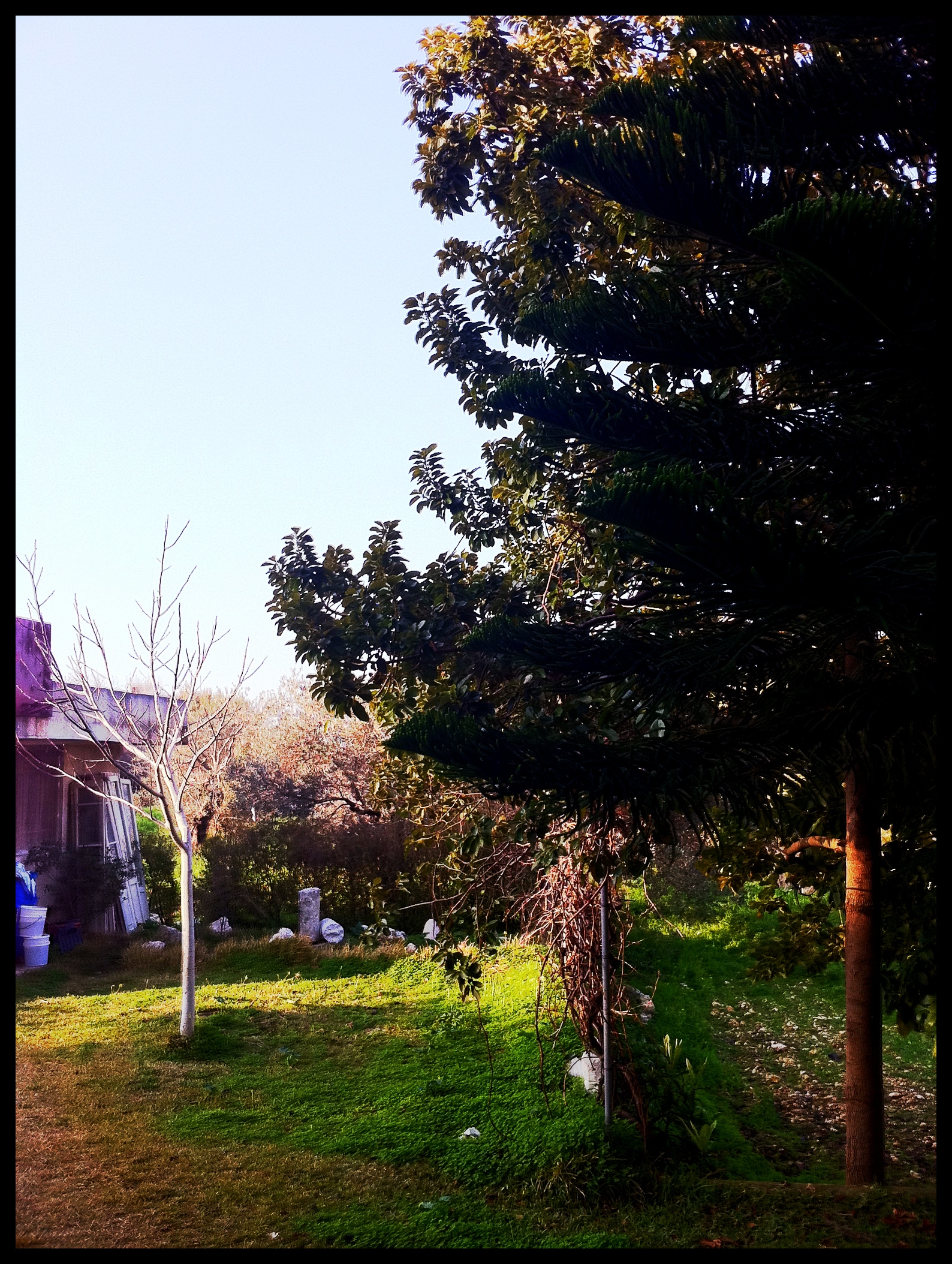
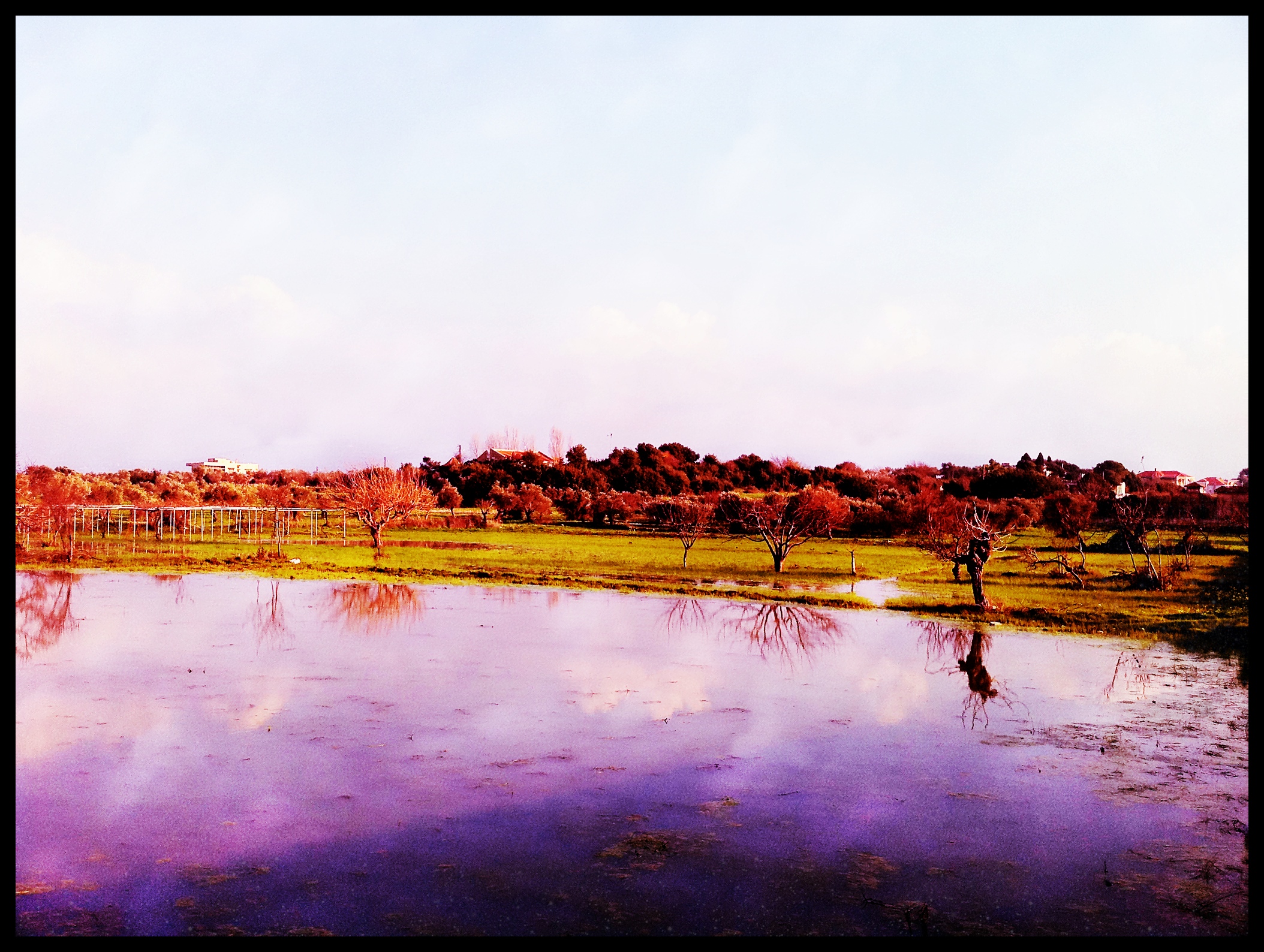
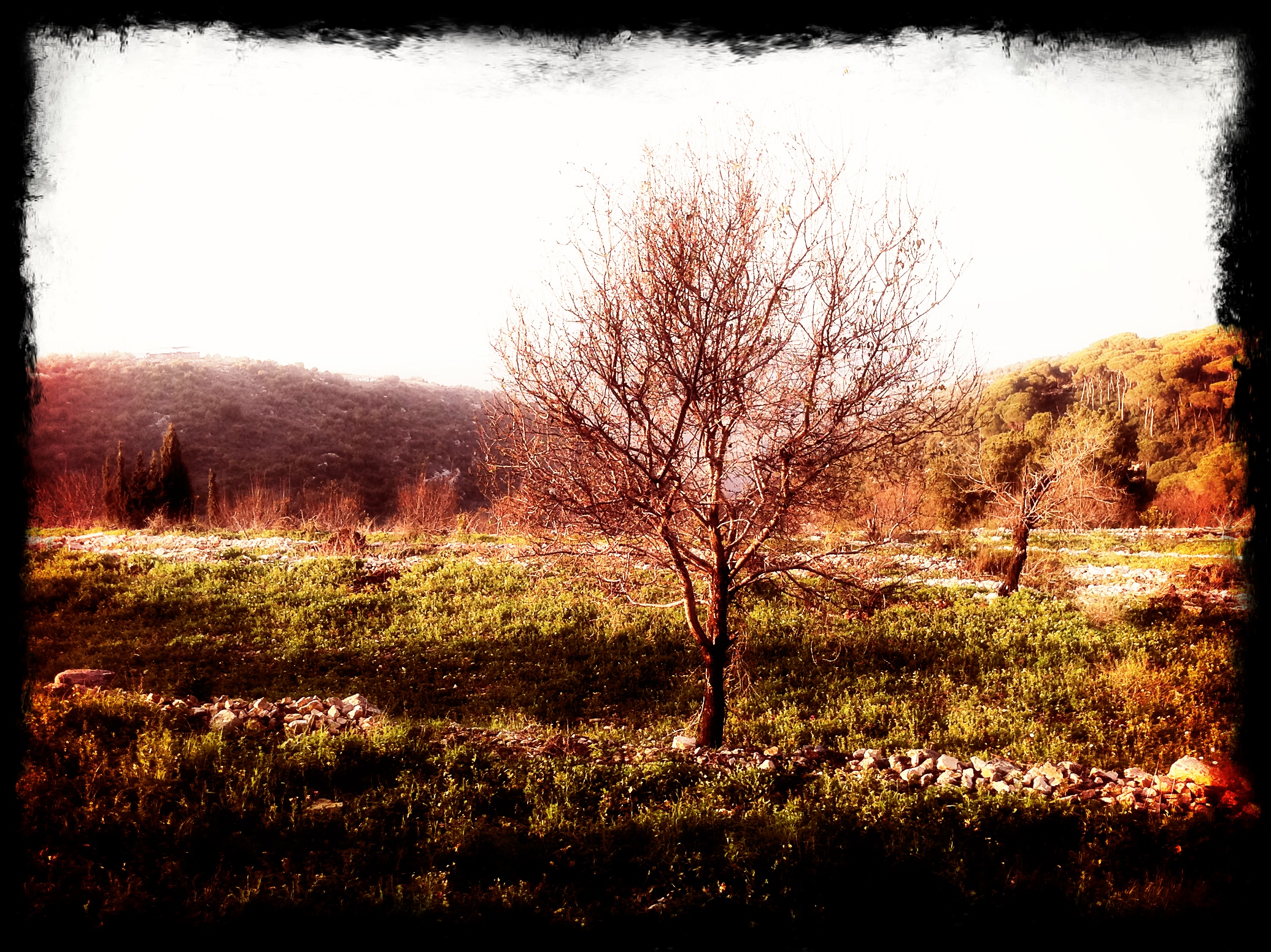
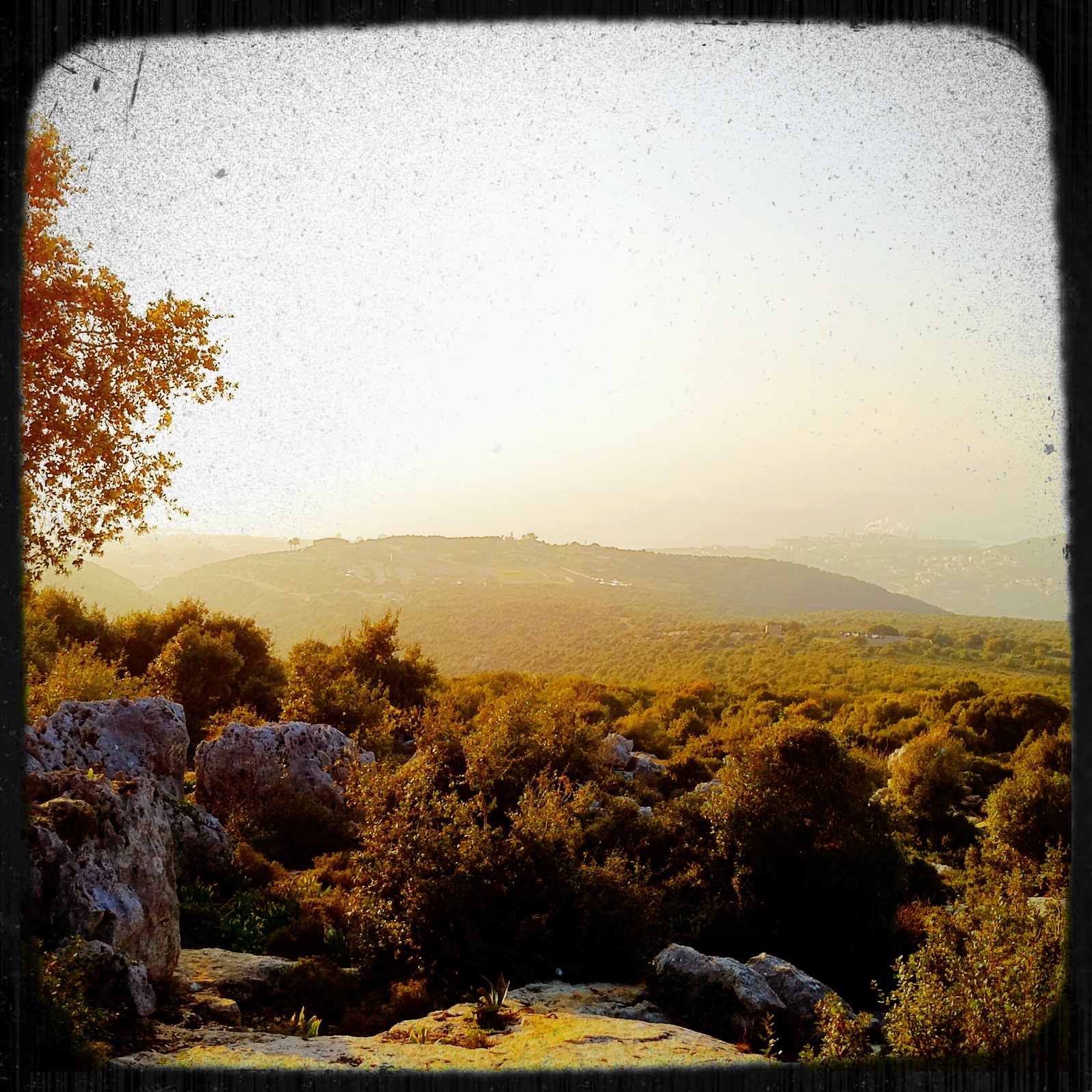
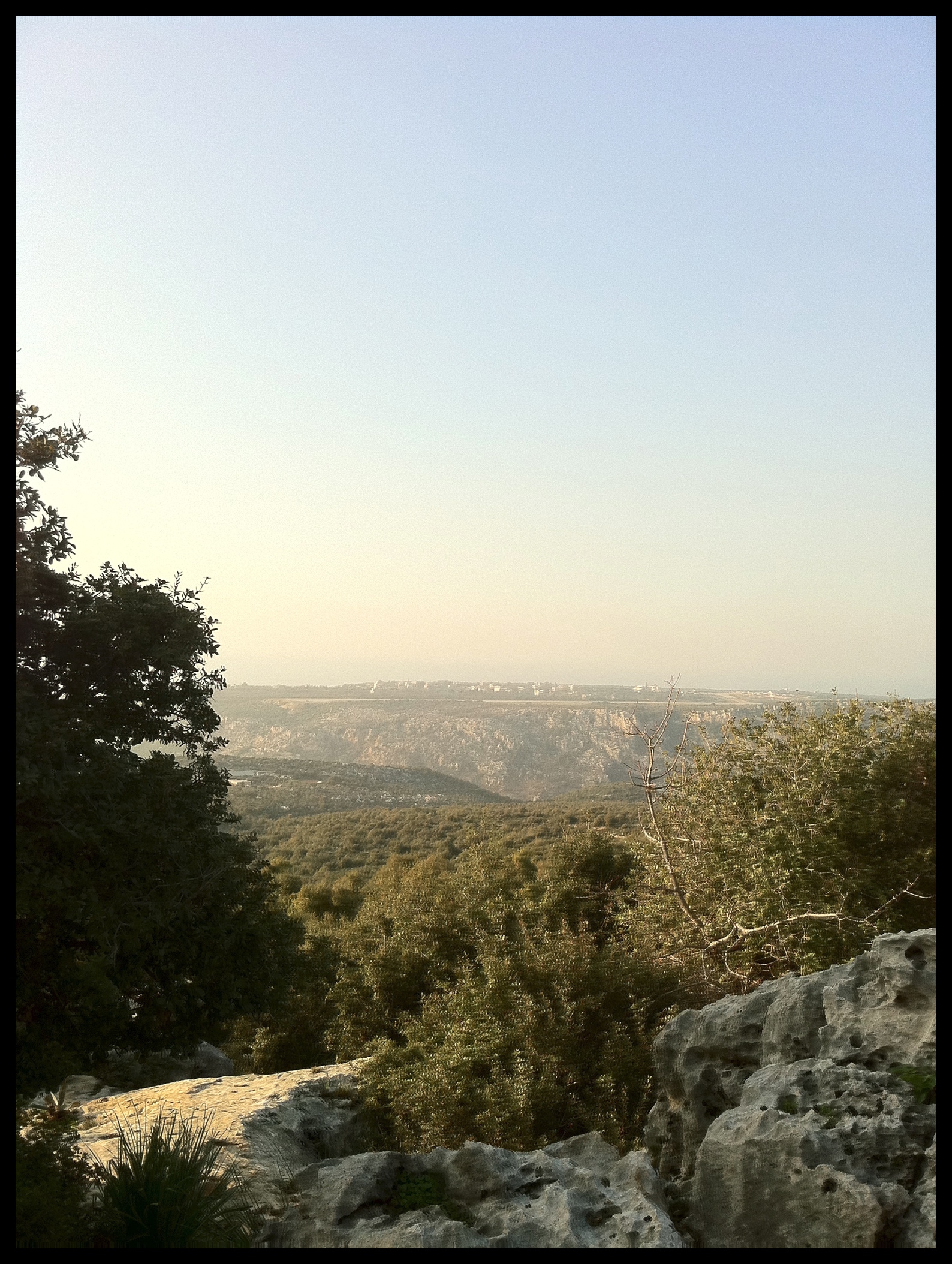
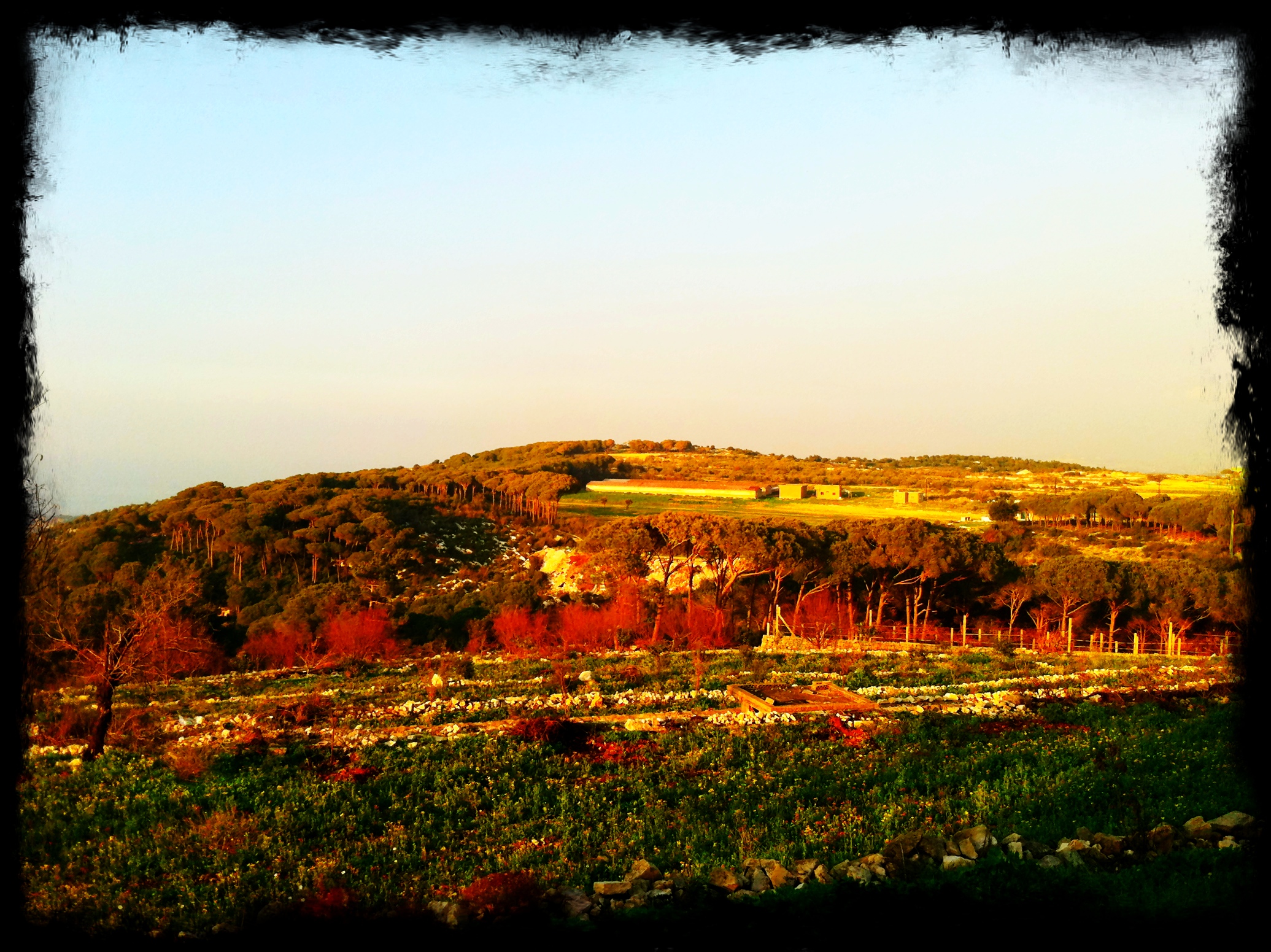
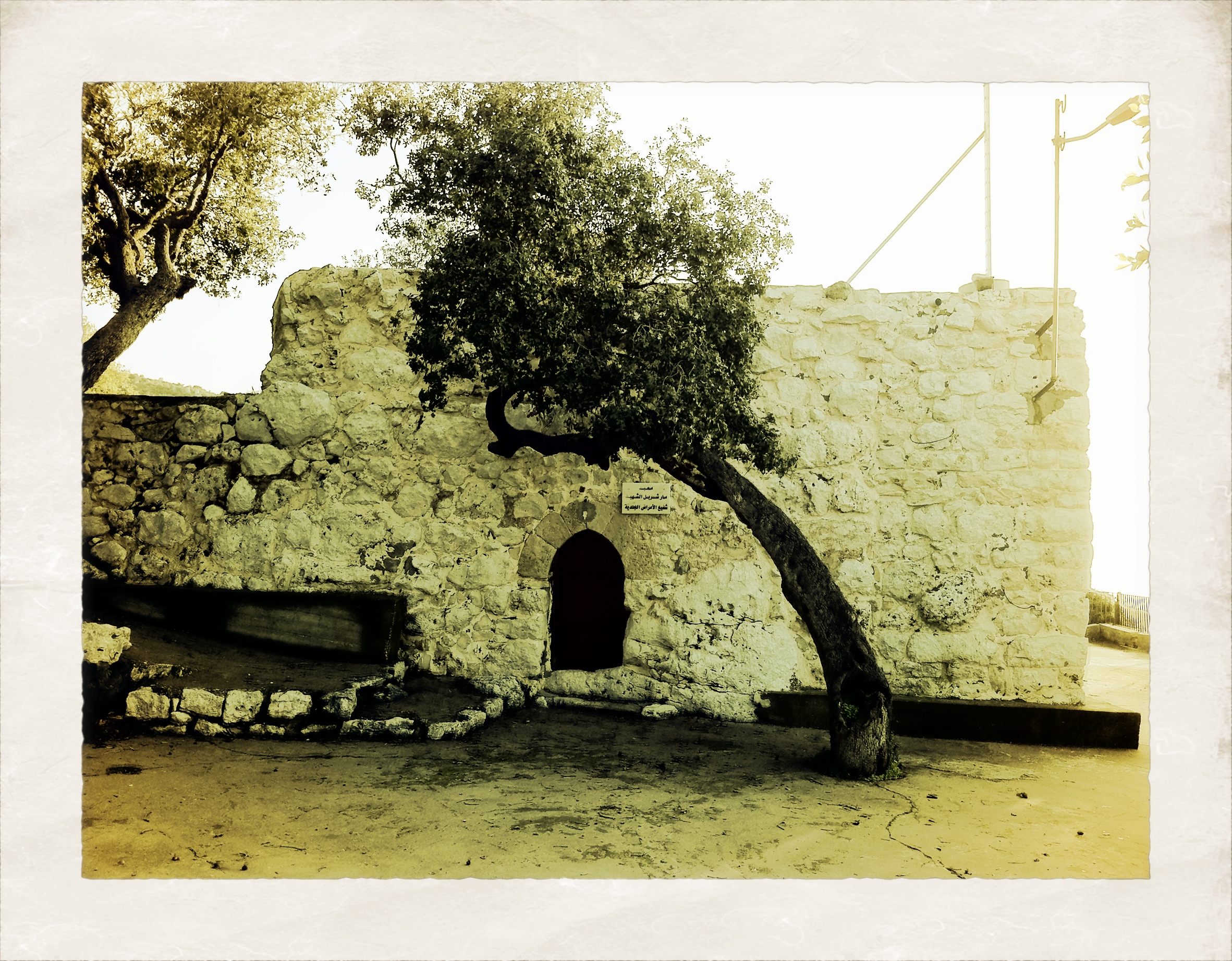
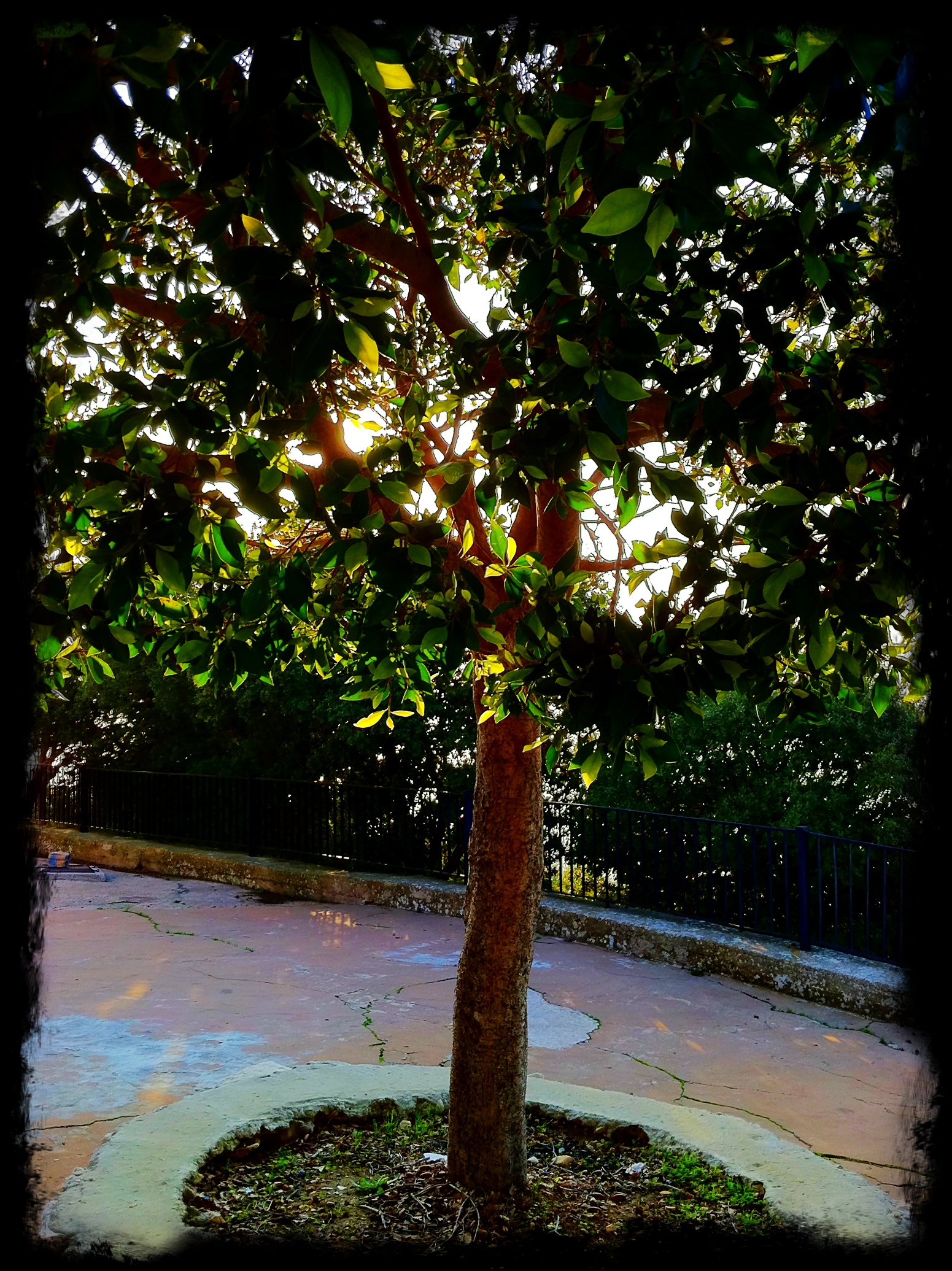
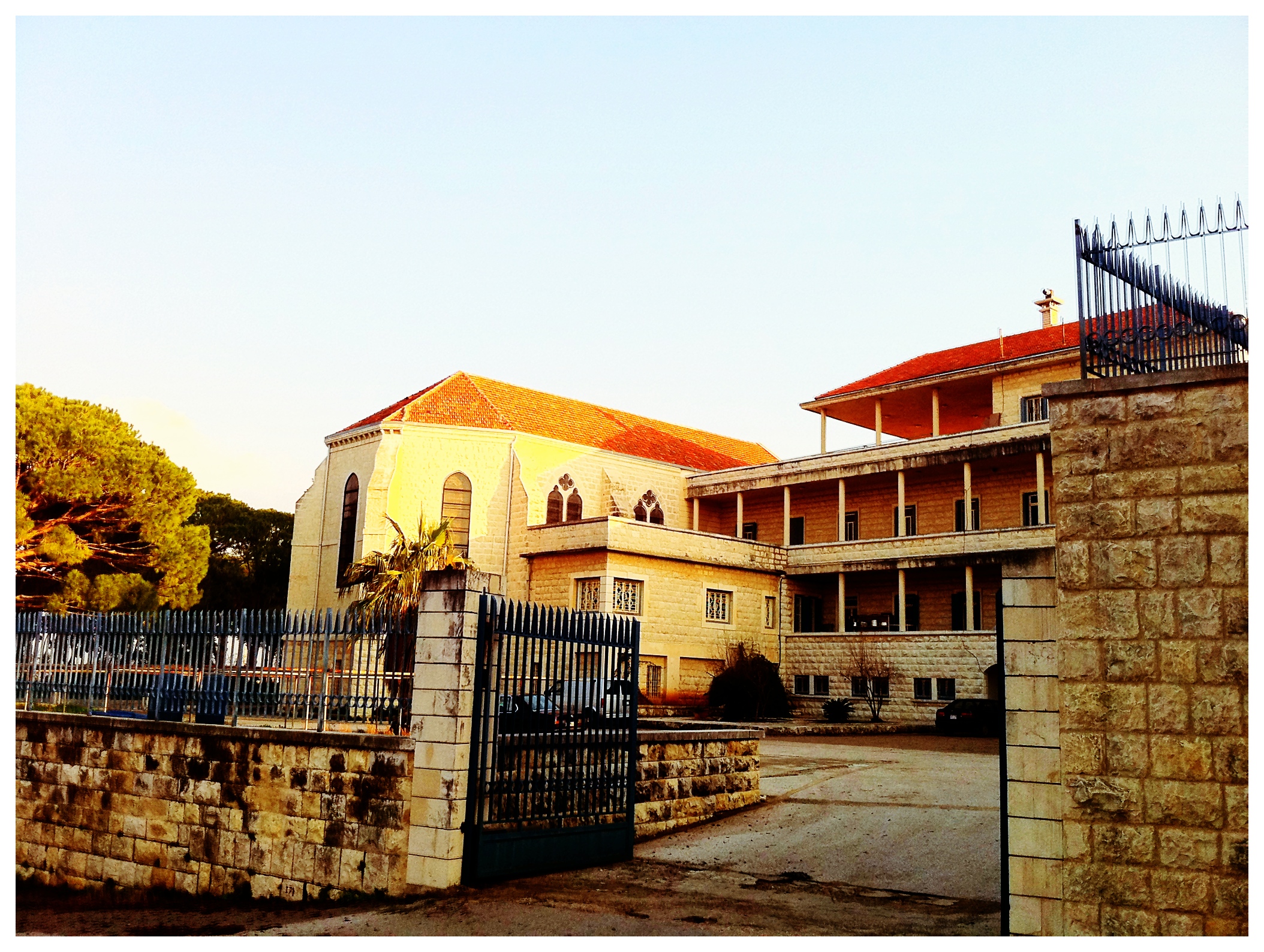
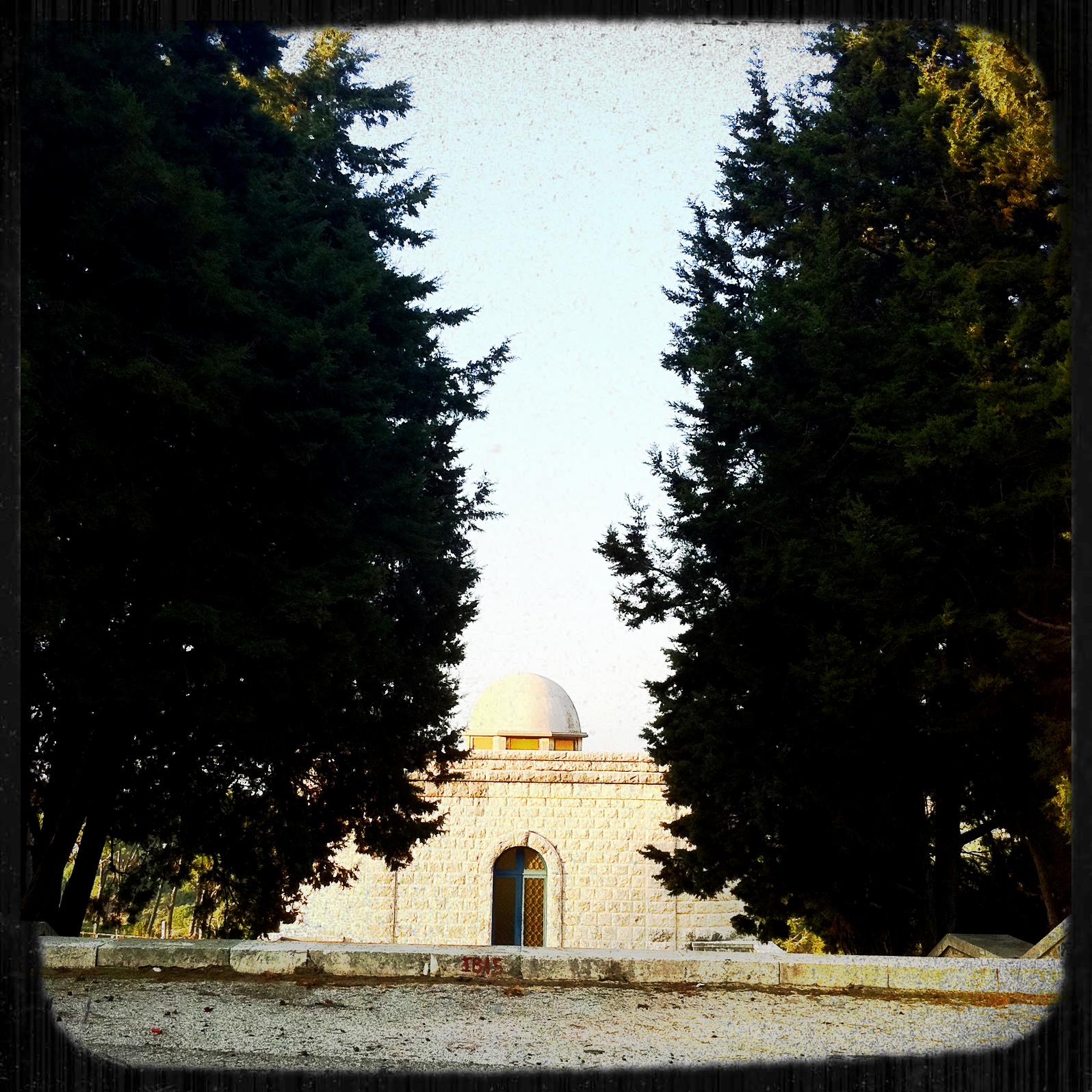
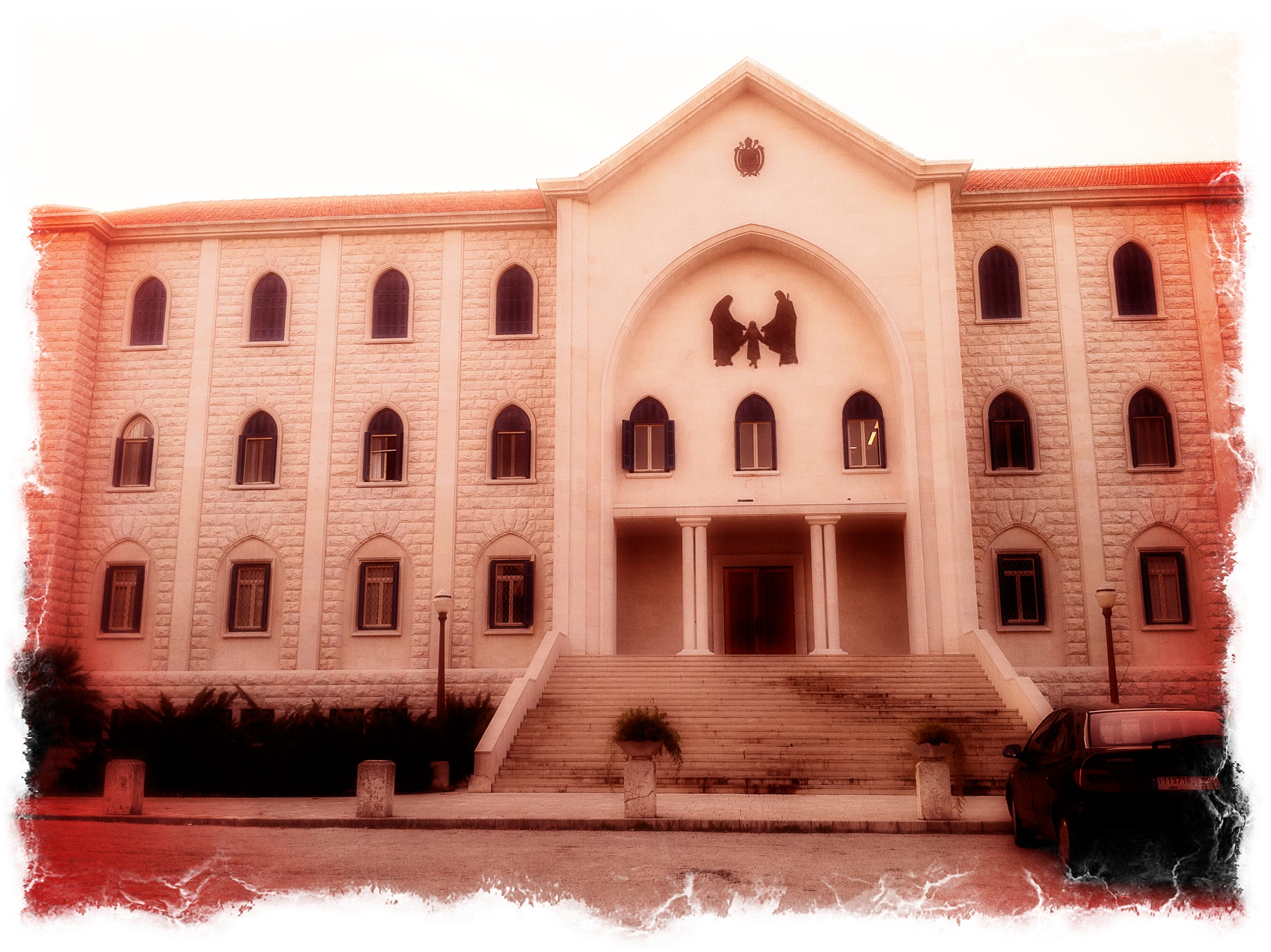
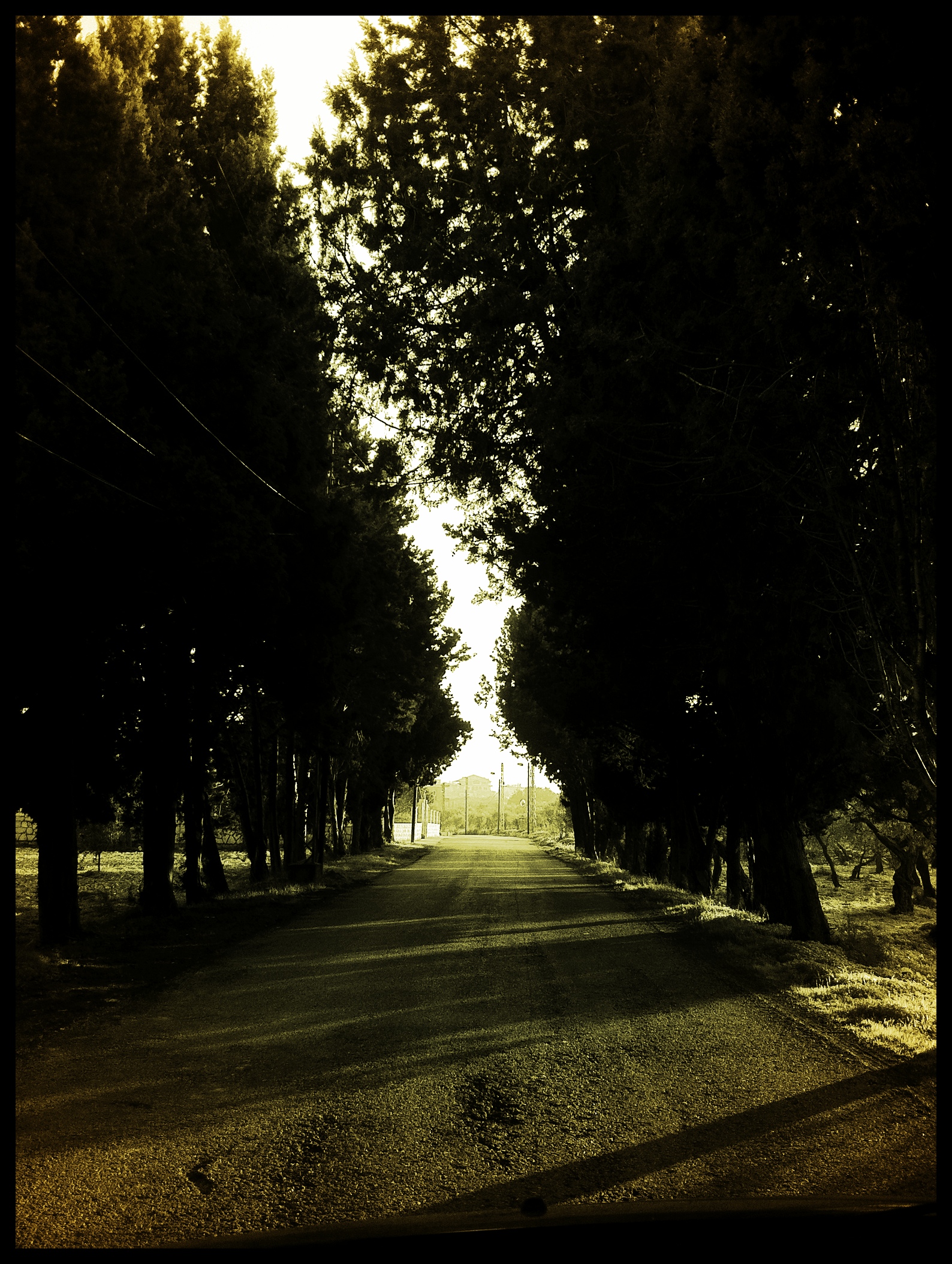
I belong in Batroun. I am from the North and my heart will always go there. Driving around my hometown, Ebrine, in the Batroun Caza, I snapped these pictures.

When I wake up and open the blinds, this is the first thing I see:

And if I feel like going to sightsee, I don’t need to wander off a lot… these are a few scenes that await me after a few minutes of walking.
And whenever I feel like I want to be alone, I can simply drive down to a very old church, dating back to the 1400s. This is St. Charbel (the Lebanese saint took his name).

My hometown also harbors the mother Convent for Sainte Famille. We all know people who have been to their schools and there are two streets, one in Tripoli and one in Beirut, named after my hometown because they have Sainte Famille convents on them.

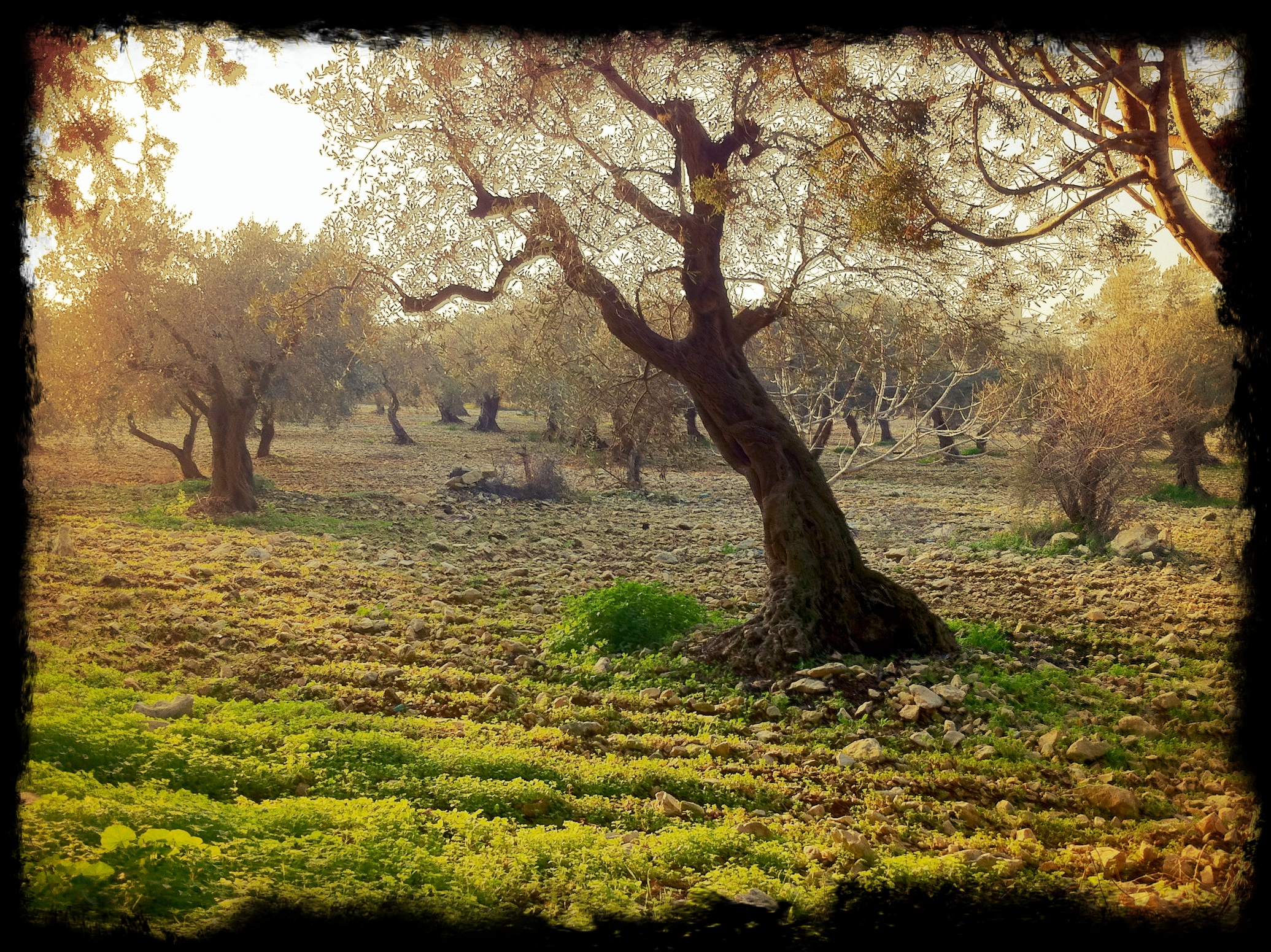
And if I feel like visiting my grandma, I pass by a canopy of trees and beautiful olive tree fields…

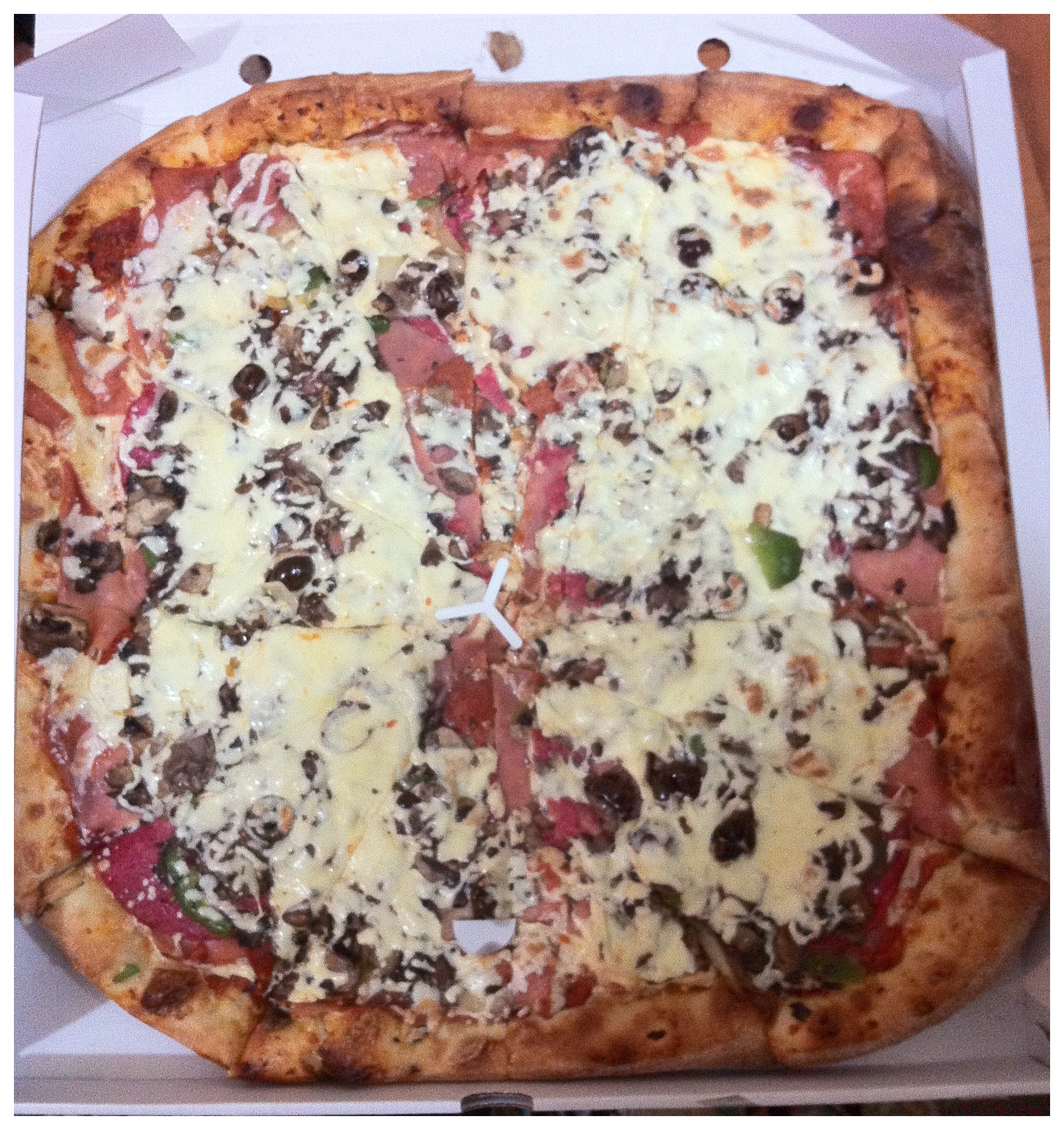
And if you ever feel hungry, Royal’s Pizza in Batroun offers the best pizza in Lebanon. And trust me, I have tried many, many pizzas. Nothing will ever come close.

All of these pictures were taken through my iPhone 4 and all effects are via an iPhone app: Camera+