Tripoli Is Not A Sectarian City, It’s The Only City To Be Respected These Elections 


Robert Fadel, you have failed your city. 
Lebanese media, you have failed Tripoli yet again and the country once more.

Lebanese people of all kinds, you have fallen once more to your preconceptions about Lebanon’s poorest city and turned it, once again, to a sectarian haven where those scary-Christian-hating Sunnis reign supreme.

On Sunday, May 29th, Tripoli entered the Lebanese history books by being the only major city this election cycle to deliver what everyone can’t but call the biggest democratic political upheaval in Lebanon.

With a dismal 26% voting rate, the people of that city shut down a list that included Hariri’s Future Movement, Miqati, Safadi, Karami, and other factions from the city, sending them to a deafening loss facing a list backed by Rifi.

Their list was running under the slogan of uniting the “Sunni ranks.” To do so, they were backed by the Mufti of Tripoli and had Islamists in their ranks. If Tripoli were sectarian, it would have voted for them. And yet it didn’t. 

Say what you want about Rifi, and I’m not a fan in the very least, but there is a special air to one man single handedly beating giants who thought they could get people to fall in line once more, vote them in once again, and watch them do as they please to the place they call home, which is ruin it and make sure it never amounts to its full potential, which is what they’ve been doing all together for the past 10 years.

It is also the epitome of irony that Rifi beat Hariri, with him being a man who embodies the values that Hariri used to stand for before selling out. It is the mother of failures to be beaten by a man who promises to be harsher on those who killed your father than you.

But that’s not the full story.

Tripoli voted for change. It did what no other major city in this country did. It refused its status quo. It told the country and its major politicians with all their billions and might to go screw themselves. You can’t but salute that.

In voting for change, though, Tripoli’s municipal council turned out to be purely constituted of Muslim Sunnis. The outcry from such a council was immense. How could they? Lebanon’s media cried. I am so upset I will quit, wept now-resigned MP Robert Fadel.

It is also immensely ironic that an MP who was probably spotted in his home city around 5 times in the past 7 years resigns from a parliament in protest of Christians not breaking into that city’s municipal council, but not because he has utterly and irrevocably failed his city in his entire parliamentary tenure. Where was Mr. Fadel’s outrage when the people of Tripoli spent sleepless nights under the barrage of mortar missiles? Where was the outrage when his city’s reputation became that of a place only known for terrorism? Where was the outrage when his city became the Mediterranean’s poorest city? 

The fact of the matter is that Mr. Fadel is a continuation of the horrific Lebanese mentality that an MP is only a representative of their sect, and not as the constitution says, of the entire country. Mr. Fadel, that Sunni you’re upset has taken the spot of a Christian in a municipal board is as much as your constituency as that Christian. 

You can’t blame Robert Fadel much, however. He did something that 126 of his colleagues should have done years ago. It’s a shame he’s doing it under the pretext of setting himself as a Christian figure for the context of an electoral law that might see him need the votes of Christians outside of Tripoli.

But I digress. The fact of the matter is that the Sunnis of Tripoli voted for Christians and Alawite municipal members in droves. Those candidates simply did not win.

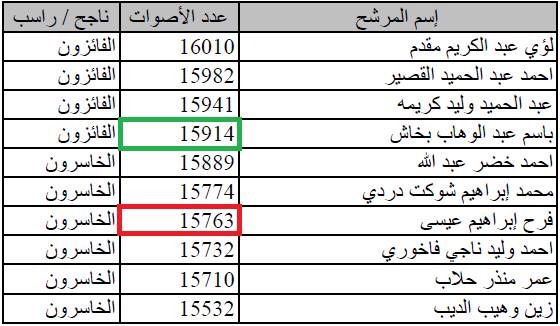
On Sunday, May 29, 700 Christians voted in Tripoli out of tens of thousands of registered voters. Christian candidates got over 15763 votes total result. The last winning candidate got 15914. That’s a 150 vote difference only that’s getting everyone to panic. Yes, those 15,763 votes are mostly Sunnis. But never mind, they’re scary.

Tripoli has sectarian people, like any other Lebanese city or town, but it’s not a sectarian city. No city with its history of diversity can be as such. 

How can we cry sectarianism in Tripoli when property sale ads in Christian areas in the country specify the buyer needs to be a Christian? 

How can we cry sectarianism in Tripoli for fear of the fate of the city’s Christians when they didn’t even bother to vote? Also please note that Tripoli’s Christians probably couldn’t care less and have more faith in their Muslim neighbor and friends than someone like Robert Fadel who is supposed to represent them but couldn’t even manage them to get them to vote? 

How can we cry sectarianism when another major city had the list that won wage the following campaign: 
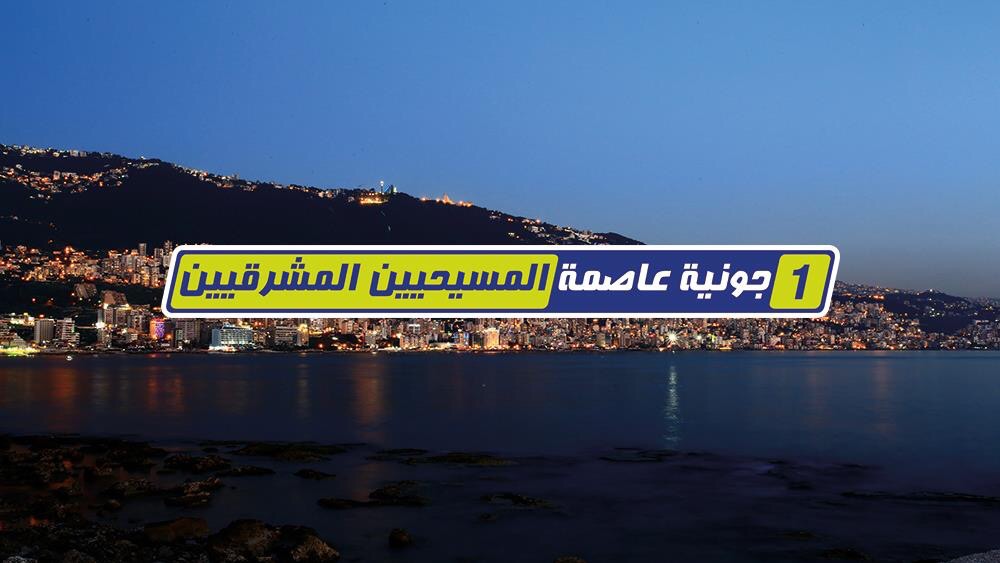

A municipal council should not be defined by the religion of its members. I’m sure the new municipal council in Tripoli will work for the whole city.

Tripoli, you may not have voted the way I wanted on Sunday, but you should be immensely proud in you saying no to your reality and seeking out change. Beirut Madinati tried in Beirut. It did well but did not succeed. Other alternatives to the political hegemony tried in other places and did not succeed as well. Political hegemony was brought to its knees on your streets. Respect. 

Let’s Make Tripoli Great Again

Tripoli lebanon

Around 3 weeks ago, many of us had one thing on our minds: Beirut’s municipal elections and how the independent civil movement list Beirut Madinati would do against the agglomeration of all political parties in power.

We had high hopes, not for them to win, but for a good showing that would cause a ripple in Lebanon’s political stagnation. Beirut Madinati delivered. For many, that may have been the end of Lebanon’s municipal election talk, but it’s far from the case.

Today, it’s time we turn our attention towards a city that needs it much more than Beirut, a city that has the potential that Beirut does but is entirely forgotten, assumed to be a sectarian haven of extremism and is ruled by billionaires with a feudal mentality who see its streets as nothing more than sectors for their taking.

Today, we need to talk about Tripoli and the vote the city is coming to this Sunday on May 29th.

To put things in perspective, let’s talk facts:

–   Tripoli is the 2nd biggest city in the country.

–   It’s home to around half a million people, the majority being Muslim Sunnis.

–   It’s home to the richest man in the country, Najib Miqati. He has been a prime minister two times.

–   It is one of the oldest cities in the country, and has the biggest old souk in Lebanon, far bigger than Jbeil’s or Saida’s. The old Souk has fallen into disrepair.

–   The port of Tripoli, once one of the region’s most important ports when it comes to trade, has fallen way behind and is now a shell of what it used to be.

–  The previous municipality that ruled Tripoli over the past 6 years came about from an agreement between the different political parties of the city, notably the Future Movement, Safadi and Miqati. It was the worst municipal board the city has ever seen, from their worries about banning alcohol ads in the city at a time when the city was being ravaged by war, to them letting the reputation of their city become, slowly and surely, that of a city no one should visit.

–  Tripoli is Lebanon’s poorest city, with around 30% of its people living in severe poverty. The Bab el Tebbaneh neighborhood is, according to all UN-led research, Lebanon’s poorest. The area didn’t even have a functional school at a certain point a couple of years ago.

–  Tripoli has one of Lebanon’s highest unemployment rates, especially when it comes to its youth, despite it having relatively high education levels given its proximity to many universities. Latest statistics place that number at around 36%.

The reality is much more horrific than to be summarized by a few bullet points. And, as they’re used to, Lebanon’s political establishment is trying to take over the city once again for 6 years by coming together against all of the other component’s in the city in an attempt for self-preservation.

After an uphill climb and very tough negotiations, Miqati and Hariri managed to come up with a list of 24 candidates, of various backgrounds, to try and keep the municipal board. Those 24 people have nothing to do with the previous board, but as the famous saying goes: “Insanity is trying the same thing over and over again and expecting different results.” Is it fair for Tripoli and for us as Northerners to have our capital stay the way it was for the next 6 years? Stagnation is not different from falling back.

Hariri and Miqati’s list, “For Tripoli,” is faced by three other lists. The first: “Tripoli’s Decision” is backed by Rifi, and has the highest chances of breaking into the municipality. The second: “Tripoli Capital” is backed and headed by former MP Mosbah el Ahdab and has 13  other people from various backgrounds, most of whom are from the civil society. The third list is: “Tripoli 2022” and has four candidates from the civil movement.

On Sunday, May 29th, the people of Tripoli have a real chance at taking their city back from the clutches of those who haven’t known but how to cause it harm for the past 6 years. It’s time to say that their unity only serves their own interests and not the interests of our city. It’s time to say that enough is enough, that the city needs a mayor who’s worried about its youth than about stupid beer ads, that the city needs people with a vision, people who want to give its people healthcare, a better reputation, education, people who want to make Tripoli great again.

The need to vote against those that turned Tripoli into a war zone couldn’t be higher. For that reason, this blog endorses the list “Tripoli Capital” along with the four members of “Tripoli 2022” for the municipal board as well as the candidate for “Citizens within a State” because they’re a combination that has the most potential to set the city on a path that befits it. This makes my endorsed list a set of 19 individuals.

A few days ago, Tripoli became the first Lebanese city to have a bike lane. The potential is there. The city can become a capital for the North and the country again. The city can be the great city it once was again. I hope its people see the potential in them and their hometown and act on it.


Let’s Try To Save Tripoli’s Wonderful Fayha Choir

  
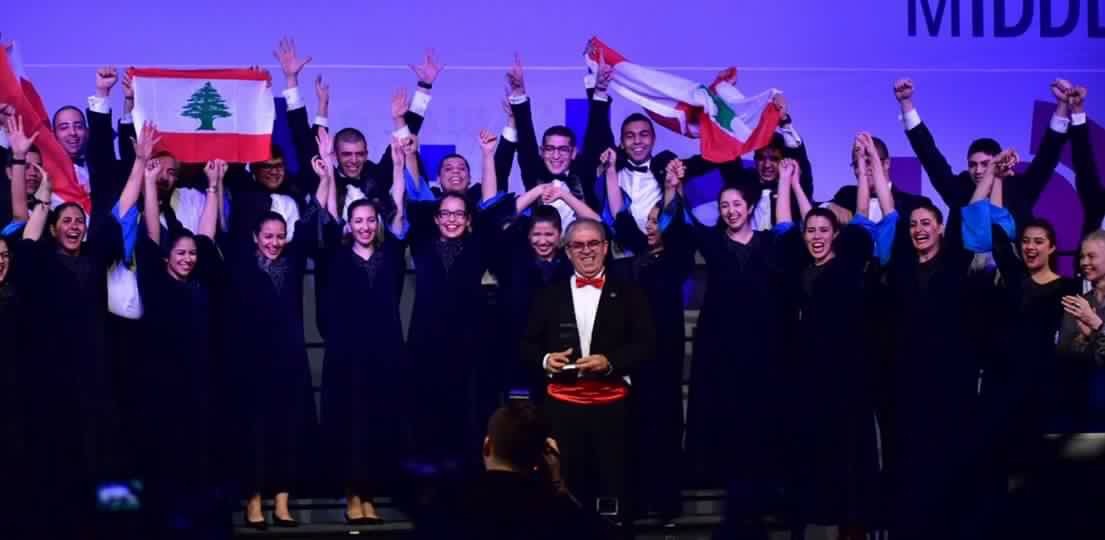
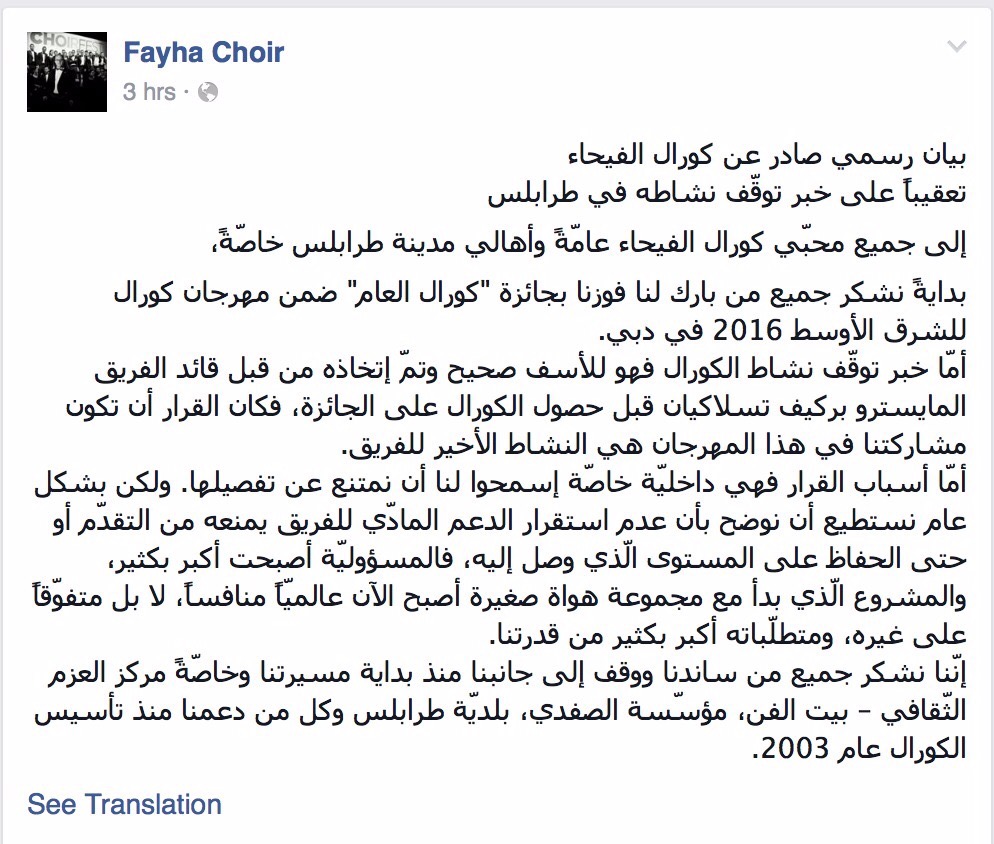
Following their huge win in Dubai on Saturday, where they were named Middle Eastern choir of the year, Tripoli’s Fayha Choir announced in a statement on their Facebook page that the Dubai event would be their last.
The wonderful choir, the country and the region’s best, will cease to exist in the coming weeks as it slowly dissolves.

The news left me distraught. Every single time I’ve seen the Fayha Choir in concert, I was left blown away by how wonderfully talented all those young men and women of Tripoli were, and at how beautiful the message of hope they were proclaiming to the world was. Such an entity stopping its activities is a shame, let alone when the cause is purely financial.

  
After hearing the news, I contacted one of the leads in Fayha Choir to inquire about the causes of such a decision. That person’s reply was straight to the point: the choir had grown beyond the capacities of its members and their maestro to be able to support it in the way that it deserves, to be able to attend all events whether here or abroad, or even compensate for the time they spend practicing and performing beyond the joy they bring in doing so.

It’s heartbreaking that such a thing is happening for such a silly reason, especially one that can be rectified. In a city that boasts the country’s richest people, this is disgraceful.
So dear Tripoli’s municipality, instead of panicking about beer ads in the city, why don’t you invest in such a medium that brings your city fame, pride and helps its talented youth express themselves in such a healthy medium?

Dear Tripoli’s politicians, from Najib Mikati to Mohammad Safadi and all their friends, I know it might feel counter-intuitive for you to invest in your city when election season isn’t coming up anytime soon, but your city needs it. Tripoli’s youth need to have their future mean more than just be an electorate number. 

Dear Tripoli’s wealthy class, I’ve seen you times and times again giving Fayha’s Choir standing ovations at each of their performances. That can’t be the maximum support you can give to a group whose name is a better representation of your wonderful city than almost everything taking place in it today.

Dear Lebanon’s concerned citizens, our country deserves to have such a choir that represents it so well survive financial troubles. Speak up. Try to help in the any way you can. 

I considered starting a crowd funding page, but an acute influx of cash is only a temporary solution. The Fayha Choir needs a stable income to support it, one that can only be 

Fayha Choir is a cultural landmark of the country and of Tripoli. Dismantling such an important part of our culture should be a matter of national urgency; this is a medium that allows youth to prosper, to express talent, to entertain people, to send a wonderful message to the world that this country and this Northern city can rise above them being forcibly forgotten and offer beauty to those who’d listen. This is very important. 

If you can help in any way, contact Roula Abou Baker. 

A Victorious Tripoli: Lynn Hayek Wins The Voice Kids, Fayha Choir Wins Best Middle Eastern Choir

From the forgotten city that always could but wasn’t allowed, Lynn Hayek and the gorgeous Fayha Choir went out and brought back to themselves and their town victories, about which the least we can say is kudos.

In its first season, The Voice Kids has been one of the most talked and watched TV shows in the Middle East, possibly even surpassing its adult counterpart. Lynn Hayek was one of the talents that turned heads since her blind audition and only reinforced her talent by progressing steadily and surely until she was one of the two remaining voices chosen by her coach, Kazem el Saher.

Lynn Hayek The Voice Kids

Earlier in the night, she beat Iraqi Mirna Hanna to qualify for the last round before being crowned as the first winner of The Voice Kids. Her city Tripoli celebrated her victory with fireworks and convoys circling around its streets; it was a moment of happiness that the city hasn’t seen in a long time.


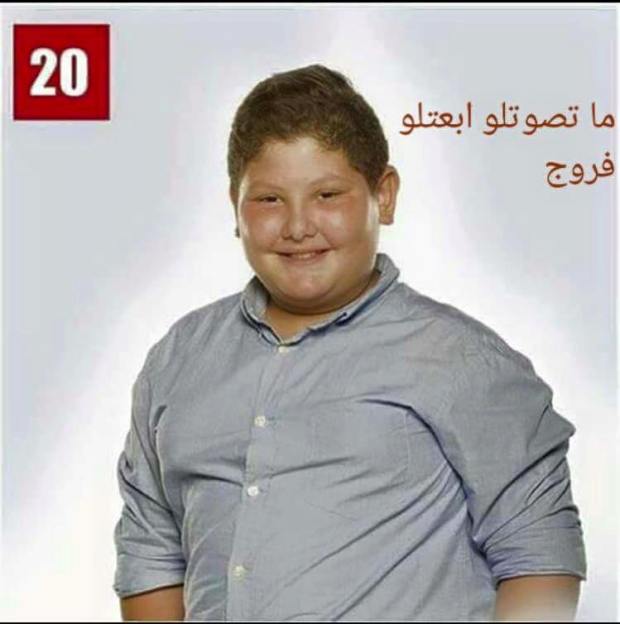
I must say, all the talents on The Voice Kids were entities to behold. I congratulate these kids for doing what most people wouldn’t dare to do and expose themselves to an audience that is more than willing to treat them as jokes, as has occurred with the Syrian contestant Zein with some dimwit comments about him being overweight:

This is disgraceful.

This is disgraceful.

Check out a few of Lynn’s performances:

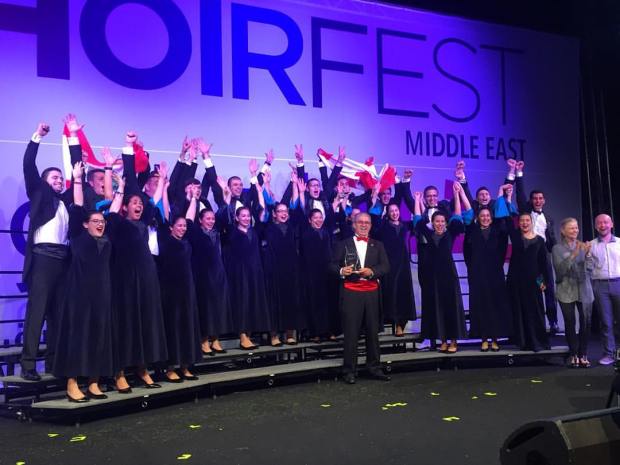
Meanwhile, in Dubai, a Choir Festival was taking place, bringing in 15 choirs from all around the Arab World in a competition to crown the best one among them. Lebanon’s participants were Tripoli’s Fayha Choir, also known as one of the most sublime singing entities you can hear in Lebanon. We couldn’t have asked for better representation if you asked me, and they delivered spectacularly by winning and becoming this year’s best Middle Eastern Choir.

Fayha Choir ChoirFest Middle East

Check out some of Fayha Choir’s performances:

Fayha Choir and Lynn Hayek winning today is a big deal, not only because they won, but because they won coming from a city that hasn’t seen such moments in a long time, whose people have been forcibly beaten down and forgotten and who haven’t been given any chances that others in the country have gotten.

Winning singing competitions may not be much, but it’s something. Tripoli deserves this. Lynn and the members of the Fayha Choir deserve the recognition they got.

Today, I’m a proud Northener. Thank you Lynn and Fayha Choir, bterfa3o el ras. 


North Lebanon Will NOT Be Turned Into Beirut’s Garbage Dump

In a stroke of pure “magic,” our politicians have “solved” the country’s garbage crisis. In the beginning there was Sukleen and the Nehmeh dump. Now, we have Sukleen again – yes, seriously – and the Nehmeh dump, in Beirut’s proximity, has been moved to a place that’s more than a hundred kilometers away from Beirut.

In a stroke of utter “genius,” the Lebanese government has decided that the Northern caza of Akkar will now be where the people of Beirut and its suburbs dump their garbage. In case you had your doubts before, be certain now: Lebanon does not have its areas equal. There’s Beirut and Mount Lebanon, a beacon of hope and love to the masses and the tourists and where all the money flows, and there are the peripheries, notably North Lebanon, where the only thing fitting is to give its people those other regions’ trash.

Sukleen will also be handling garbage again at the price of about $160/ton, that’s more than what they used to get paid before, and about 4 times the normal amount that any decent country in the world pays to handle garbage.

Akkar – The Real Tragedy:

Here’s how the situation is in Akkar today:

  • There are villages that got electricity for the FIRST time in 2013 (link).
  • There are villages that do NOT have road access yet. I remind you this is 2015.
  • The caza does NOT have any decent hospital in it. Its people have to make the trip to Tripoli to begin getting decent medical coverage, and a lot of them have to make the trip even further south to Beirut in order not to die.
  • The caza does NOT have any decent schools and universities. Its people have to make the trip to Tripoli as well or move to Beirut for better opportunities.
  • Akkar is the country’s poorest area on record, only paralleled in poverty by Tripoli’s Tebbaneh and Jabal Mohsen areas. The numbers are astronomical: 40% of the population is considered poor and more than 18% live below the extreme poverty line.
  • The “best” way for the people of Akkar to make a living is for its men to risk their lives volunteering in the army; hence, calling Akkar “the basin of the army.”

Why don’t you hear about any of this? Well, I’ve tried to highlight how horrendous the condition in my region (the North) is on many occasions, but when it’s that *far* for the people of Beirut, as is anything north of the Madfoun checkpoint, nobody cares.

Another aspect of why you don’t hear about this is because no one, even Akkar’s politicians, care. The only time they do give a rat’s ass is come election time, in order to give the starving population a loaf of bread, a few sandwiches and a couple hundred bucks to sustain them through the coming four years (or seven).

Well, now we have another reason to give Akkar a second glance, so let’s spin this positively: Lebanon’s politicians have FINALLY remembered Akkar other than at the time of elections. Hurray!

How so? Well, our government and politicians want to turn areas of Akkar into the garbage dump for Beirut and its Greater Area’s garbage. Obviously, because they say no other region in the country can work, but it’s because the people there are so poor they can’t fight the decision of the government to kill them before their own eyes.

The details of the Akkar deal are as follows:

Ahmad el Hariri met several weeks ago with Tarek El Marhebi, the son of former MP Talal el Marhebi, who agreed to give him a land of around 1.4 million squared meters, to which was added another property culminating in about 2 million squared meters of area, in order to create a garbage dump to solve Beirut’s garbage problem, in an area is called Srar.

The Ministry of Environmental Affairs then studied the land and came to the conclusion that the type of soil used was NOT compatible with that required to do a dump, risking the toxins of the garbage infiltrating down to the underground water, which supplies the many villages of the caza since the government has NOT supplied the area with water as it is.

The Future Movement figures involved the aforementioned deal “denied” such claims a few weeks back. Today, with the news of such a dump being closer to reality than anyone expended, the claims they denied are not only true, they’re becoming a reality.

How is the government trying to buy the silence of the people in Akkar in order to effectively kill them with the waste of a region that is more than a hundred kilometers away? 100 million USD will be used to fund select developmental projects in the caza over the course of the next three years, money that is Akkar’s right and for which it does NOT have to reciprocate with receiving Beirut’s garbage. And to make things worse, the area will probably never going to see that development anyway.

This is governance 001 for the Lebanese system that doesn’t seem to care for an area unless it’s called Beirut and Friends:

  1. No, it’s not acceptable to silence the people of that area with money that you haven’t used for years to give them their rightful development, money that is rightfully theirs,
  2. No, it’s not acceptable to risk the health and lives of hundreds of thousands of people because you’re worried about the image that having your capital drown in garbage gives to the world,
  3. No, it’s not acceptable to risk the greenest region in the country’s environment because you’re too bloody corrupt to come up with a solution that limits your monetary return,
  4. No, it’s not acceptable and will not be accepted that Akkar ends up as Beirut’s garbage dump.

Akkar Isn’t The Only Northern Entity To Get Screwed:

If you thought Akkar was alone in getting screwed, you thought wrong. The entire North is under threat of being turned into Beirut’s waste disposal zone. Batroun’s areas of Hamat and Rasenhash have received a few shipments of garbage trucks from Beirut already. For reference, the area has your very lovable picturesque Nourieh convent.

Kefraya, in the Koura caza, also received a few garbage shipments, as did the city of Amioun before its people blocked roads and protested.

Tripoli is also having a true environmental disaster as it keeps getting shipments of Jounieh’s garbage, which are polluting its sea, soil and air. In the meantime, Jounieh’s mayor is bragging his city is the first to clear its garbage mess. How despicable.

North Pride:

I’m a son of the North. Batroun is my home. Koura is my home. Tripoli is my home. Akkar is my home. This is my land, and I will not have my land ruined, tarnished, maimed and irrevocably damaged just because I exist in a system that thinks I’m worthless for not having “Mount Lebanon” or “Beirut” stamped across my ID.

I’m a son of the North. My region is the country’s most forgotten, most ignored, most ridiculed and most stereotyped. My region is the country’s least developed and least considered (except when it’s for garbage it seems).

I’m a son of the North, and I will not have my home be filled with the garbage of those who not only couldn’t care less about it, but who will very likely not give a rat’s ass about where their garbage is heading the moment they don’t see it on their streets anymore.

I’m a son of the North and I say this: “Kell wa7ad yemsa7 kha*a b ido.”