Excellent Lebanese Customer Service: Roadster Diner

The amount of professionalism at Roadster Diner keeps blowing me away. It could be because we’re not used to such levels of courtesy with customers in Lebanon.

During lent last year, the only and last time I decided to go all Bible belt-Christian and gave up 95% of types of food that man can eat, I ordered some form of a modified crab sandwich-turned vegan from Roadster. There was something wrong with the sauce. So I let them know via a DM on Twitter – I didn’t mind but I felt like they should know to prevent such a thing from occurring with other customers.

A day later, I was contacted by their HQ and discussed the matter for 40 minutes. Discussing sauce for slightly less than an hour can be refreshing.  They requested my address and sent me a package including a free dinner voucher.

Over the past few months, my visits to Rd less and less frequent. You can blame my diet for that, being way up North (they should consider opening something north of Jounieh, something I’ve said before) and medical school for that.

However, a few days ago I decided to indulge in a guilt-full burger as a way to celebrate a weight-related milestone I had crossed. First time in a long time I’m under 100kg!

I ended up finding the tiniest hair possible in my fries, something that is not unusual at restaurants. I am not the type to throw a fit when I see such a thing – there are much worse things that could take place with your food – but I always point it out. So I quietly called over a waiter and did so. He exchanged the fries and I figured that was it, as it should have been.

When we asked for the bill, I was surprised to find a lazy cake being placed on my table and the bill excluding my burger. I complained about this but they were adamant. And this happens every single time something like that happens.

This isn’t a rare occurrence that only happens with me. A friend of mine was having lunch once with a group of friends. He ordered some chicken tenders which came in late and were in less than optimal condition. He pointed it out. The entire table’s bill was on the house. The examples don’t stop there.

For many, such practices should come as second nature to businesses. But the fact of the matter is what Roadster and some very few select companies across the company do is not only rare, it’s borderline unique.

No, I’m not getting paid to write this. I am not a business guru or savant. My extent of business knowledge is the stock app on my iPhone. But as a customer, I believe that the practices of Roadster diner, as an example, make me feel like more than a number with some monetary input associated with it. If anything what Roadster and some other companies do is anything but what we’ve come to associate with typical Lebanese business behavior. And for that, they should be applauded.

The Tripoli You Don’t Get To See

I can go to Beirut today and take my camera with me. I can go to Hay el Sellom and take as many pictures, film as much footage as my heart pleases and broadcast them online with one tag only: THIS. IS. BEIRUT.

Am I doing Beirut a disservice in the process? Perhaps so. Is my portrayal of Beirut’s poorest neighborhood as representative of the entire city accurate? Perhaps not.

But isn’t that exactly what Lebanese media and people are doing to this Northern city?

I went to a cafe the other day named “Ahwak Ben Tafesh.” I can safely say it’s probably my favorite cafe in all of Lebanon. Starbucks and other generic places, move over. The place had charm and served the best carrot cake I ever had, which was actually homemade. As I sat there, observing the people walking in and out, I saw some of the most gorgeous women wearing tight jeans and revealing shirts, guys talking about going out to a pub somewhere with their girlfriends, a couple holding hands with the guy’s hand on his girlfriend’s thigh.

But most importantly, people we chatting and laughing and making plans. Just like normal Lebanese youth do everywhere else.

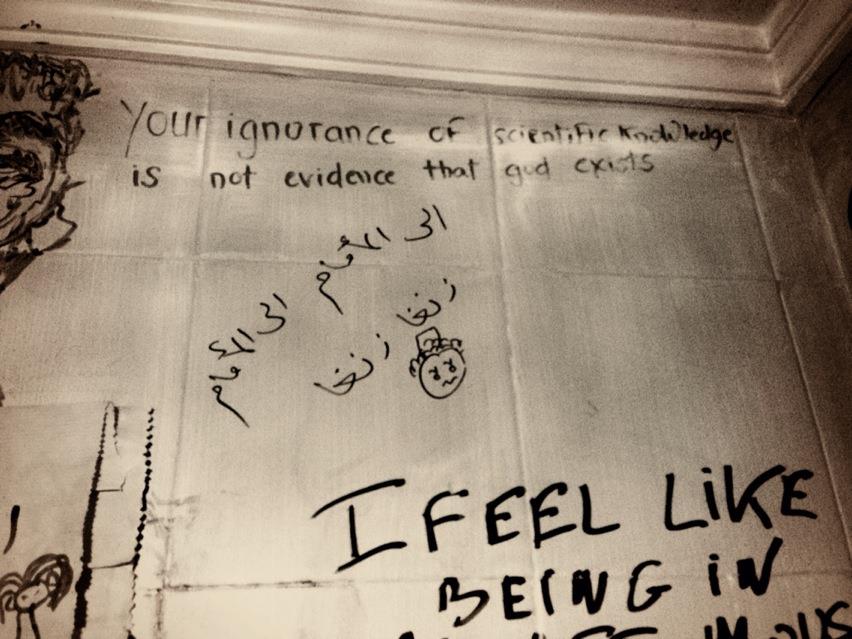
Then I went to the bathroom at Ahwak and saw this:
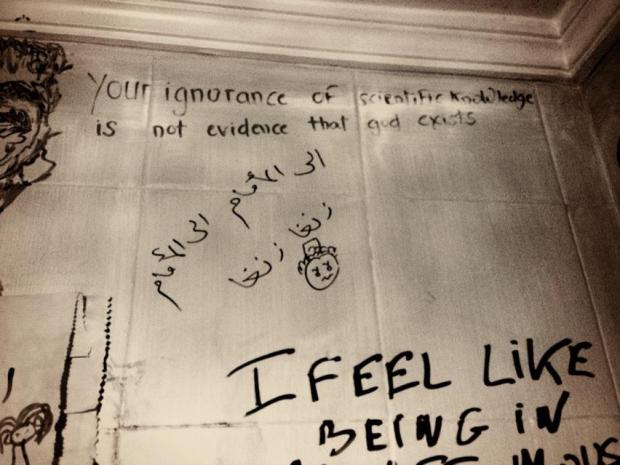
Ahwak Ben Tafesh Tripoli Lebanon

A stone’s throw away from Ahwak is a restaurant called La Plaka. I have yet to try out things beyond the salad part of its menu – blame the diet – but that place served one of the best chicken caesar (don’t worry, I made some sauce-modifications) that I ever had. The place was spacious with very nice interior decorations – huge armchairs, flat screen TVs everywhere, chandeliers dropping down from the ceiling – and better yet, they actually abide by the smoking ban.

All of what La Plaka offered me came at a cost of… 10,000LL. Yes, for the entire salad that normally costs double that much at any Beiruti place. Then I remembered a similar incidence in Gemmayzé when I ordered a salad that comprised of only lettuce and cucumber sticks and ended up paying about $20.

On the same street as La Plaka is a newly opened burger shop called Ten Burger which is trying to bring the Classic Burger Joint experience to Tripoli. Their burgers are excellent. They also come with french fries and coleslaw. And a soft drink. All for less than $10.

Tripoli is also famous for “Le Palais” or as we all like to call it “Al Hallab,” which offers the best Arabian sweets you can find probably anywhere. You can ask for a tour of the place’s kitchens where you see how they make all the delicious food you end up gorging on later. I witnessed how they do the famous “7lewet l jeben,” got to taste their self-made ice cream and gateaux. The place is beautiful and extremely distinctive. If you thought you are getting the “Hallab” experience by visiting some of the franchises in Beirut or Jounieh, you thought terribly wrong.

But Tripoli isn’t only about food. I go there very often. My best friend is from there. I go to class about five minutes away from that city. My father buys some supplies for his shop from Bab el Tebbane. A lot of our paperwork has to go through some offices there. Throughout my visits to that city, even during the now-distant times when I had a one pound golden Cross dangling from my neck, I never felt threatened or not at ease – even last December when Tripoli was, at least to most Lebanese, a war zone.

A couple of days ago, I got invited to an impromptu birthday party for my friend’s nieces. I was the only “outsider” there. The place was filled with family members. It took me five seconds to feel at home due to the overwhelming hospitality I received. It’s not just typical Lebanese hospitality – it’s people who are genuinely happy to have you there and take care of you and even wish you happy Easter.

In fact, most of my friends who are from Tripoli are not the people Lebanese media wants you to think they are. They are kind and friendly and great. Some of them are quite religious. Others are not. You know, exactly like Lebanese people everywhere else.

Is Tripoli in its best days? I don’t think so. Was it more lively, more upbeat, more receptive and less cautious a few years back? Definitely. Is it hurting because of the mass exodus of the Christians from it? Definitely – but they’re not leaving because of the city’s Muslims. They are leaving because of the dismal economic prospects.

For a city that houses some of Lebanon’s wealthiest people, it sure doesn’t show. The explanation is simple. Those wealthy people all have political aspirations but no foresight. They spend their money getting votes by giving food to needy people instead of investing that money in projects that would bring outside business to the city and help the people buy their own food. But that wouldn’t benefit them electorally.

Tripoli barely sees any development. There are no “Sama Tripoli” or “Le Mall Tripoli” projects that go on here. The second largest city of Lebanon has next to no investments coming into it and it’s not all because of the current security situation. This has been going on for years now. After all, as I had said before, Lebanon’s centralization isn’t only bureaucratic, it’s also economical. No other area outside Beirut is supposed to get the money Beirut and its suburbs get and this shows the most in big cities that need such money the most.

Tripoli is changing and not for the better. Anyone who tells you the opposite is bluffing. But that’s the case everywhere in this country. After all, extremism is a separate state of mind – no pun. However, this city isn’t the big bad monster that many have come to believe it is. It’s a place that’s trying its best given the hand it is dealt. It’s probably time we give it some slack.

Here’s To Good Friends

Here’s to those few people that force you put your guard down to let them in. They don’t ask anything in return except some time well spent: having impromptu lunches to laugh your heart out, candid sessions over some weird combinations of tea leaves you never thought existed or in-depth discussion of politics during which you almost go at each other’s throats one second only to high-five the next.

Here’s to those few people whose idea of you exists only in what they know about you, not of what people think they know or what people say or what people want others to think.

Here’s to those few people with whom you are not worried about going slightly crazy sometimes. And they still want to be seen in public with you.

Here’s to those few people who might be very different from you on all the things that you thought counted and still end up finding more common ground than divergence.

Here’s to your harshest critics, the ones who bash your work the most when its level falls off, who let you know exactly where you slipped and how to fix it.

Here’s to your best supporters, the ones who can trump your family sometimes – those people who let you know when you excel and who support you even when you don’t feel like supporting yourself.

Here’s to the people with whom you can eat an entire box of sweets and absolutely not give a damn about how you look like 5 year olds who found their holy grail of chocolate.

Here’s to those people you don’t see in months but still manage to pick up where you left off as if no time had passed.

Here’s to those who know exactly when you’re blowing smoke and are not afraid to tell you off.

Here’s to the people who help you find the silver linings of your woes whenever you feel overwhelmed.

Here’s to those people who have no problem driving to your place late at night because you need someone to talk to. Even if it means trying to find a place to park in Beirut.

Here’s to those people you have no problem putting your feet up on the tables of their homes.

Here’s to the people who know all your inside jokes.

Here’s to those who are crazy enough to fathom liking you without being on some form of antipsychotic.

I wouldn’t be who I am without all the awesome friends I’ve had. This blog wouldn’t be what it is without them too.  Here’s to good friends and good times and maybe some good wine or scotch too.

Your Healthy Dose of Lebanese Reality

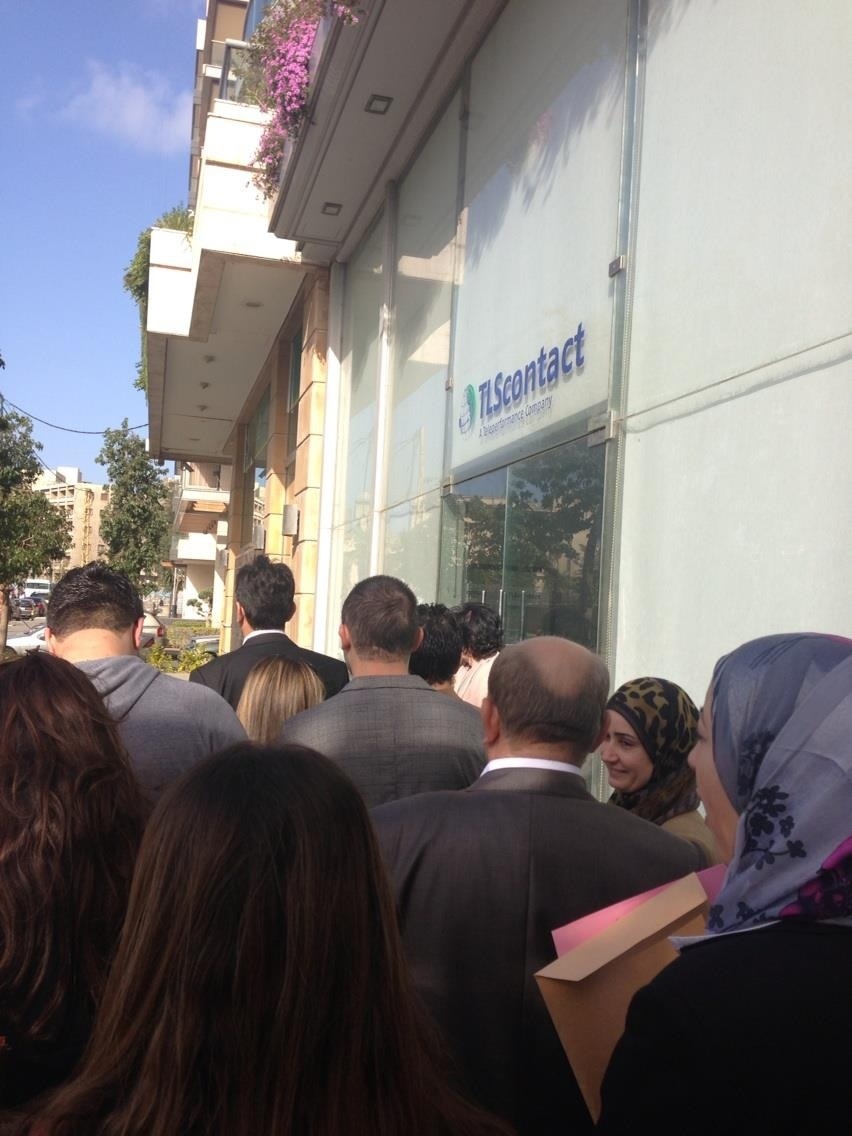
20130327-115707.jpg

I submitted my papers to get the Schengen visa for a couple of weeks in June this morning. My appointment was at 8:30 so I went there early.
We stood in the cold, clinging tightly to a folder of documents that contained more papers than anyone would like to read.
We waited and waited until they were kind enough to let us in to wait some more before they called our names to have our pile of documents checked.

Check, check, check, check. All is in order. Or not – they need a couple more papers from my working friend to prove the company he’s working in truly “exists.”

Why would anyone not invent an entire company just to apply for a visa?

You pay $115 and leave. You are asked to go to the embassy the following day to have your fingerprints taken. Because the ones they took less than a year prior are no longer valid. Fingerprints change yearly in case you didn’t know.

This is your healthy dose of reality: walking the walk that makes you feel worthless just to have embassies consider letting you in so you can spend your money in their territories for a couple of weeks of tourism.

Feeling like third rate citizens of the world is a nice way to start your day. But it’s okay because we have “el Jabal el arib men l ba7r w trab l arz yalli aghla men l dahab.”

Meanwhile, my dual citizenship friend has booked her ticket for the summer. She doesn’t have to bother with all of this.

Racist Lebanese Municipalities or National Policy Against Syrians?

My uncle was shot and killed 14 years ago today, March 26th 1999.

His killer’s name was Tony Rouhana. He was from my hometown, Ebrine. He was Lebanese. He was an active wartime member of one of North Lebanon’s well-known parties. They call themselves “Marada.”

May 2008. My mom enters our house and finds a hooded-man there. She shouts and runs after him. He was going through her jewelry. He makes a quick escape through our window. A couple of weeks later, his identity is known. He is also from my hometown. A Lebanese. He was only reprimanded – never arrested. Why should they ruin his future?

March 2013. A member of our municipality has his motorcycle stolen by a gang from Tripoli. They chase the thief, are on the phone with our security forces at all times, but are unable to catch him. The theft happened in broad daylight at noon. You can check more details here.

March 2013. I’m sitting with my family as we bid farewell to my uncle who was going back to his home in the United States after a short stay. We hear the sound of a four-wheel drive rolling by. They say it’s our municipality policeman’s new car. Why was he driving around at 10:30 pm?
Because my hometown, Ebrine, is now enforcing a curfew on Syrians. I expressed outrage and was told I oppose things way too often, way too much.

No, my town is not, like other places, hiding behind the shroud of “foreigners” when they mean one thing and one thing alone. There are no fliers being posted around the place. There are no banners to welcome you with the news. It’s all under the radar, hoping it would go unnoticed: a subtle regulation that won’t affect my life because I am Lebanese, from Ebrine and there’s absolutely nothing bad that I can do.

I didn’t want to write about this issue until I made sure it wasn’t simply townspeople gossip. I went to the municipality and asked. They confirmed. Their explanation? We got an order from the ministry of interior affairs recently to organize the Syrians inside our town and to have them listed – as per orders of Lebanon’s intelligence. They didn’t say anything about a curfew but, believing I was worried about the Syrians in my town, they went on further: “you don’t have to worry. A curfew was enforced on Syrians. The policeman is also patrolling the streets from 8 pm till 12 am. The town will stay safe.”

How beautiful and reassuring is that? I should look into extra safety measures against Ethiopians, Egyptians – basically anyone whose skin color or clothing style is too inappropriately poor for my taste.

I also find it hard to believe that such an order would come from the ministry of interior and would go unnoticed everywhere, especially that Marwan Charbel, our current minister of interior affairs, said municipalities who enforce curfews are committing illegal acts (link).

So which is it? Is our government or entire Lebanese administration, now that we don’t have a government, relying on vigilante justice in Lebanese municipalities to regulate the Syrian influx in the country? Are all our municipalities and circumscriptions now limiting the movement of “foreigners” just because the situation in the country is worrying?

Last time I checked, it wasn’t Syrians who were fighting in Bab el Tebbane and Jabal Mohsen nor were the Syrians fighting in May 2008 when all hell broke loose in Beirut.

Should the Syrians in Lebanon be regulated? Sure. Is their influx worrying? I think so. But turning their forced stay here into that of people living in an emergency nation will help things how exactly?

Let’s call it a temporary fix – a plug in a collapsing dam.

Do we have a lot of Syrians in my hometown? Frankly, I don’t see any huge numbers that were not there in 2008, 1999, etc. We are not that affected. Those Syrians are renting apartments here, buying stuff from the shops that even our townspeople don’t go to anymore (going to buy groceries in Batroun is much cooler. They get to use a trolley and pay 10,000 in gas in the process). And yet, somehow, those new Syrians are now posing such a big security threat that our municipality decided to do something for the first time since it was formed in 2010.

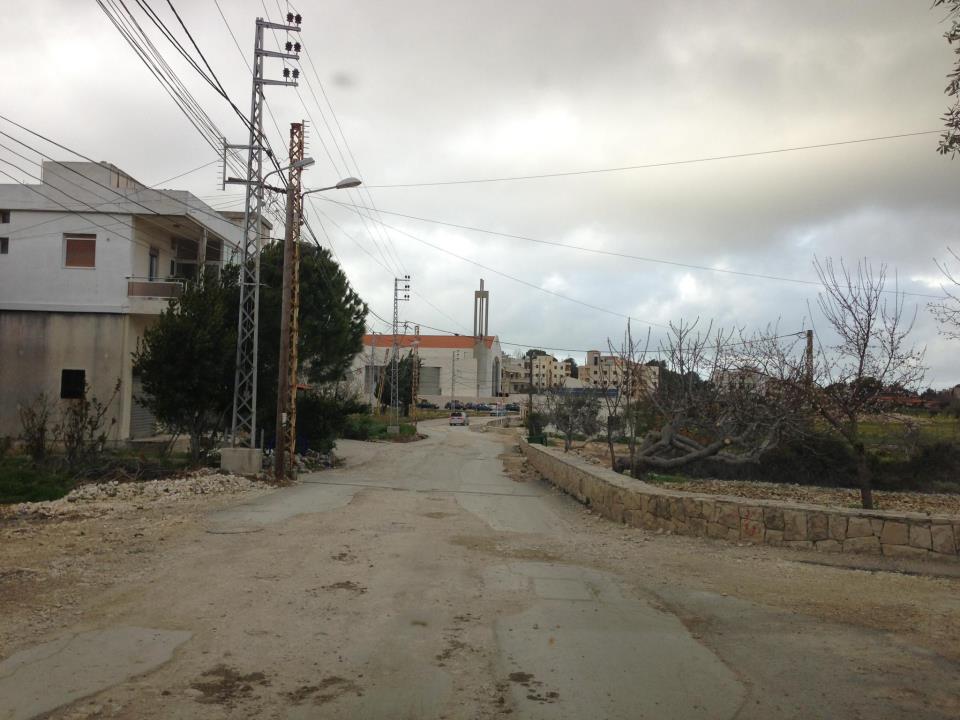
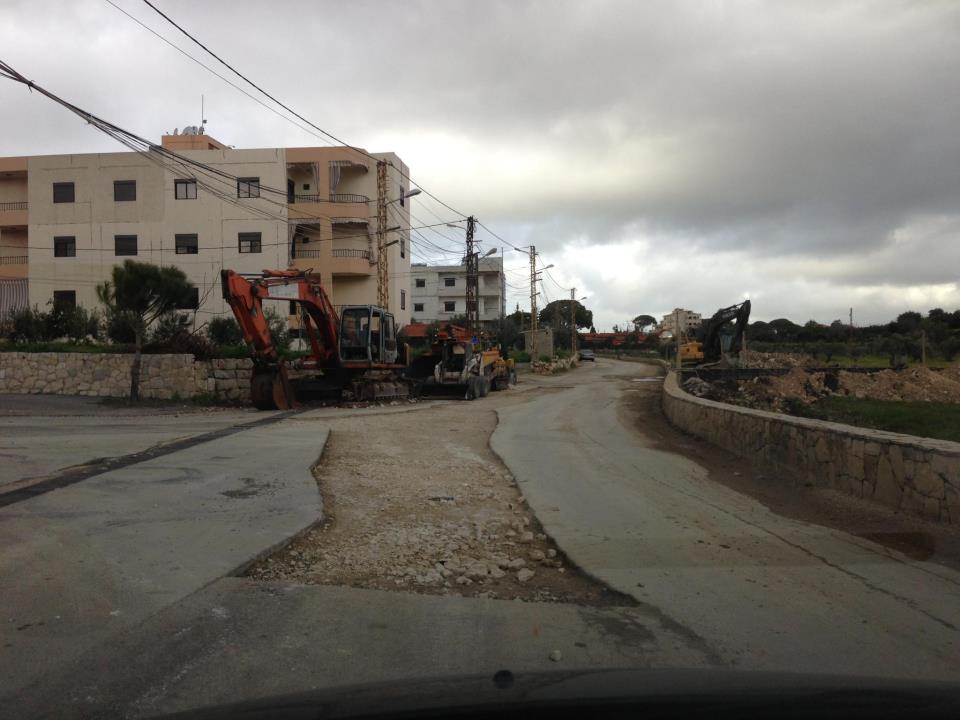
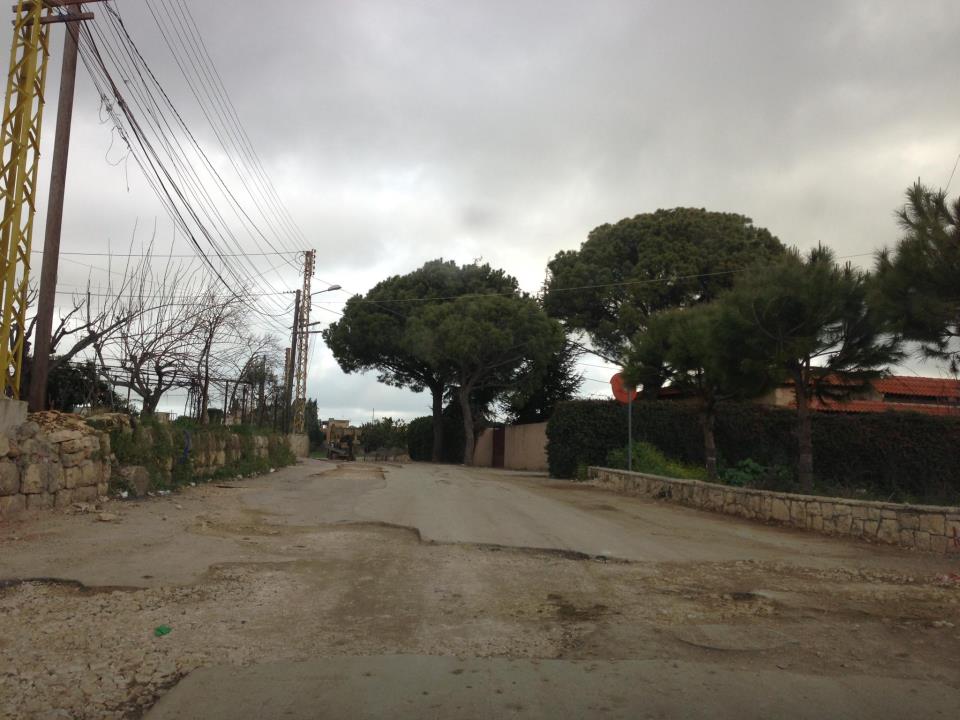
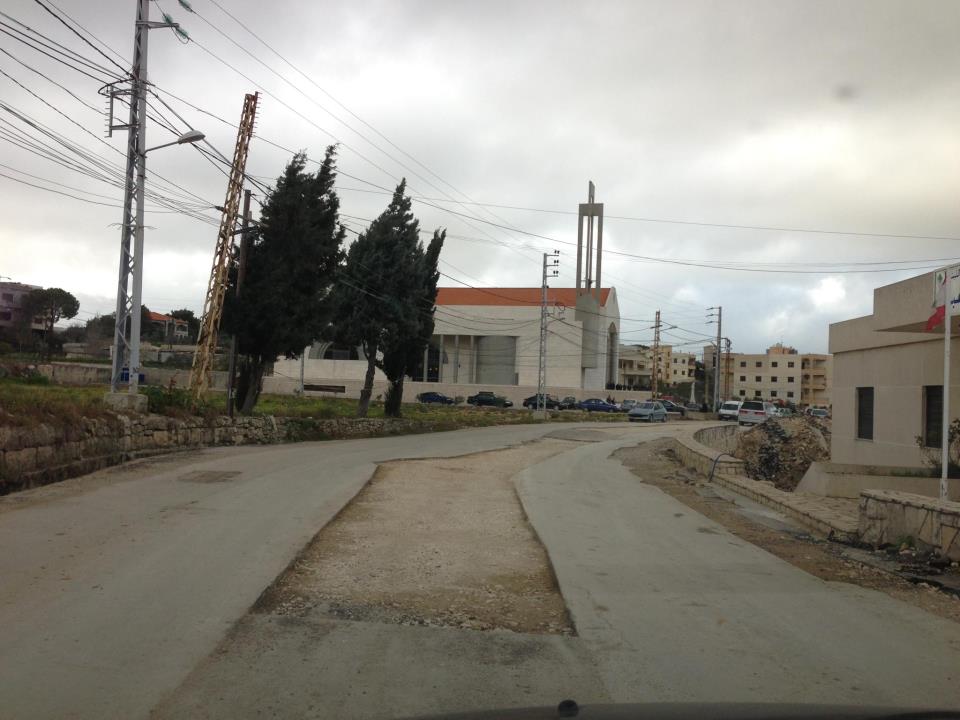
Our municipality, which left our roads go as the below pictures show, for over 2 months, which didn’t say anything and even sent a thank you letter for Gebran Bassil (who in all fairness was later outraged and called them out on it) is acting out, protecting us, making us feel safe, as part of a developed country. What’s worse is that this could possibly be some form of national policy.

Roads Ebrine Batroun Roads Ebrine Batroun - 3 Roads Ebrine Batroun - 4 Roads Ebrine Batroun -2