Carina Aoun: The Lebanese Cycling Holland For The Children of Gaza

11081010_10153170676489172_4504174419531876531_n

It hasn’t been a year yet since Israel brutally attacked the Gaza sector, leaving hundreds of dead and thousands of families torn apart, but our collective memory has already dismissed the whole thing as another “been there, done that” event.

We may have forgotten, but those in Gaza are still trying to put their lives back together after all the destruction. It’s always much, much harder to rebuild following destruction, and that is the brave thing to do after war. However, those little children of Gaza that Arabs care about only through Facebook statuses and rarely in action, cannot rebuild alone.

Wars have devastating effects on people, especially children who are in the tender ages of forming the people that they would become. They end up being scarred for life, along with a constellation of psychiatric issues to add. The estimates are that about “373,000 children in Gaza suffer from emotional and psychological trauma and are in dire need of mental care support and reintegration into society.”

To that effect, a Lebanese named Carina Aoun is taking part of an initiative called Cycling For Gaza, and along with 45 other volunteers from across the world, intends to cycle 300km in 3 days this coming July from Amsterdam to The Hague in order to raise money for ” The Mental Health Project of Gaza.”

The goal is to raise $286,000, of which only $5,400 has been donated so far. Each of those 45 volunteers has their very own donation page with the total amount ending up converging into the required $286,000.

The volunteering is taking place within the framework of the Palestine Children’s Relief Fund (PCRF) which is the main organization that takes care of Palestinian children, sending them abroad for medical care or providing medical attention to them locally from visiting surgery teams. They have helped over 10,000 children so far.

Their purpose behind the Mental Health Project of Gaza is to start a pediatric mental health hospital as well as run it for an entire year, including providing care to children, screening them, as well as provide training for personnel (link).

Carina Aoun is trying to raise $3000 only for the project and she’s about halfway there. Help her out, and make a difference in the lives of countless of children who can’t make it otherwise.

This is the link to donate (click).

On Lebanese Racists: The Guy Who Wouldn’t Shake Hands With A Black Person Because He’s Afraid To Get The Color

It started off like any other Sunday on Twitter. The masses decide to go for an afternoon trend to entertain their boredom and everyone seems to jump on it. This Sunday’s top trending topic worldwide was #Confessions. Naturally, people jumped on it to divulge their deepest heart’s secrets to the millions out there ignoring them.

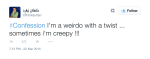
One of those was a fellow Lebanese citizen who goes by the name Think Sultan, ironic as that handle might be, with a sizeable 4.6K Twitter following. At first, his confessions were simple:

And then, because Sultan felt very at ease probably, he decided to drop his magnum opus:

ThinkSultan racist tweet - 1

He “may” sound racist, you guys.

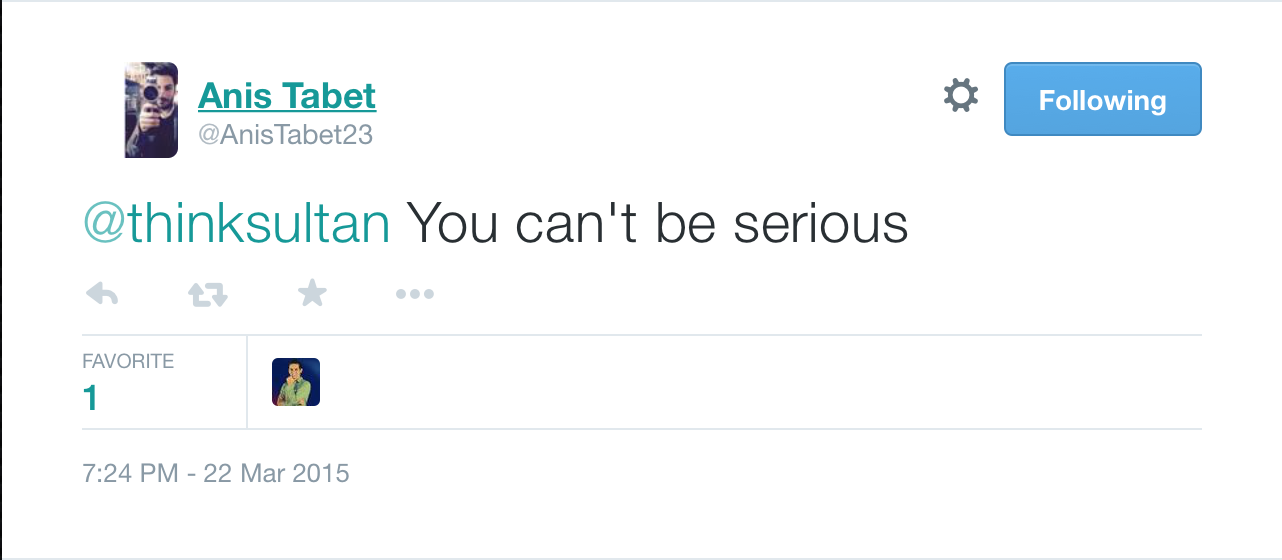
Of course, the tweet didn’t exactly pass under the radar. Anis Tabet of Let’s Talk About Movies was appalled and expressed his disgust at what he read, to which Sultan replied with the following brilliant notion:

ThinkSultan racist tweet - 2


He can’t be serious, right?

ThinkSultan Racist tweet - 3Umm, no. He was. With a few exclamation points to boot.

ThinkSultan racist tweet 4

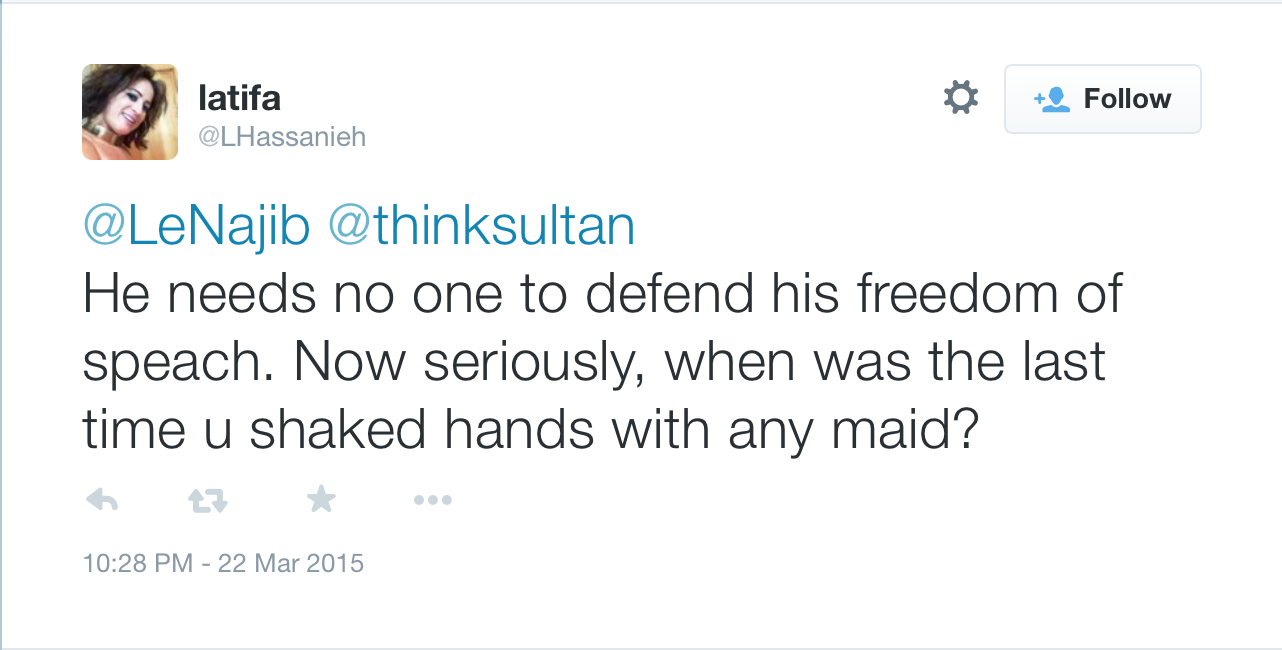
And if you thought that he’d be slammed left and right for this, you thought wrong. Some were on his side, defending him because “when was the last time you shook a maid’s hand?”

ThinkSultan racist Tweet - 6

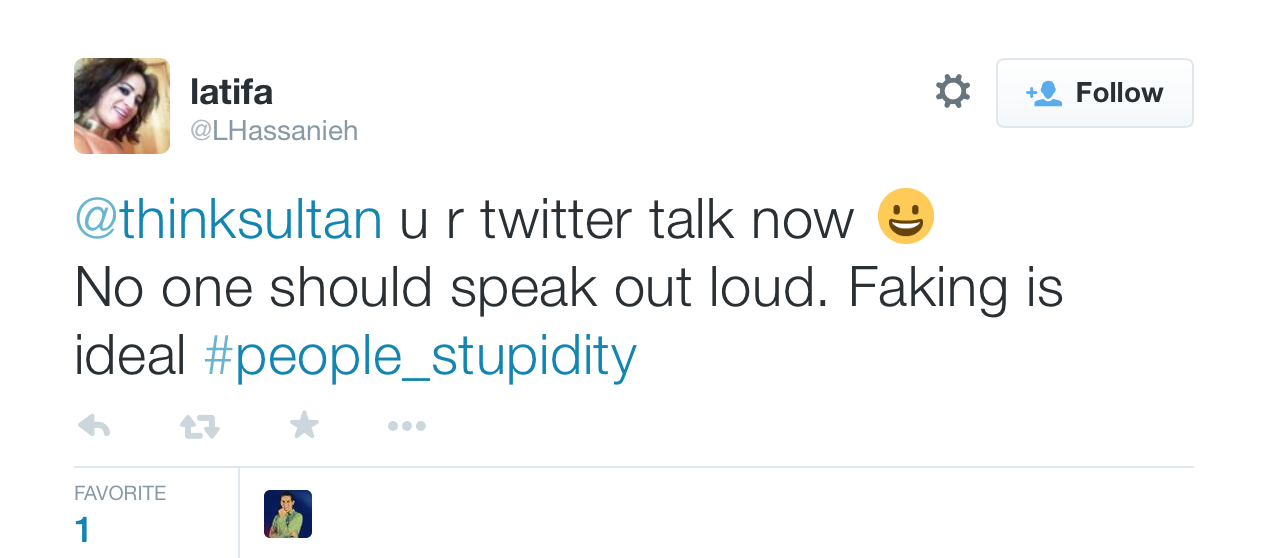
What he did is clearly his freedom of speech (or speach?) because other people are fakers. Fakers gonna fake fake fake fake?

ThinkSultan racist tweet - 5


Clearly it was just all of us being too sensitive.


ThinkSultan racist tweet - 7


Which means that Sultan gets to put his cool shades on, because what he said doesn’t matter.


ThinkSultan racist tweet - 8


After all, it might as well just be a phobia?

ThinkSultan Racist tweet- 9

I suppose it would be stating the obvious but Sultan doesn’t have a black-people-and-their-skin-color-being-too-dissolvable-phobia, he is plainly yet another Lebanese racist who thinks he can get away with it just because the country he exists in enables this.

This is not a matter of opinion. This not a matter of freedom of speech. This is not even a matter that is up for analysis: Sultan is yet another Lebanese who thinks black people are beneath him because of their skin color, because he’s probably used to see them being abused at the jobs their life conditions force them to undertake, because he’s just so much better for being white. And that is the only truth here.

I thought long about writing this and whether highlighting such racism serves any purpose. I figured that highlighting it is not only a duty, it’s a must. Showing people like Sultan and those supporting him that their behavior is not okay, that their mentality is an abomination.

This isn’t a matter of “opinion respected but let’s agree to disagree.” This isn’t a debate or an argument. This is plainly disgraceful to every decent Lebanese out there. It is disgraceful to all the strides that human rights have gone through in the past few years. It is shameful that such mentalities can be so proud and public in 2015 and not get any slack for it whatsoever.

This comes at a time when migrant workers in Lebanon are the victims of rampant abuse, horrid marketing campaigns that auction them off like cattle (link), recurrent suicide attempts, next to no basic rights and a labor law that borders on slavery. Add people who probably think they deserve all of that to the list of things that are wrong in this country.

We are born with many things we cannot change: our skin color, our parents, our home country, our identity, our genes, our sexual orientation. It is after we’re born that they teach us to be afraid of those who are different: different color, different religion, different region. Critical thinking is what allows many of us to realize that no, these differences are irrelevant and that, at the end of the day, that person who is different is not just another mass of melanin waiting to be dissolved on us.

In his twitter bio, Sultan states that he is a “catalyst for change” as well as a “critical thinker.” If this is catalyzing a change and thinking critically, then Sultan can keep both his change and his thinking. Non-opinion not respected.

ThinkSultan Racist tweet - 11

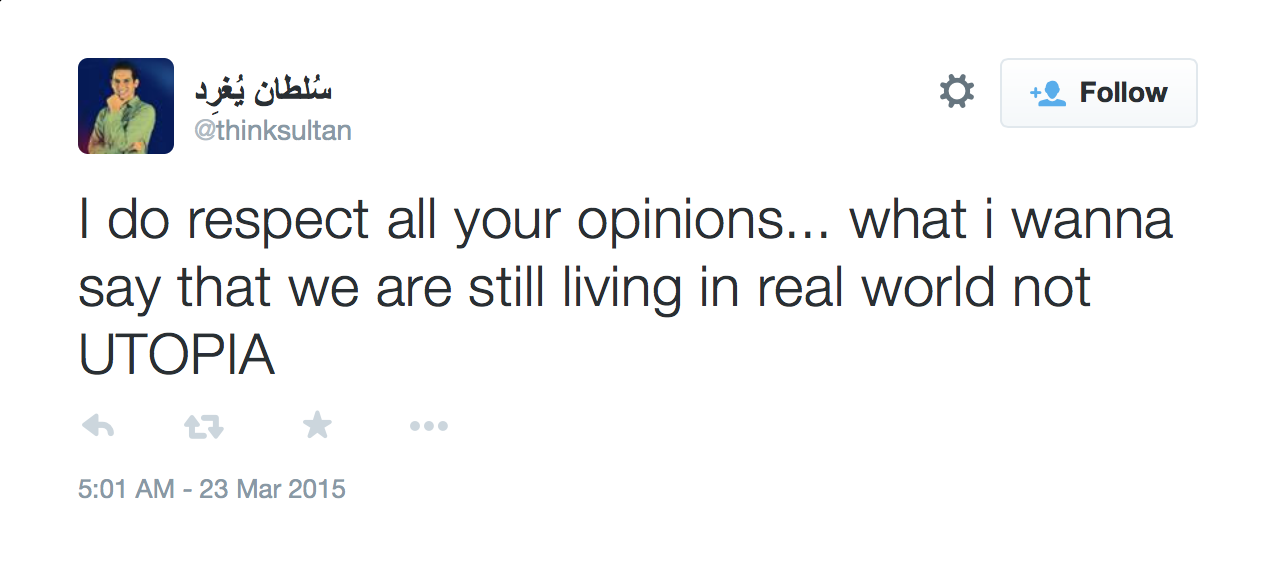
Truer words have never been spoken, albeit they’re too ironic coming from a person like him. What’s another explanation he gave? This is the real world not utopia.

ThinkSultan Racist Tweet - 10

Yes, we are all aware this is the real world and not utopia. But this is also 2015 and not 300BC. Get with the times. Think critically. Grow up. Be human.

Lebanese Mothers Who Make Lebanon Proud Today

Like every year, when Mother’s Day turns up, your social media channels get flooded with pictures of your friends with their mothers, Facebook statuses to announce unending love and gratitude (before they go piss off their mother the following day), and endless messaging among siblings to find that perfect gift.

I’ve written many of those posts on this blog before. You can check those here and here in case you feel like it. This year around, however, I figured the best way to increase the relevance of Mother’s Day is to highlight Lebanese mothers who have shaped the country as we know it today.

The list is not extensive nor is it exhaustive.  The following women are from different domains and are on this list for different reasons, but they all share something in common: they’ve proven that motherhood serves to add, not define who women are, especially in a region that tells them the former is all they’ll amount to be.

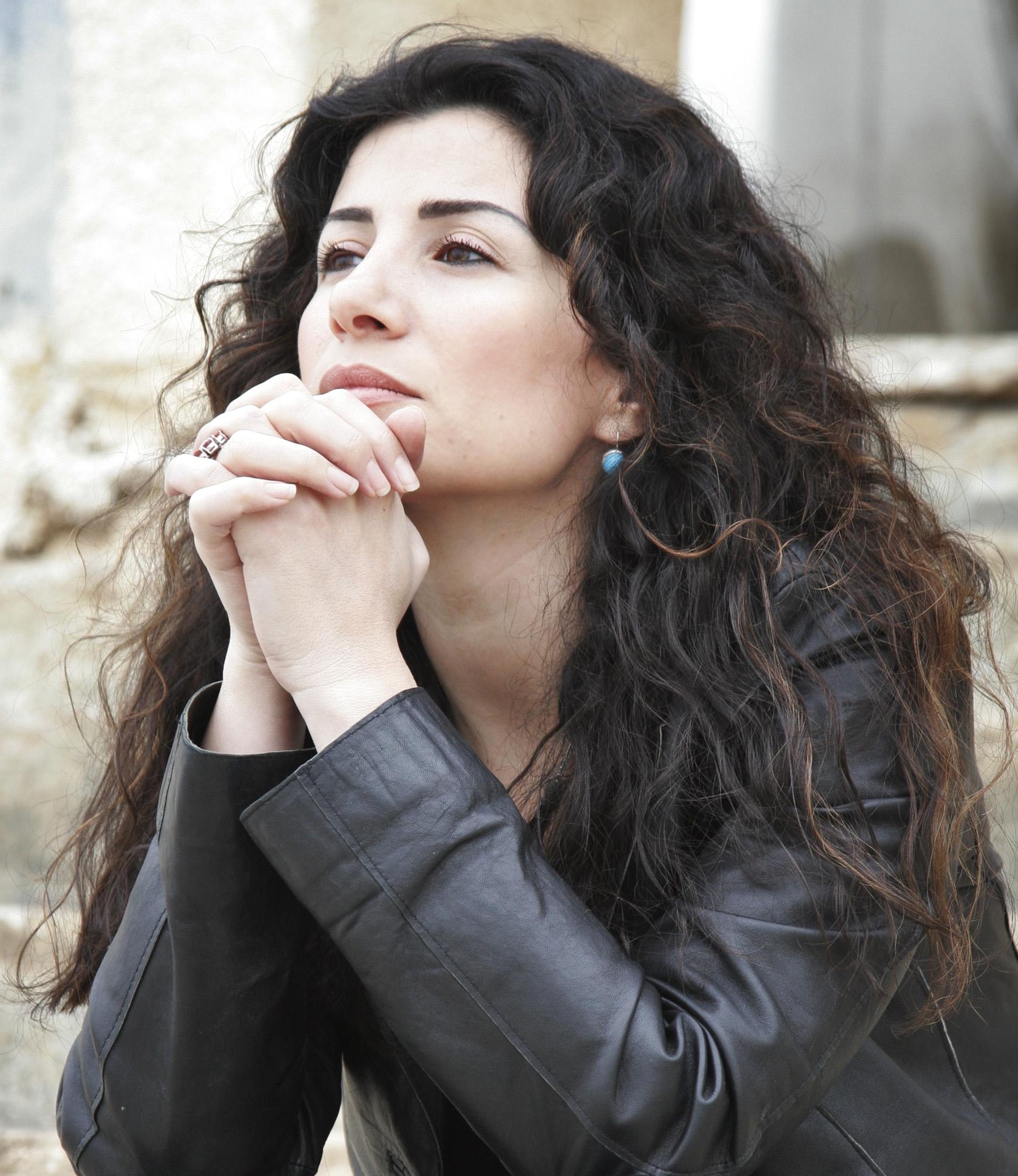
Joumana Haddad

Joumana Haddad

Around these parts of the world, it is usually believed that a woman getting married and having children signals the beginning of the end of her productivity as a person. That’s what social norms say, but not if you follow the Gospel according to Joumana Haddad. One of Lebanon’s leading women when it comes to public opinion, she never shied away from controversy. She defends the sexual liberation of women, their right to do whatever they want, sleep with whoever they want whenever they want. She defends the role of women in societies. She abhors the effect that religious establishments have on women rights in our societies. She was very recently considered by Bahrain to be worse than terrorists as they banned her entry for being an atheist. And for that, she can’t not be on the list.

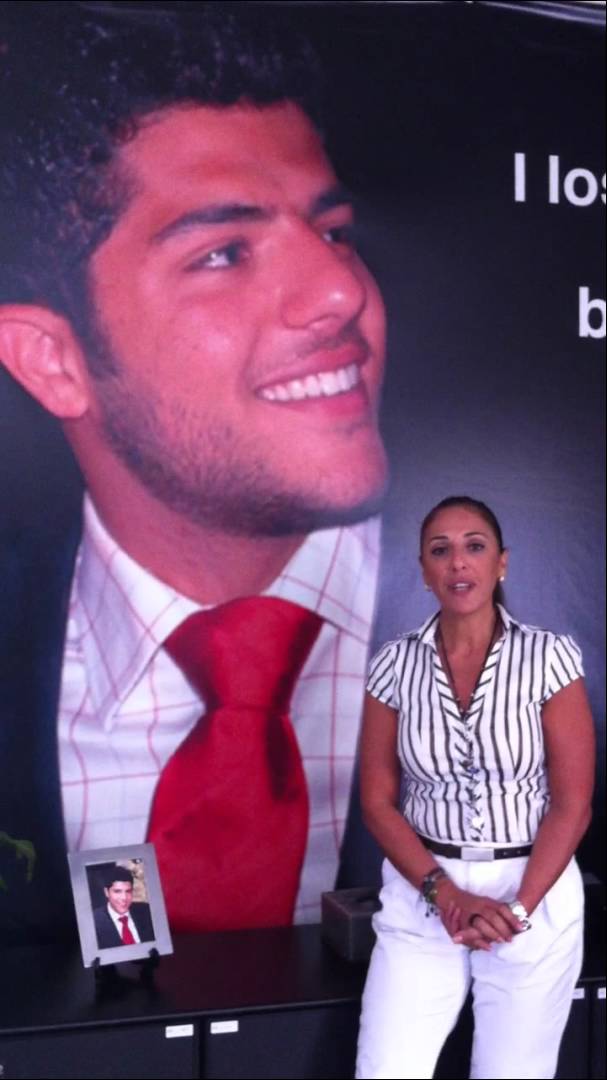
Lena Gebrane

Lena Gebrane

She may not be a household name, but the NGO that she founded certainly is. Following the death of her son Hady in 2006 at the tender age of 18, Lena Gebrane turned her grief into action and pioneered the way to create one of Lebanon’s most prominent NGOs “Kunhadi,” which has worked tirelessly since its creation to create awareness over road safety in Lebanon, especially among its youth. Her goal is to not let any Lebanese mother feel what she has felt. Sadly enough, many still do. But how many mothers today owe their family’s wholeness to Lena Gebrane’s sleepless nights? She has shown that being a mother extends beyond just having a child.

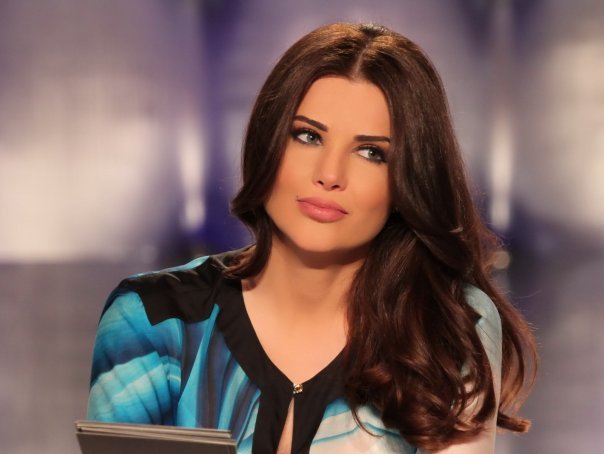
Dima Sadek


Dima Sadek

Dima Sadek is the kind of women who make it look all too easy. She manages to host LBC’s news, arguably the country’s most watched. She also has her own daytime political talk show where she has never shied away from talking tough stances and getting her guests to listen to a healthy dose of truth, even if it means them storming out. Good riddance. She has also managed to become a fashion role model for many women across the country in the very brief time since she became a household name, all while being a great role model to the young girl she’s raising.

Mona Abou Hamzeh

Mona Abou Hamzeh.

She hosts one of Lebanon’s most watched primetime shows. It is as such not because of its “light” nature, but because of her. She made “Talk of the Town” into what it is today, a viable competitor to the veteran show “Kalam Ennas” at the same time-slot on a different TV station. A woman running a TV show solely on primetime is not a rare thing in these parts of the world, but to have a show as successful as Abou Hamzeh’s is. Her demeanor, charm and presentation skills aren’t the only reasons she’s great. The bravery with which she handled her husband’s falling from grace over the past year as well as the support she provided her family while their entire status changed showed how strong Mona Abou Hamzeh is as a woman and as a mother. She didn’t succumb to the scandal that caught her off guard, like society usually asks of women here, but braced through it and emerged victorious.

Nancy Ajram

Nancy Ajram

She sells out arenas, conjures one chart-topping hit after the next, produces one music video after the next, churns out super-selling albums every other year, and still finds time to support the Lebanese army, women and children across the region through various charities, be the regional ambassador for several brands, judge on Arab Idol and be the Arab artist with the most video views on YouTube, ever. Long gone are the days of Nancy Ajram being synonymous with sultry. Many wondered if Ajram’s motherhood would stop her upward trajectory of fame. She proved them wrong by continuing to be one of the region’s most influential and well-known singers, as well as a full time mom to two gorgeous young girls.

The Mothers of Lebanon’s Kidnapped Soldiers

I can’t begin to imagine how difficult it must be for a mother to lose a son, but to have her son’s life be stuck in the balance of a political game for months now and still manage to get up in the morning to tend to the rest of her family must be a whole other level of achievement. They’re not famous. I don’t even know their names. But I know they’ve been working tirelessly to try and get their children to safety, to get our government to do something, anything, even as news kept becoming more and more dismal. And for that, Mother’s Day cannot pass without saluting those mothers too.

Your Mother, Too

This can’t end without a section about your mother as well. Once a year, the country stands to salute our mothers, which is something it should do every day. By being proud of us in spite of our faults, they push us to be better and strive for better. By raising us the best way they can, they are the catalyst towards a, hopefully, better future for the country and for ourselves. She’s the one who, when there isn’t enough food at the table, would rather you eat while she goes to bed hungry. She’s the one who, when there isn’t enough money, would rather you get new clothes than replace her worn out shoes. She’s the one who, despite being incapacitated beyond belief through one illness or the next, would still get out of bed to prepare you lunch. She’s the one you call “weinik/ak” on your phone, the one who’s always first to comment on your picture with “to2borne/to2brine nchallah,” who gushes with joy whenever she thinks about you and whom you won’t be able to repay.

Yes, this is to your mother, too.

Racism & Slavery: The Perfect Gift For A Lebanese Mother

Mother’s day is coming up and the mass hysteria surrounding the perfect gift to get our mothers is on an upward trajectory all this week. Should I get her a new home appliance, or would that send the wrong message? Should I just get flowers, or would that be too tacky?

Well, it seems that the answer is easier than you think. Why don’t you just get a bunch of “help” to your mother, discounts guaranteed?

Posted on Kafa’s Facebook page today is the following screenshot of a text message that a woman named Rola Koubaissy received:

Isn’t that such a good deal? They have special offers on Kenyans and Ethiopians. How is that not even a bargain?

Lebanon isn’t a country where sensibilities towards those of a different skin color are respected. Racism is widely present, sometimes unintentional and sometimes fully intended. All of the country’s migrant workers, especially the darker their skin goes, are victims of racism, horrifying lack of basic human rights and dismal salaries that many even find are “high” to pay for such “creatures.” But we’re paying them too much, a Lebanese woman would say about her maid’s $200 salary, as she clutches the bag she just purchased somewhere for about 10 times that amount.

You see these people who risk everything to come to this country of ours and get called dumb, stupid even when they learn our language and our ways from scratch. You see them being told off in public. You see them being placed on separate tables in restaurants or kept standing holding a purse while the family eats. Their passports are hijacked, they are imprisoned in our homes but few are those who find anything wrong with that.

And because all of that wasn’t enough, there are companies now that are publicly discounting them based on their passport. What’s sadder is that the people that sent the above text have no idea how unacceptably racist, horrifying and utterly disgusting their action is.

Housekeeping is not a profession to be ridiculed. Offering discounts on people just because they come from a certain country is not only nauseating, it’s a symptom of a greater problem in a country that sees people who are different as nothing more than commodities who can be exchanged for money, who divides them based on racial categories, the darker you are the cheaper you get maybe?

I tried to call the number in question but there was no answer. I contacted Roula Kobaissy and she said she had absolutely no dealing with that office before. She was unaware others in her area have received such a message as well.

Welcome to the country where modern-age slavery is advertised by text messages.

Update:

They apologized, which goes well with my point that they didn’t even know it was racist to begin with.

img221

 Update 2:

The Ministry of Labor is closing down the bureau according to LBC (Link).

What You Need To Know About Lebanon’s New Traffic Law

We’ve been hearing about a new traffic law that would go into play on April 1st but little has taken place in the way of educating people about it. Yesterday, LBCI’s Kalam Ennas did an entire episode for that purpose. Here’s a summary of what you need to know when it comes to the new law at hand.

New Driver’s License:

11053371_10152881776918547_5938692114833081343_n

Those ugly oversized laminated pieces of paper that we have are to be replaced with a more advanced driver’s license form with a smaller size and an electronic component. Of course, this won’t start as soon as the law is set in place because they haven’t agreed on the company to handle this (biggest wasta is yet up for grabs), and you will be forced to pay in order to replace your driving license which is also something you are forced to do.

The license comes with 12 points that will be deducted according to the traffic violations you do. Deductions can range from 1 point to up to 6 point per violation (violations detailed later). When you run out of points, your driver’s license will be revoked for 6 months. If this occurs more than once in a period of 3 years, the license will be revoked for 1 year and in both cases you will be forced to undergo new driving lessons.

Licenses have to be renewed every 10 years now instead of when you reach the age of 50.

Driving Lessons:

How many of you here were taught by your parents or a friend how to drive? Well, forget about that. When the new law is set in motion, the only way you’ll be able to take the driver’s license examination is by having a paper from a credible driving teaching institute stating that you’ve taken the required driving courses.

This sounds like a good thing in principle, after all many of the people teaching us how to drive are not exactly exemplary drivers. However, the government states that “credible institutions” will be assigned through rigorous standards. How rigorous will the standards be in front of those people’s connections?

New Car Plates:
10710956_10152881738583547_768759351598085318_n

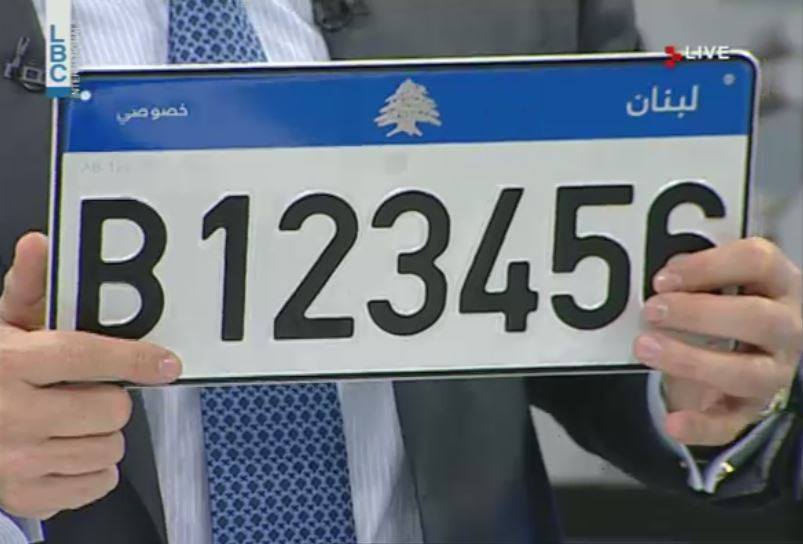
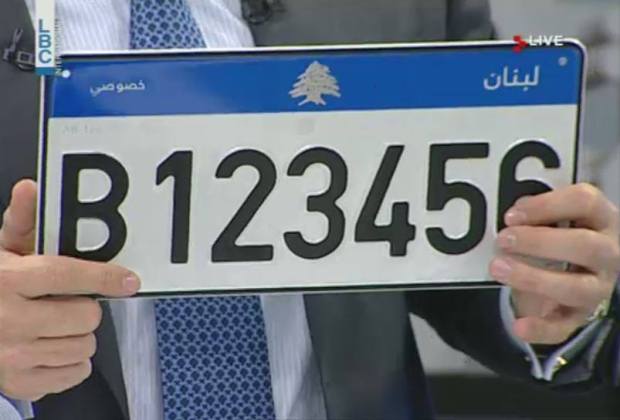
I always thought the Lebanese car plates, a rip-off of the European Union’s, were not bad at all. Either way, those license plates are also about to change and will also cost you more money.  They will also have a built in electronic device to keep the record of your car as well as to enable easier tracking of your violations.

Any alterations to the car plate, be it to prevent a correct reading or to alter numbers, incurs from 3 months to 3 years in jail as well as a 2 million to 20 million LBP fine.

The Fines:

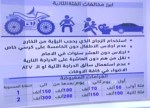
Under the new law, driving violations are divided into 5 main categories with increasing fines as well as repercussions. There’s also a subset for fines incurred by pedestrians. The value of the fine will be dependent on the time it takes for you to pay it. You are given a delay of 15 days to pay the initial sum, then it is increased for the next 15 days of the month before being increased later on and referred to a traffic judge for further management.

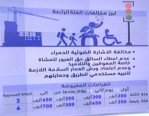
A pedestrian who doesn’t respect the pedestrian passage sign or doesn’t use the pedestrian bridge to cross a road can be fined between 20,000LBP to up to 100,000LBP if that person doesn’t pay.

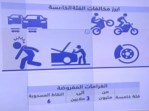
Category 1 violations include not wearing a helmet for bicycles as well as not using side mirrors. Fines can range from 50,000LBP to 150,000LBP with 1 point deducted from your driving license.

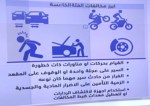
Category 2 violations include using dark tainted windows (fumé), not having a car-seat for children under the age of 5, seating a child under the age of 10 in the front seat (all those childhood dreams are ruined), transporting a child under the age of 10 on a motorcycle, etc. The fines will range from 100,000LBP to 300,000LBP with a 2 points deduction.

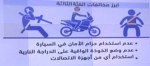
Category 3 violations include not using a seatbelt, a helmet on a motorcycle and mobile phone use while driving. Fines will range from 200,000LBP to 450,000LBP with a 3 points deduction.

Category 4 violations include running a red light and not giving pedestrians the right of passage. Fines will range from 350,000LBP to 700,000LBP with a 4 points deduction.

Category 5 violations include doing dangerous maneuvers (betweens come to mind), running from the site of an accident, not having insurance, driving on one wheel or standing while driving (for motorcycles obviously), as well as using radar detection methods. Fines will range from 1million to 3million LBP with 6 months deduction as well as the possibility of up to 2 years jail time.

Driving under the influence of a substance or exceeding the speed limit will be violations with varying categories depending on the type of substance, its level in the blood as well as the speed you were driving with.

Law Won’t Be Applied To All, Obviously:

In typical Lebanese ways, there will always be people above this law in question. When one of the guests was asked by Marcel Ghanem if politicians, politically-backed people and those of influence would be under the same regulations, the guest shrugged it off.

“This needs a political decision,” he said. Because, clearly, the whole rhetoric of “protecting the Lebanese citizen with 21st century regulations” doesn’t apply to the convoys threatening our lives with their barbaric driving, to those who have no problem running you over knowing they don’t face repercussions and driving recklessly just because they can.

Why This Is Nonsensical:

If you look at the law in absolute value, it’s wonderful and a joy to have in any country. I’m all for 21st century level regulations to protect people anywhere.

The problem here is that we are importing a 21st century law from European countries to a country whose infrastructure is still firmly stuck in year 1954. Has the government seen the highways? Have they seen all the ignored potholes? Have they seen exactly how few pedestrian bridges we have? Have they seen that there are no bike lanes, that there’s absolutely NOTHING when it comes to our roads, to our cars, to our entire regulations that actually allow Lebanon to aspire to become a European-level country when it comes to driving?

The highways are not lit the moment you leave Jounieh. The infrastructure, horrible as it is, becomes even worse when you leave Keserwen going North. Aspiring to be “European” is more than having a fancy looking plastic license.

They say they want to protect people by having this new law, and it’s all nice and fluffy to hear. But what’s the point when the very reason people are dying isn’t just that driving in Lebanon is hellish but where we drive, the system employed to regulate our driving, those in charge of making sure our cars are up to par, etc…

Moreover, the organization who will apply this law, our security forces, is one whose track record, despite an effort over the past couple of years to fix its image, shows that the Lebanese citizen cannot hold it accountable.

How many corrupt policemen roam our streets? How many policemen are more than willing to shrug off their work just because they don’t feel like it, as has recent years proven to all of us including me (link)? How long can we even expect those policemen to actually try and apply the law before they get bored or isn’t the smoking ban example enough? How many corrupt policemen won’t be held accountable for exerting power over us illegally just because they can and because we cannot stand up to them?

In Lebanon today, raising fines will be nothing more than another source of revenue to a government whose entire purpose of existence is to take and take, but never ever give back. Where will the money go? Who knows.

The Lebanese state follows this basic mode of action: you’ll pay us, we’ll make sure you do, but we won’t offer anything in return. And you will be happy doing it, no questions asked. Smile and wave, everyone.