Disfiguring AUB with Zaha Hadid’s Building

Zaha Hadid AUB

Towards the end of my AUB days, someone decided to close down the area that held an infirmary in order for some new construction to take place.

I am not unfamiliar with construction projects at AUB which filled my time when I was there: both the Olayan School of Business and the Hostler student center opened when I was a student. I’m no expert nor do I know anything about architecture but they never struck me as disembodied elements of AUB’s campus.

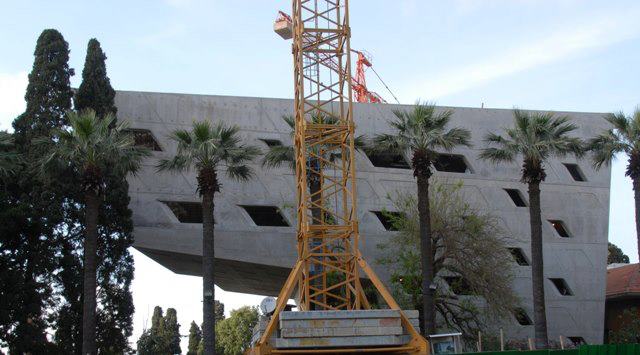
The building depicted in the above picture is what’s standing in place of the infirmary today. Is it hideous? You bet. Is it an atrocity? Definitely. Does it take away from the charm of AUB’s upper campus? Well, it is a concrete block with holes in it. Again, unprofessional opinion here.

Why is such an ugly building overshadowing Nicely Hall? Because it has Zaha Hadid affixed to it, the world’s most famous architect, who “won” the competition to build this. As if the pull of her name alone isn’t enough to sway the competition.

I have to ask – and it’s obviously too late now for such a question – but didn’t anyone from AUB’s administration get a tinge of nausea as they passed by this growing structure and saw it disfiguring the campus many of them call home? And isn’t the mere presence of such a building disrespectful to the architecture faculty at AUB which is more than capable of coming up with better and more campus-relevant buildings?

But I guess this is how things roll around the country: go with the flashiest, most expensive, most prominent names because that’s sure to be better. Issam Fares- no relation-, after whom this building is named, should probably sue them for libel.

The Death of the Lebanese Dekkéné

Rue Aabrine Beirut Lebanon

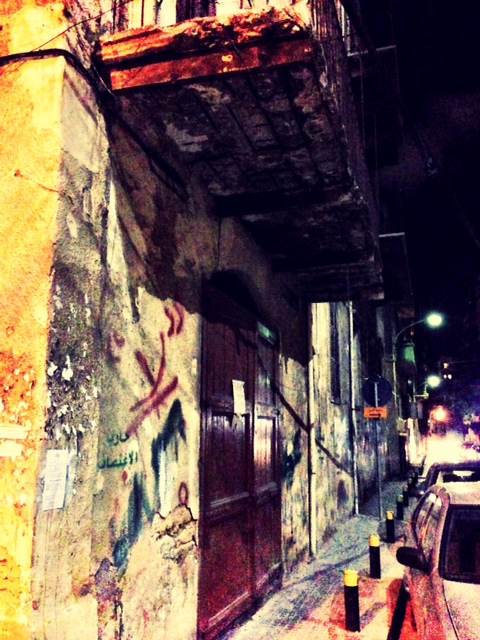
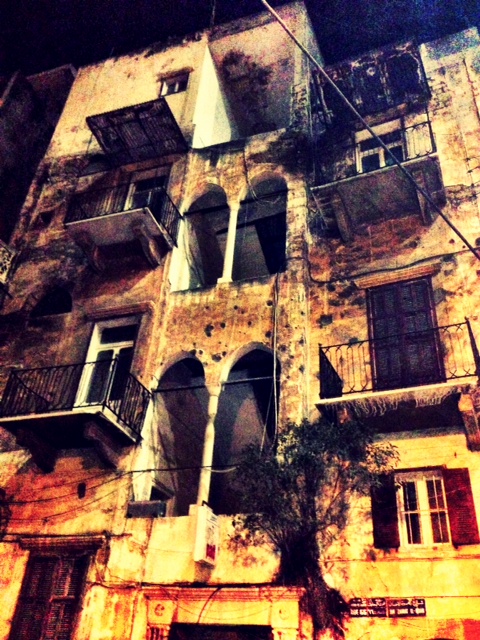
Aabrine Street was, until recently, one of the last remaining Achrafieh streets that still contained a flair of an old Lebanese life that you wouldn’t believe still existed in Beirut, especially Achrafieh: one where a family lived in the same building which had a dekkéné that they ran. Their house harbored them for decades – all through the civil war.

Their house’s entrance is very inconspicuous. The cats roaming around the place hid in the space of those traditional windows. The family took care of them. I went to their place a few times: high ceilings, old chandeliers and armchairs… what you’d expect to find in old Lebanese houses in the village was there. Except this was the heart of Beirut.

Their house was also the witness to the Civil War story I wrote on this blog in 2011. You can read it in its three parts here.

Their home is no longer theirs as some investors took over the entire stretch of buildings on their block, all of which are old buildings. But this isn’t Amin Maalouf’s house for it to cause a ruckus.

Beirut Aabrine Street Old Bldg Beirut Aabrine Street old building 2

As I walked by the house yesterday, I was saddened to see all the dark, empty windows. What used to be lit apartments and the voices that emanated from inside is now nothing but emptiness awaiting for it to become non-existent.

The family that lived in that apartment lived off a small dekkéné at the other side of the building which stretches down the street by being connected to lesser maintained parts. This dekkéné allowed their father to send many of his children to the United States where they got naturalized shortly after the civil war ended. He ran the small place for 50 years. He played cards with my grandpa and other Aabrine men as customers came in and out – Tarnib Koubba in case you’re wondering. Backgammon tables were there as well.

Dekkane Beirut Aabrine Street Lebanon

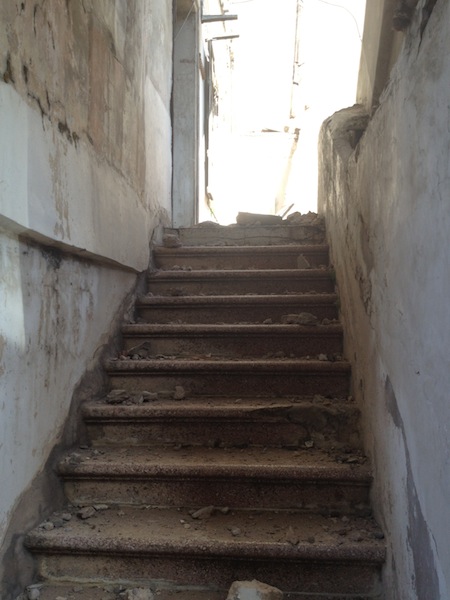
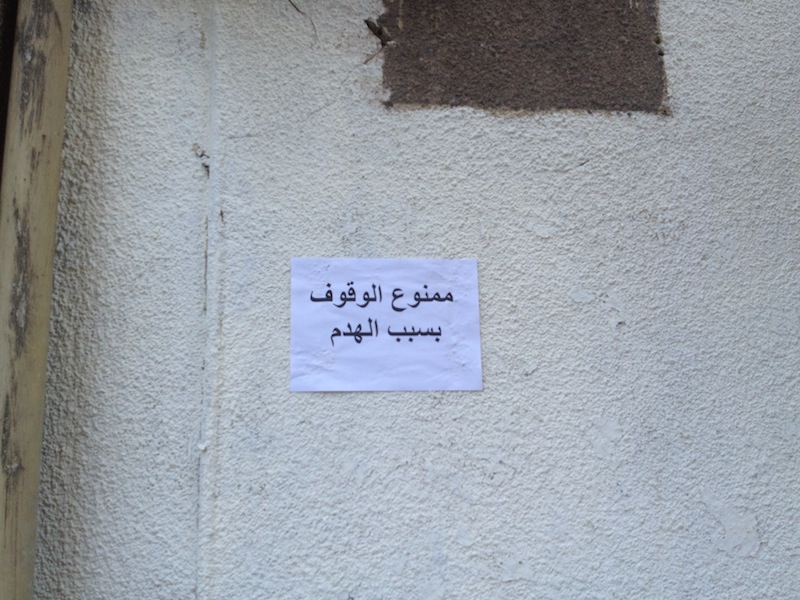
Today, the door of Sassine’s dekkéné holds a paper which he signed to announce that he had relocated. Another small office a few meters away, in that same building, announced the same thing. This dekkéné, which by the looks of it could fit anywhere but in Achrafieh, is gone for good. It still stands. But not for long.

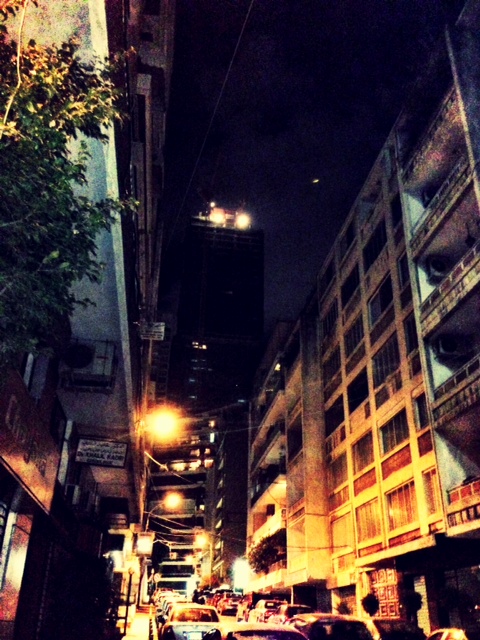
The building that contained the dekkéné and all the nearby buildings connected to it will soon be demolished to allow another colorless high rise in their place. The history of the place will be gone for good. The place where my grandpa played cards with his friends, where small children would run to get their mother something she urgently needed for the tabkha she was cooking will be gone and with it another chapter in the life of a city that will soon not recognize itself anymore.

This isn’t about the worth of the dekkéné or its efficiency – it’s about what the dekkéné signifies: how easily we tear down what is old to bring in what is newer but never better.

This is the other side of the building in question, less maintained than the section where the family lived:

Aabrine Street Old Building

Beirut Rue Aabrine old bldg

And this is what the dekkéné and its building will be replaced with. Beautiful.

beirut achrafieh high rise

Let Them Demolish Amin Maalouf’s House

Amin Maalouf's Home Beirut

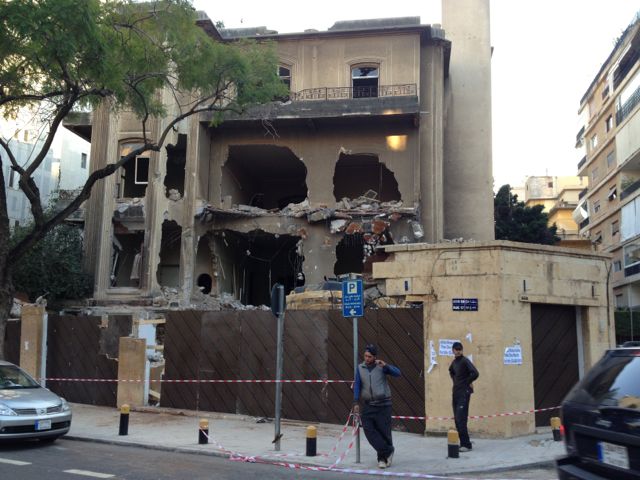
Many people are panicking that Gaby Layon, our minister of culture, has approved the demolition of Amin Maalouf’s house in Beirut’s Badaro neighborhood, which started yesterday. You can check out pictures of what’s left of the house here.

My problem with the issue can be formulated in the following question: should we be against this demolition because it’s Amin Maalouf’s house, which is why most people are outraged, or because it’s is a one-of-a-kind Lebanese mansion that has been around for over a century?

While Amin Maalouf is definitely a Lebanese to make us proud and whatnot, I do not believe him living in the house holds any cultural value for the Amin-Maalouf-Lived-Here protesters. He did not create most of his literature in it. I don’t think the house he couldn’t wait to get out of helped shape him as a writer in any way. If Amin Maalouf wanted the house saved, I’m sure Amin Maalouf could have gotten it saved.

However, the house is more than a century old. It is an old fashioned Lebanese house, present in a capital that is fast losing any form of architecture that makes it distinctive – and this is where the wealth of this residence lies. Long-gone are those mansions that our forefathers helped build and told us about when we were younger. Long gone are those houses that make Beirut Beirut. They are but a distant memory stranded among a concrete jungle of high-rises, slums and Zaitunay Bays. The house shouldn’t be demolished not because Amin Maalouf lived in it but because it would, if renovated, fit in and give grandeur and character to its neighborhood – one that the coming high rise wouldn’t even dream of doing.

Not all old Lebanese buildings are nice and should be preserved though. But their demolition is a reflection of two serious problems: we have a lack of urban design that is only getting worse with each tower ruining Beirut’s skyline. The idea that high-rises shouldn’t be stranded all around the city but located in one main district is non-existent. For example, my neighborhood in Achrafieh has a very high building that hasn’t been completed yet and it’s been ten years at least. It sits there, out of place, out of character and absolutely disgusting-looking. These old buildings are being demolished at an increasingly rapid pace as well – out with the old, in with the ugly new. And this is only the tip of the iceberg when it comes to the horrors of Beirut’s current designs.

The second problem is that those who should care about preserving our culture don’t. And those who have the power to point that out are in a deep state of apathy.

While the issue of electricity and Lebanon’s ancient ruins are different, they are both of the same importance. However, how many TV stations do you see grilling Gebran Bassil day in, day out? All of them except OTV and Al-Manar. How many stations do you see grilling Gaby Layoun for demolishing more landmarks during his time than any other minister of culture? None.

Gaby Layoun isn’t Michel Aoun’s son-in-law. He doesn’t have a protective clout around him. He can be very easily disposed, another Charbel Nahhas if you want.

Gaby Layoun doesn’t have the faintest idea what culture is. He is the minister behind the current demolition of Beirut’s Hippodrome in Wadi Bou Jmil and the demolition of the Phoenician Port in Downtown Beirut as well. For all matters and purposes, this is a man who doesn’t know anything that extends beyond the growing depth of his coffers. And yet he’s still adorning our government with his presence. He was even quoted “apologizing” for Maalouf’s home, not knowing its architectural worth. Please.

Let them destroy Amin Maalouf’s house. What remains of our ancestor’s Beirut doesn’t rest on it. Odds are there’s another house somewhere in Beirut right now being demolished as well. But no one cares. Lebanon’s cultural identity crisis isn’t contingent upon a house standing, in a country whose national heritage is a matter of disagreement, where those landmarks being destroyed are considered by some as unnecessary – “the tourists don’t want to see that.”

Let them demolish Amin Maalouf’s house. It is not his home. It is but a tiny speck in a dying country, a cancerous and corrupt ministry, an idle media and a wretched people all getting ready for Lebanon’s upcoming 2013 elections. I’m pretty sure if the ministry wanted to demolish Gebran Khalil Gebran’s home, few would have cared as well.

Let them demolish Amin Maalouf’s house because, if anything, leaving his old home actually allowed him to be great. 3a2belna.

Lille, France

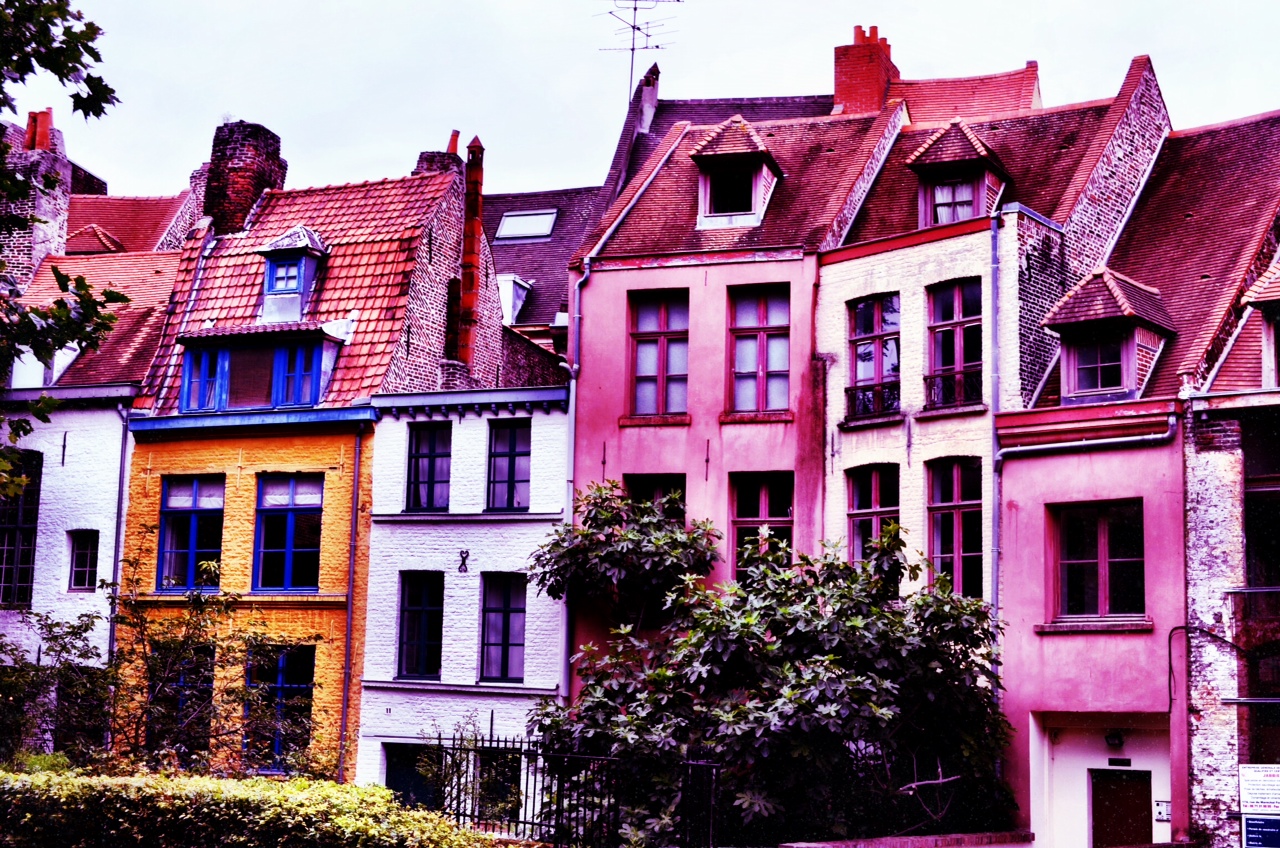
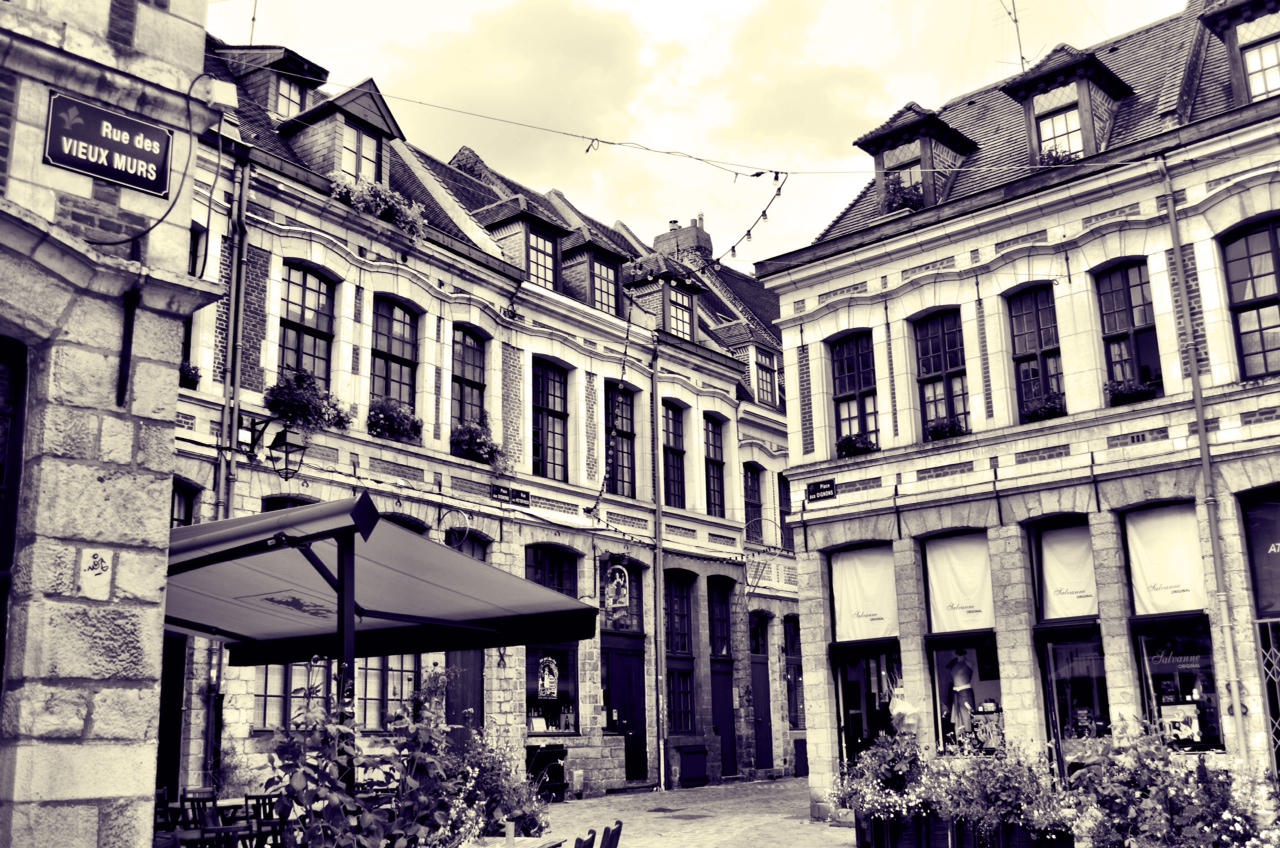
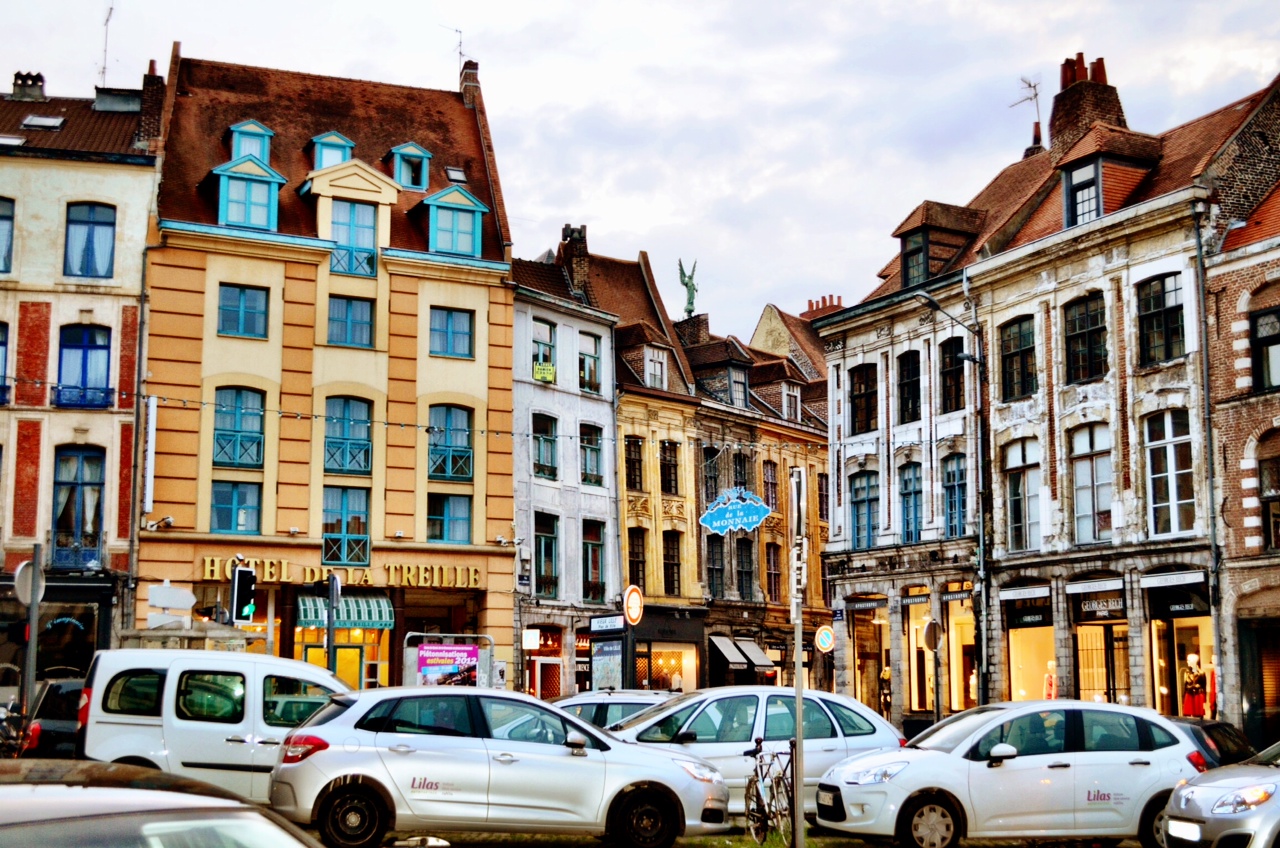
I spent the month of August discovering the gorgeous city of Lille in Northern France. I went there for a clerkship at one of the city’s hospitals and I absolutely fell in love with its culture, its people and everything it had to offer. Lille is one of France’s biggest cities and yet it still has this rustic feel to it – especially in its older streets, aptly called Vieux Lille.

I made a lot of memories in that city. I won’t go down memory lane and enumerate them for you because I’m fairly certain you couldn’t care less. But I am thankful for getting the chance to go there and meet the people that I met and make those memories that I cherish now.

Xavier & Camille, our amazing French hosts and friends that made us feel at home – literally – for the entire month that we spent there, this is for you. Thank you for everything.

Here are some of the many pictures that I took of the beautiful city of Lille. I’m not a professional so these are not meant to be impeccable – but I do hope my love for the city comes across in them.

Palais des Beaux Arts

Palais des Beaux Arts

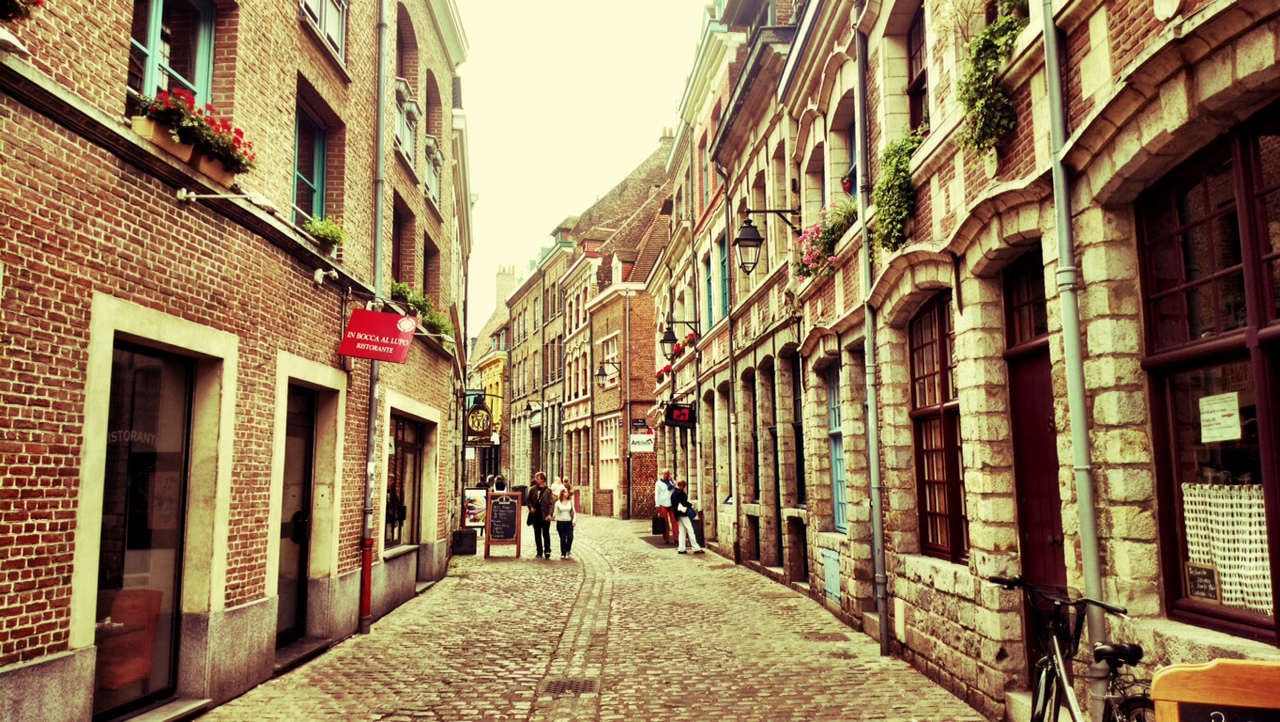
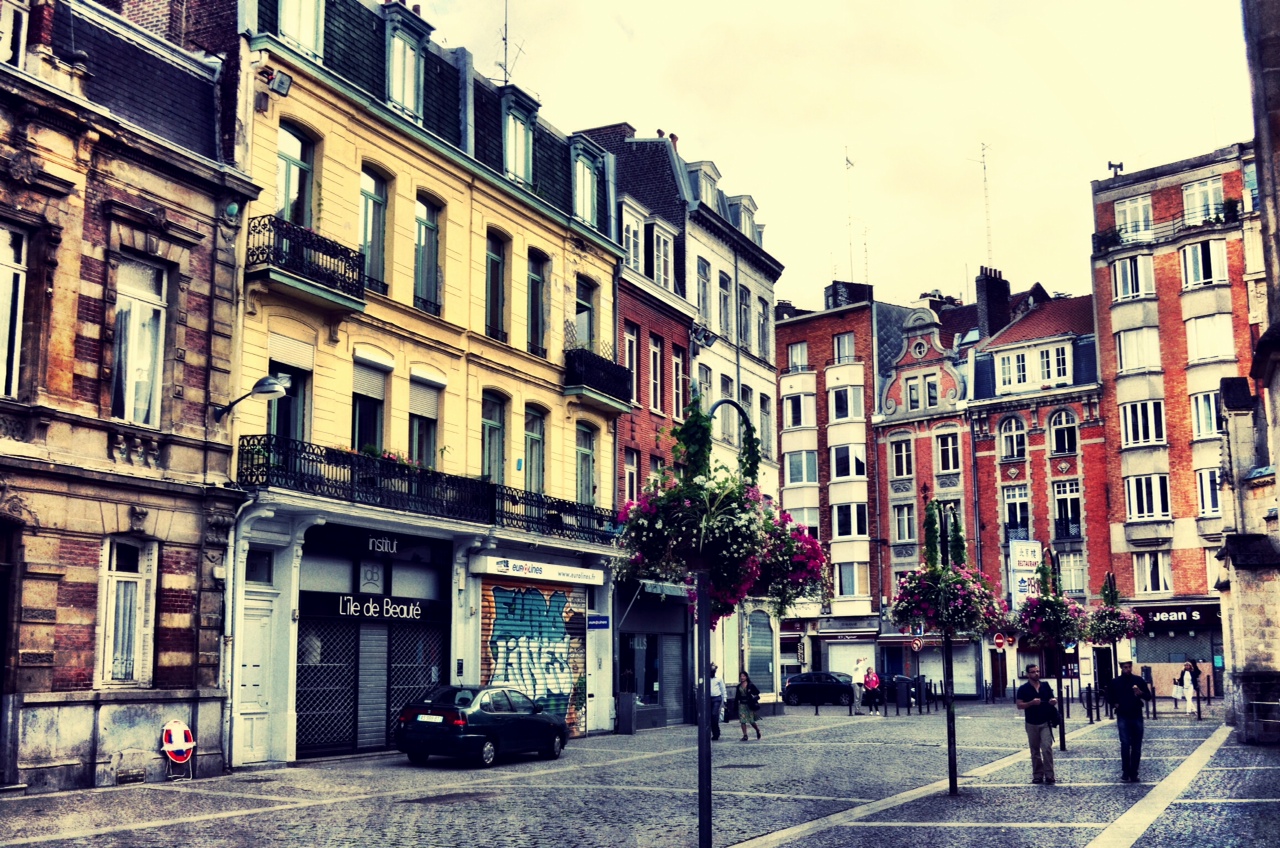
Another old street in the city

Another old street in the city

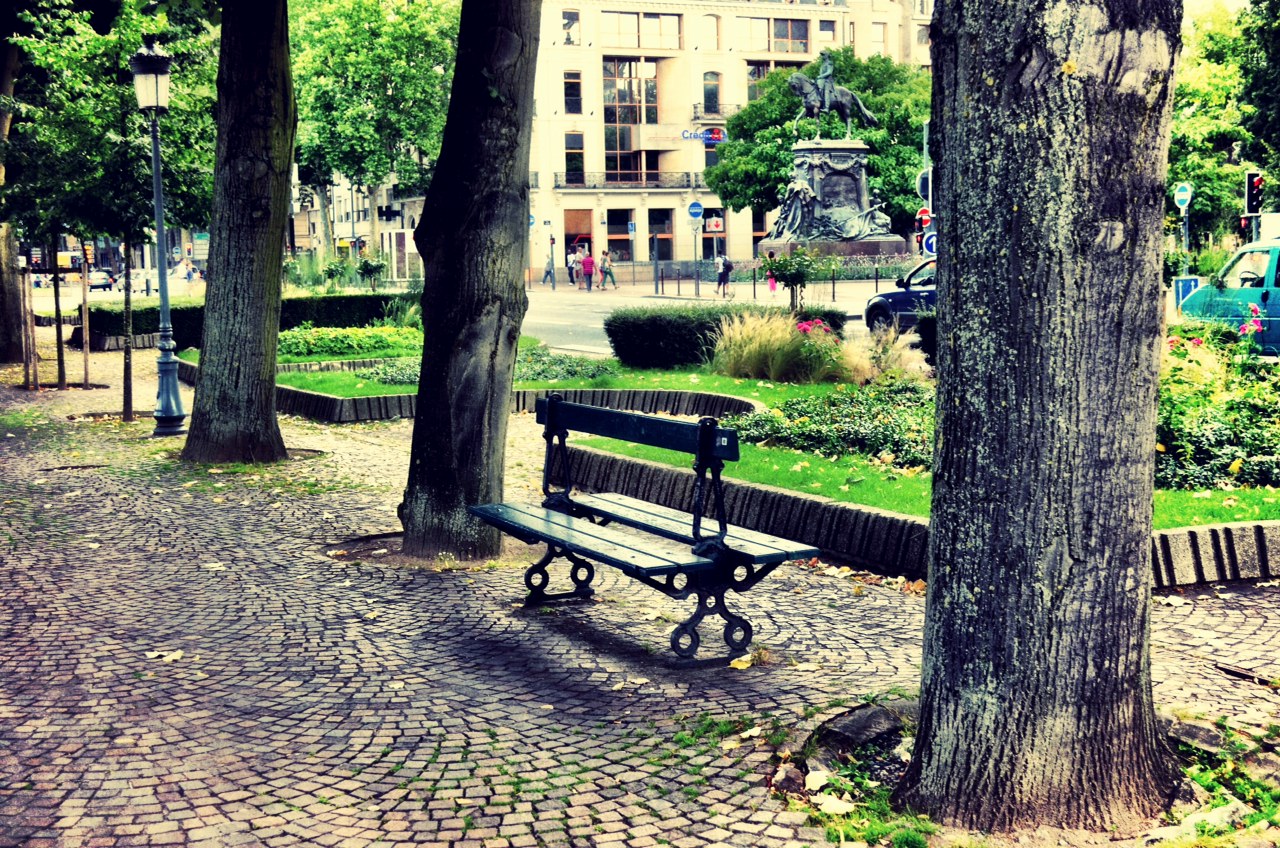
A parc bench in the city

A parc bench in the city

Rue de Bethune

Rue de Bethune

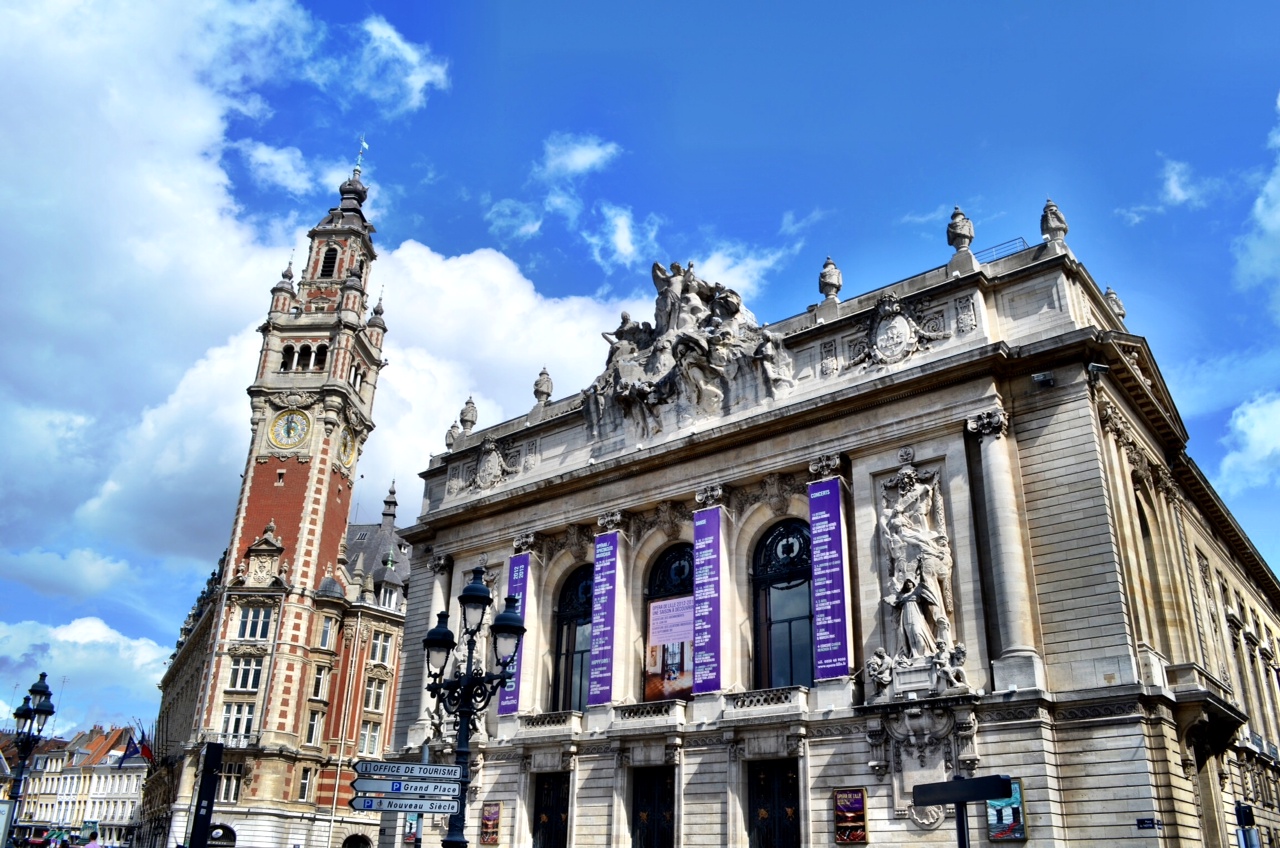
The city's opera house

The city’s opera house

Vieux Lille

Vieux Lille

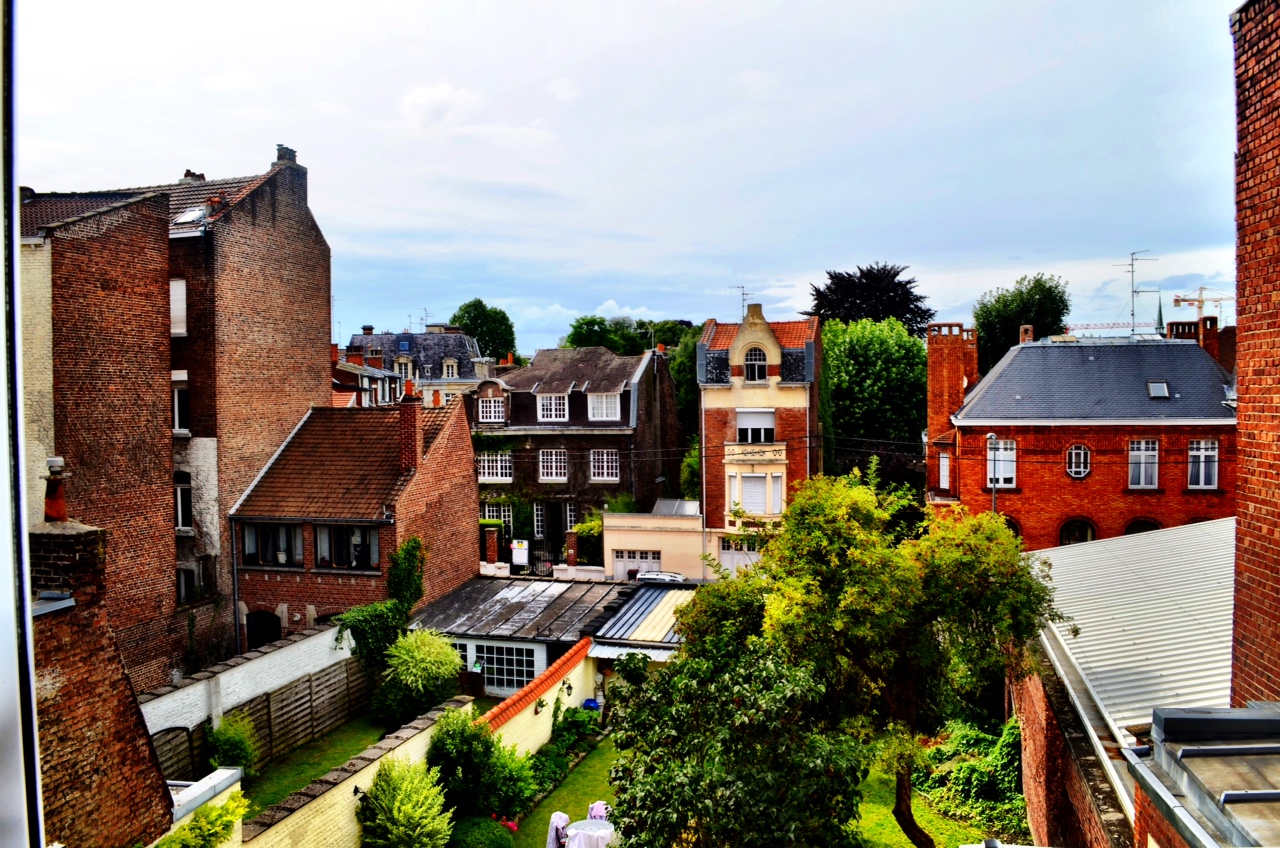
The view from our apartment

The view from our apartment

A statue next to Palais des Beaux Arts

A statue next to Palais des Beaux Arts

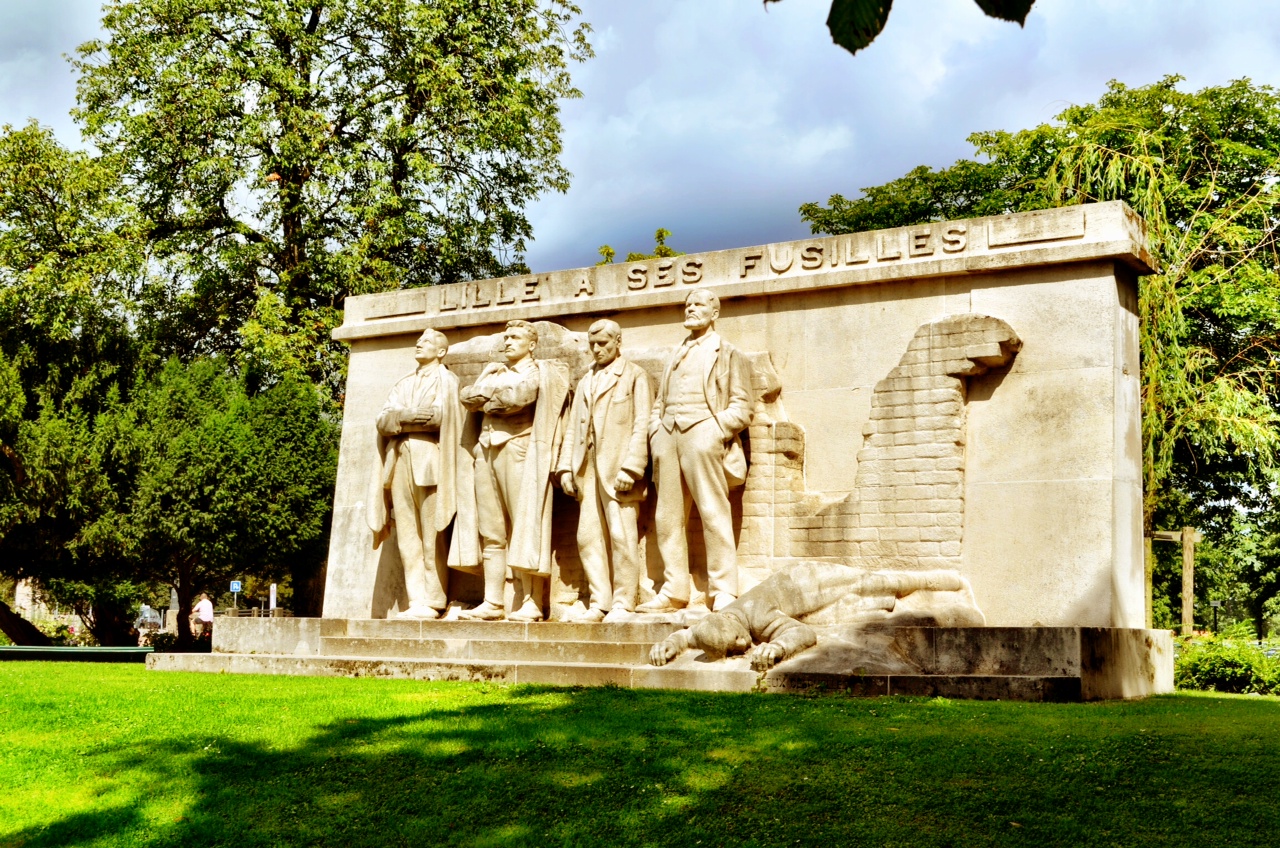
A war monument

A war monument

One of the city's cathedrals

One of the city’s cathedrals

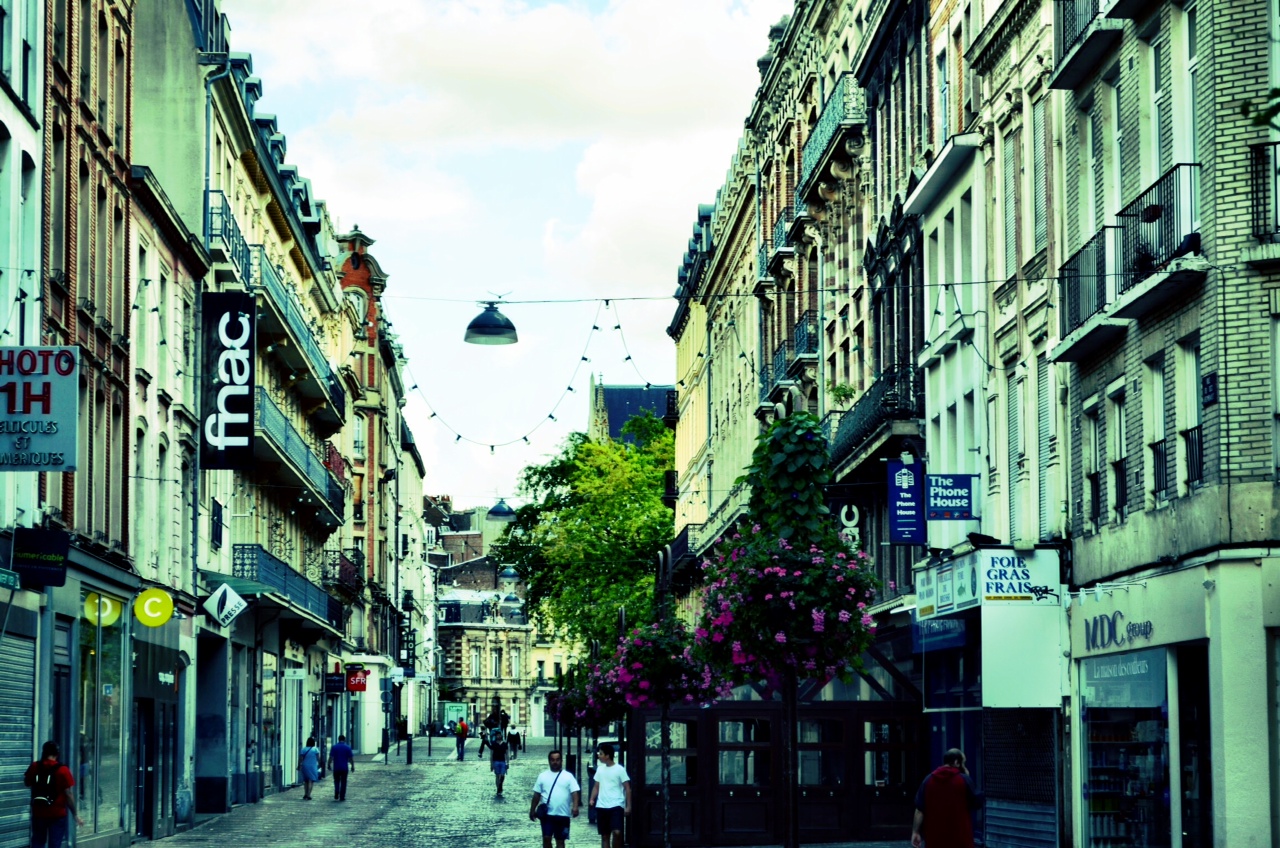
Lille France Street

Welch - one of the city's specialities

Welch – one of the city’s specialities

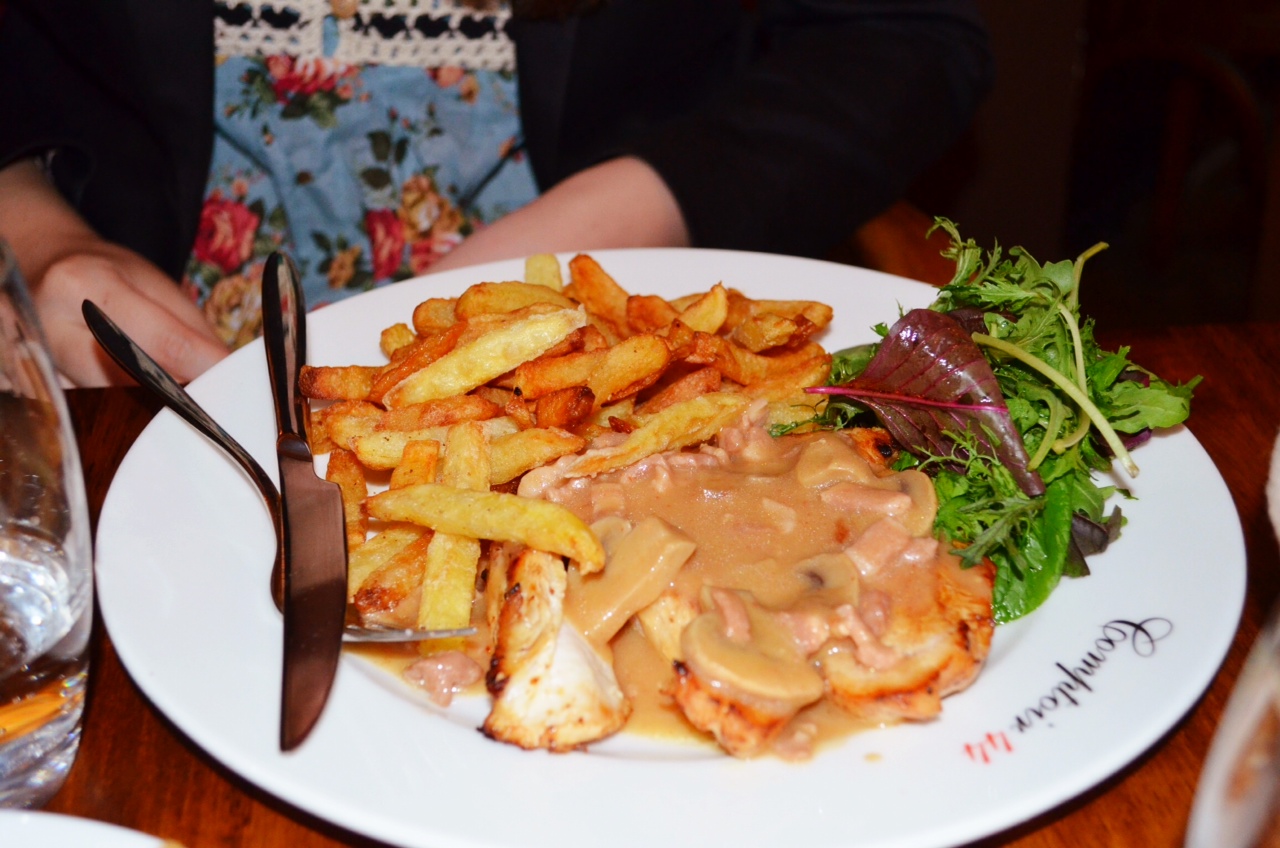
Lille France Restaurant Comptoir 44

Inside one of Lille's cathedrals

Inside one of Lille’s cathedrals

A mural found in one of Lille's subway and train stations: Lille Europe

A mural found in one of Lille’s subway and train stations: Lille Europe

One of the specialties of the North

One of the specialties of the North

Beer, another specialty

Beer, another specialty

Another street in the old parts of the city

Another street in the old parts of the city

One of the streets of Vieux Lile

One of the streets of Vieux Lile

The opera house

The opera house

Gargoyles

Gargoyles

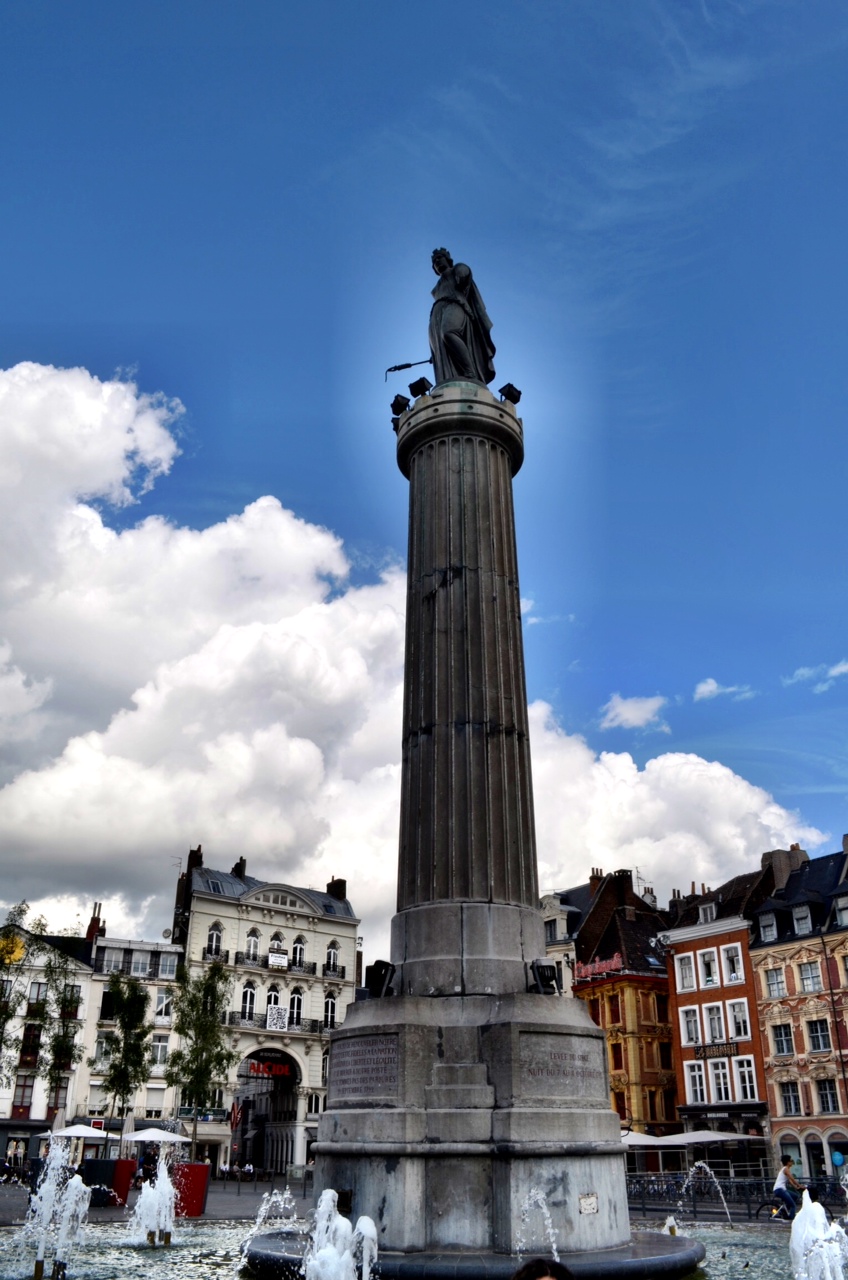
The city's heart - place du General De Gaulle also known as Grand Place

The city’s heart – place du General De Gaulle also known as Grand Place

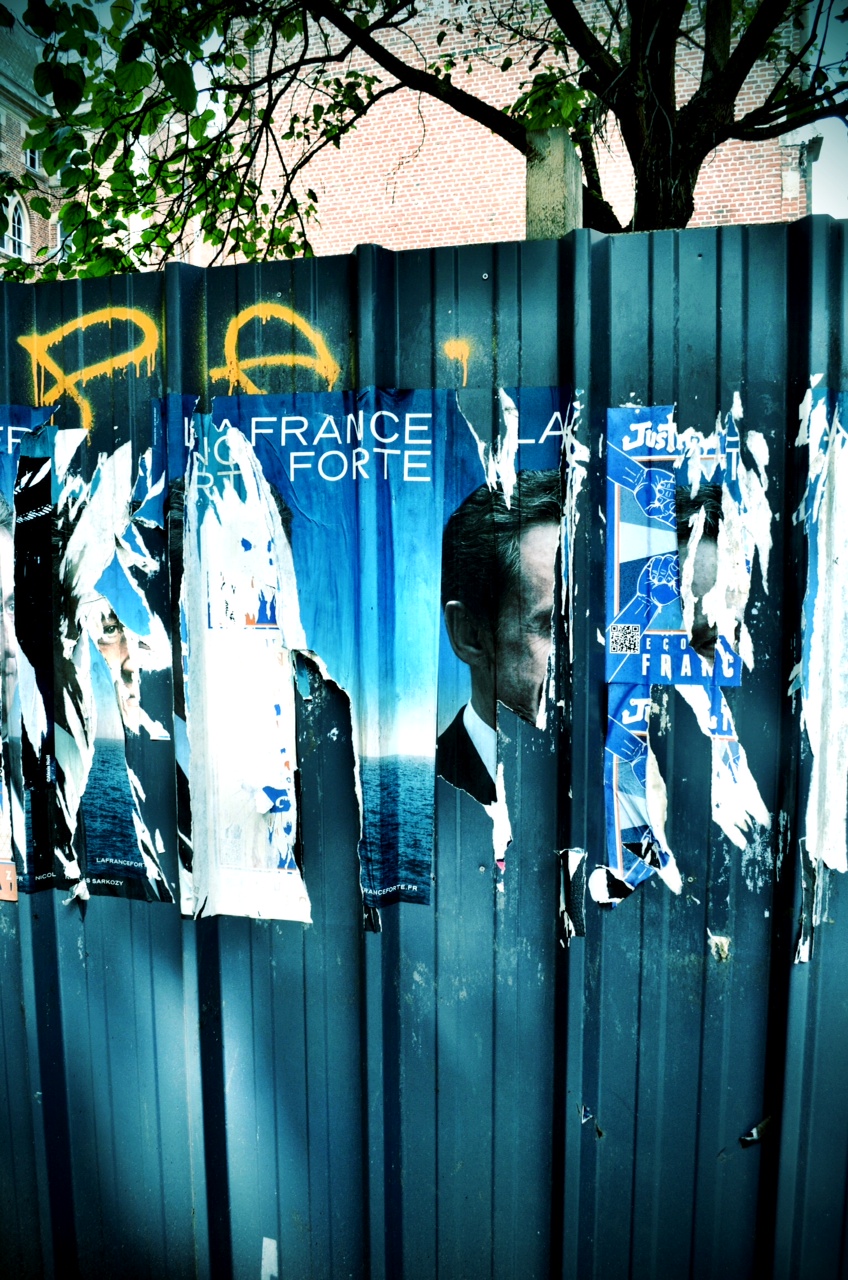
Lille doesn't like Sarkozy

Lille doesn’t like Sarkozy

Old Street Lille vieux Lille France

Another street in old Lille

These pictures were taken using a Nikon D5100 and edited using my iPhone 5’s Camera+ app.

Old Achrafieh (Geitawi) House To Be Demolished

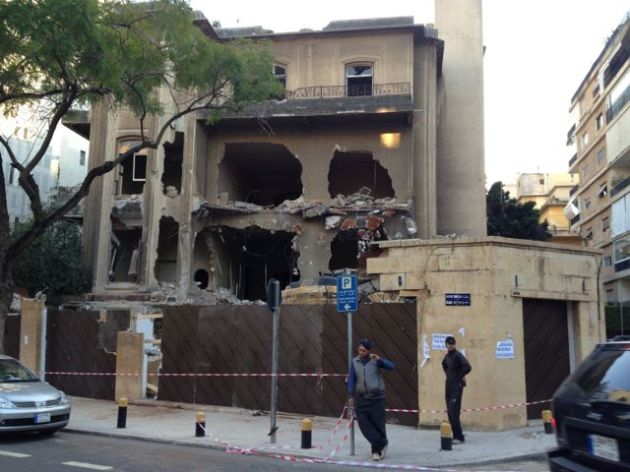
A few seconds’ walk away from my house is a small building that I never took much notice of. That small building, however, is counting the days until it exists no more to give way for a new high rise.

As I walked next to it this past weekend and was taken aback by the metal frames to keep people out, I looked at the facade of the two-story building and couldn’t but notice how beautiful it could be. It’s a shame really that the mentality of renovating instead of demolishing isn’t taking hold in Beirut, especially Achrafieh.

Former minister of culture Salim Warde had a law proposition involving forcing contractors to have the new building they intend to erect be of the same number of stories as the one they demolished. His proposition went into a bureaucratic drawer and will probably never get out of it.

Achrafieh desperately needs such regulations. It’s fast becoming a concrete jungle of buildings that all look alike and feel imported, without a Lebanese flavor to them apart from the people that live in them. It’s a shame really.

And what’s even worse, the parking situation in my apartment’s street is about to get worse. People were allowed to park next to the building set to be demolished. The new building will obviously not allow that.