
I still remember this September day, ten years ago, when my whole family sat dumbfounded in front of our television set, not believing what we were seeing.
How could the United States, the world’s leading country (despite some in-denial people thinking otherwise), have this happen to it? Shouldn’t they have been more prepared? After all, two airplanes hitting their country’s biggest towers and an attack on the Pentagon isn’t exactly a small feat – for any terrorist group.
Any group responsible for the attack must have taken months, if not years, to slowly brew the intricate details of the assault. Therefore, it’s very hard to believe the United States’ intelligence agencies had no idea about it. Instead, they chose to shrug these threats off. There’s no way something like this could happen to us, I’m sure they thought.
But it did happen, taking the lives of 3000 people with it and launching the “war on terrorism” propaganda that has been going on for the past decade.
I still remember holding my mom’s hand as she saw those people jump out of the building, hoping they would be saved somehow, thinking that jumping increased their chances of survival. I still remember news anchors going silent for minutes on end because they were out of words. I still remember my whole household feeling shaken. I still remember my grandma’s panic-stricken face as she stumbled towards the phone, trying to call her sons even though she knew they were far from New York City.
What we did not think of was the aftermath.
I never thought I’d be automatically labeled as a person of suspicion just because of my country’s geographical location. I never thought my aunt would have to wait three hours in LAX before they allowed her to go out and see my family. I never thought it’d become so difficult for me to go the United States, even if I hadn’t seen my family for over five years. I never thought my Muslim friends would automatically become one of the most hated groups in the world just because of their religion. I never thought things would change as much as they did.
I am not a mean person. In fact, I am probably one of the most American-sympathizers you can find – at least in Lebanon. But the thing is, 9/11 needs to be put in perspective.
It will always be a memory of hurt. But ten years later, where should we really stand regarding 9/11? The people who lost their lives should forever be remembered. They were innocent victims who fell to the brutality of a radical group that has a distorted view of their religion.
But ten years later, that’s the only thing I can take out of 9/11. And here’s why.
Sure, 9/11 revealed the United States’ vulnerability. But I’m sure the ship has sailed on that vulnerability. Following that day, the United States’ assumed the role of the policeman of the world. No one did anything unless the United States approved. And if some country happened to dare the United States, they were met with a bunch of sanctions they could never get out of.
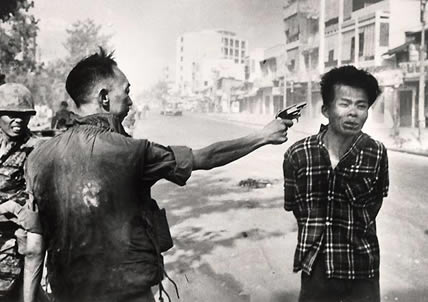
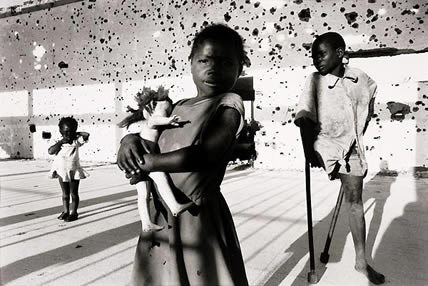
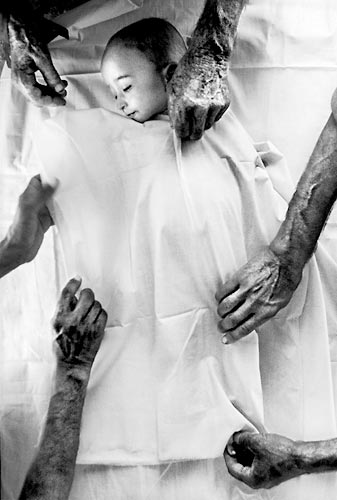
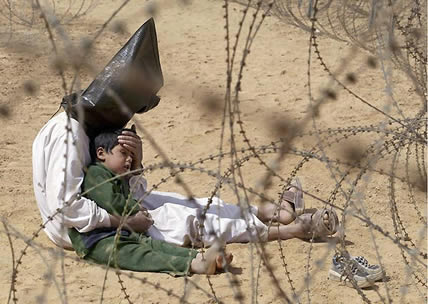
The War on Terror has led to the death of not 3000 but more than 900,000 people, most of which are women and children whose only fault was to be in the wrong country at the wrong time of history. What do these men, women and children differ from those 3000 men, women and children that died in the World Trade Centers? Their ethnicity? I hardly think so. Their religion? I’m fairly certain all victims were not uni-religious. The main difference is that the world thinks more of those 3000 people that died on 9/11 that they do of those 900,000 that died in the War on Terror. Why? because in the world’s mind, those 3000 are innocent. The 900,000 are terrorists. Wrong place, wrong time.
The 9/11 attacks also gave the U.S government a free pass to do whatever it wants militarily until it was too late. Example? The Iraq War – also known as Operation Iraqi Freedom.
I still have no idea, even to this day, how Iraq fit into the whole Al Qaeda scenario of the 9/11 attacks. Their only fault? Too much oil beneath their soil. I am also fairly certain the United States’ intelligence agencies were more than knowing that Iraq had no weapons of mass destruction. Live and let live no more.
But why go so far back in time – even if all of this is a few years old. Let’s look at what’s happening around the world today.
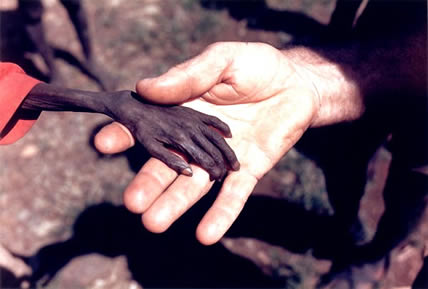
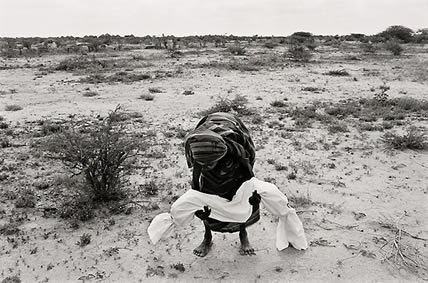
There’s a famine in Somalia. Children are dying every few seconds out of hunger. The United States has the world’s highest obesity rate. They’re throwing food away because they can’t eat it anymore. The children of Somalia, on the other hand, don’t even have access to bread crumbs that fall off a table and we don’t notice.

As a result of “Operation Iraqi Freedom,” thousands of Iraqi Christians lost their lives and were forced to leave their land and country, becoming not welcome there anymore. Their only fault? They were of the wrong religion at the wrong time in the wrong place. What could have the US done, for instance? Protect them.
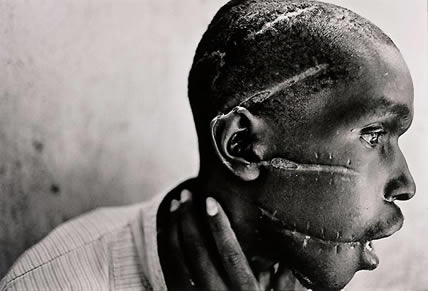
Massacres are taking place daily in Congo. Women getting raped has become their way of life. Children getting murdered just because they happened to be caught in a crossfire between greedy tribes, who happen to be the pawns of bigger players, in a game of gold and diamond.
Palestinians get murdered every day by Israeli “Defense” Forces. The U.S covers those murders to the extent that they vetoed the Palestinian request to become a recognized UN state. I am not the most Palestine-sympathizer. But when the United States asks for its victims to be remembered, then all victims that are falling because of the United States’ involvement need to be remembered as well. I am fairly certain Israel wouldn’t be as ferocious if it didn’t know the United States had it back, whenever and wherever.
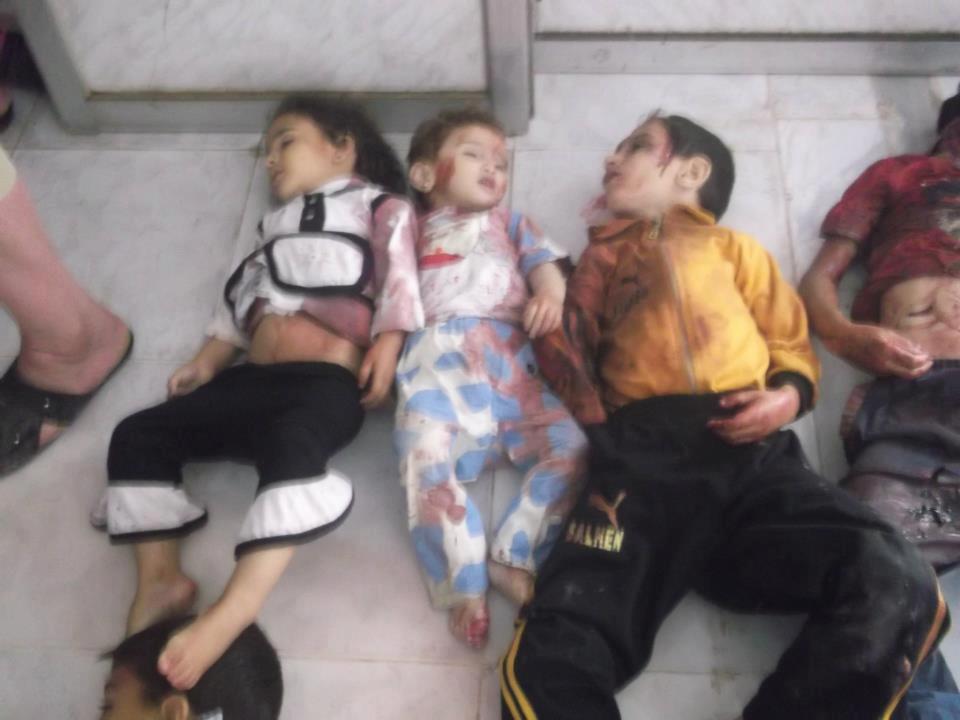
Thousands have been murdered by a tyrant Syrian regime, since their protests began, and the international community (led by the United States) has done very little to help alleviate the suffering of those people.
And not very recently, in the calm country of Norway, a Christian fundamentalist let loose on teenagers whose only fault was, yet again, being in the wrong place at the wrong time. The American reactions to that are summed up in this video.
Yes, it has been ten years since 9/11. But that is precisely why it’s time to get over it. 3000 people that died do not compare to the thousands dying everyday because of 9/11 ramifications. 300 million Americans are not better people than the other 5.7 billion that make up the rest of the world. After all, isn’t equality one of the fundamental and founding principles upon which the American system is built?
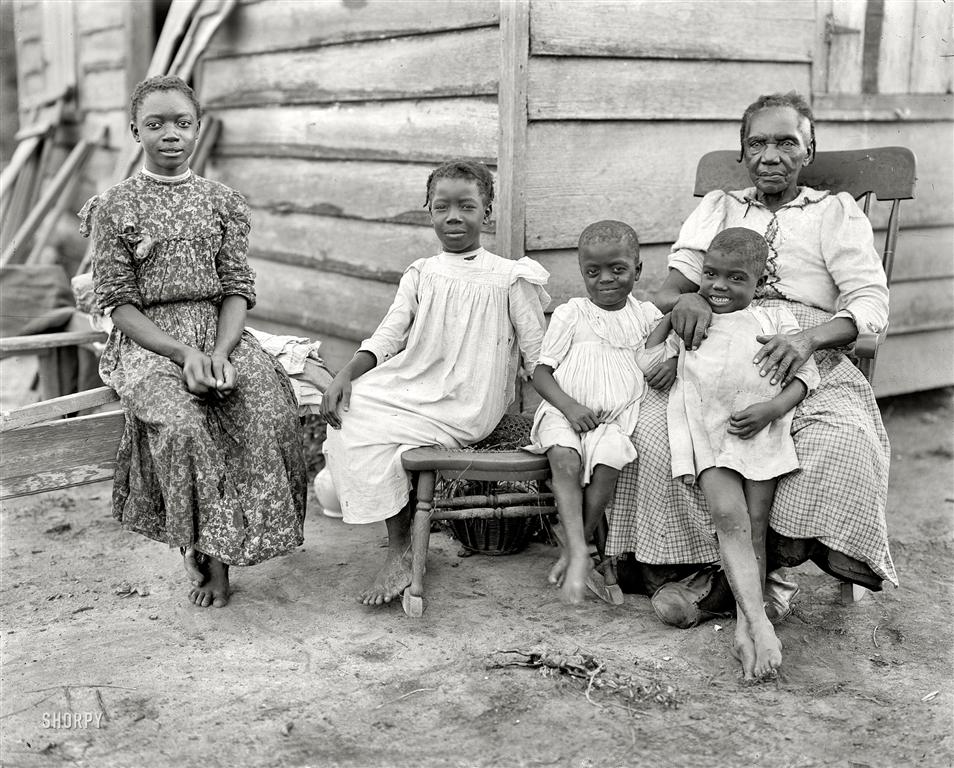
There are way worse things taking place everyday all around the world. Their only fault? They’re happening at the wrong place.











 A Separate State of Mind | A Blog by Elie Fares