Spring in Lebanon: Batroun City

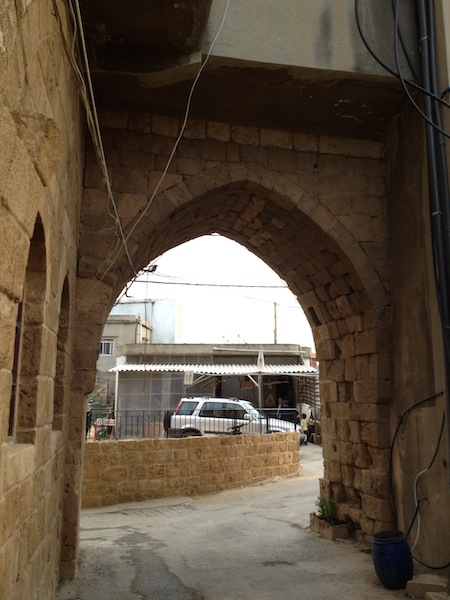
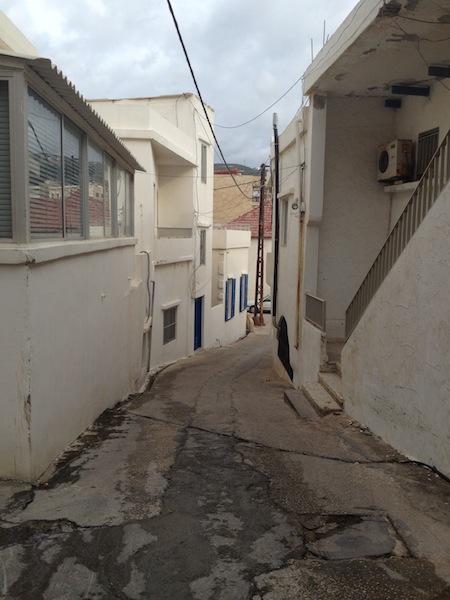
Batroun is probably my favorite city in Lebanon. Sure, I’m biased. But I cannot get over the charm that this little place has. Every time I go for a walk around its old streets, I cannot but be fascinated by how breathtaking they are and how long they’ve been there.

The churches, the houses, the streets, the beaches… all of these combine to make Batroun one of my favorite places in Lebanon.

Then again, the moment I set foot in this city, I remember my school, my best friends, my first crush. I remember how we used to go to Royal Pizza after every exam and have the most awesome food a person can have. I remember going to a beach named Blue-Bay at the time with friends. I remember running around the city on our various scholastic excursions. I remember going with my mom every single Saturday to run errands around its souks. I remember hating to wake up every morning to go to Batroun and I also remember how much I missed that when it didn’t happen anymore. I remember going clubbing for the first time in Batroun. I remember going to my first pub in Batroun.

I remember going for the first time to see Batroun’s Phoenician wall. I remember always wondering why this gorgeous city never got what it deserves.

I remember the great, great people I’ve met inside the walls and under the atmosphere of this city. They are the friends who lasted through it all.

This post is my tribute to all the Batrounis who read this blog, who don’t read this blog and whom I love. Thank you for making our city one of the best places ever and thank you for the time of my life that I’ve spent there.

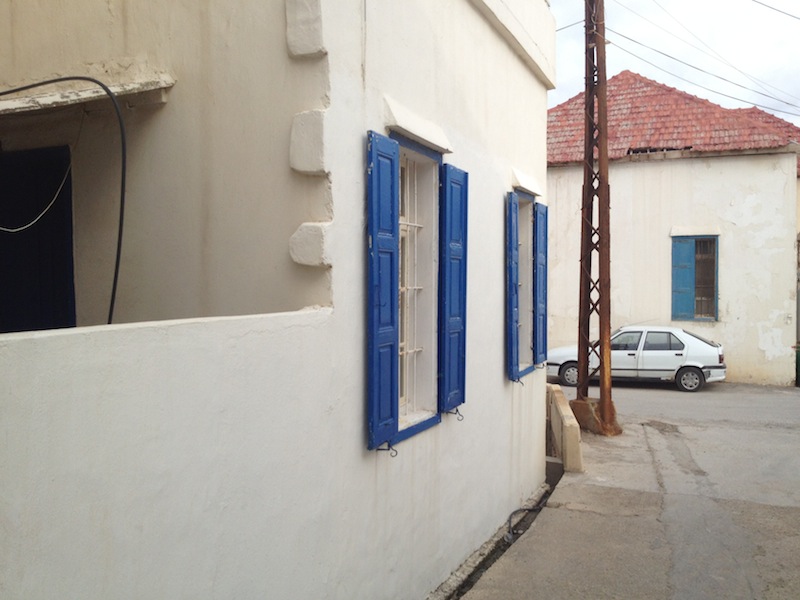
This is where we started our walk

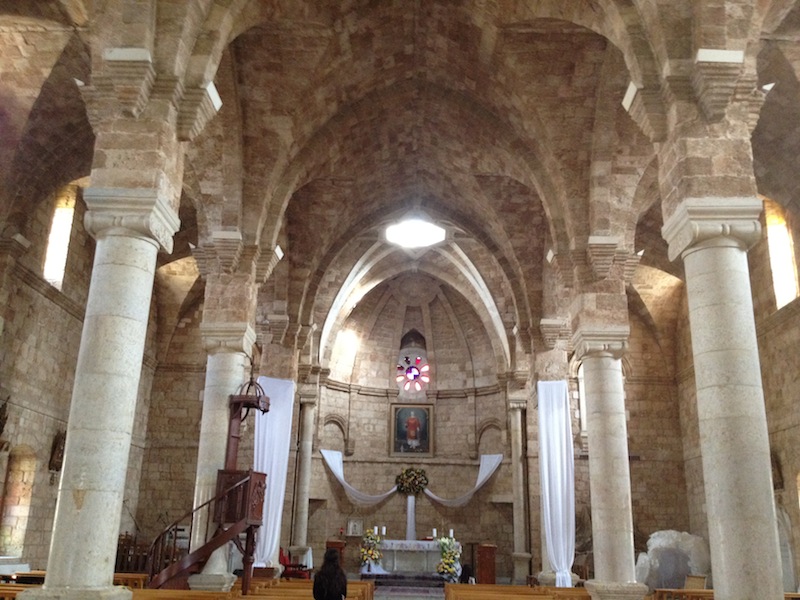
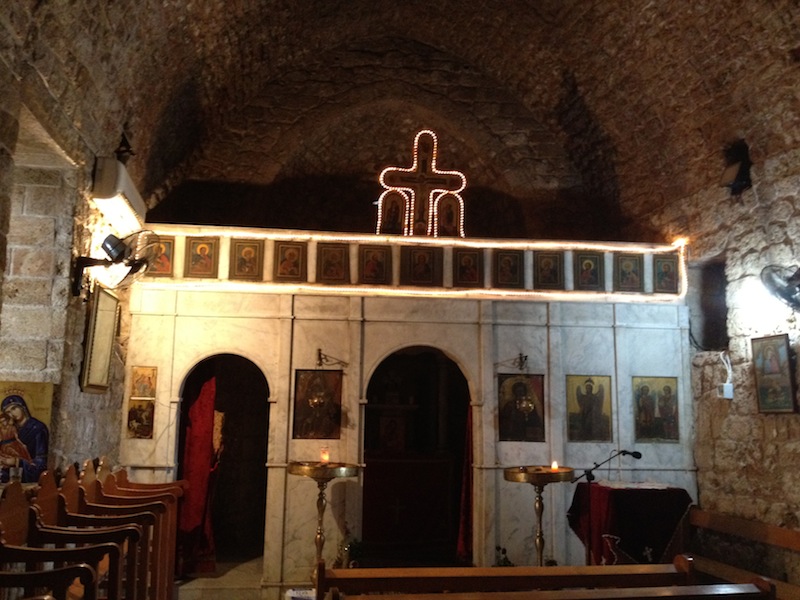
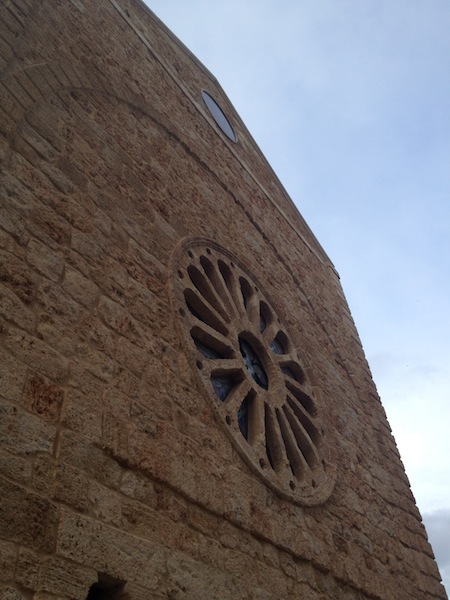
St. Stephan Church

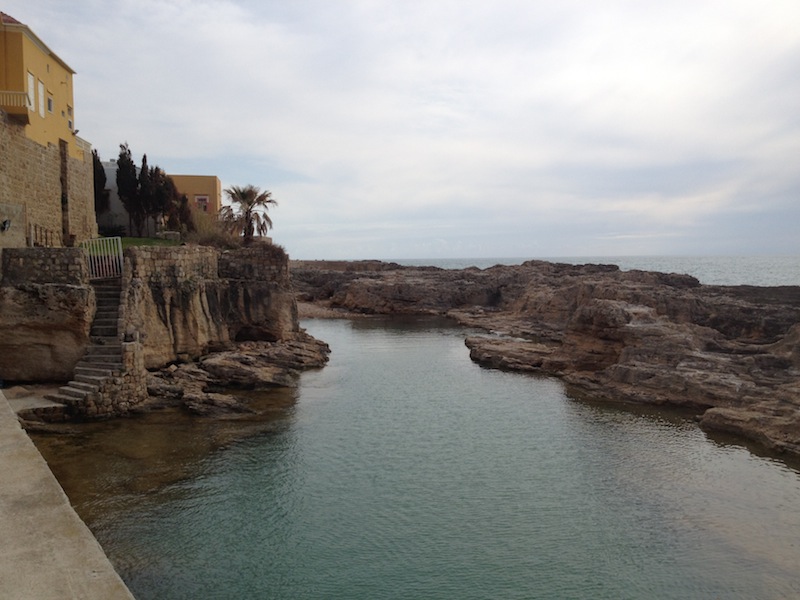
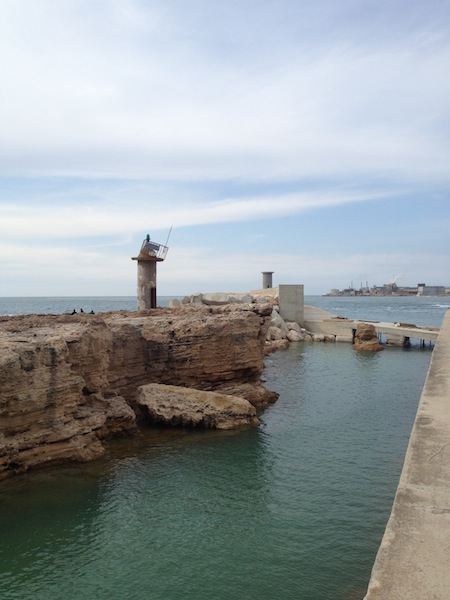
Batroun's mina

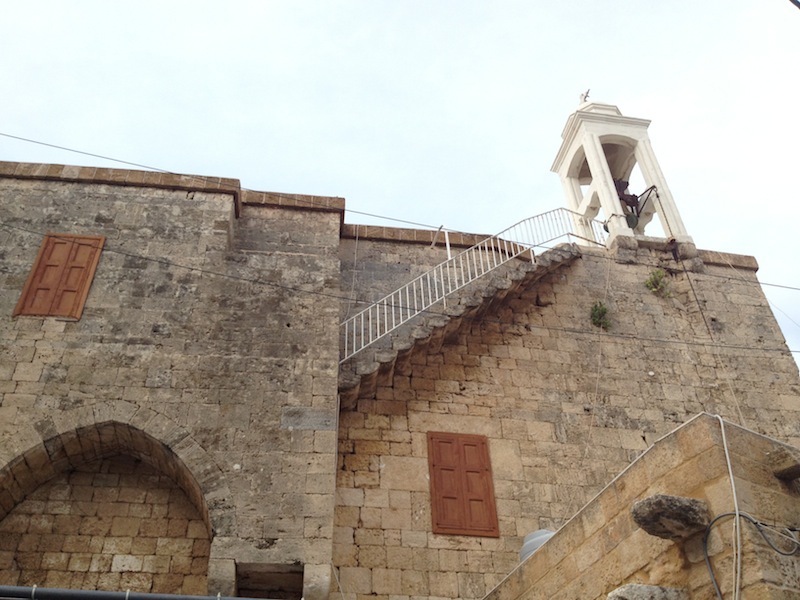
St. Georges Church

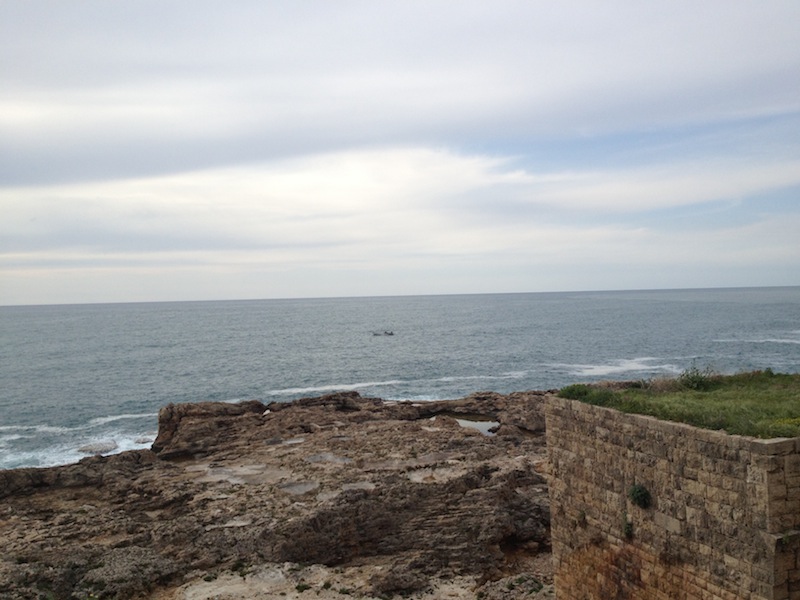
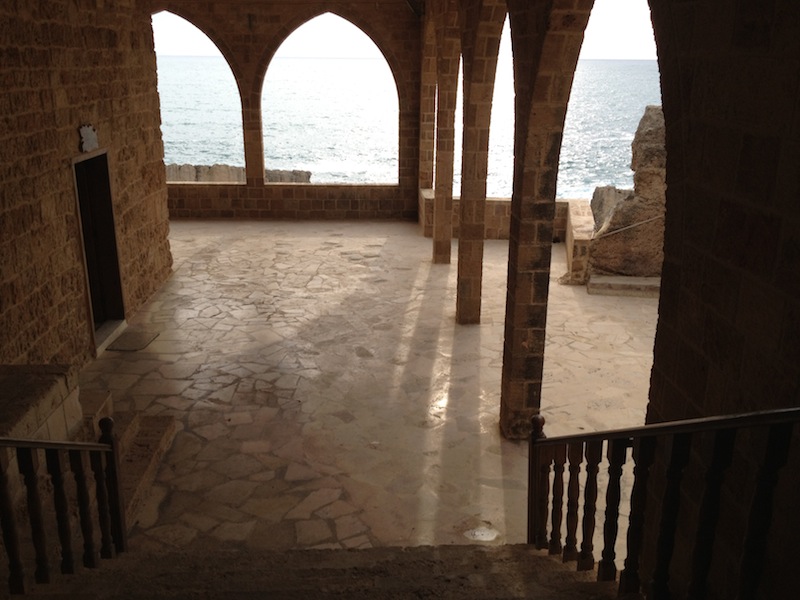
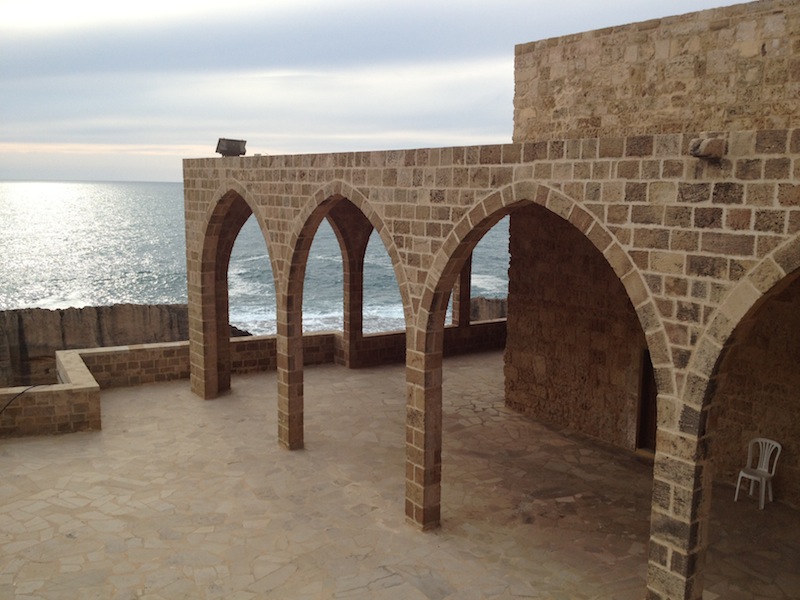
Saydet el Ba7er Church

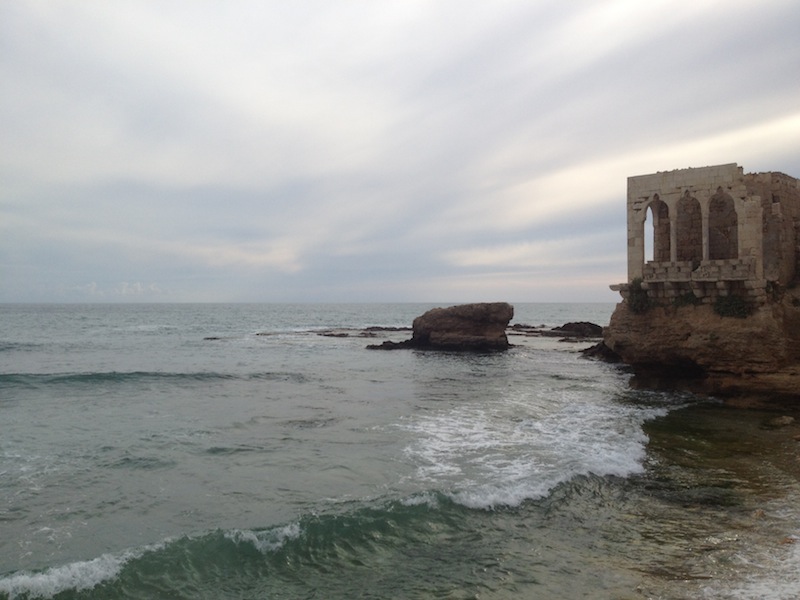
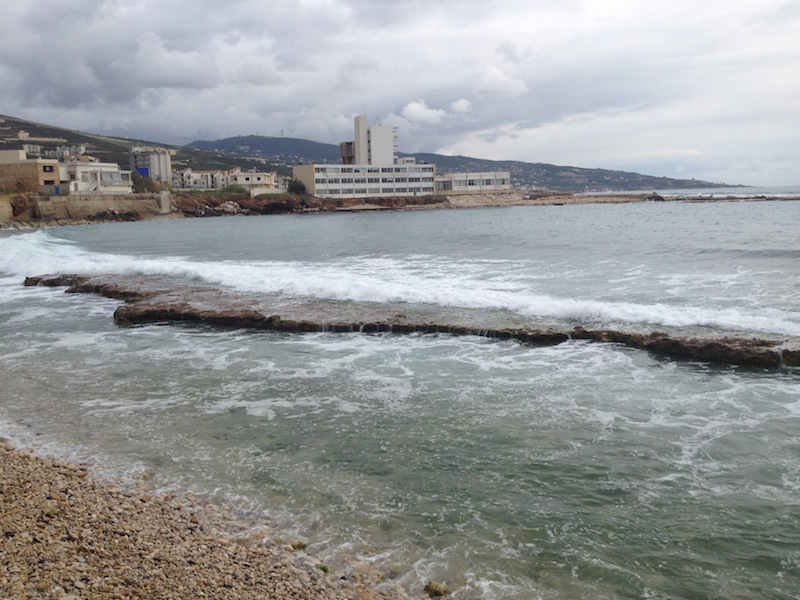
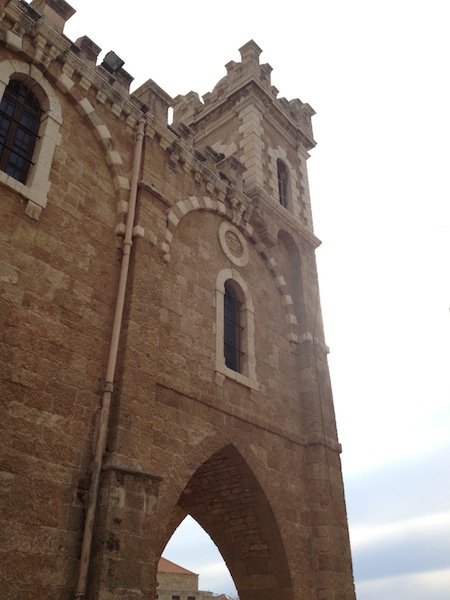
The Phoenician Wall

This is where Ramy Ayash shot "El Nays el Ray2a" video clip

Ma23ad el Mir

Ba7sa beach

Pictures brought to you by @SemAgnes and @ElieFares

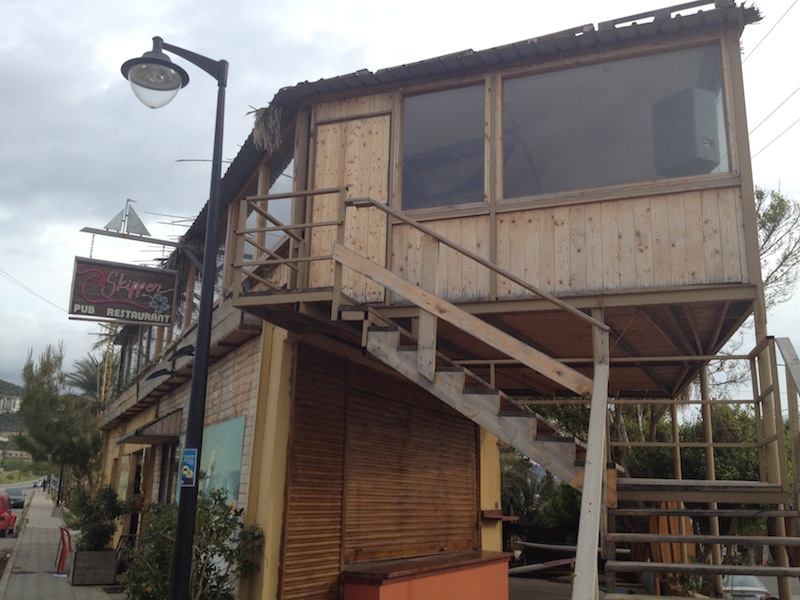
Skipper, Batroun's coolest pub

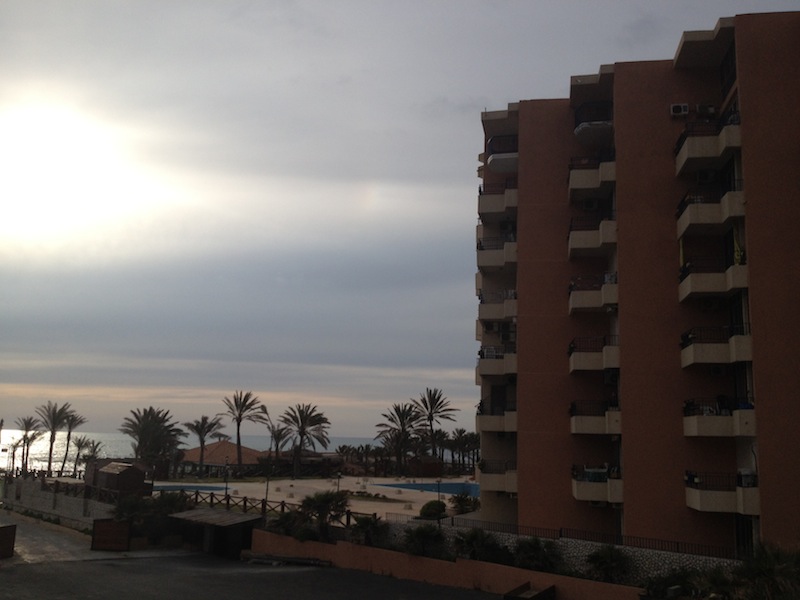
Sawary Resort - this is where we have a chalet

Formerly Blue-Bay, now Zoo beach.

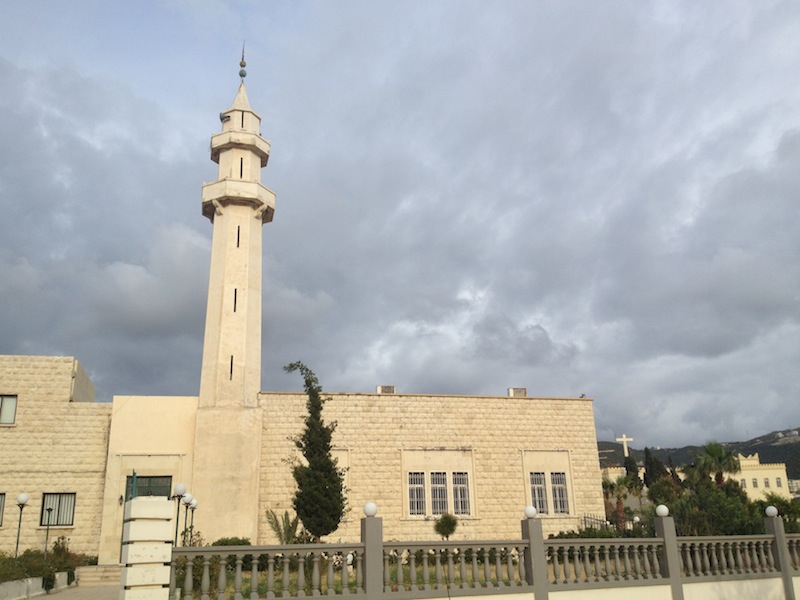
Batroun's Mosque. You can see the Cross of the Sainte Famille school in the background.

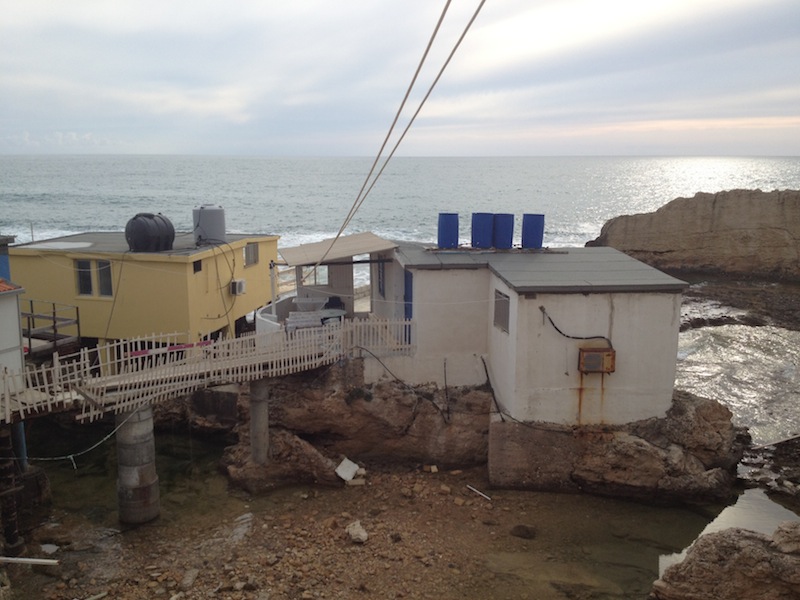
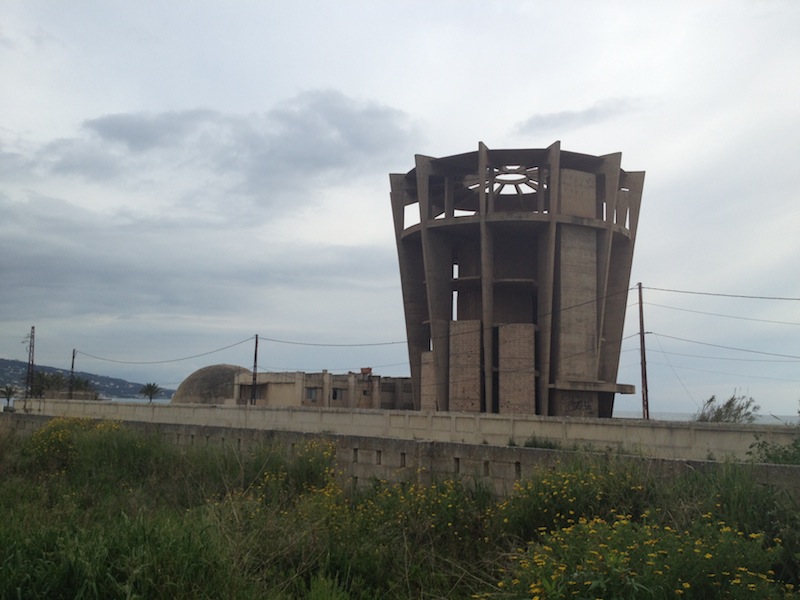
A marine research facility that never finished getting constructed (and probably never will)

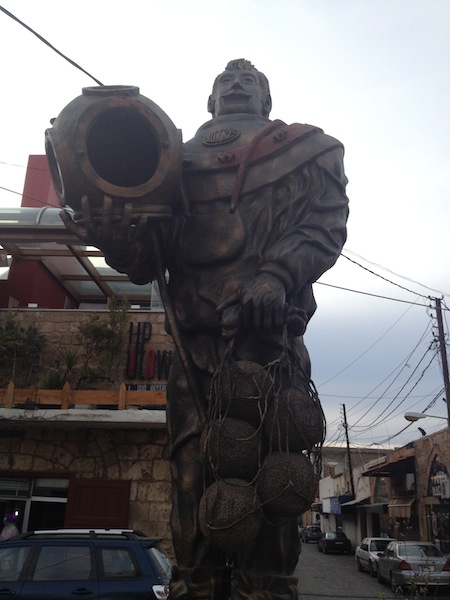
Batroun is famous for being a sailors' city

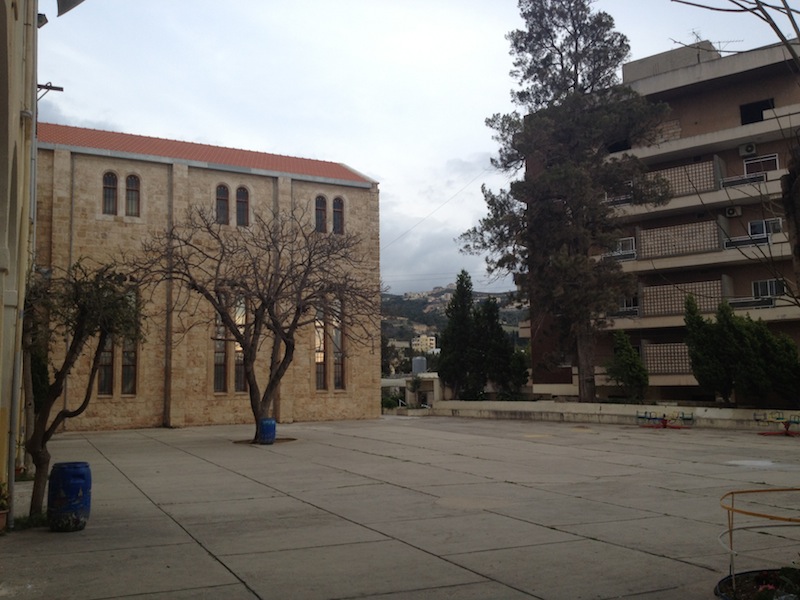
My school!

The playground for the young ones

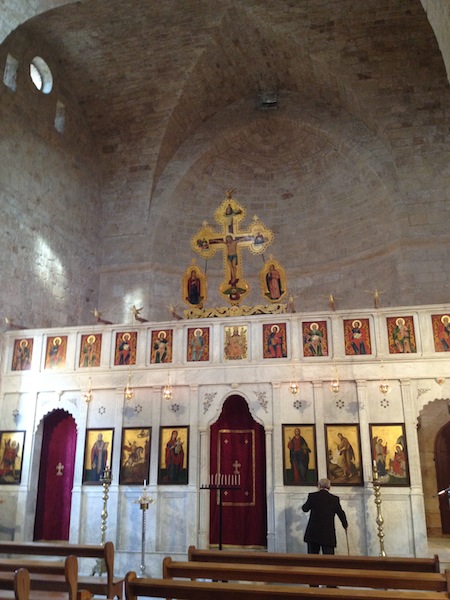
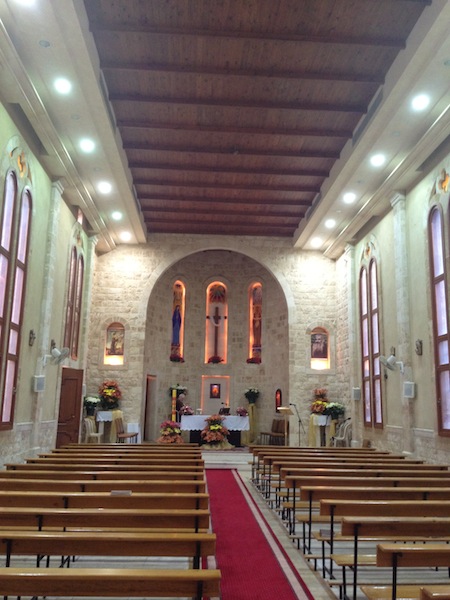
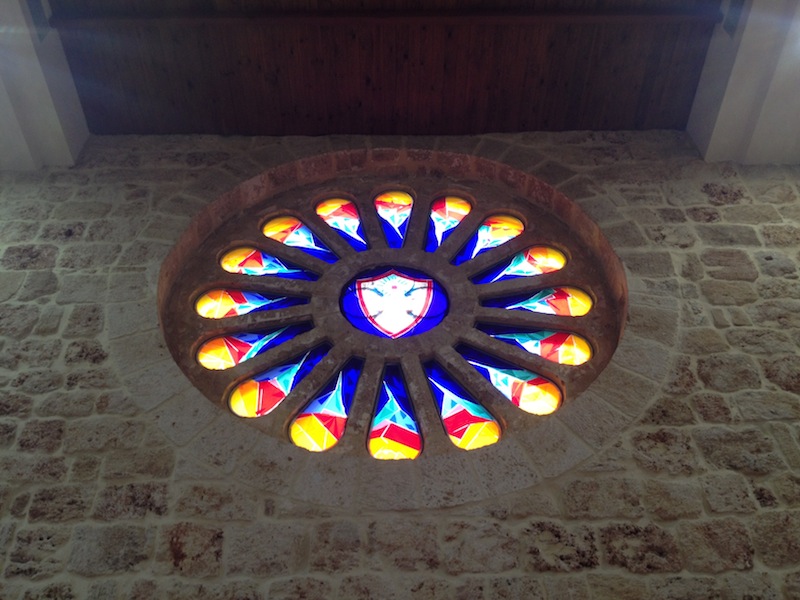
My school's church - it closed for renovation in 2006. This was the first time in 6 years that I visited.

New ceiling, new windows, new walls and even a new priest - Pere Charles is back....

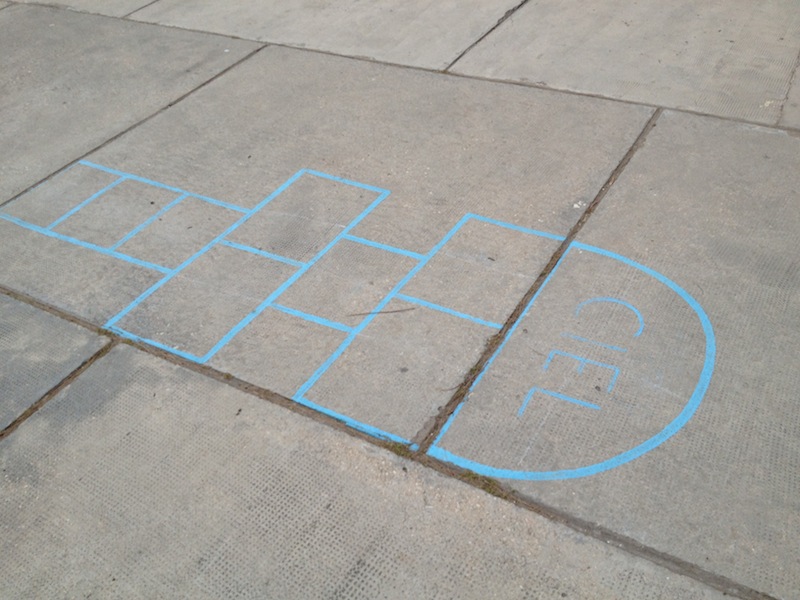
Remember playing this?

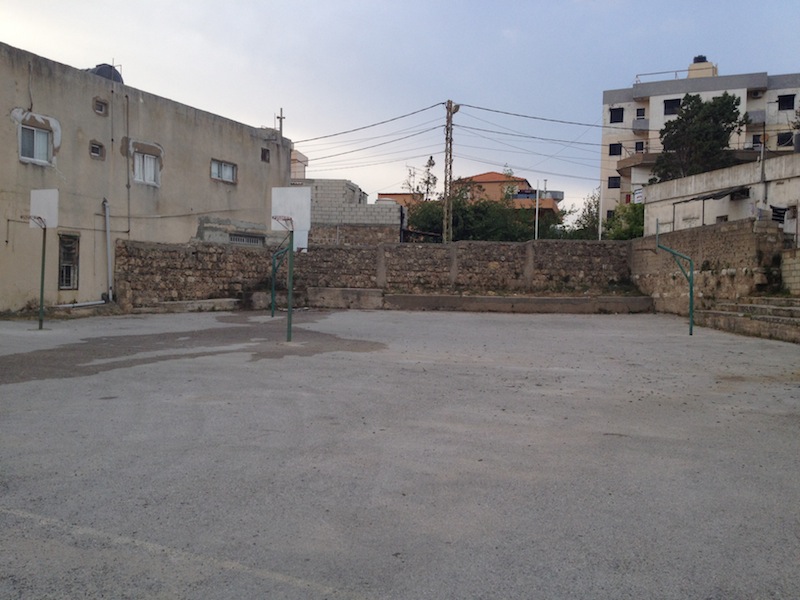
Where we used to hang out during breaks

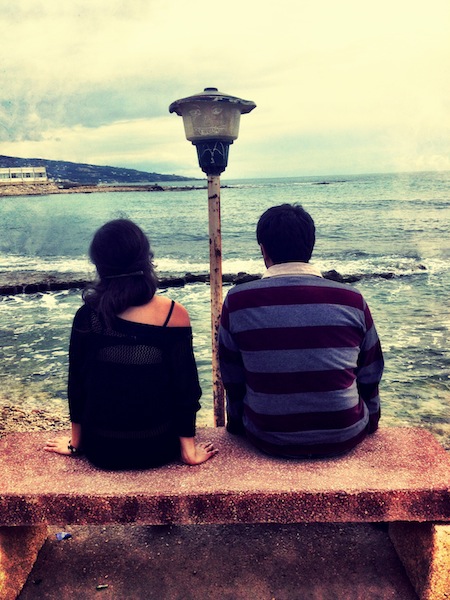
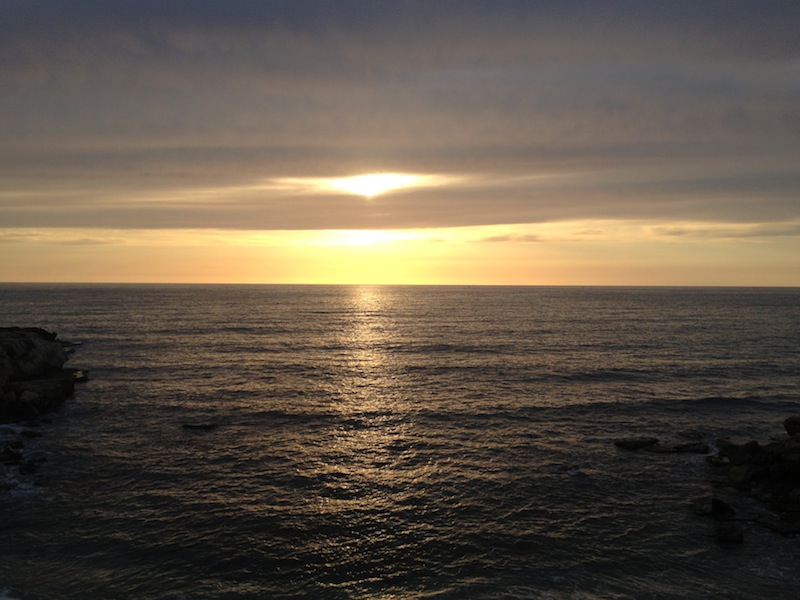
And what better way to end it than with Batroun’s very own sunset….

Lebanese Transsexuals Exposed – A BeirutNightLife Article

This post is not to discuss the scientific content of the article at hand. This post is to discuss some technical parts of it – not even the scientific ones.

To say this needed a few revisions before going online is an understatement. Let me quote a sentence present in the first paragraph:

Ok, lets keep the wikipedia definition aside, the lady eye balling you all night IS A DUDE!!! A full fledged functional dude, just like you most probably with a package bigger than yours!!

Yes, this is a direct quote. Can I comment? I don’t find anything to say. But OMG, A DUDE?! With a bigger package?! OMG!

I’m not a grammar & spelling expert. But there are some things that are downright inacceptable, especially in a respectable publication like Beirutnightlife.

For instance, towards the end of the article, a man’s genitals are referred to as Gentiles. I didn’t know a Lebanese man’s penis is now a non-Jewish entity as well. Way to go, us?


The article also throws around scientific and anatomical information very loosely without going into their significance. Does a casual reader know what the basal ganglia is and how it could have a role in transsexualism? What purpose is served by throwing around the structure stria terminalis without explaining its scientific function?

I am a medical student currently studying these regions and I can barely grasp them.

This article offers nothing new and is very, very poorly written. Does BeirutNightLife really need shock factor to generate discussion? I really hope not.

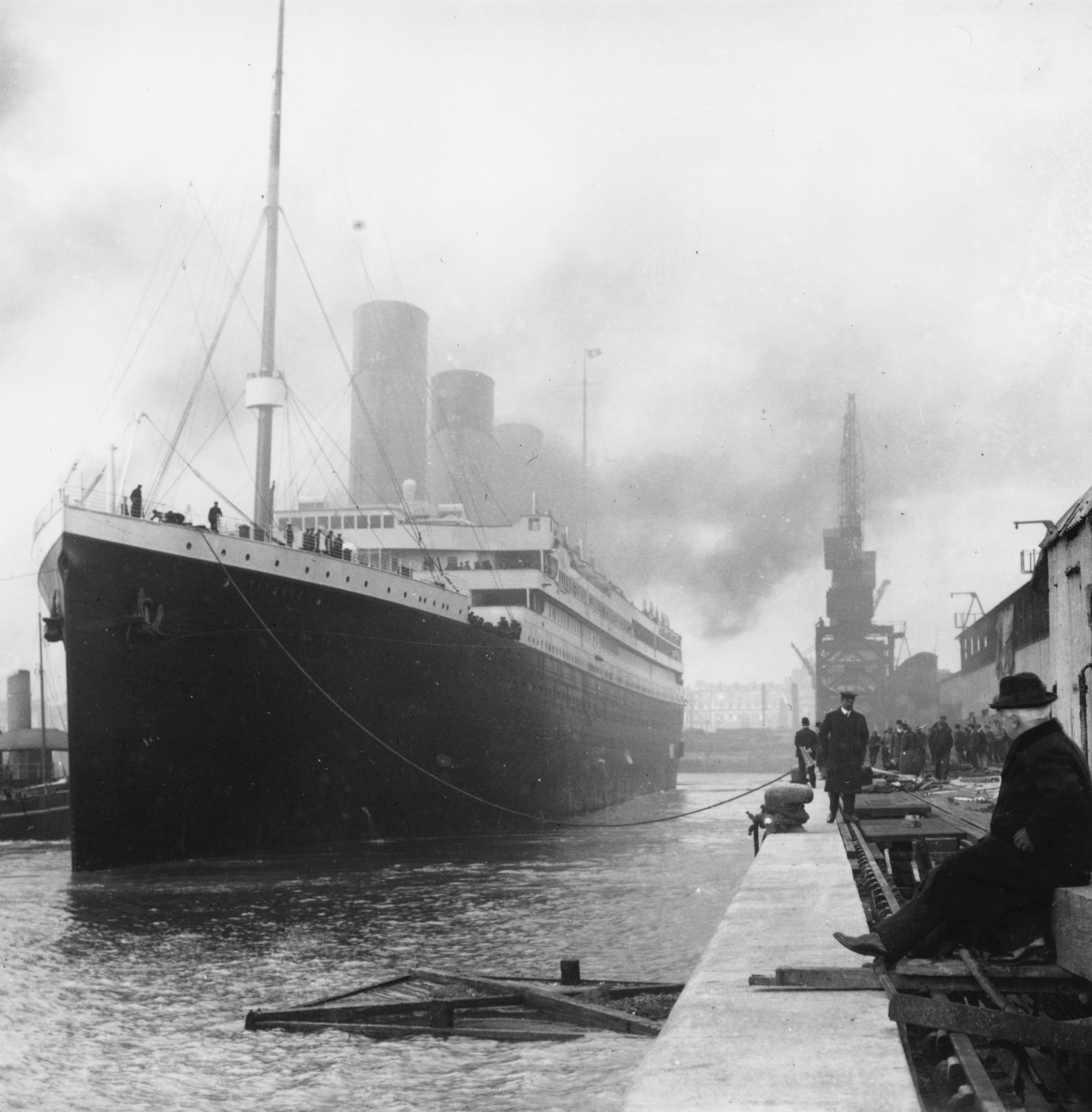
The RMS Titanic and Lebanon

As many of us were going to sleep yesterday, the idea that 100 years ago, 2000 people were going through an ordeal stranded in the middle of an ocean escapes us. 100 years is surely a long time – but for many, the whole tragedy of the Titanic has become a laughable matter.

How so? It was turned by Hollywood into a movie, which later on became a common area of jokes. For many, the word Titanic nowadays is followed by the word “meh.” We fail to remember that for many, especially Lebanese, we’ve had great-grandfathers, great-uncles, aunts & family on that ship, many of whom died, either by drowning or by getting shot.

I grew up listening to the story of Daher Chedid, a man who was trying to escape the Ottomans in Lebanon only to find death at the hands of the Atlantic ice. I couldn’t escape the haunting stories of the people from Hardin, how they prayed and danced Dabke until their very last moments. The people of Kfarmishki lost 13 people on the Titanic – how could we call that funny?

A man from Zahle saved his wife and swam away, losing hope with every second of being saved. He wasn’t. Two men from Zgharta got shot for wanting to survive – they left families behind.

How could we ignore all of those stories and act as if the Titanic is one big popular event that happened, got turned into a cliche and shouldn’t be talked about?

Lebanon lost many people on the night of April 14th-15th, 1912. The least we can do is to honor their memories by telling their stories, at least on the centennial anniversary of their passing.

For many, their interest will only be transient, as is our interest in many things. And when it comes to the Titanic, although worse tragedies have happened over the years, we – as Lebanese – should feel involved because we have lost many people there. Some say as much as 93 – in a country as small as ours, at a time where the population was very little, 93 is a tragedy.

They say people truly die when they’re no longer in anyone’s memory. This is my attempt, at least briefly, to get the Lebanese of the Titanic back into people’s memory so they’d be alive on the 100th anniversary of the ship sinking.

There are many more Lebanese whose stories I couldn’t tell. Perhaps I’ll tell them later on. But for those stories that I told, I hope they made an impact – even if it’s in a small number of people.

Many asked me if those stories were correct or made up. Many asked for my sources. Many accused me of stealing them from Al Arabiya. To those I say: these stories are not exclusive to any news service. They are not written by anyone as a novel, they were not first reported by Al Arabiya and they won’t stop with a report from MTV. These stories were written with the lives of the Lebanese passengers that went on that ship, seeking a better life for themselves and their families, away from the oppression in the country.

My sources were from books I had bought back in 1998 about the tragedy, newspaper articles that I had saved over the years, as well as stories that I was personally told when I was young.

Today, most countries are holding events to remember their deaths aboard that ship. Lebanon, who lost more people than most of those countries, is not.

May the victims of the Titanic generally and the Lebanese especially rest in peace.

Stories of Lebanese on the Titanic – Part 5: The People of Zgharta & Choueir

For part 1, click here. For part 2, click here. For part 3, click here. For part 4, click here.

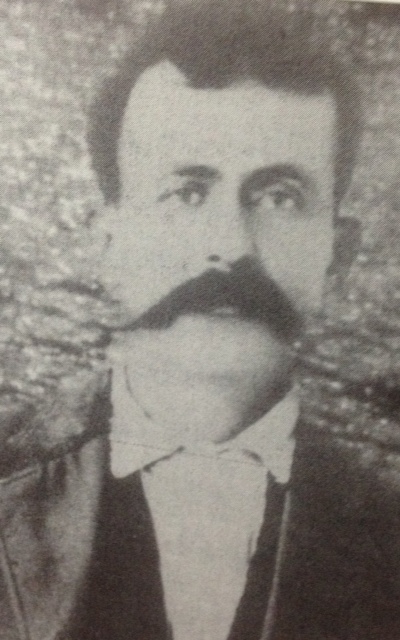
Sarkis Moawwad was a 35 year old man from Zgharta, preparing his papers to travel to the United States. While on an excursion to Tripoli, a palm reader told Sarkis he’d die drowning. Believing the superstition, Moawwad almost stopped his travel plans, which involved a ship. His friends, however, convinced him otherwise by reminding him that the ship he was boarding, the RMS Titanic, was supposedly unsinkable. God himself cannot sink this ship, they said.

Aboard the Titanic, and on the night of April 14th when it hit the iceberg, Moawwad raced to the ship’s deck and was faced with a dilemma. One part of him told him that women and children ought to go on the boats first. The other part of him begged him to get on a boat – every shred of him was begging to fight for survival. Moawwad succumb to the latter part and got on one of the rescue boats.

The captain of the Titanic looked at him. Within a few seconds, the captain had held his gun and shot Moawwad, killing him instantly. The palm reader was not right. Sarkis Moawwad didn’t drown. He was shot, leaving behind a family of four.
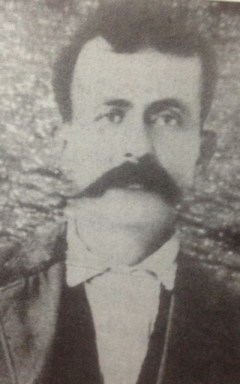
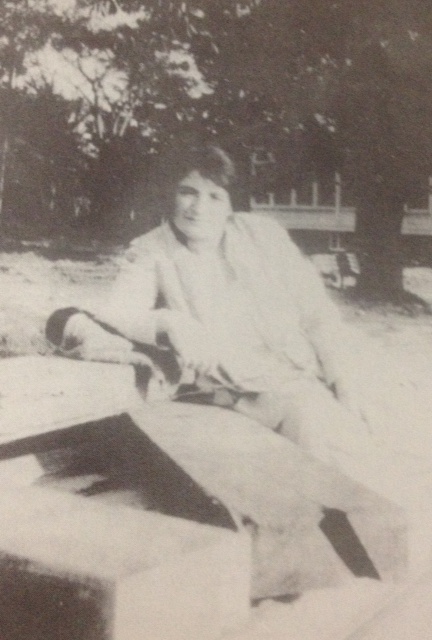
Sarkis Moawwad

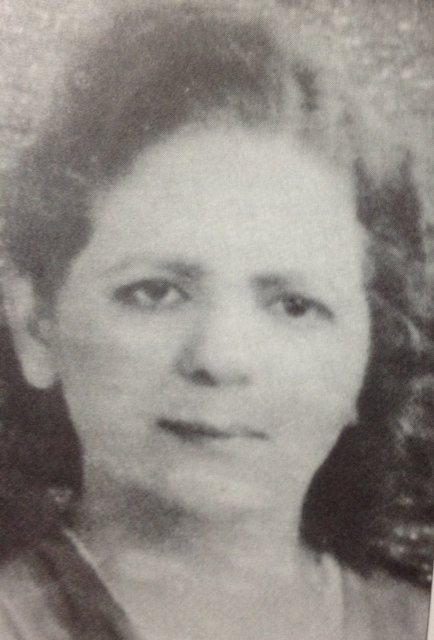
Another man from Zgharta was Tannous Keaawi, a 21 year old married man. Tannous was a fighter. When in 1912, some Ottomans raded his friend’s farm and took over his cattle, it was up to Tannous to get them back. So he took a riffle and, with his blood boiling, raced to where the Ottomans lived and waited for them until the got home. Once they did, he held the riffle to their heads and asked them to give back the cattle. They refused. So he shot them one by one.

After his actions, Tannous couldn’t stay in Lebanon so his friend gave him enough money to secure a trip to New York for him and his family. On their way to the Titanic, his family got held up in Marseille because his daughter had chickenpox. His wife decided to stay behind with their children while he continued.

Once on the Titanic, Tannous also tried to get on a rescue boat, along with Sarkis Moawwad. And he met the same fate as Sarkis, at the hands of the same gun by the same man.

Of the three men from Zgharta that were on board the Titanic, only one survived. His name was Hanna Makhlouf. Hanna also tried to get on a rescue boat with his two other friends. The difference was that he was lucky enough to have found a large enough skirt for him to hide. And hide he did and watched both his friends get shot before the boat was lowered into the water and taken away to sea. He later on went to Waterbury, CT where he settled down.
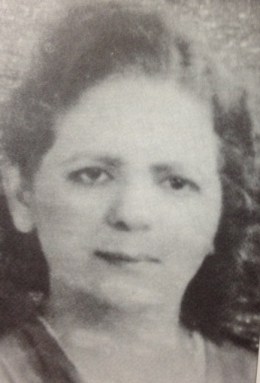
Mona, the wife of Tannous Keaawi

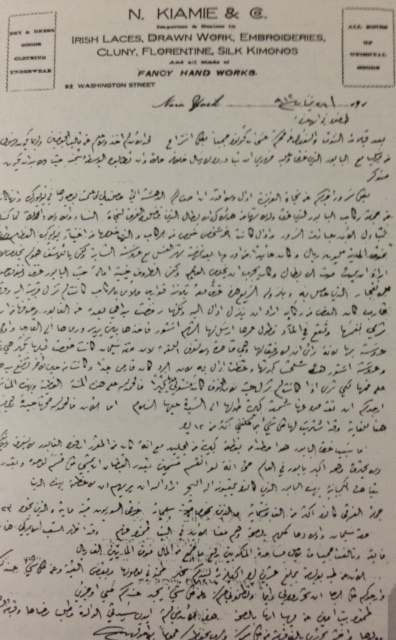
In another side of Lebanon, in the Metn town of Dhour el Choueir, Adele Kiame was summoned by her father to join him in New York where he had started a silk-work company. In a letter that her father, Najib, sent to Lebanon to ask to send his daughter to America, he asked her to bring with her some Turkish carpets which are much better in Lebanon. He also asked her to get him some fancy tobacco seeing as the kind he was smoking in New York was nowhere near as good.

Adele left her hometown with a woman named Latife Beaaklini who also took her daughters with her, to follow her husband who had opened a pharmacy in the United States.
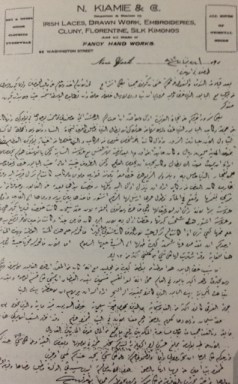
One of the letters that Najib Kiame sent

Once news of the Titanic sinking reached them, Adele, Latife and her daughters went to deck and got on a rescue boat. However, Adele decided to go back to try to rescue whatever she could of her belongings, including some amount of money she had hidden in socks. She didn’t stop with at the socks. She tried to get some dresses and other belongings with her. The crew refused and threw them all away.

Adele

Meanwhile, Latife took her daughters and put them in waterproof bags that she dangled off the sides of the rescue boats. A man gave way for Latife to get on the boat and he helped her tie her daughters to the side. He then went back to the ship where he drowned. When Adele returned, the boat was full. So Latife started shouting, as the boat was being lowered, for them to stop and let Adele on. She was screaming in Arabic. The crew couldn’t understand and there was nothing they could do – the boat was already full.

Adele, stood stranded on deck: a 16 year old minor who didn’t know the language.

She caught the eye of the person you’d least expect: John Jacob Astor, the ship’s wealthiest man. So he carried Adele and gave her to his bride whom he had secured on one of the recue boats. Astor’s wife then took off her coat and gave it to Adele who was afraid and shivering.

Once they reached New York, Adele’s father hosted the survivors. Latife’s youngest daughter, Eugenia, contracted pneumonia due to the cold that night and died soon after. Latife then gave birth to a boy named David, on January 28th, 1913. She raised her family and died year 1962.
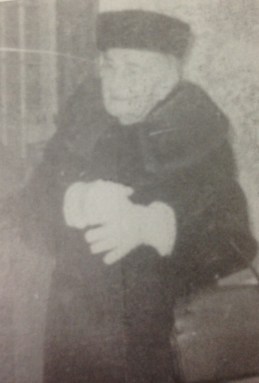
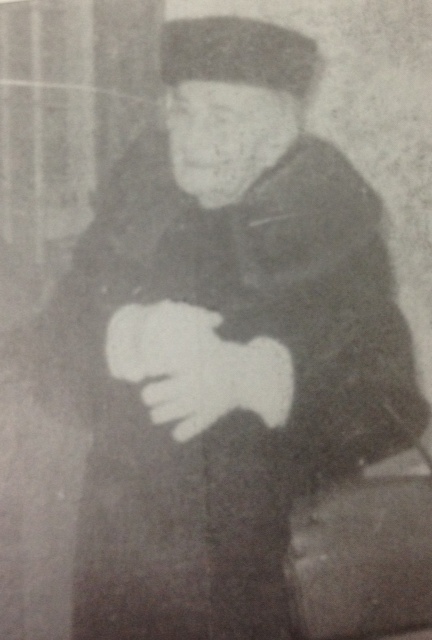
Latife, in the 1940s

Adele, on the other hand, got married in Brooklyn and had two children: Mitchel and Layla. She then fell ill and died, at the age of 26. The year was 1924.

The story of the people from Dhour el Choueir is not this simple. Doubts arose over the years about whether Adele went back to her cabin because she was stingy, as people had said, or because Latife had asked her to. Moreover, some doubt that it was really John Jacob Astor who saved her.

Either way, we can never be sure of some things when it comes to stories that are over a hundred years old. Both women went on to live for years and have families.

Jesuite Garden – Achrafieh, Beirut

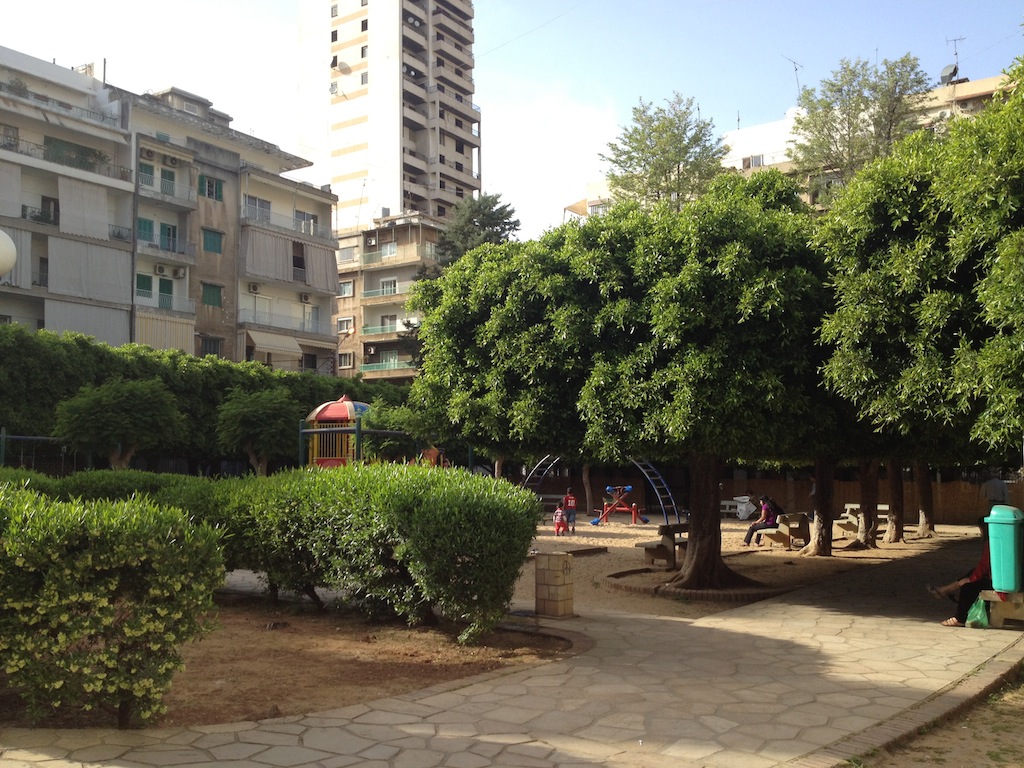
Over the years, this garden located in Geitawi, Achrafieh, became a shortcut for me not to go around the block in order to reach my house. When I was younger, my grandparents used to take me to play there with my brothers and friends.

As I grew up, I outgrew it I guess.

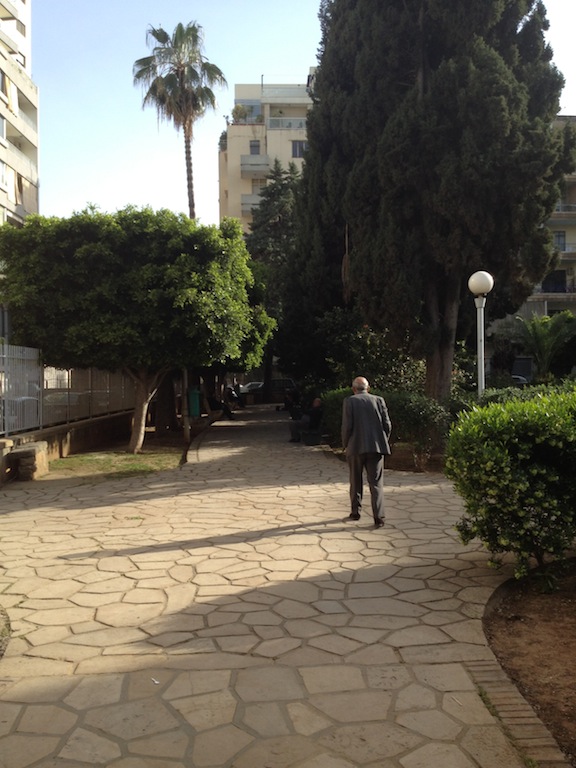
Now, with my time in Achrafieh becoming less and less abundant, I look at the Jesuite garden and can’t help but smile. The place today is full of old men and women, going about the rest of their days, succumbing to the reality that they’re not what they used to be.

The maids now bring the kids to play. When I used to be a kid who came to this garden, parents were the chaperons of their kids. Times have changed.

There’s also a new public library. The garden now has wifi as well. Times have changed. Yes they have.

But once I pass next to the Jesuite garden, when I eventually find a place to park in Achrafieh, I can’t help but smile as I remember how it used to be to hold my grandfather’s hand and walk into its doors, my heart racing in order to run to that swing.

My memories of the garden today are different. They are ones of gratitude, filled with happiness that I really had a great childhood, some of which was spent in its midst – even though it was the place where I broke my arm during the Easter vacation of 1996.

As I pass the Jesuite garden, I see familiar old faces. And then some time later, I don’t see them anymore and I know that their time must have come. Other faces replace them. Those faces become familiar and the cycle repeats itself.

This is the heart of Beirut – the one we should never forget.

This is where I broke my arm

The public library