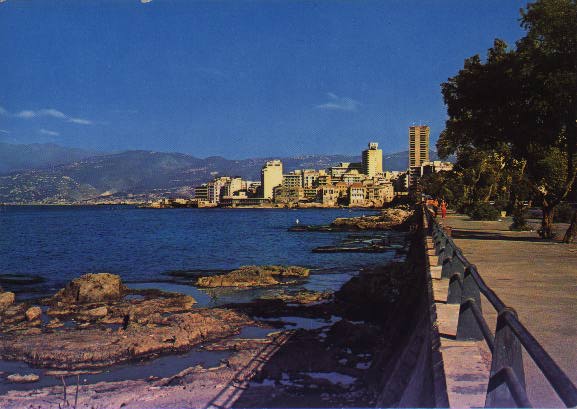
Let’s Be Dogs in Vienna

When my brother returned to Lebanon after a near 10 months stay in the United States, we went out to a restaurant in Batroun. After picking whatever food he felt like eating, I asked him what he wanted to drink. He said: a glass of water.

I replied: You’re not in Portland anymore. A glass of water isn’t an option here. You have to pay for a bottle.

In fact, the price of a water bottle in most Lebanese restaurants is outrageous. When I can buy the same bottle for about 300LL at any hypermarket and they’re selling it for about 3000LL as an average price, imagine the steep profit they’re making off of you absolutely needing that vital fluid.

It doesn’t stop at water though. Even beverages are so steeply overpriced you can’t but wonder if they’re aiming at making a profit solely off selling them. 5000LL for a soft drink can that can be bought anywhere else for 500LL.

A friend of mine recently came back from Vienna and she told me something that contrasts drastically with the water situation in Lebanese restaurants. As she sat in a restaurant that was all non-smoking, the lights outside turned off after a certain hour – not dimmed but totally turned off. Why’s that? Because the area was residential and people have a right to relax without excessive visual pollution. Hello Gemmayzé and Hamra?

But that’s not the point.

As she sat there having dinner, a man strolled in with his dog. The restaurant didn’t have a no-pets policy. In fact, what the restaurant (and many others on different occasions) did was to bring in a small bowl for the dog, bring out a bottle of mineral water, open it and pour it down for the dog to drink. Free of charge.

Even when it comes to drinking water, we are figuratively raped in Lebanon and that’s without addressing all the other “luxuries” the dog gets without even needing them. So why not be dogs in Wien? It beats being melting bugs in the Beirut July heat.

The Notre Dame de Paris Concert in Lebanon

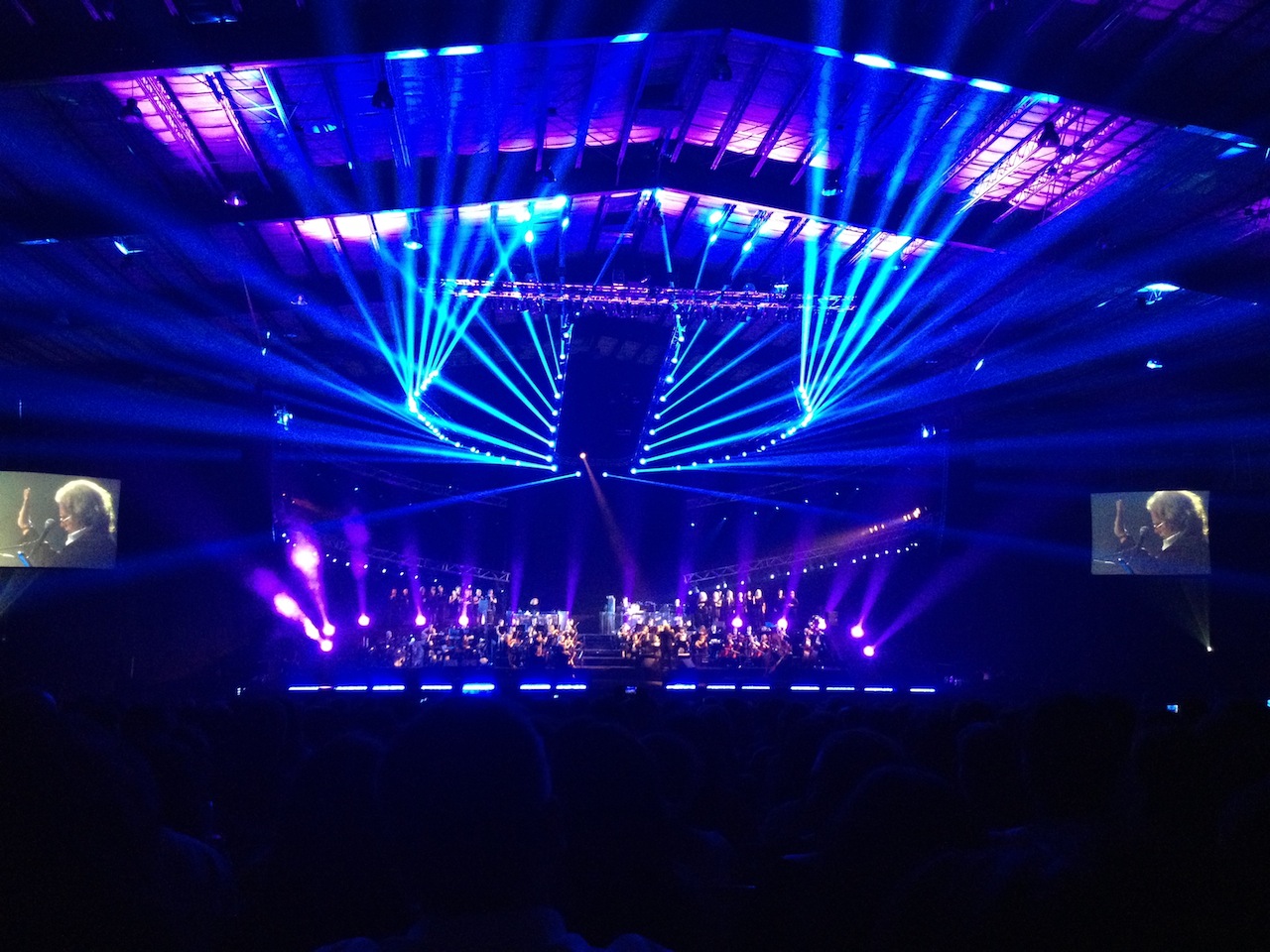
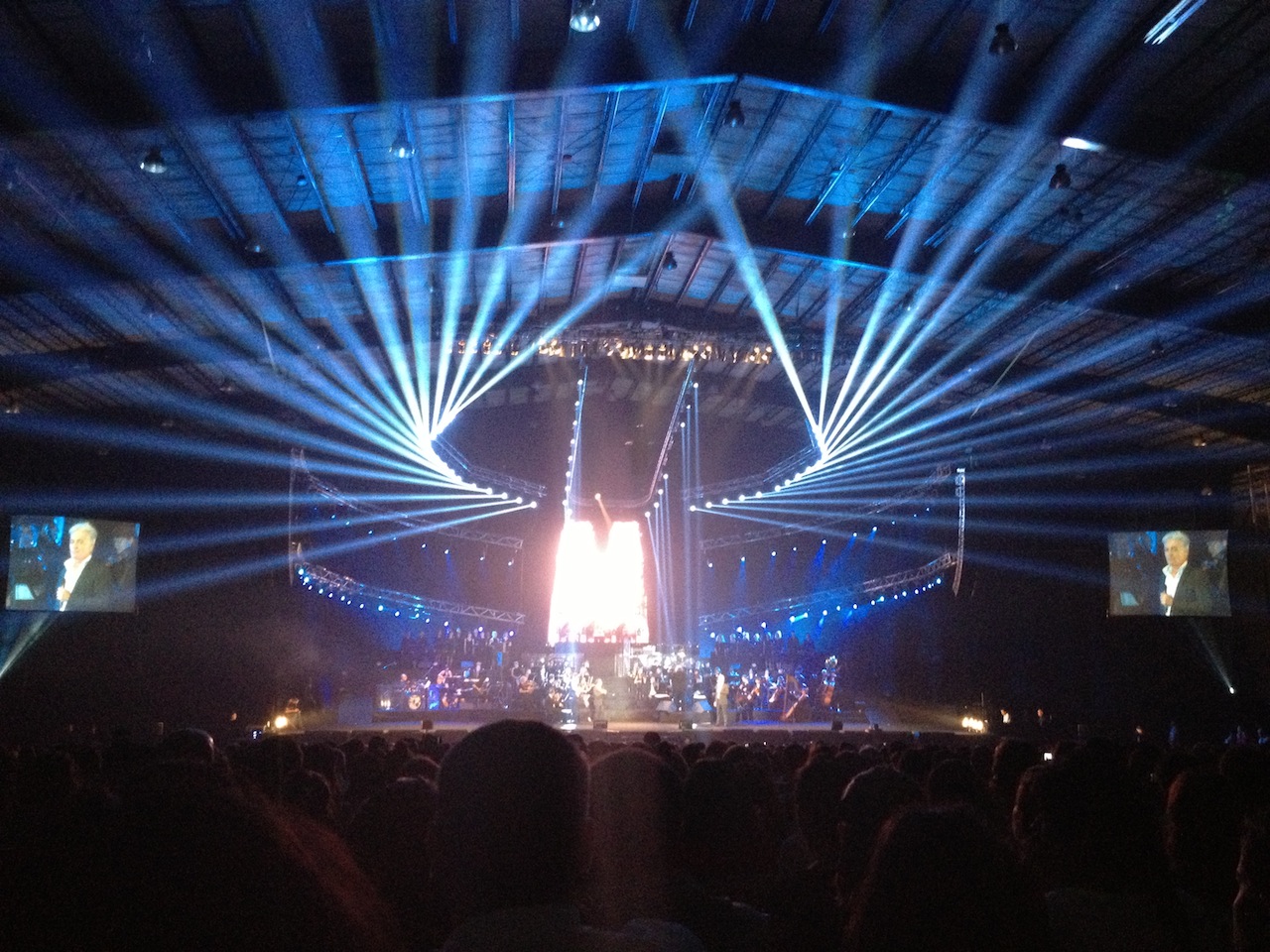
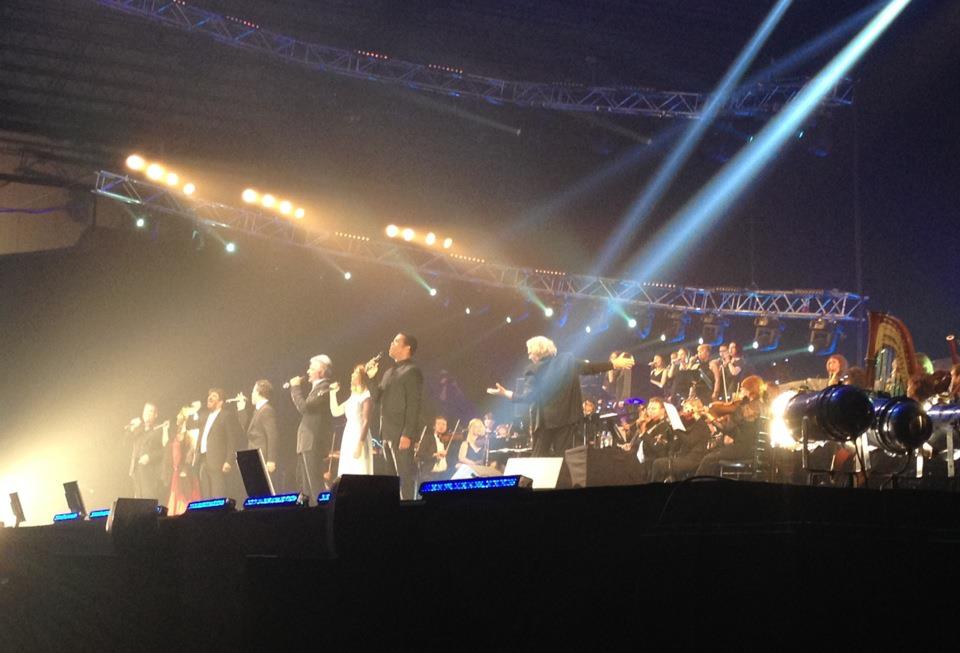
Tickets ready, car parked, we went ahead to Biel last night for the Lebanon stop of the Notre Dame de Paris concert. The ordeal to get tickets had caused any enthusiasm we had to get sucked out of us. But man how wrong were we not to be beyond excited for this concert.

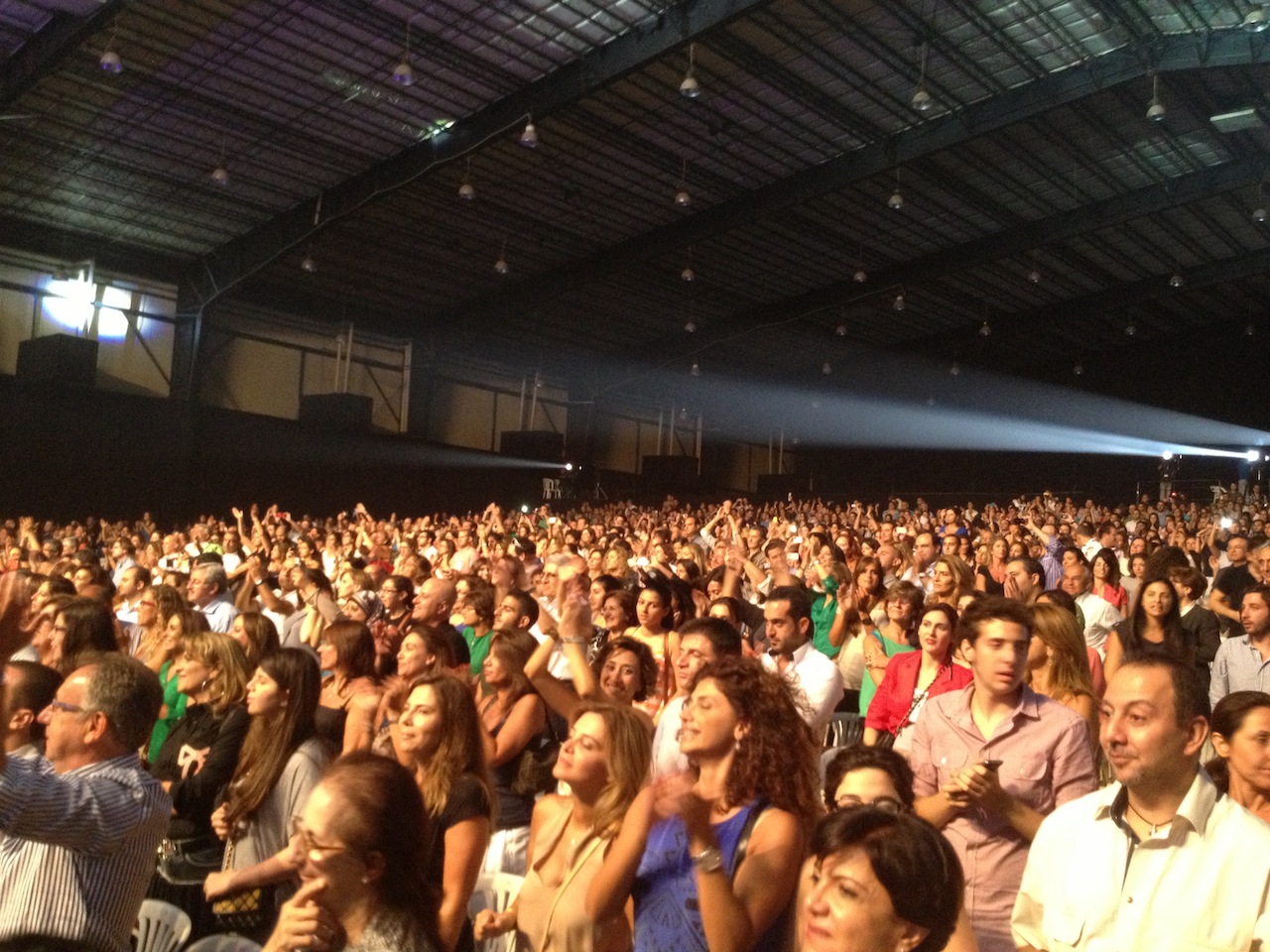
Even though it was said the concert would start at 9:00 pm, it started 40 minutes later. I guess they must have accounted for Lebanese people who can’t be on time even if their life depended on it. At 9:40 some people were still trickling in. The seats were a little crammed. Perhaps it’s the venue but a few seats less per row would have made things much more comfortable, despite it being less financially-pleasing.

I had purchased the $100 tickets and thought I had overpaid. The concert proved to me that I had actually underpaid. The orchestra took its place. The conductor struck with the motion to play and Bruno Pelletier came from the crowds to give a brilliant rendition of “Le Temps des Cathedrales.”

And that was the start of two hour long goosebumps. Garou had a rough start in the first act but he brought it back in the second. Patrick Fiori, Julie Zenatti, Helene Segara, Luck Mervil and Daniel Lavoie all gave flawless performances of every single song they sang. They basically showed how a two hour vocal show can be done without a hitch, bringing some crowds to their feet with every note they hit.

I’m not a regular concert-goer because there are very few artists which are brought to Lebanon that I would pay to watch so saying this is the best concert I’ve ever attended wouldn’t be a fair comparison. However, a friend of mine who has attended way more concerts than me said this is by far the best concert she went to.

It’s not very difficult to see why. Each performer had his group of fans rooting for him. Some had even brought out a huge banner for Julie Zenatti which they put up when she sang “La Monture.” She looked at them and smiled halfway through the song.

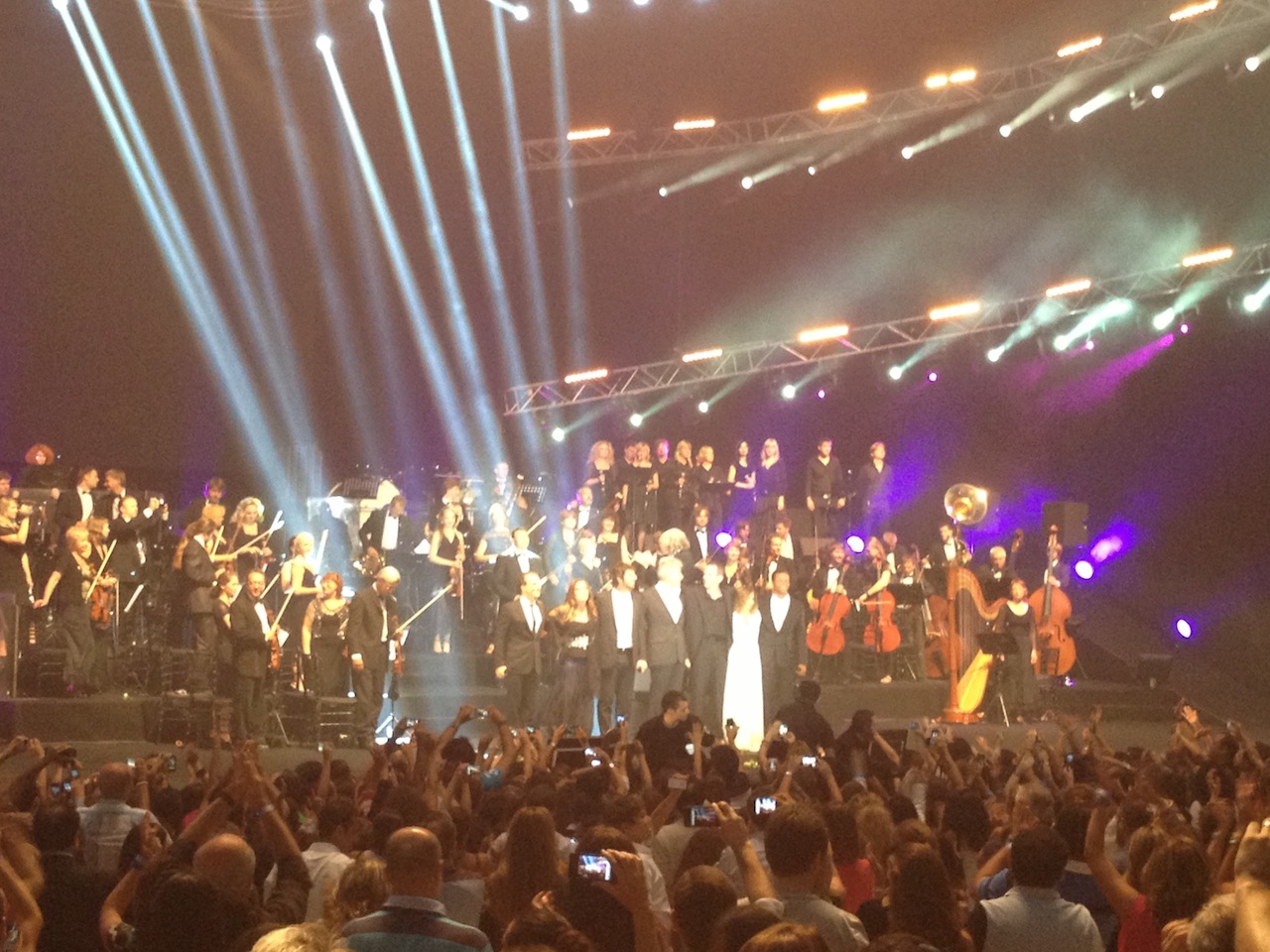
As the performers left the stage, the crowds started shouting for an encore of the play’s most famous song “Belle.” And that’s what happened. The crowds rushed to the stage. Phones in the air, people singing the lyrics to the song as Garou, Patrick Fiori and Daniel Lavoie gave it their all, before being joined with the rest of the cast to deliver the song’s last chorus.

If you didn’t attend Notre Dame de Paris, let me tell you something: you missed out on a concert that will not be matched any time soon. And I’ve never been more thankful I know French.

PS: I would like to thank my iPhone 4S for filming 11GB worth of videos and pictures and the battery for lasting the entirety of the concert and then some. :p

Let me know in a comment if there’s any particular performance you want me to upload.

Two Days in the Life of a Lebanese in Beirut

It starts early in the morning. You wake up and the heat is already beyond an acceptable value. You look at your phone. Nothing on that lockscreen.

You had forgotten. The country has been disconnected from the internet for two days now. You get out of bed forcibly. The day must start. You flick on the light switch. Nothing.

So they’re cutting it 6 am – 9 am today? Neat. At least you’ll have power when you get home, right? You go towards the kitchen to prepare some coffee. You hold the teapot under the water valve. Nothing comes out. No coffee for you? But no. You are more than prepared. Hello Tannourine bottles!

A day at work or class later, you go back home. There’s electricity. But the internet and water are still nowhere to be found. The former is unusual while the latter is typical for any Beiruti summer.

As you get out of your clothes for something more relaxing, you look at the time. 3:30 pm. And the light goes out. You wonder if the switch (disjoncteur) had been overpowered by something you might have turned on by mistake. You run down the stairs of your old Beiruti building which doesn’t have an elevator and you find out that no, it’s not the switch.

You run back up the stairs and reach the landing of your apartment, sweating like a pig. Perhaps going back home hastily was a bad idea.

30 minutes later, your only source of cooling in that house, the A/C, springs to life. You praise any deity you could think of and type away at your computer, finishing up some leftover work stuff because you don’t have internet to check Facebook, Twitter or even your email. Before you know it, the screen on your laptop dims. You look at the laptop’s electricity plug and you find its light off. You glance at your watch. It’s 4:00 PM.

Thank you for 30 minutes of electricity? But it’s not done yet. 30 minutes later, you hear your fridge hum again only to hear it die down 30 minutes later. Christmas lights-esque electricity from 3 to 6 pm? You bet.

So you sit there, looking at the wall in front of you. You have no electricity, no internet and no water. It’s too hot outside for you to wander somewhere – anywhere – and for the first time in your existence in Lebanon, despite everything, you feel like you are living in a third world country.

But as it is with you being the deservedly proud Lebanese that you are, you shrug it off. Tomorrow is another day. And then your phone buzzes. You look at it and behold, there’s an iMessage there! Yes, tomorrow is another day indeed.

Beirut’s Phoenician Port Destroyed with Ministry of Culture Approval

Back in March, I told you about two ancient landmarks in Lebanon that were facing an impeding threat by the fangs of real estate contractors, vying to destroy them in order to build fancy high-rises in their location.

Back in March as well, we marched in support for these landmarks. Many blogs spoke against their destruction. Many media outlets highlighted the government’s attempts at destroying these valuable parts of our heritage. We thought we had gotten somewhere.

Today has proven that we did not. Nowhere near that in fact.

This picture shows bulldozers working their way around a 4000 year old Phoenician port earlier yesterday, tearing it down stone per stone.

An agreement was supposedly reached with minister of culture Gabriel Layoun so the destruction of the port came as a shock for many – a bulldozer hitting them in the fact, out of the blue. The government had been talking about a mitigation approach, which I had previously explained to be a way to preserve ancient sites while making way for new development.

Even that did not happen with the Phoenician port. It was simply destroyed in its entirety.

Minister Layoun said that the site had been removed from the list of protected sites in Lebanon and as such this act is in no way backing the law. Previous ministers of cultures, such as Salim Wardeh, Tamam Salam and Tarek Metri, had worked relentlessly on protecting these sites.

It all came crumbling down with Layoun.

What Layoun doesn’t understand is that for someone who supposedly calls for “change and reform,” this reeks of corruption beyond anything we’ve been exposed to before. How can a minister of culture rationalize a real estate company destroying an ancient site and pass it as another thing that happens? Is it every day that countries discover 4000 year old ancient landmarks on their soil?

How can Mr. Layoun expect us to be so gullible as to believe that this happened in a very innocent manner, not because the real estate company in question, in a country as corrupt as Lebanon in that regards, had substantial political backing, the type of which doesn’t care about identity but cares more about its bottom line?

I’d call for Layoun’s resignation and possibly that of the whole government with the incredibly atrocious job it’s doing at every single level possible. But where would that lead? Nowhere. A minister of culture who can’t see the importance of, well, culture is doing his job how exactly?

Out of all of the things we have problems with in Lebanon, this is perhaps the most troubling.

Electricity? It can be fixed.

Water? It can be provided.

Internet? It can be upgraded.

An ancient site demolished? It can never be replaced.

The land of the Phoenicians has one less Phoenician site to boast about.

Let’s hope we can save the Roman Hippodrome next to the Maghen Abraham Synagogue in Wadi Bou Jmil.

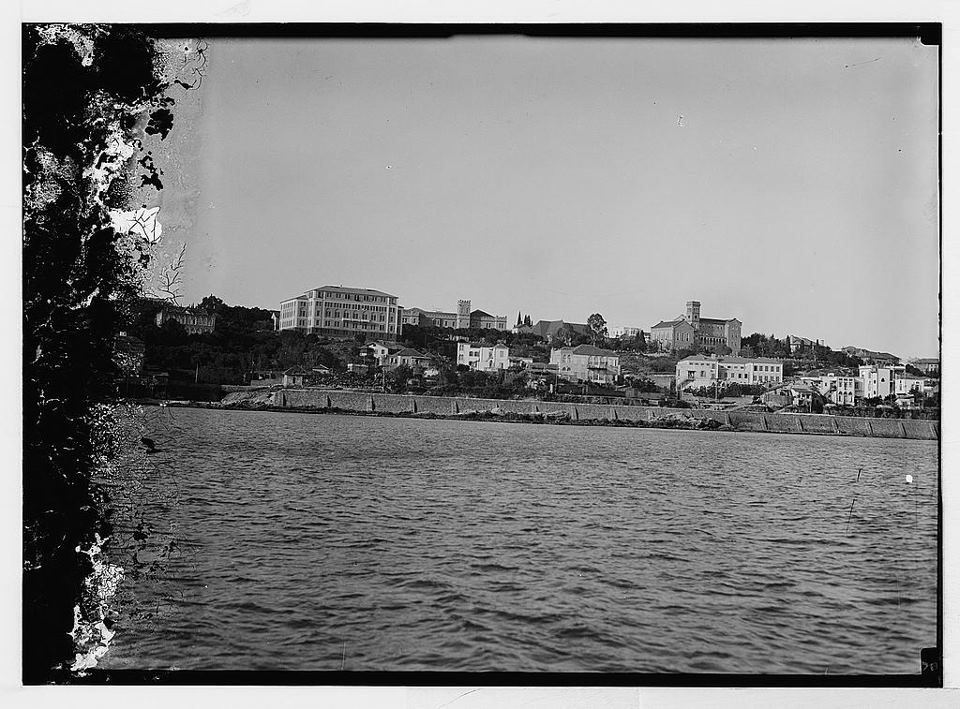
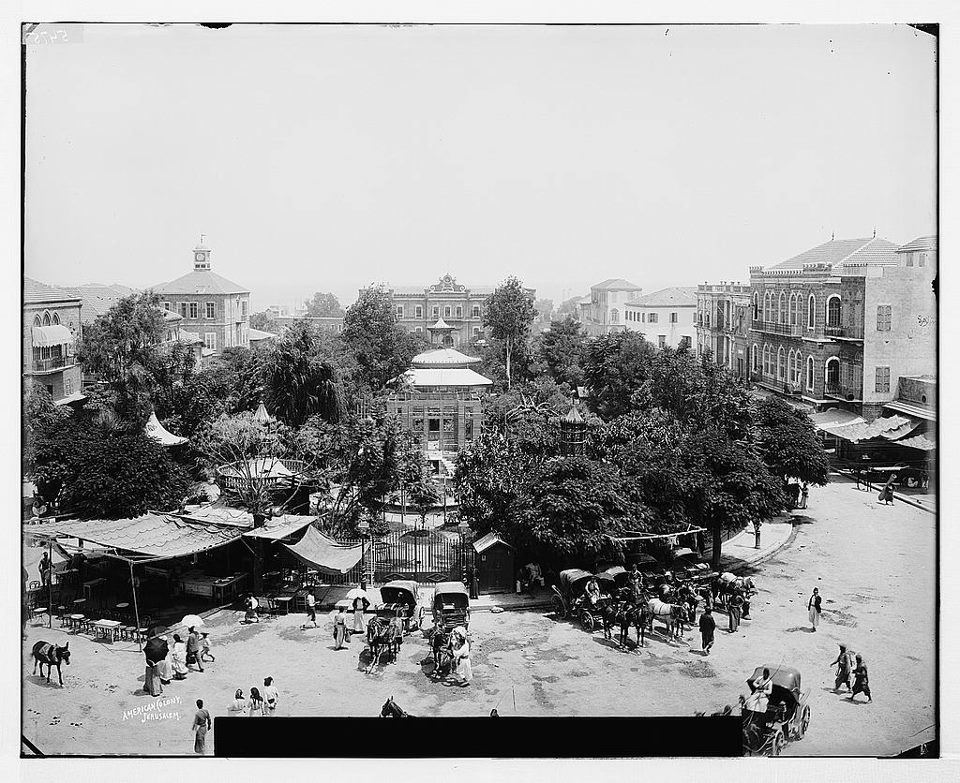
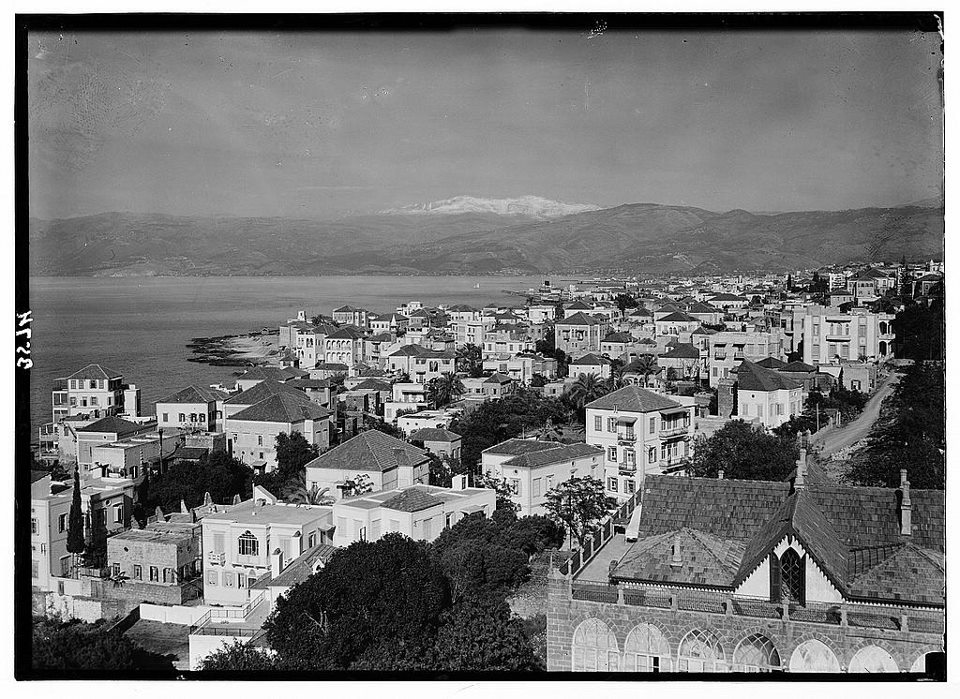
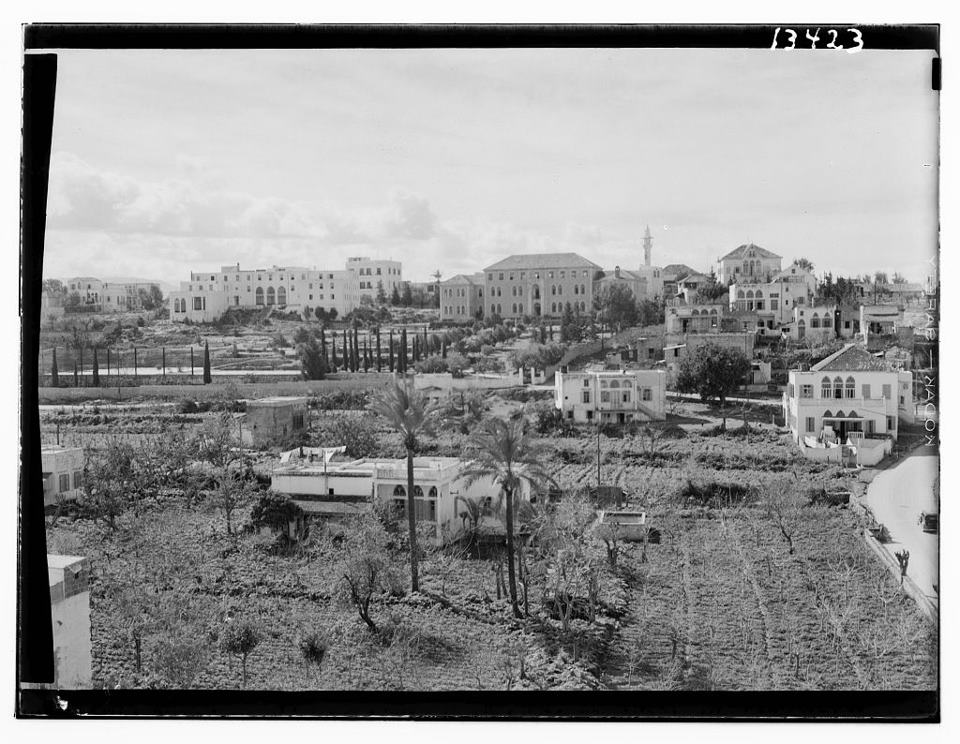
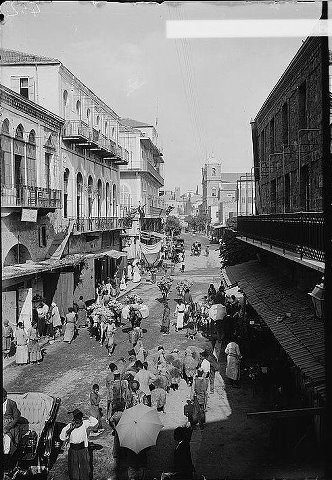
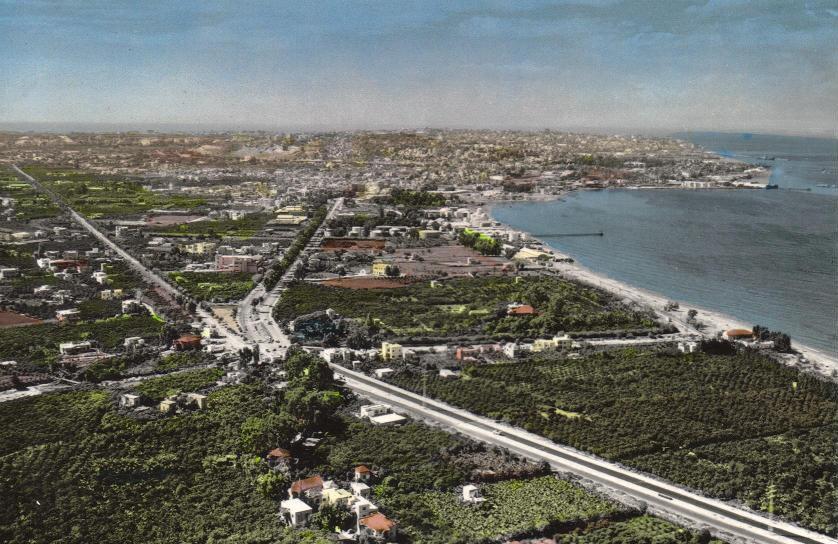
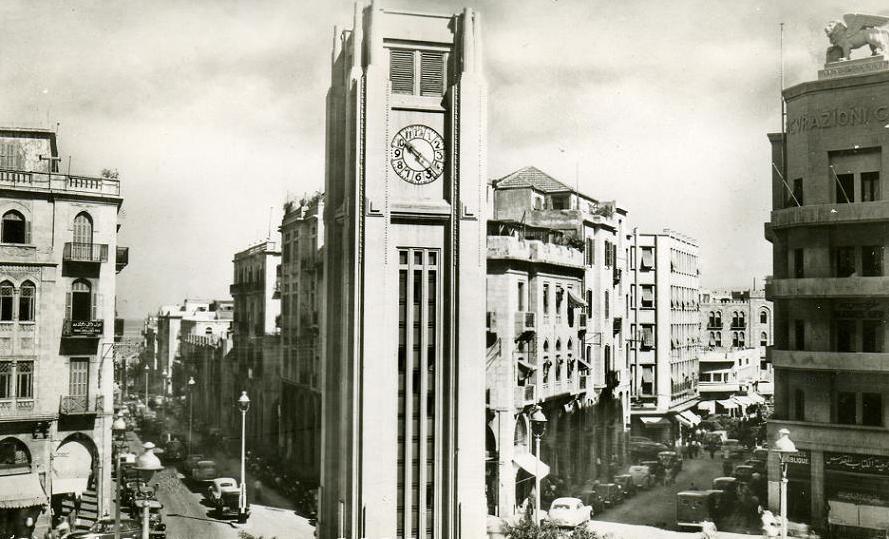
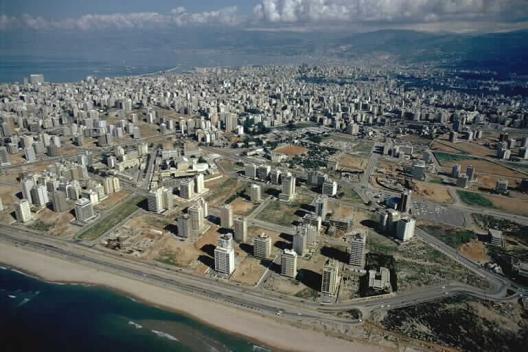
Pictures from Old Beirut

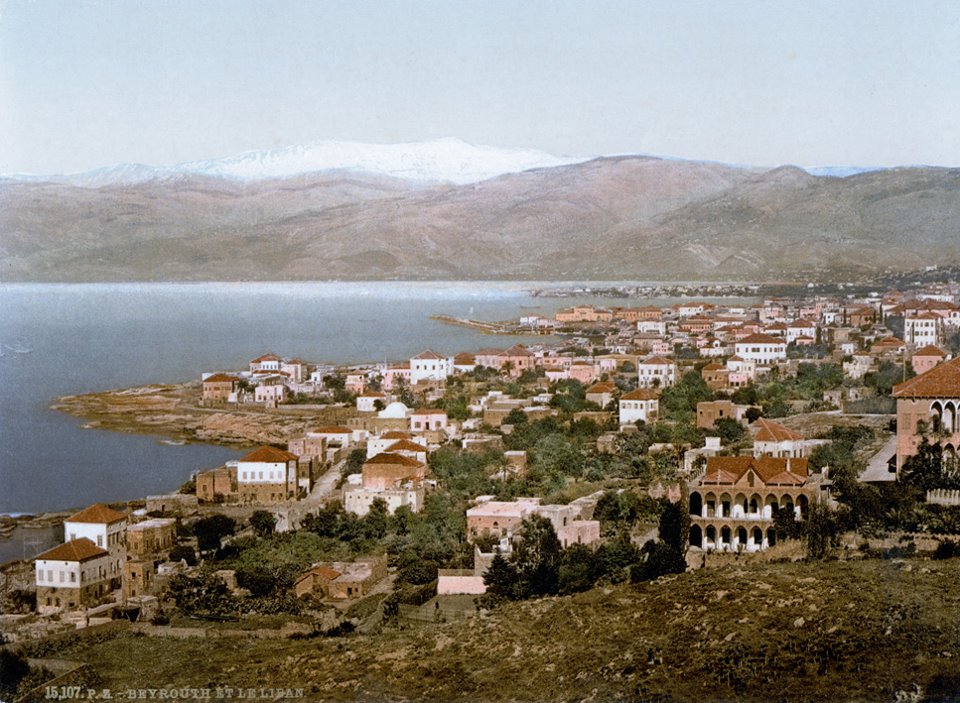
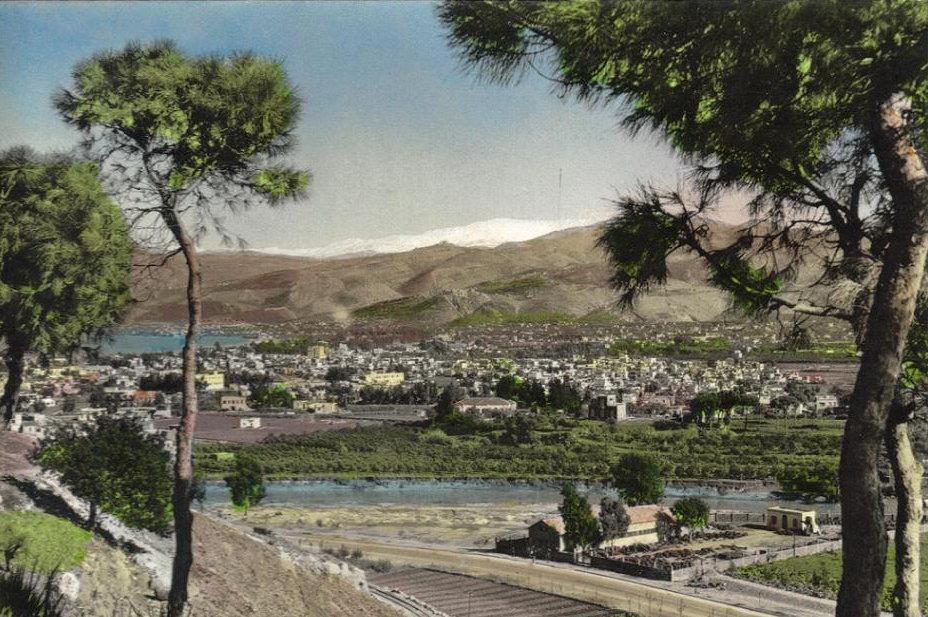
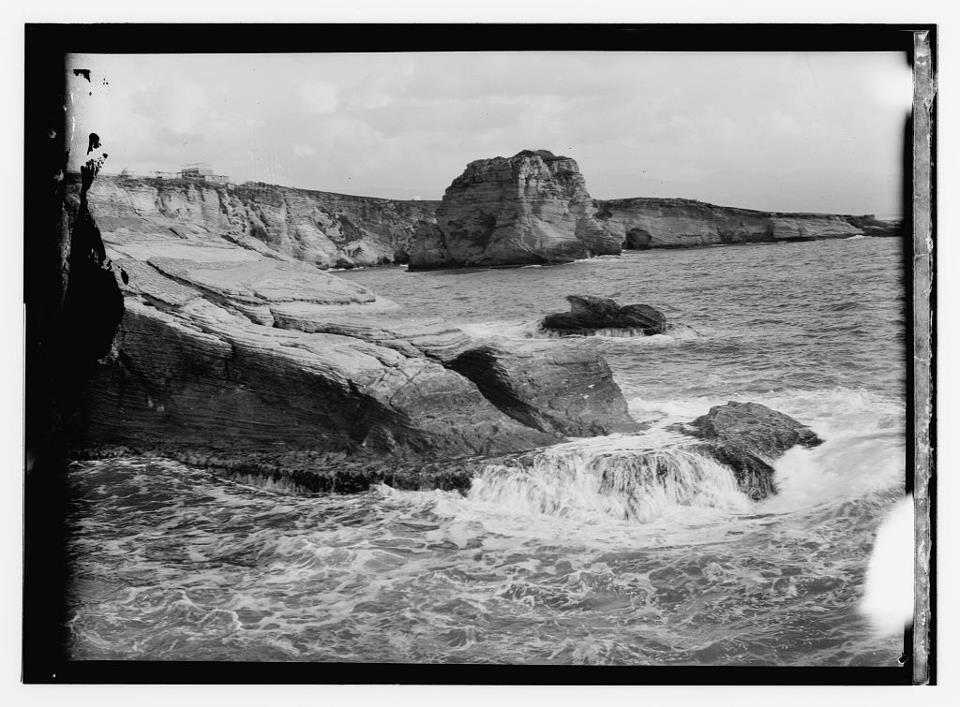
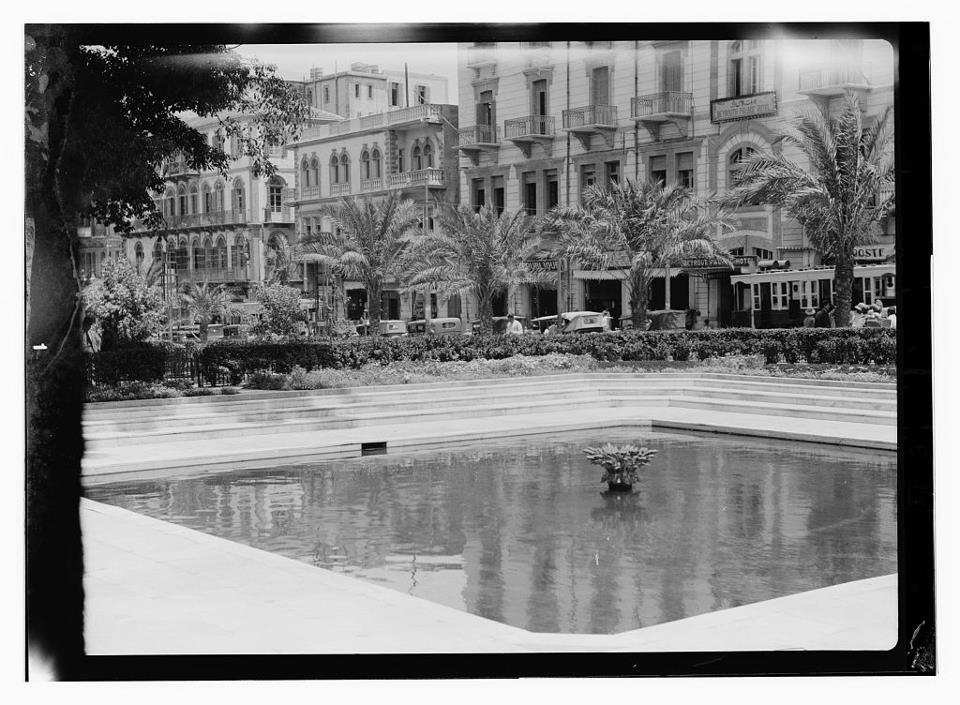
Have you ever wondered how the Lebanese capital looked before it got turned into the concrete maze it is today? Well, I blogged a while back about Lebanon in its golden age. Since then, I’ve found many pictures of Beirut that precedes the rabid urbanism of today.

Beirut – 1900

Bourj Hammoud, circa 1930

Raouche, around 1925

Martyr’s Square, 1930

AUB, 1930

Martyr’s Square (Previously Bourj Square) – circa 1898

Ain el Mraysseh, 1930

Koraytem, around 1945

Gemmayze – 1900

Nahr el Mot, 1965

Place de l’Etoile – 1950

Ramlet el Bayda – 1974

Ain el Mraysseh – 1972