16 Governmental Websites Hacked in Lebanon: What’s The Point? None.

A Lebanese hacking group calling themselves RYV (Raise Your Voice) has hacked 16 Lebanese governmental websites, in its attempt to show disdain to the situation in the country. Similarly to the international hackers who call themselves Anonymous, the Lebanese group targeted supposedly important websites. They also have their Facebook and Twitter profiles, because being part of social media is what counts these days.

They left a note on the websites they hacked, which until the time of the writing of this post have yet to be fixed:

To our dear “beloved” Lebanese Government,

We are RYV, short for Raise Your Voice, and we are simply a group of people who could not bare sitting in silence, watching all the crimes and injustice going on in Lebanon. We will not be silenced and brainwashed by your media. We will not stop until the Lebanese people mobilize, demand their rights, and earn them. We will not stop until the standards of living are raised to where they should be in Lebanon. We will not stop until this government’s self-made problems are solved, like the power shortage, water shortage, rise in gas prices and rise in food product prices. We are RYV, expect us to break the silence, whether in the streets or on the Internet.Silence is a crime.

For a list of the websites that got hacked, you can go to this link.

And it is here that I have to ask: is there really a point behind this than to make the group that did the attacks known?

I don’t think there is. Here’s why.

1) Governmental websites in Lebanon are rarely visited by people. Their effect on every day life is negligeable. I even doubt the ministers visit their own ministry’s website. As a testament to this, I, a fairly connected person, had no idea 95% of these websites even existed. Significant they are, indeed.

2) I’m fairly certain more people have attempted to visit these websites in the past 16 hours than through the entirety of their existence. Again, attacking websites people don’t care about will raise awareness how?

3) How do RYV hope attacking a meaningless governmental website that’s rarely visited going to change things? For instance, has a statement been made by blacking out the ministry of electricity’s website? Do people don’t know we don’t get electricity? Are we not nagging enough about it? How is pointing out the obvious asking for people to stand up to their rights?

4) The term activism is used so loosely it has become the prostitute of terms in Lebanon. I am not an activist. Most bloggers who think they are activists are not. And neither are RYV. Targeting websites that no one cares about, regardless of how *awesome* it seems, will not change things. It is borderline irrelevant.

Regardless of what you think of this government, or any other government, our problems as a country are way worse than something which can be fixed by a simplistic manifesto on a website asking people to stand up to their rights. Non-existant are those in Lebanon who don’t want cheap gas prices, 24/7 grid connection to water, electricity, super-fast internet, etc. But these things are not fixed by hacking websites to raise awareness, which is already there.

Either way, let them have their fifteen minutes of fame. And let some Lebanese be fascinated by them. What will change tomorrow or next Tuesday or the Tuesday after that? Yes, you guessed it… nothing.

Zaitunay Bay Observations

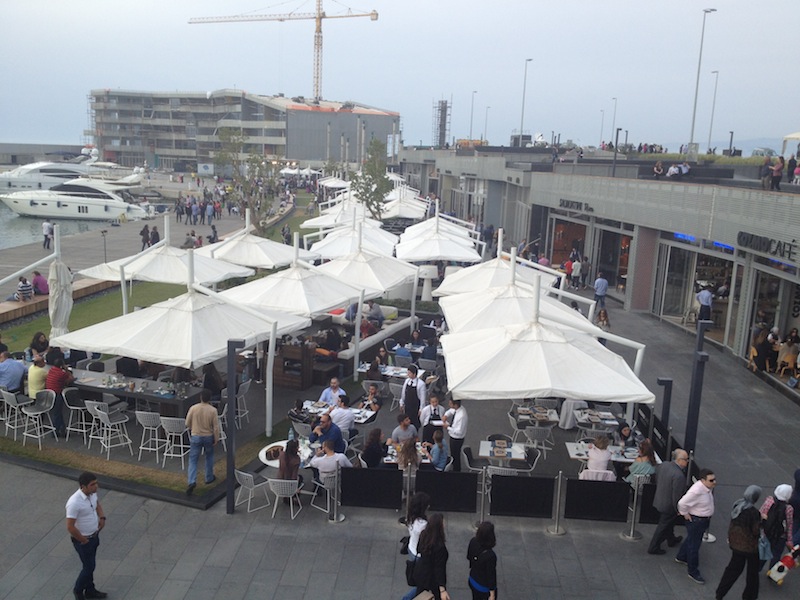
I visited Zaitunay Bay this past Saturday, several months after my first visit, so I was able to see the place with all its newfound hype.
The last time I visited, the place was very new. We were among the few people there. This time, however, was different.
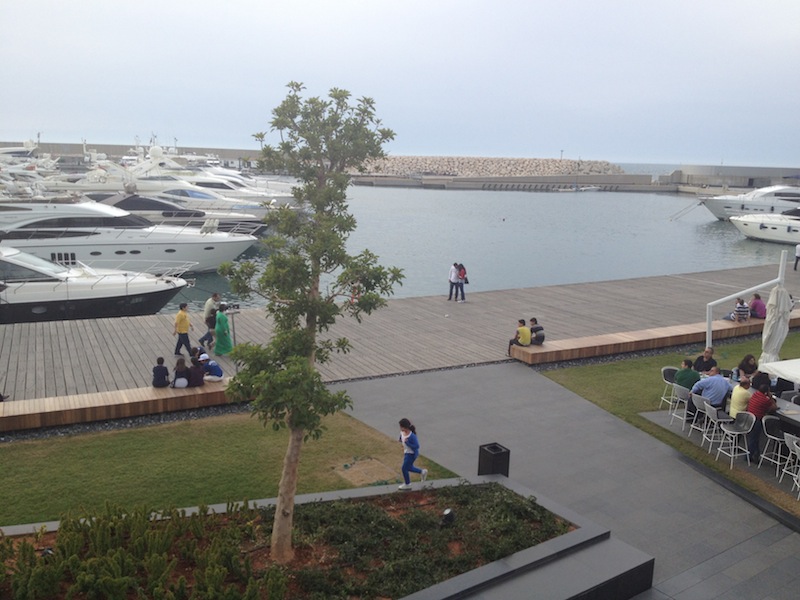
To say Zaitunay Bay is crowded would be stating the obvious. It would also be a gross understatement. That’s not necessarily a bad thing. After all, it’s the new “it” place in Beirut. People will get over it eventually.
Until then, here are some things I observed.

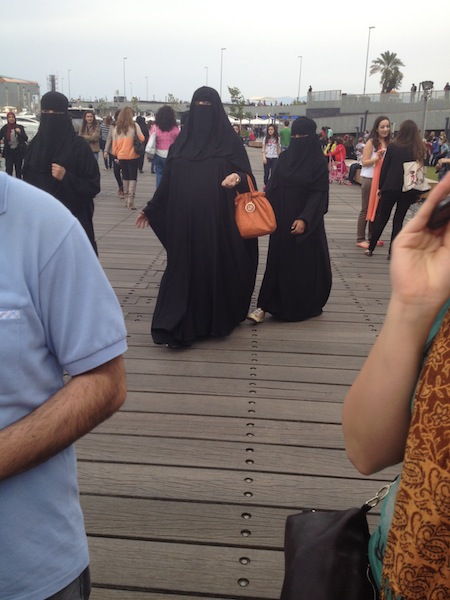
1 – Lots of Arab tourists. Taking poses on the boardwalk, taking pictures with yachts. Buses dropping them off and then picking them up when they’re done. The khalijis have apparently left their previous favorite Beiruti destination ABC and are not hitting the Bay.


Syrian men posing

Khaliji women walking


2 – Lebanese girls: you know those New York Times articles that talk about Lebanese girls walking on Zaitunay bay’s boardwalk in heels? They are actually true. My friends and I were sporting your regular everyday clothes. To say we were underdressed would be laughable. We were almost beggars compared to the girls with full makeup and designer clothes, coming to strut on the boardwalk. This isn’t a catwalk. This is a marina. You’re supposed to come here to have fun and not trip 23 times/meter while walking. But they gave us a pretty good laugh.
Guys, get your eyes off from the top portion of the picture.
They tripped so many times, it was as if we were watching the two stooges.

3 – Sturdiness: The place is very well-built and has many nice views of Beirut’s waterfront, as well as the Lebanese mountains. Do I think it’s enough for publications to gush about it? Absolutely not. It’s not a ground breaking project. If anything, it’s highlighting the shallow part of Beirut that I don’t particularly like. But for an hour or so, taking a walk around it is nice.

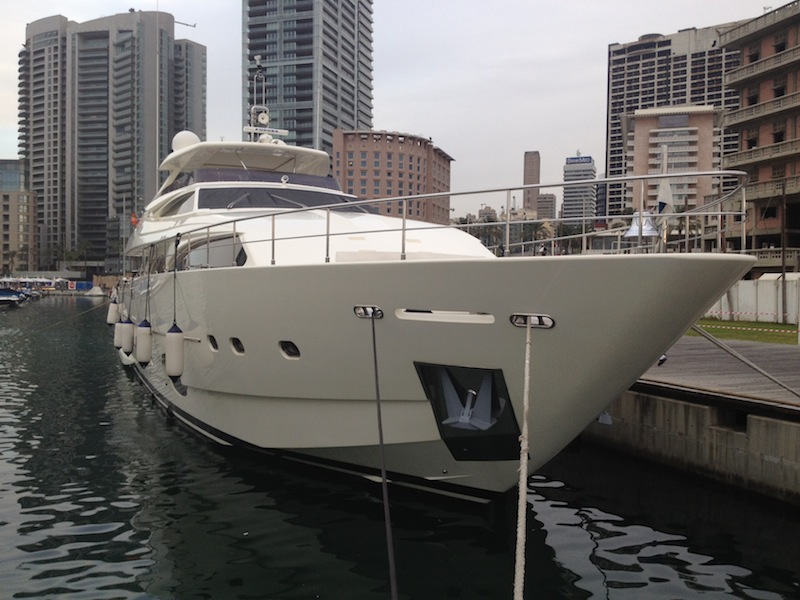
I invite you all for Sunday lunch on my yacht

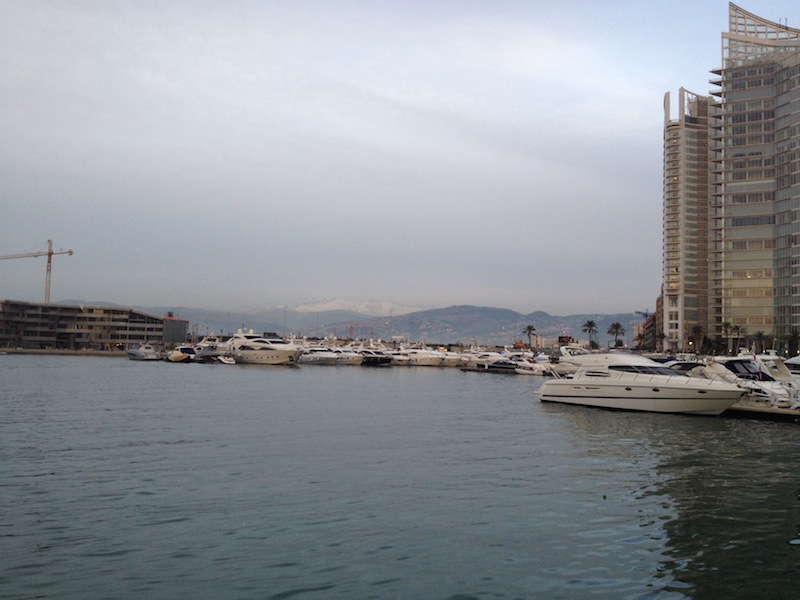
The bay, edited with the iPhone app Camera+

You can see the Lebanese mountain Sannine in the background, the snow still visible

Spring in Lebanon: Batroun City

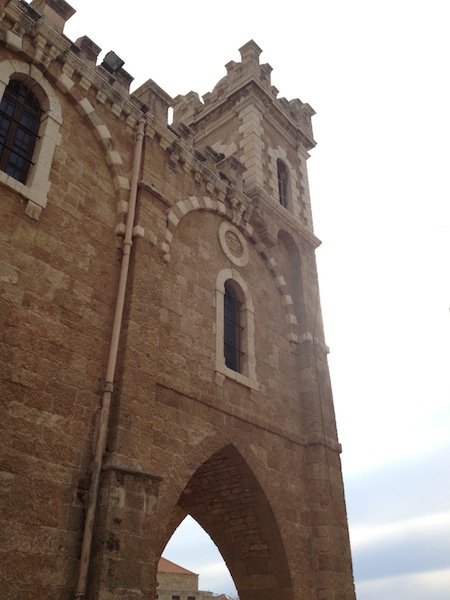
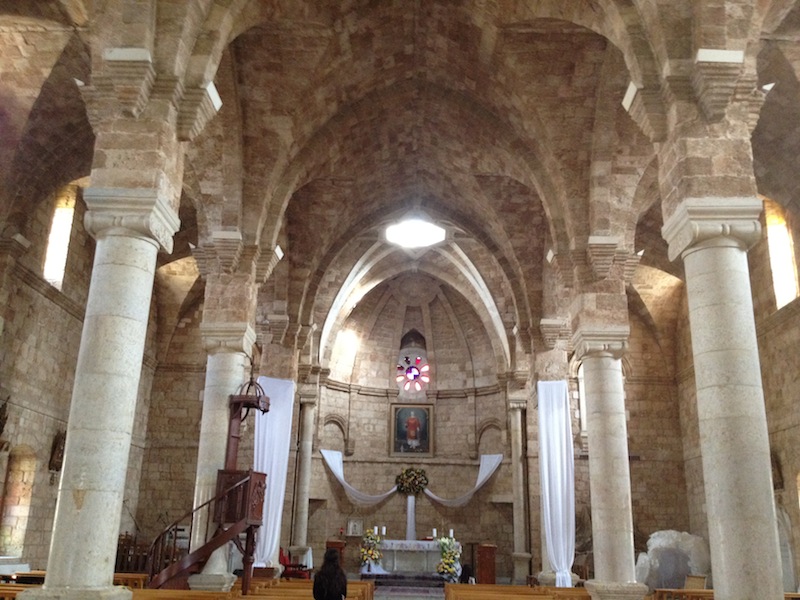
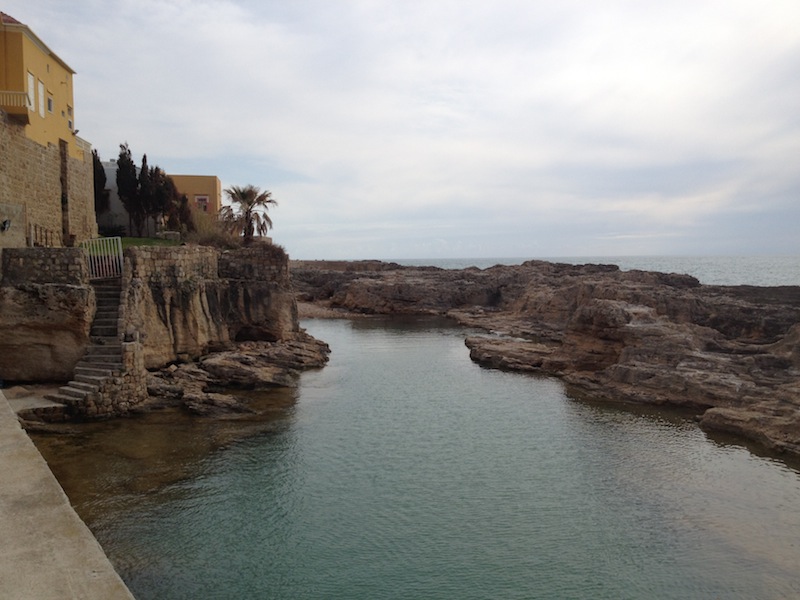
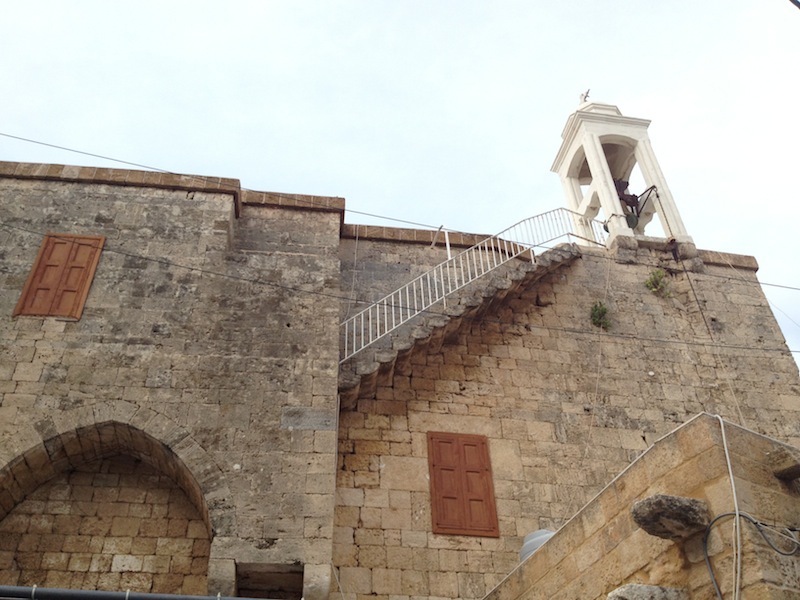
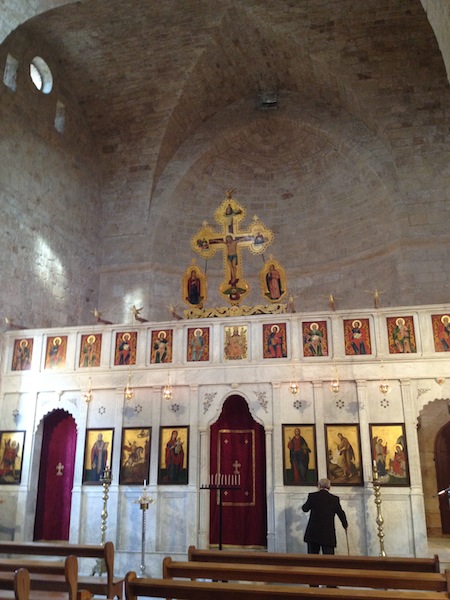
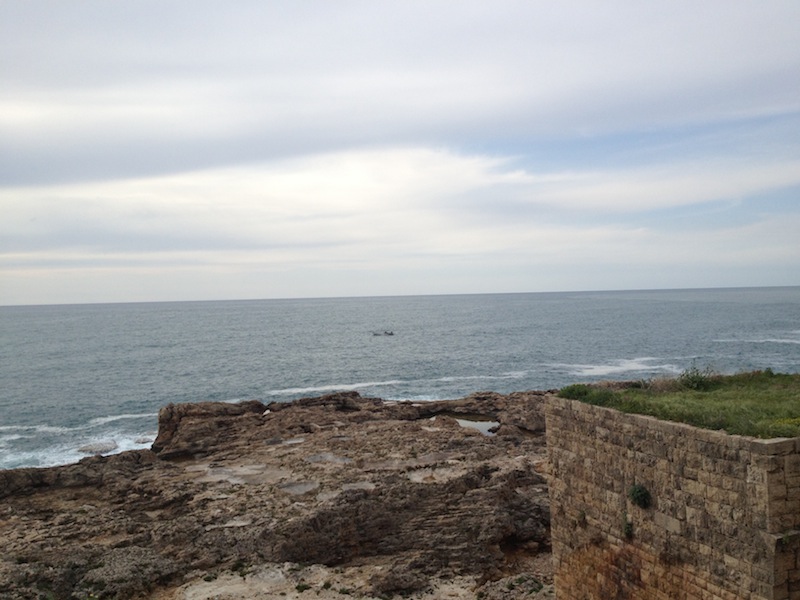
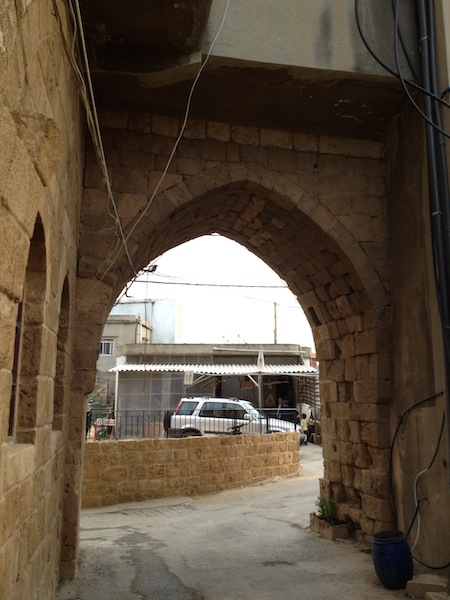
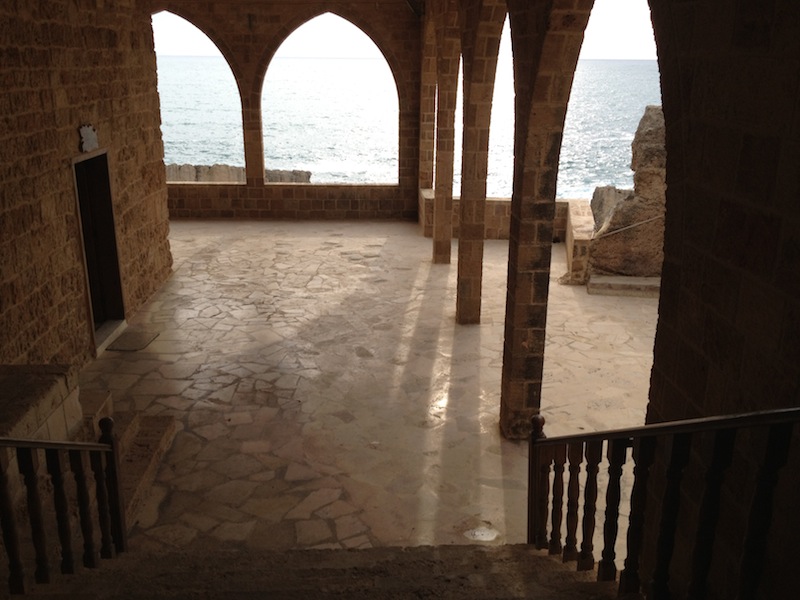
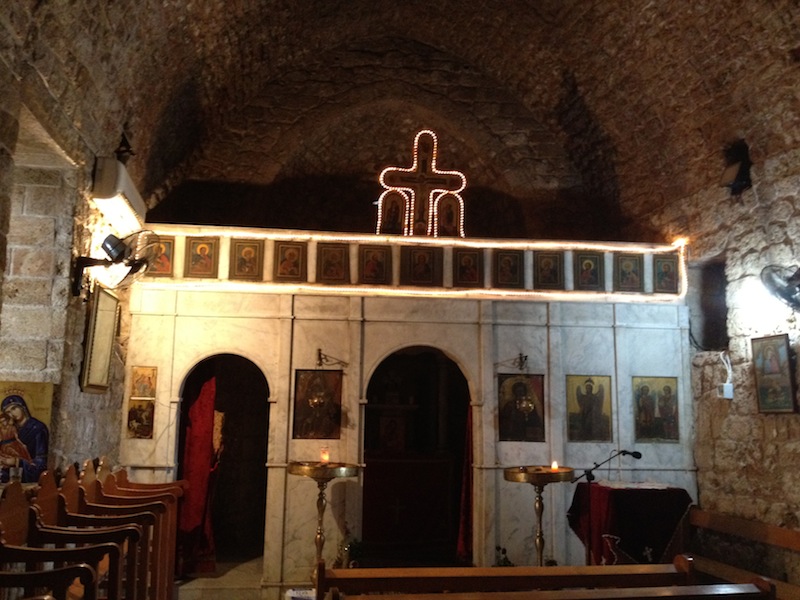
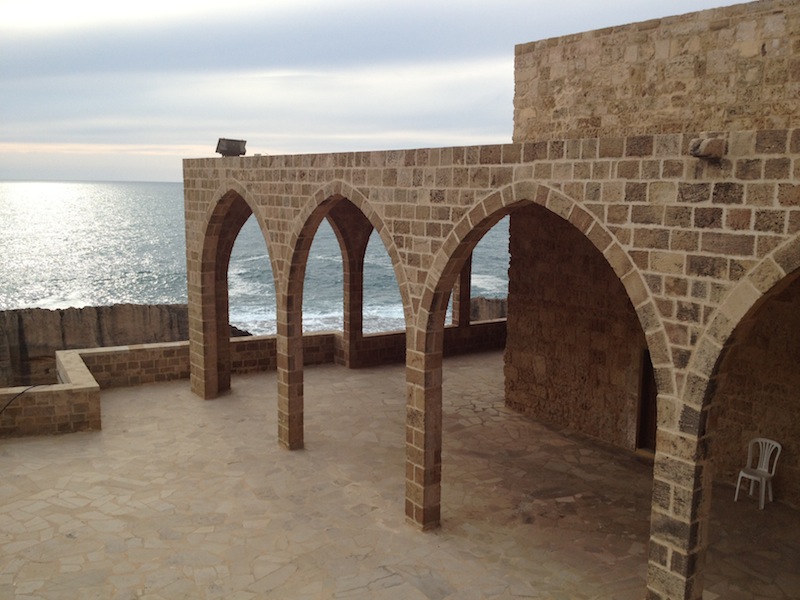
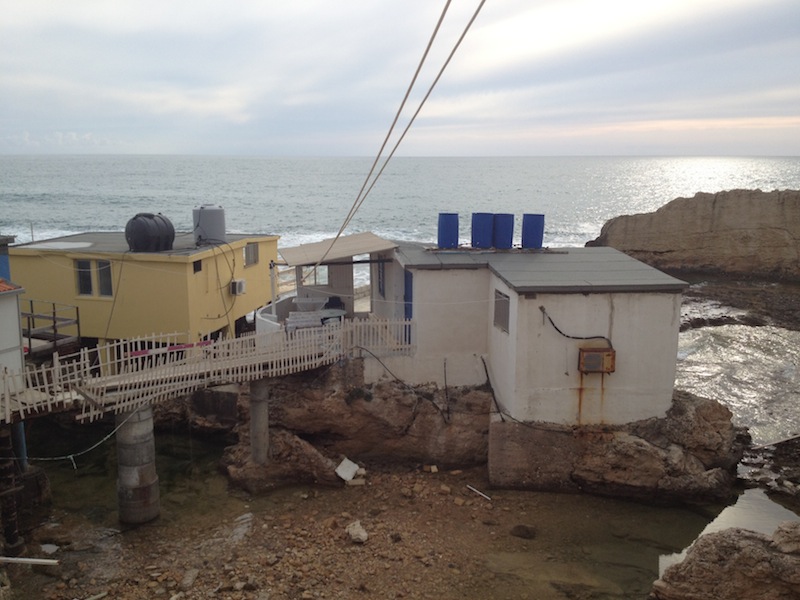
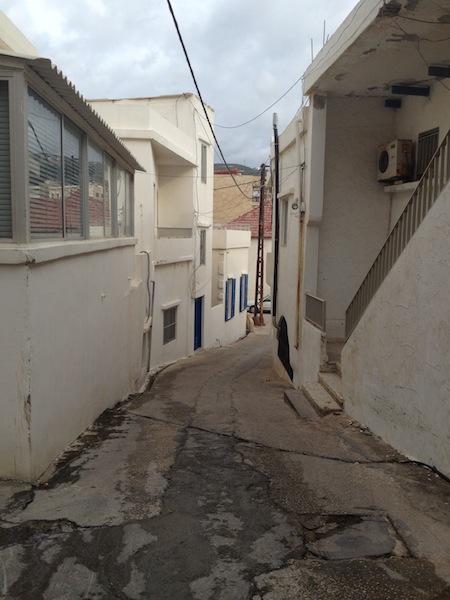
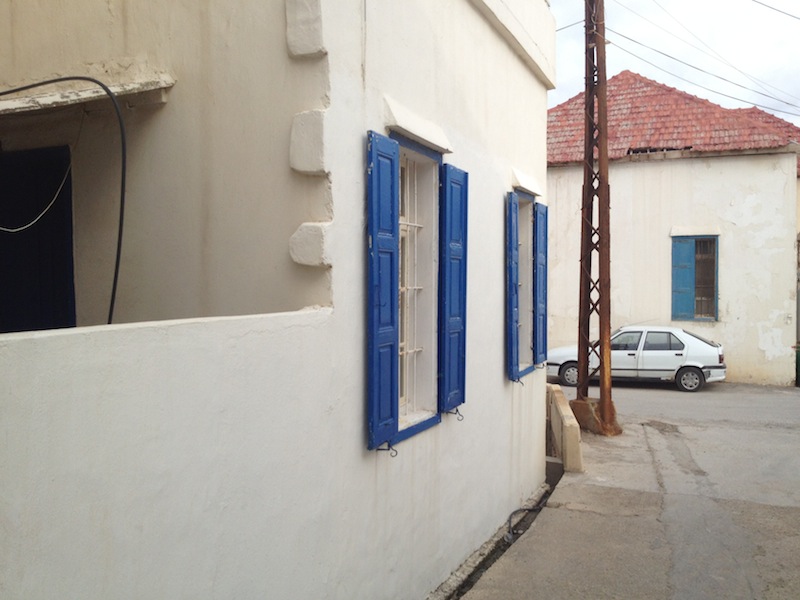
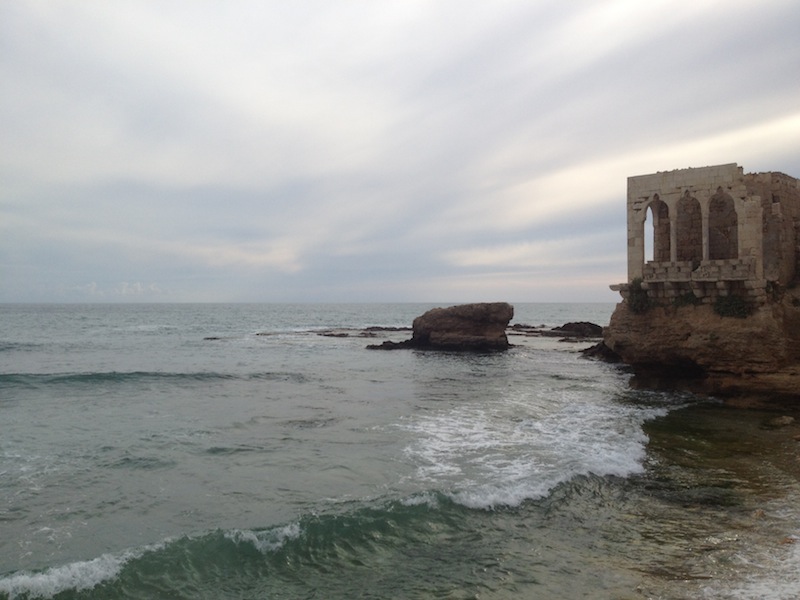
Batroun is probably my favorite city in Lebanon. Sure, I’m biased. But I cannot get over the charm that this little place has. Every time I go for a walk around its old streets, I cannot but be fascinated by how breathtaking they are and how long they’ve been there.

The churches, the houses, the streets, the beaches… all of these combine to make Batroun one of my favorite places in Lebanon.

Then again, the moment I set foot in this city, I remember my school, my best friends, my first crush. I remember how we used to go to Royal Pizza after every exam and have the most awesome food a person can have. I remember going to a beach named Blue-Bay at the time with friends. I remember running around the city on our various scholastic excursions. I remember going with my mom every single Saturday to run errands around its souks. I remember hating to wake up every morning to go to Batroun and I also remember how much I missed that when it didn’t happen anymore. I remember going clubbing for the first time in Batroun. I remember going to my first pub in Batroun.

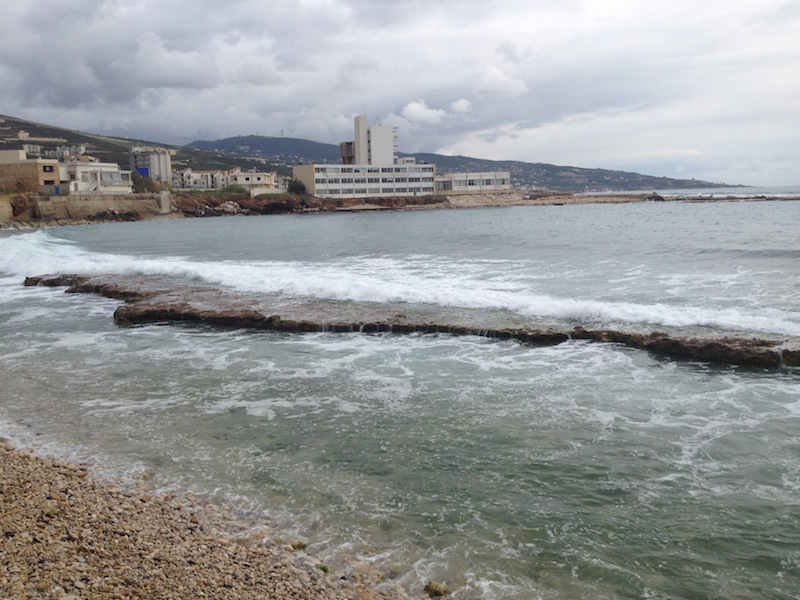
I remember going for the first time to see Batroun’s Phoenician wall. I remember always wondering why this gorgeous city never got what it deserves.

I remember the great, great people I’ve met inside the walls and under the atmosphere of this city. They are the friends who lasted through it all.

This post is my tribute to all the Batrounis who read this blog, who don’t read this blog and whom I love. Thank you for making our city one of the best places ever and thank you for the time of my life that I’ve spent there.

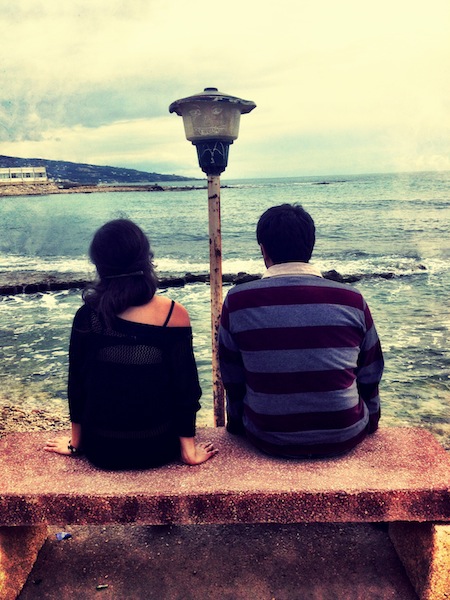
This is where we started our walk

St. Stephan Church

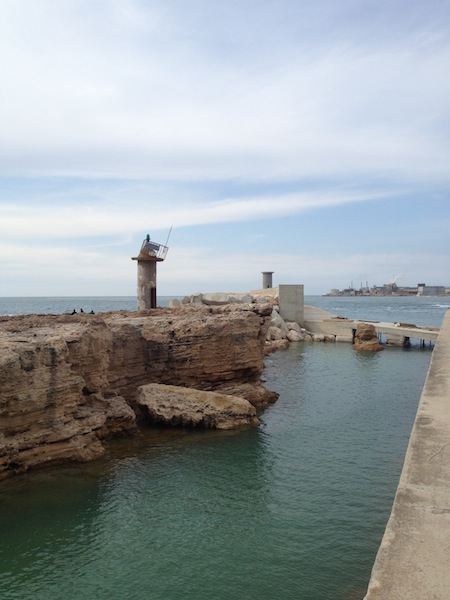
Batroun's mina

St. Georges Church

Saydet el Ba7er Church

The Phoenician Wall

This is where Ramy Ayash shot "El Nays el Ray2a" video clip

Ma23ad el Mir

Ba7sa beach

Pictures brought to you by @SemAgnes and @ElieFares

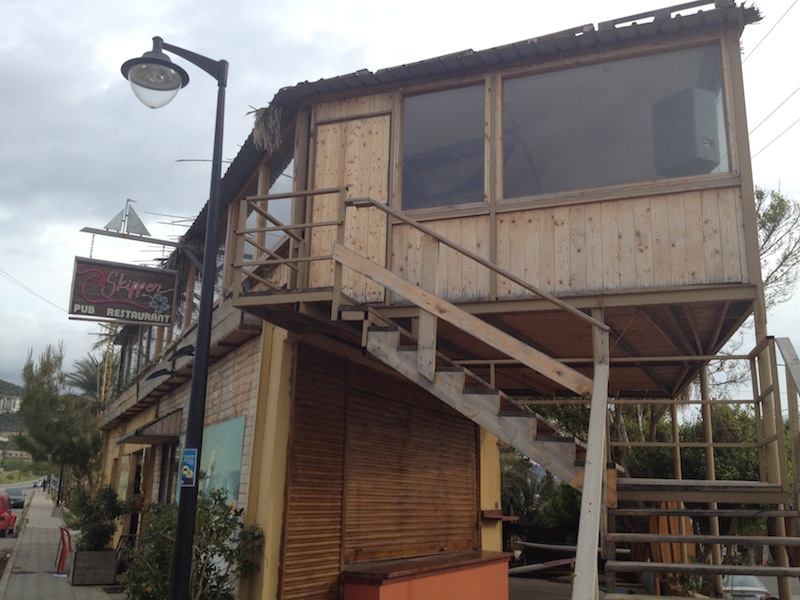
Skipper, Batroun's coolest pub

Sawary Resort - this is where we have a chalet

Formerly Blue-Bay, now Zoo beach.

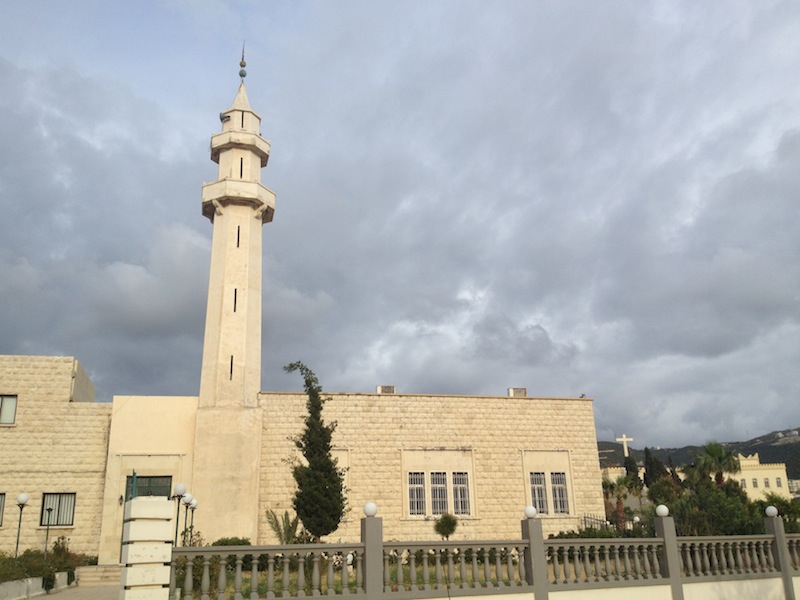
Batroun's Mosque. You can see the Cross of the Sainte Famille school in the background.

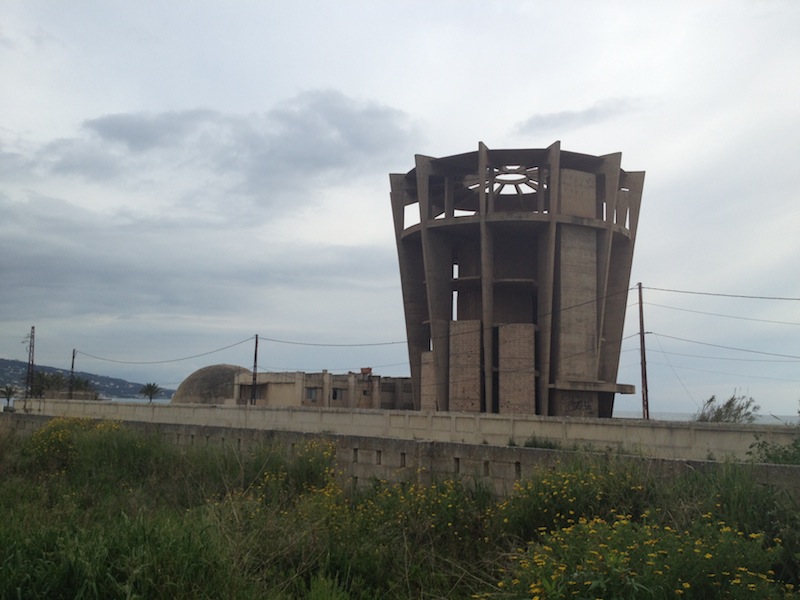
A marine research facility that never finished getting constructed (and probably never will)

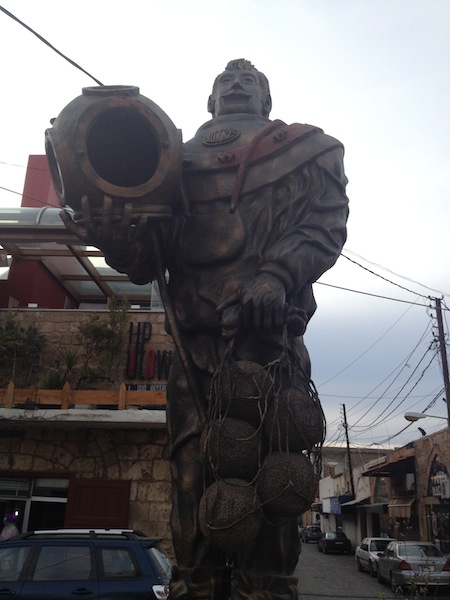
Batroun is famous for being a sailors' city

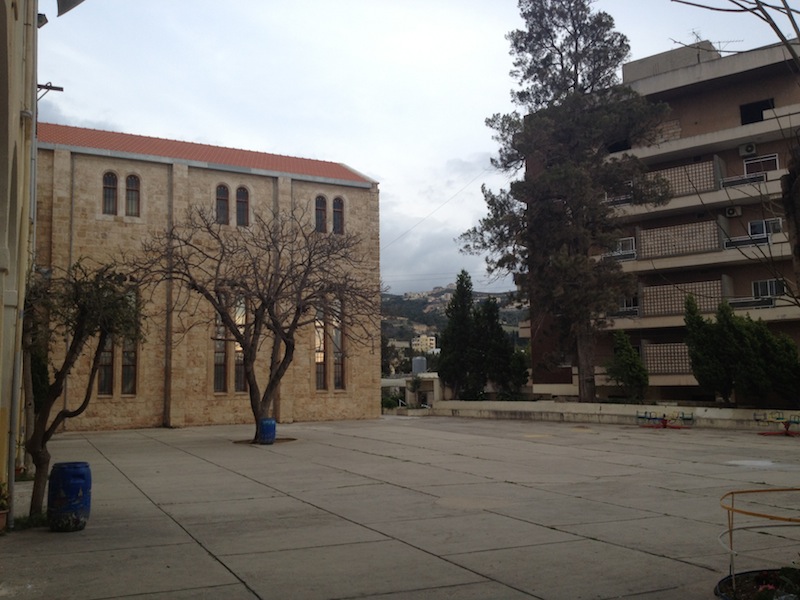
My school!

The playground for the young ones

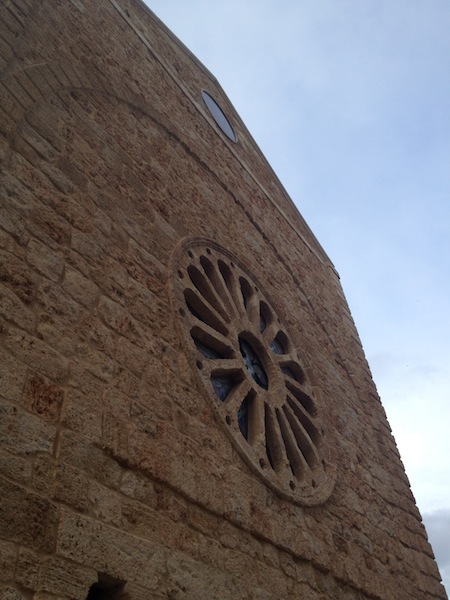
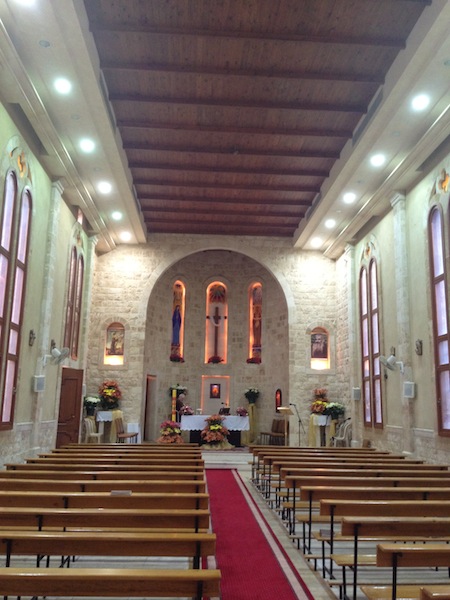
My school's church - it closed for renovation in 2006. This was the first time in 6 years that I visited.

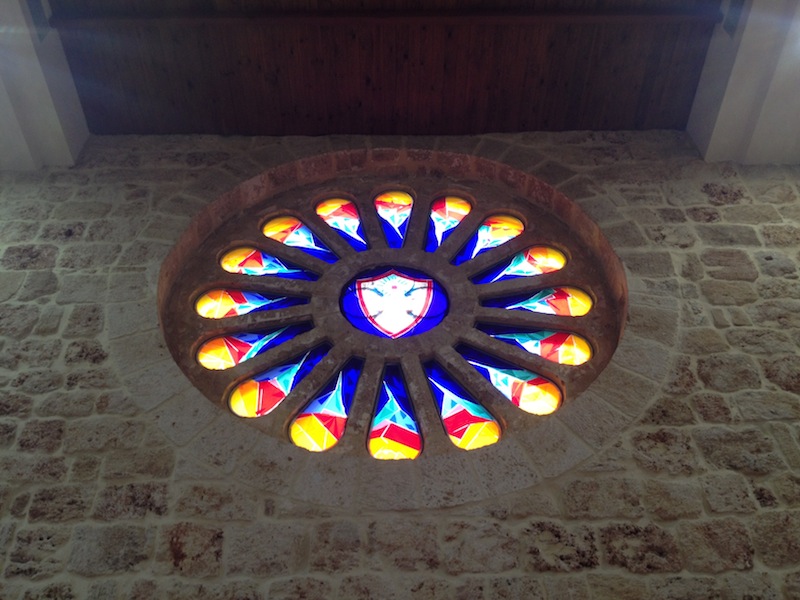
New ceiling, new windows, new walls and even a new priest - Pere Charles is back....

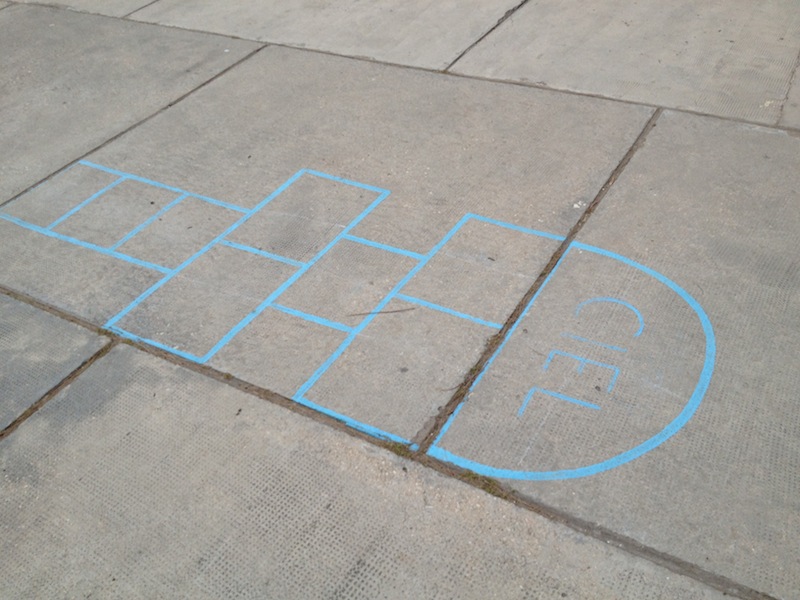
Remember playing this?

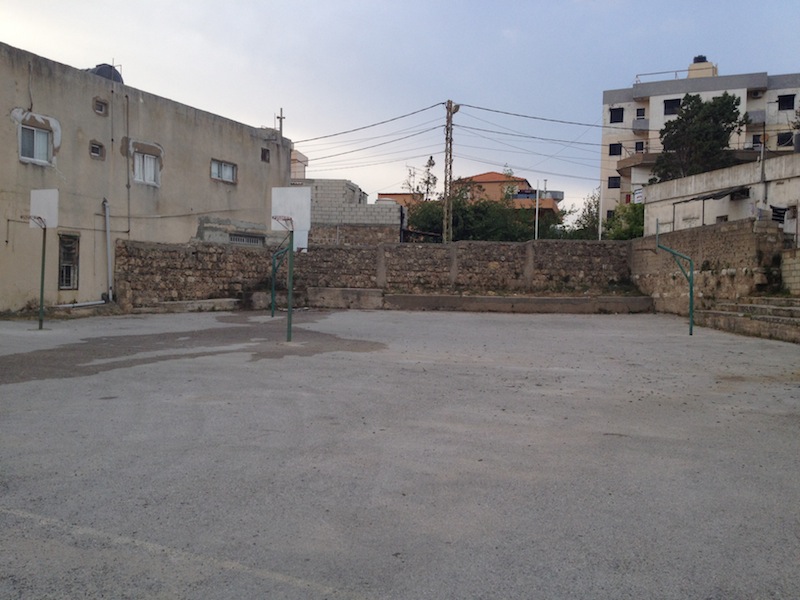
Where we used to hang out during breaks

And what better way to end it than with Batroun’s very own sunset….

Lebanese Transsexuals Exposed – A BeirutNightLife Article

This post is not to discuss the scientific content of the article at hand. This post is to discuss some technical parts of it – not even the scientific ones.

To say this needed a few revisions before going online is an understatement. Let me quote a sentence present in the first paragraph:

Ok, lets keep the wikipedia definition aside, the lady eye balling you all night IS A DUDE!!! A full fledged functional dude, just like you most probably with a package bigger than yours!!

Yes, this is a direct quote. Can I comment? I don’t find anything to say. But OMG, A DUDE?! With a bigger package?! OMG!

I’m not a grammar & spelling expert. But there are some things that are downright inacceptable, especially in a respectable publication like Beirutnightlife.

For instance, towards the end of the article, a man’s genitals are referred to as Gentiles. I didn’t know a Lebanese man’s penis is now a non-Jewish entity as well. Way to go, us?


The article also throws around scientific and anatomical information very loosely without going into their significance. Does a casual reader know what the basal ganglia is and how it could have a role in transsexualism? What purpose is served by throwing around the structure stria terminalis without explaining its scientific function?

I am a medical student currently studying these regions and I can barely grasp them.

This article offers nothing new and is very, very poorly written. Does BeirutNightLife really need shock factor to generate discussion? I really hope not.

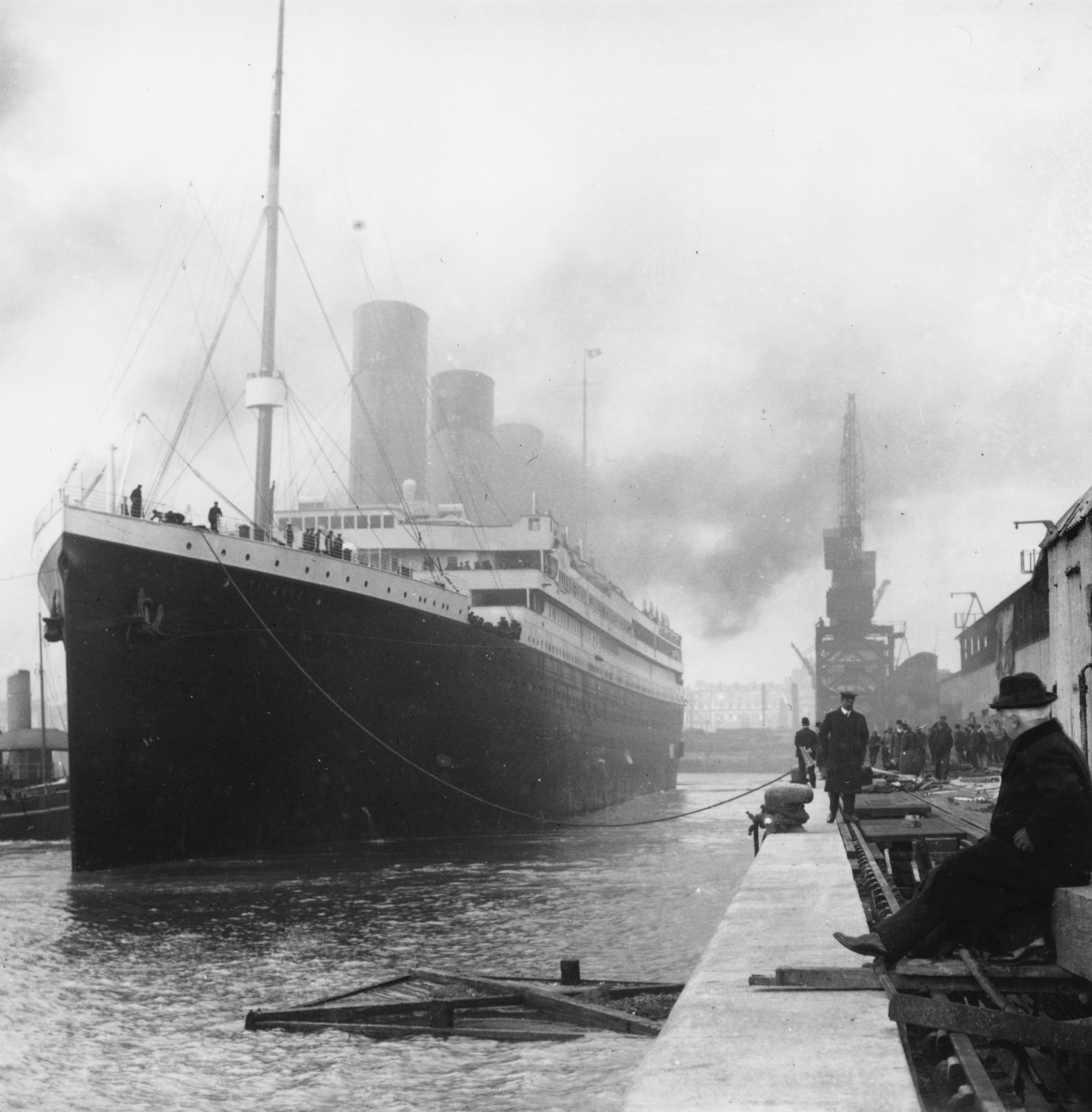
The RMS Titanic and Lebanon

As many of us were going to sleep yesterday, the idea that 100 years ago, 2000 people were going through an ordeal stranded in the middle of an ocean escapes us. 100 years is surely a long time – but for many, the whole tragedy of the Titanic has become a laughable matter.

How so? It was turned by Hollywood into a movie, which later on became a common area of jokes. For many, the word Titanic nowadays is followed by the word “meh.” We fail to remember that for many, especially Lebanese, we’ve had great-grandfathers, great-uncles, aunts & family on that ship, many of whom died, either by drowning or by getting shot.

I grew up listening to the story of Daher Chedid, a man who was trying to escape the Ottomans in Lebanon only to find death at the hands of the Atlantic ice. I couldn’t escape the haunting stories of the people from Hardin, how they prayed and danced Dabke until their very last moments. The people of Kfarmishki lost 13 people on the Titanic – how could we call that funny?

A man from Zahle saved his wife and swam away, losing hope with every second of being saved. He wasn’t. Two men from Zgharta got shot for wanting to survive – they left families behind.

How could we ignore all of those stories and act as if the Titanic is one big popular event that happened, got turned into a cliche and shouldn’t be talked about?

Lebanon lost many people on the night of April 14th-15th, 1912. The least we can do is to honor their memories by telling their stories, at least on the centennial anniversary of their passing.
For many, their interest will only be transient, as is our interest in many things. And when it comes to the Titanic, although worse tragedies have happened over the years, we – as Lebanese – should feel involved because we have lost many people there. Some say as much as 93 – in a country as small as ours, at a time where the population was very little, 93 is a tragedy.

They say people truly die when they’re no longer in anyone’s memory. This is my attempt, at least briefly, to get the Lebanese of the Titanic back into people’s memory so they’d be alive on the 100th anniversary of the ship sinking.
There are many more Lebanese whose stories I couldn’t tell. Perhaps I’ll tell them later on. But for those stories that I told, I hope they made an impact – even if it’s in a small number of people.

Many asked me if those stories were correct or made up. Many asked for my sources. Many accused me of stealing them from Al Arabiya. To those I say: these stories are not exclusive to any news service. They are not written by anyone as a novel, they were not first reported by Al Arabiya and they won’t stop with a report from MTV. These stories were written with the lives of the Lebanese passengers that went on that ship, seeking a better life for themselves and their families, away from the oppression in the country.

My sources were from books I had bought back in 1998 about the tragedy, newspaper articles that I had saved over the years, as well as stories that I was personally told when I was young.

Today, most countries are holding events to remember their deaths aboard that ship. Lebanon, who lost more people than most of those countries, is not.

May the victims of the Titanic generally and the Lebanese especially rest in peace.