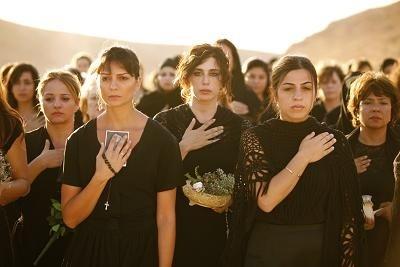
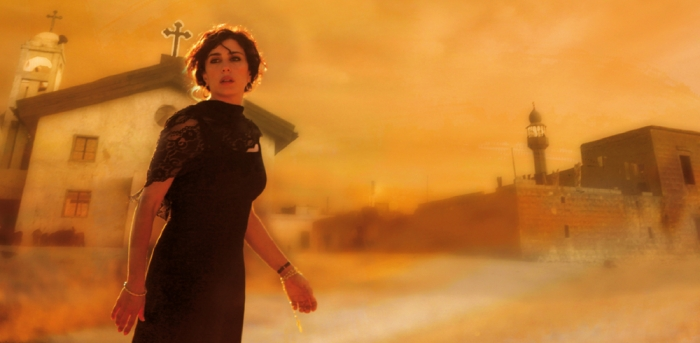
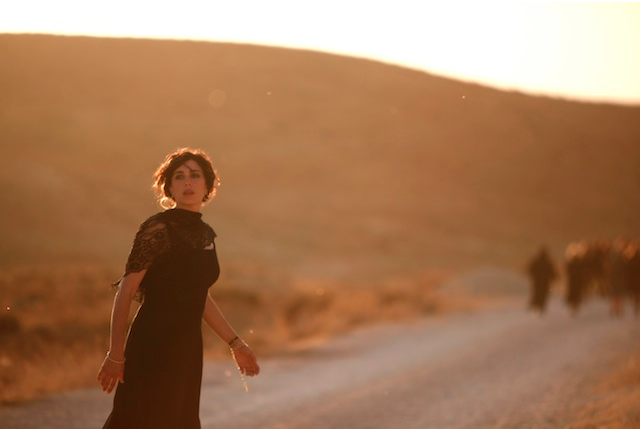
Brilliant Lebanese director/actress Nadine Labaki is set to debut her new movie, Where Do We Go Now? (و هلّأ لوين؟) at Cannes this week. And it is starting off to good reviews.
After the 2007 hit Caramel, Labaki returns with another movie she’s directing. Set in a religiously mixed village, the movie is about a group of people trying to preserve their town in the midst of inter-religious tension. The town’s location is never mentioned, probably wanting to make the movie apply to anywhere in the Middle East where you have diversity.
Labaki has said about the movie, “It’s not a story about war; on the contrary, it’s about how to avoid war. You can’t live in Lebanon without feeling this threat, which ends up coloring what we do and our ways of expression.”
I think the topic looks like a typical Lebanese storyline, sort of like Caramel, which should make the movie quite relatable. And after all, Nadine Labaki is a very good director so I believe she will pull it off. Will this be as big as Caramel, I guess we’ll just have to wait and see.
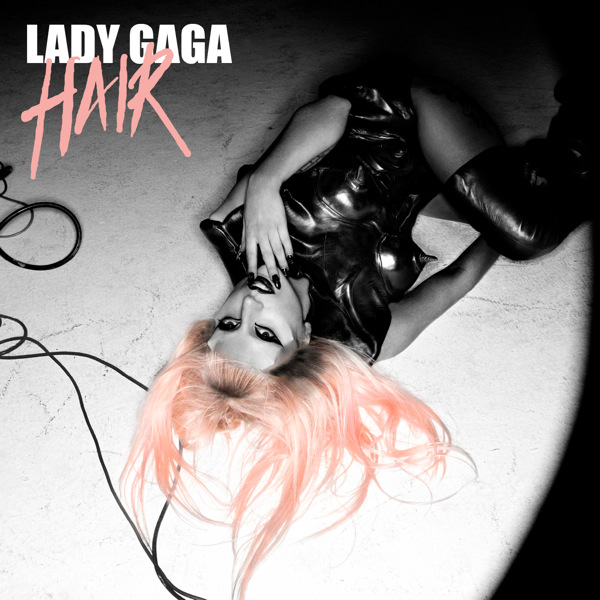
As a follow up to her Edge Of Glory iTunes promotional release and leading up to her album release next Monday, Lady Gaga has released a new song off her album, titled “Hair”. However, unlike Edge Of Glory, I don’t see pop radio jumping on this one and having it labeled as her next single, after Judas failed to do well on radio.
Produced by RedOne, the person responsible for Poker Face, this is basically a song that brings back Lady Gaga to her dance music self. However, and I don’t want to sound like a broken record with this, is it really as good as her previous dance-music songs? Is this as good as Just Dance and Poker Face?
The answer is a succint no.
The message behind the lyrics is quite simple. Girls can definitely relate more to the comparison she draws in the song but she’s basically inviting people to be as free as their hair, which I’m assuming is when your hair flies in the air, not caring the direction it goes in.
Now, the message itself is empowering: be whatever you want, don’t care about what other people think, etc… and it fits with the “Born This Way” brand she’s been trying to sell with this album. However, I just felt the whole comparison of freedom to hair, although it gets the message across, to be simply ridiculous. Wasn’t there something else she could compare having a free opinion to?
Moreover, I do not really feel the beat of the song. I think it takes away from the lyrics, regardless of how corny those lyrics might be. Lady Gaga even sounds a little drowned out at some points. And I believe the track was overproduced at certain points, especially with the overuse of beats and auto-tune.
The strength of “Hair” is that it’s a relatable song. We’ve all been through events where we wanted to make our decisions freely and had people breathing down our necks to go one way or another. “Hair” fails, however, in being more than a song getting this message across. And there are plenty of songs out there that have a similar theme. So you’d expect that, when you want to rehash a topic, to make your work stand out and offer new things to the table. The Edge Of Glory had great lyrics and an awesome saxophone breakdown. This, however, doesn’t have anything that could make me want to play it willfully. I just hope the album has better songs where Lady Gaga doesn’t want to “lots of friends inviting her to their parties”.
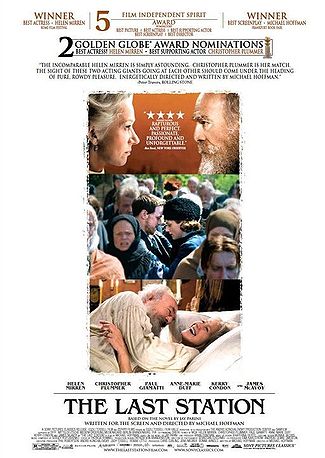
The Last Station is a movie about redemption. It’s a movie that tells the story of the basic human need for forgiveness and continuity and love. Set in the early 20th century Russia, this movie is centered around the last days of Leo Tolstoy, famous writer of Anna Karenina and War and Peace. Tolstoy had founded the Tolstoyan movement. However, his wife, the countess Sofya, does not agree with those views, especially regarding the relinquishment of private property, and is more worried about sustainability than about her husband’s movement.
The Last Station is the story of the struggle of everyone against the countess, as they try to bring her down to get her husband’s movement to triumph. And in the center of that story is love, be it the love that existed for over forty eight years in the marriage of Tolstoy and the countess or the newly developing love between Valentin (James McAvoy), the new secretary, and Marsha, a woman who lives in a Tolstoyan colony. And how can love survive in a movement that calls to love everyone equally, where loving someone else preferentially is breaking the rules – the rules that even Tolstoy himself cannot but break.
Nominated for several academy awards, especially in the acting department, this movie is simply excellent. Helen Mirren, in her role as the countess, delivers a powerhouse performance as the woman trying to ensure that her way of life remains the same throughout everything. She portrays the hurt of a woman who feels her husband doesn’t love her anymore and embodies the frustration of not being able to communicate with him like before, which she blames on those her husband had befriended after starting the movement.
The actor who plays Tolstoy, Christopher Plummer, delivers a rich and multilayered performance of the man lost between the principles he set for himself and others and his basic need as a human being: love for his wife and family. The Last Station is the battle of the protective wife and a dominant advisor, all going in front of Valentin, another great performance by James McAvoy, a man whose basic needs have been clouded over the years by his sense of belonging to the Tolestoyan movement.
The beauty of The Last Station is that it shows even the greats, like Tolestoy, are basically human after all. They have their flaws and needs and, regardless of how sophisticated they may be, at the end, they are as simple as we all are. A truly magnificent conclusion, indeed.
What do you do when you’ve lived for over a century, done all the mistakes imaginable and now suddenly, you find yourself dying?
How do you absolve your mistakes and ask forgiveness from the people you love most, whom you have hurt deeply? What exactly does a man do knowing he’s about to die?
This is the theme of the season two finale of The Vampire Diaries.
Taking it a notch down from the epic penultimate episode, The Sun Also Rises, this episode, grimly titled As I Lay Dying, is almost as epic – albeit being totally different. Leaving most of the supernatural elements to the previous episodes, the creators chose to make As I Lay Dying an episode about the redemptive power of love, regret, strength and courage. It is heartfelt, it seeks closure and at the same time opens up some of the wounds the show’s characters have been trying to hide for many years.
All of the story-lines are well-developed, in pure Vampire Diaries fashion. I would have liked to see some more stuff going on (maybe extending the episode beyond the one hour mark) but that’s just greedy me talking.
There is no other show that does cliffhangers better than The Vampire Diaries. And this season’s cliffhanger is almost as awesome as season one’s finale. It was absolutely smashing. Not only will it leave you in shock, it will also instill the feeling inside you of “how the hell am I supposed to wait till September for this?” It actually makes one of the less important characters vital for next season!
But wait is all we can do. The Vampire Diaries is not perfect. But the speed with which this show moves is what keeps you immersed, add to that the highly interesting storyline. Season three of The Vampire Diaries is said to be the “year of the originals” and this episode sets the mood for that. And let me tell you this, it will be one brilliant season! Don’t let the feeling of wanting something to happen and it not happening deter you from enjoying this awesome TV show.

 Labaki has said about the movie, “It’s not a story about war; on the contrary, it’s about how to avoid war. You can’t live in Lebanon without feeling this threat, which ends up coloring what we do and our ways of expression.”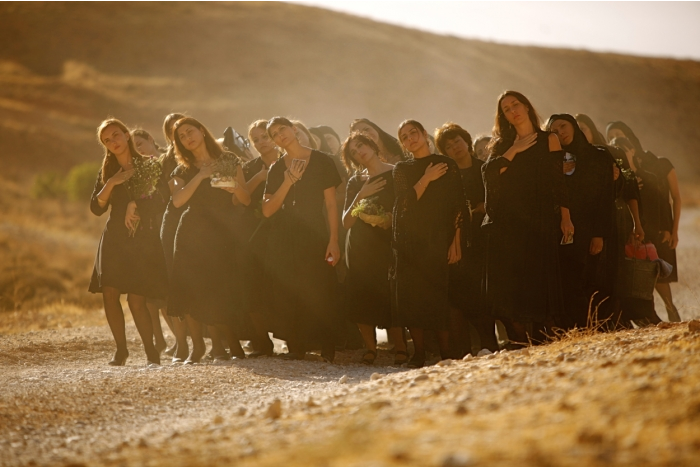




 A Separate State of Mind | A Blog by Elie Fares