An Update on the Land Sold in Dlebta, Keserwan to the Saudi Prince

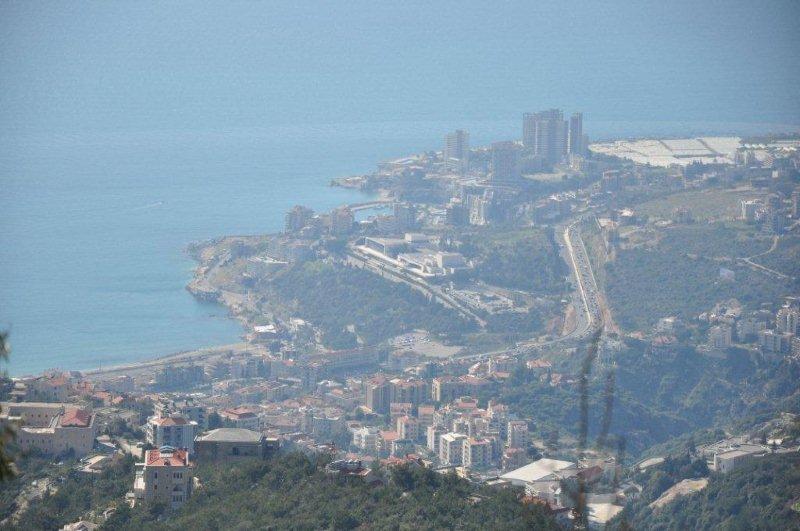
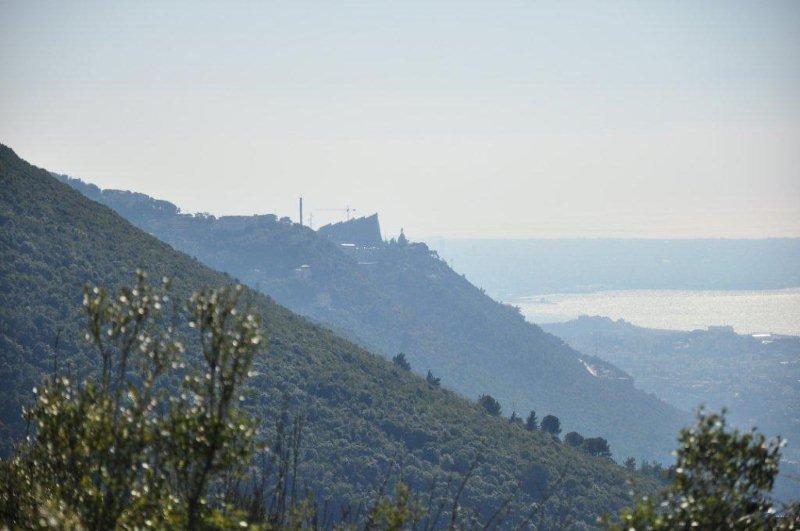
The view from the land sold

Following up with my post from Tuesday about the land in Dlebta that was sold to a Saudi prince, Pierre Daher, the person who had shared the original picture which went viral on Facebook, had the following to say in order correct the information I had shared in my post about the sale:

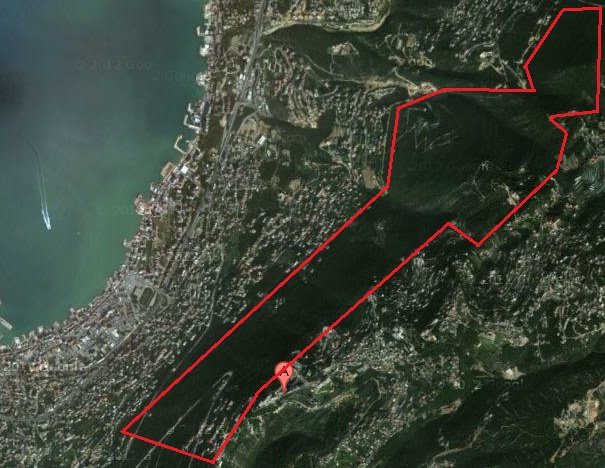
This picture is not representing the Dlebta valley Sold. This is the very nearby area of Harissa Valley! The red line represents the Harissa valley and has NOT been sold. Dlebta is just in the top right corner of the picture outside the red frame.

For reference, you can check out the post in question here and the picture here. In the meantime, these are the facts regarding the land sale, according to this article by Annahar and other sources:

  • The decree to authorize the sale of the land to the Saudi Prince was passed in the Official Gazette on April 26th, 2012 – almost a month ago. The land that was sold is not as huge as originally thought. It consists of 4 properties, numbered 76 – 157 – 160 – 1152 in the Dlebta region, a town that hadn’t seen lots of real estate movements similarly to the surroundings towns. The sale was brokered by a Lebanese man who’s not from Dlebta.
  • The total area of the land which the Saudi prince purchased is 7700 squared meters. It is part of Tallet el Salib, which neighbors another hill called Tallet Mohammad. Talks are already underway to purchase a part of that hill as well.
  • The presidential decree that was signed and passed in the gazette allowed the Saudi Prince to purchase the 7700 sqm land even though the limit for non-Lebanese is 3000 sqm.
  • The authorization to approve the sale was signed by President Michel Sleiman, prime minister Najib Mikati and minister of Finance Mohammad al Safadi.
  • None of the Christian ministers in the ministry spoke against the sale despite their previous stances against such transactions in Christian areas.
  • The owners of the land are a rich Maronite family in the region who had previously sworn not to sell any land to anyone from outside the region. I guess the Saudi Prince is not “ghrib” anymore to the Keserwanis.
  • The municipality of Dlebta was not consulted in the matter of this transaction.

A few things, however, still need to be said:

  1. The fact that the land is not as huge as originally perceived doesn’t mean selling it should be permitted. I am firmly against selling Lebanese land to foreign nationals especially those coming from countries where the people of the aforementioned areas have very limited rights.
  2. The sale of this land, especially allowing it, sets a dangerous precedence for the entirety of the Harissa Valley, which is highlighted in red in this picture. If they allow this land to be sold, then what would stop the selling of bigger properties in the valley some other time?
  3. The fauna and flora argument is irrelevant to many Lebanese – but the area in question is one of the few areas in the region that has been kept relatively untouched. In fact, half of the area highlighted in red in the above picture has been made into a reserve by the Maronite Church to prohibit commercial activities in it.
  4. The Dlebta sale is not the first and won’t be the last. In fact, much worse sales have already taken place and received much less attention. Why so? It could be because they’re not situated in an area Lebanese Maronites consider sacred. For instance, 740 acres were purchased by Hezbollah from a Christian man in the Chouf for a total cost of $240 million – one of the richest land deals in Lebanese history.
  5. According to this report, here’s how the sales of land breaks down in select areas: the towns of Ajaltoun, Rayfoun, Mayrouba & Kfardebien in Keserwein have 80% of their lands sold to non-Lebanese, as well as 85% of the town of Alma in Zgharta. The story is similar in the Chouf, Baabda, Batroun and other regions as well. This is a reality, not paranoia.

Let me tell you the story of a very good friend of mine from a very small, almost irrelevant, village in the caza of Aley. There was once a man who needed money so he decided to sell the only land he owned and he knew it won’t go for much. Why so? Because the village barely had an access road to begin with and his land was nowhere near it. It was also almost unusable for agriculture. Why would anyone need a land like that?

And yet, an offer from a nearby village came in. It was much higher than what the seller had thought possible. But why would the buyer want to buy this land? Why would anyone buy this land? The town’s people rallied together and pitched in to keep the purchase from passing forward.

True, the example I gave is a matter between Lebanese but when foreigners start to desire and work on getting Lebanese land as well, then we must get very worried especially that many Lebanese can’t afford the prices of land in their current state but those foreigners can. If we keep letting foreigners, regardless of country of origin and supposed limits that they can obviously work around, buy land without any form of regulation, which is the current case, then we won’t have a country to return to.

The people of Dlebta are organizing an event to support their cause this Saturday. You can check it out on Facebook here.

The Lebanese Army Intelligence Summoning People For Investigation… Based on Facebook Profiles!

Fellow Lebanese, if you don’t have super protective privacy settings on your Facebook profiles, it’s high time to do so. In a country where many people can rationalize the army killing people at checkpoints (I had a “conversation” with one an hour ago), where people burn tires for leisure, where guns are taken to pubs, the next big national threat is none of those. It’s your Facebook profile.

86 people from the Jezzine area were summoned by the intelligence of the Lebanese Army to the Zougheib Barracks in Saida for investigation, Annahar reports. Those people don’t have warrants against them. They haven’t done anything wrong – unless having a Facebook account is a crime.

The summoned individuals have to be present at the barracks around 8 am. The investigation with them lasts till 2 pm. Most of them are people who hold jobs and have classes. One of them was even a university professor.

Instead of investigating things that are worth investigating, such as the murder of Charbel Rahme who had no warrants against him and actually wanted to join the ISF, the army intelligence is busy stalking Facebook profiles and asking people to come in for a full-day affair to ask you about your statuses, friends, profile pictures and whatnot.

The age of no retribution for any organization within the Lebanese state needs to come to an end. Accountability is key – especially when it comes to an organization which is supposedly concerned with protecting Lebanese citizens. If we put everything that’s done by the army on a pedestal away from questioning, we will quickly turn into a military state. If that’s acceptable for you, it sure isn’t for me.

Why would they summon 86 people – with the list still having more names to go – based on their Facebook profiles? We will never know. And you will still find people who rationalize this when there’s no room for reason. Is it the time to start deactivating Facebook accounts? It sure beats going to jail for posting a not very army-pleasing Facebook status

Massive Land Sold in the Lebanese Keserwan Area, Near Harissa, To a Saudi Prince

Check out this post for more information about the sale.

View from the land sold

The area in question is called the Hill of the Cross (Tallet el Salib) and it was sold to Saudi prince Mokran Ben Abdel Aziz Abdul Rahman Al Saoud.

Tallet el Salib is a huge forest, rich in its flora and fauna. It contains many rare species of mammals and birds that use the millenary forest as shelter. As you can see from the above map, it overlooks the Mediterranean sea. It is in the region of Dlebta, close to Harissa.

The selling of this huge piece of land requires governmental approval to be fulfilled. MP Abi Nasr has said the Saudi embassy put pressure on the government and the Prime Minister in order to allow the transaction to proceed.

No matter how much we talk against this, when it comes to the powers at play in the matter of land purchases in Lebanon we stand powerless. Soon enough, the trees of the area will be cut down in order to make use of them. The winter of the area is especially harsh and wood for the fireplace is needed. The animal species of the forest will, therefore, disappear. And then the construction will start to turn whatever greenery that remains of the Harissa mountain into a massive concrete jungle. The people in the are won’t be able to afford housing in the newly built apartments. Those that can afford housing won’t have anything to do with the area.

Where were the other MPs of Keserwen when the deal regarding this land was being struck and tailored? They’ve already started their 2013 electoral campaign with bulletins on certain bridges in Jounieh. But when it comes to true work, instead of shouting up and down about how Christians are threatened and how they are defending “us,” there’s not much there.

I don’t see any of the Christians constantly worrying about losing foothold in Lebanon do anything when it comes to selling their land. In fact, they are more than glad to make a few millions, get out of the country, and nag about how they are losing influence. Hypocrisy much? You bet. But that’s how many Lebanese Christians have always been.

Where’s the Maronite Church which has been so worried about people selling the land in its regions of influence? Why doesn’t it help those that end up selling because they absolutely need to? Why doesn’t it stop those selling because of greed? Doesn’t it have enough money and influence to counter whatever offers and pressure the government is facing?

The situation is beyond despicable. I know this firsthand because the real estate market, even in my Batrouni hometown, has prices going through the roof and people coming from places you didn’t know existed to buy lands which you had previously thought useless. This is not paranoia. This is reality.

It’s high time those preaching stop doing so and start acting. I don’t have millions on me to help but if I were one of the billionaire Christians of Lebanon, I’d start splurging not on Maybachs and Maserattis but on the only reason we can call Lebanon home.

Observations from a Pre-Revolution Syria

When some people find out I’ve visited Syria, they ask me the following question: Why? How could you?

Every single time.

They cannot fathom how someone with my political views can visit that country. And my answer is always the same: why not?

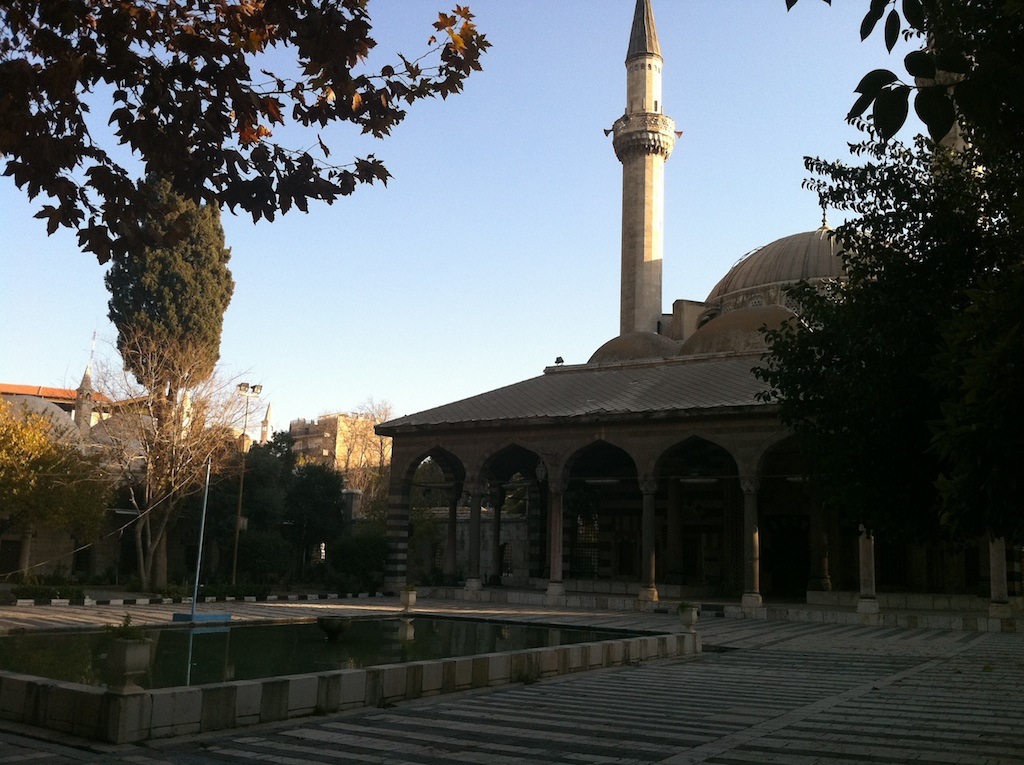
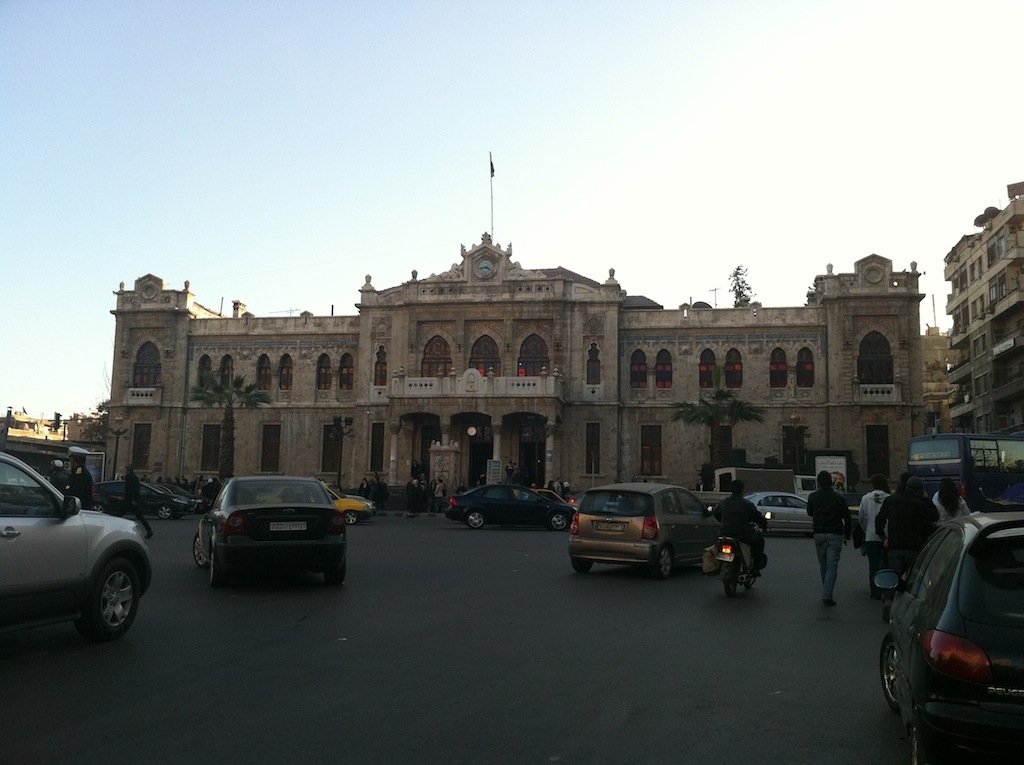
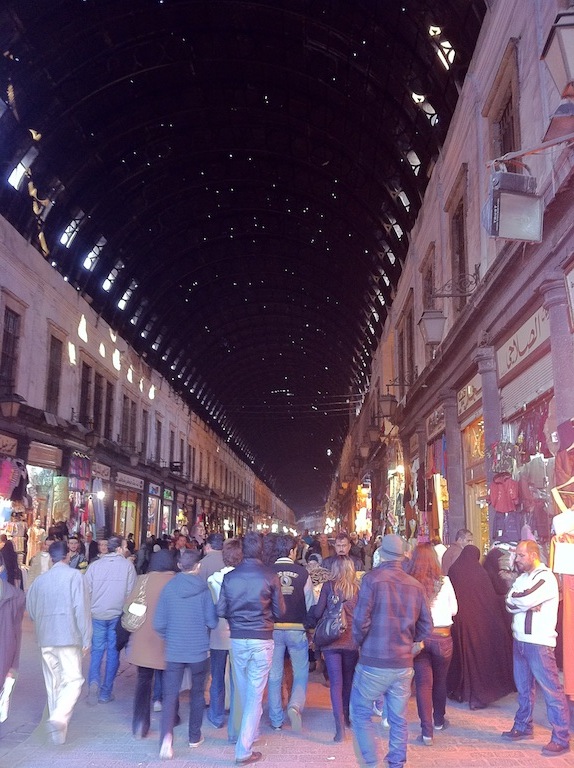
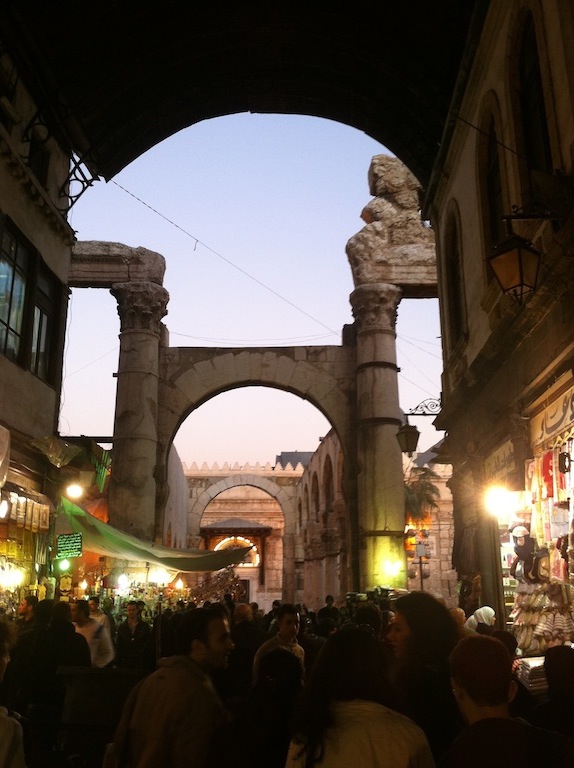
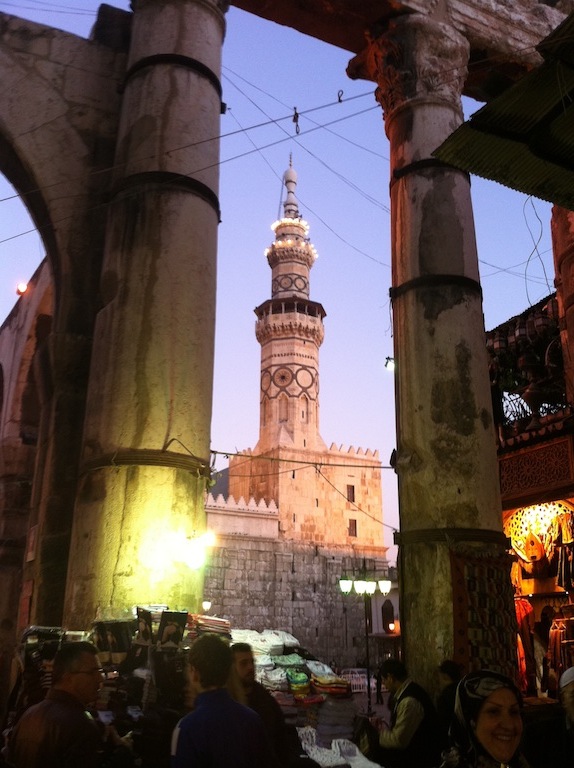
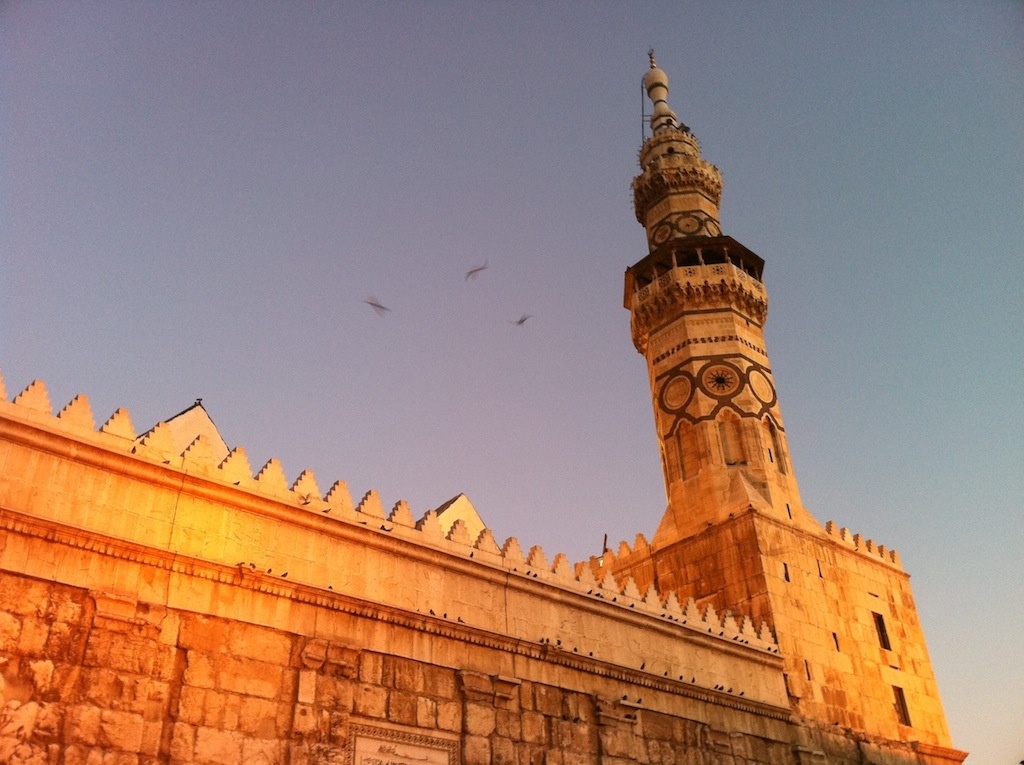
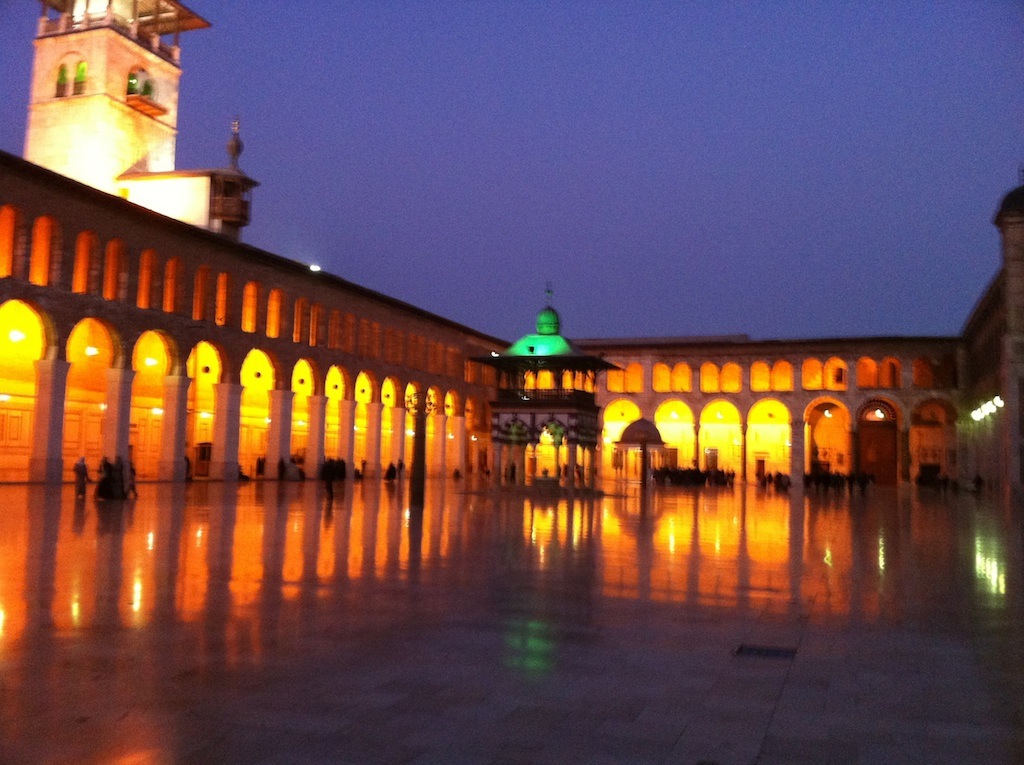
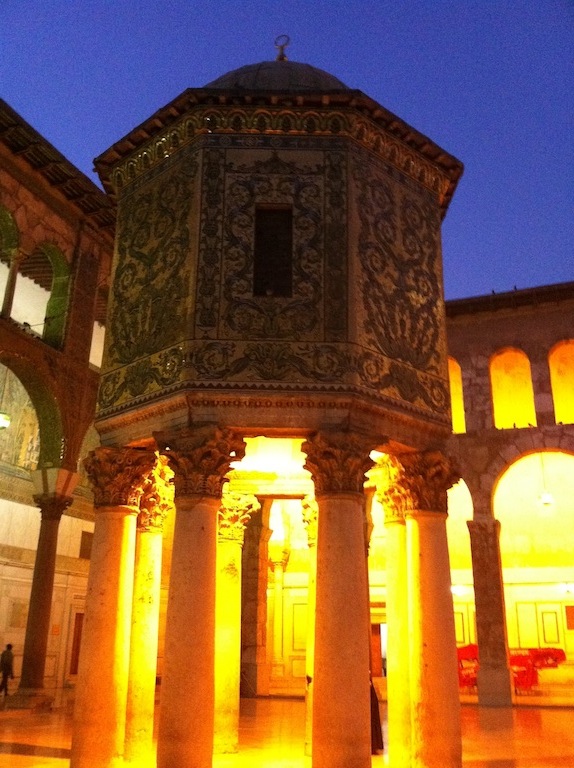
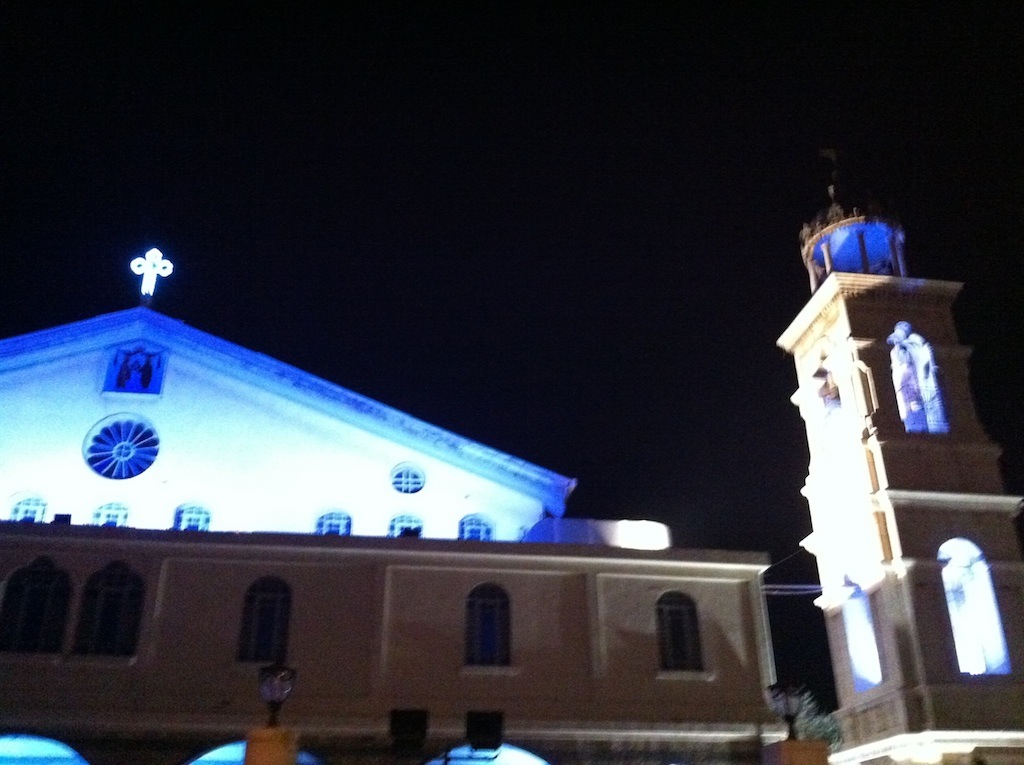
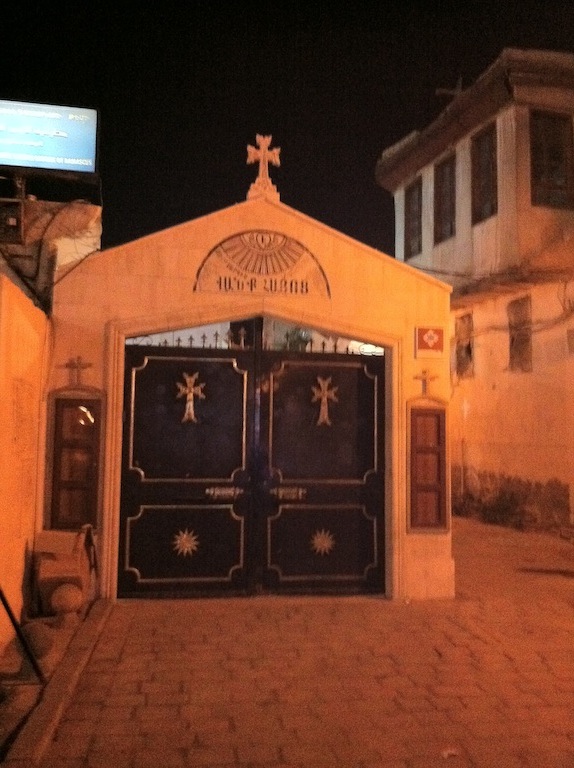
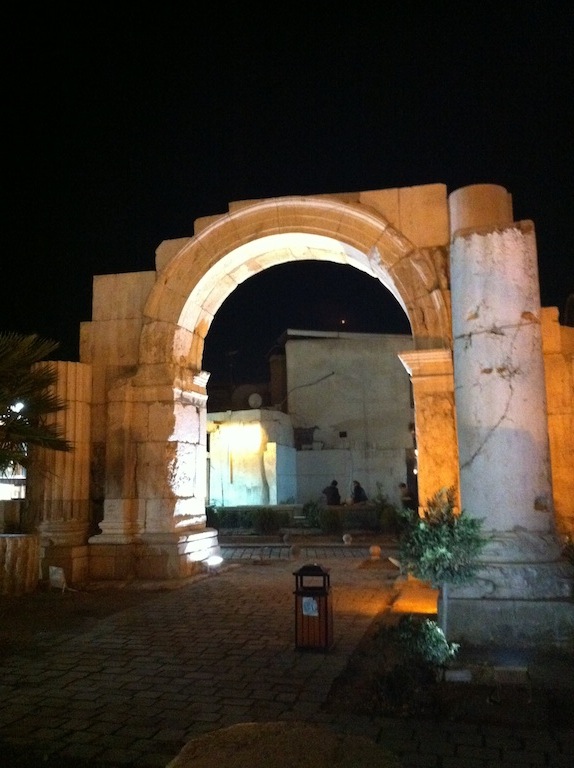
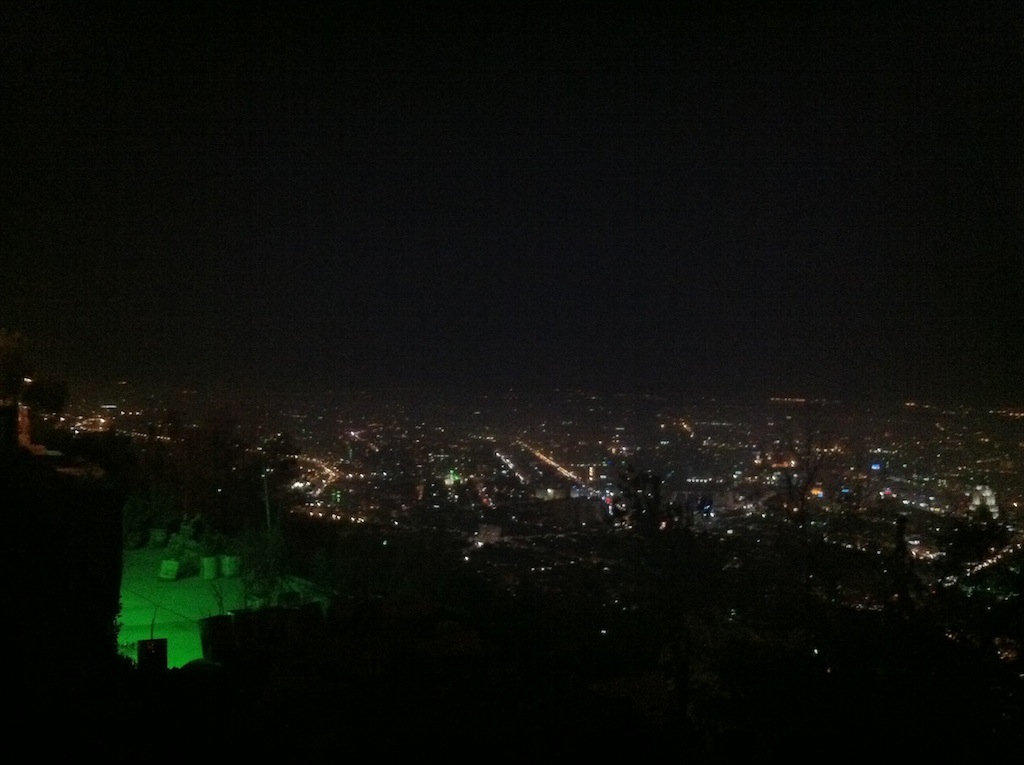
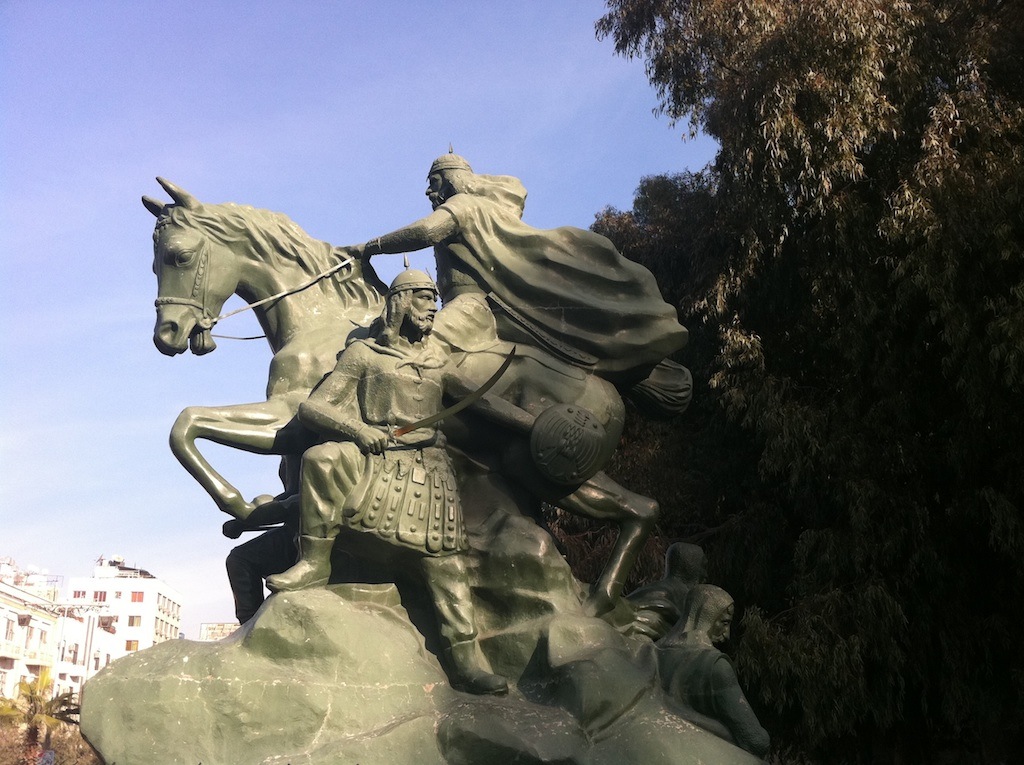
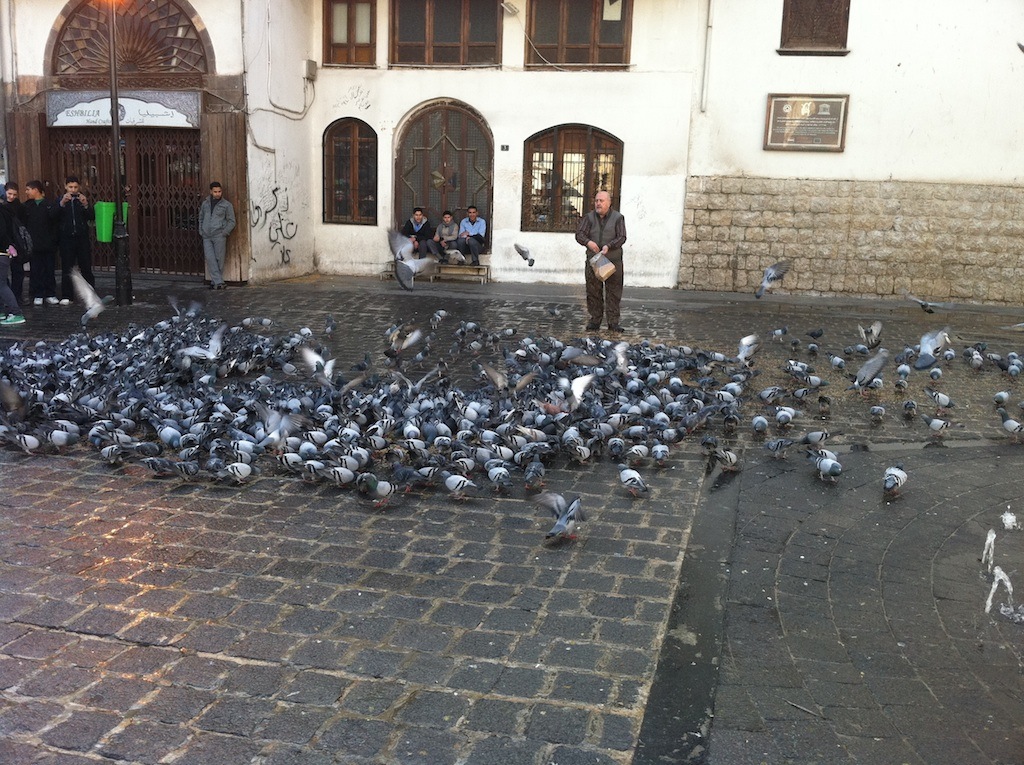
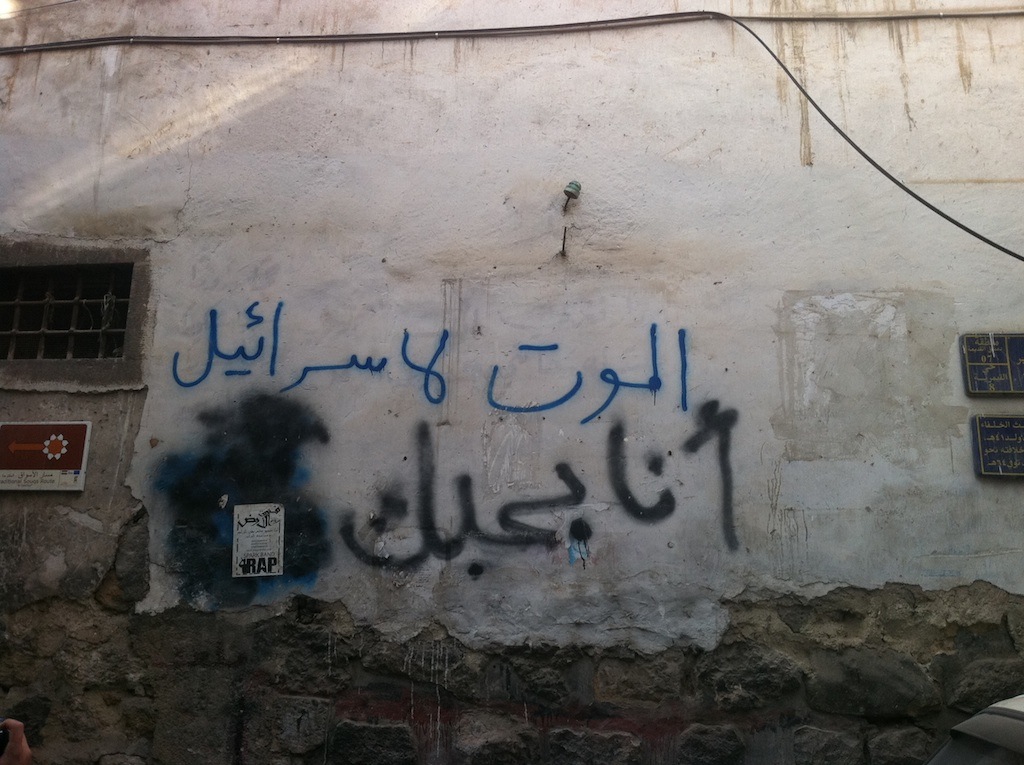
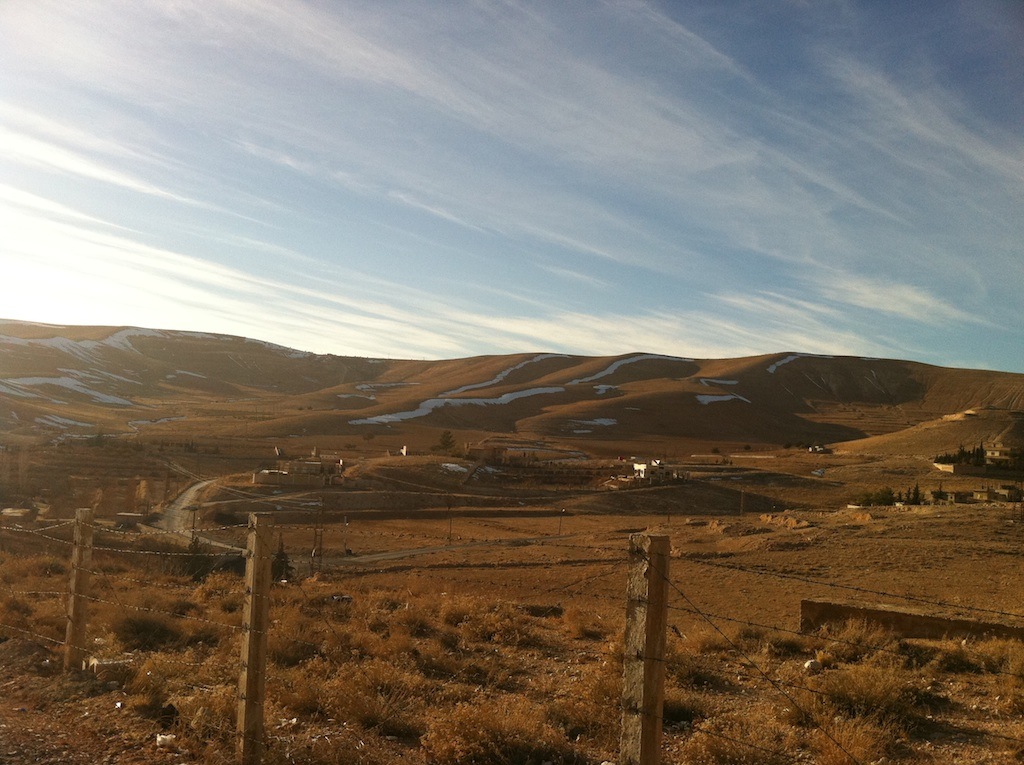
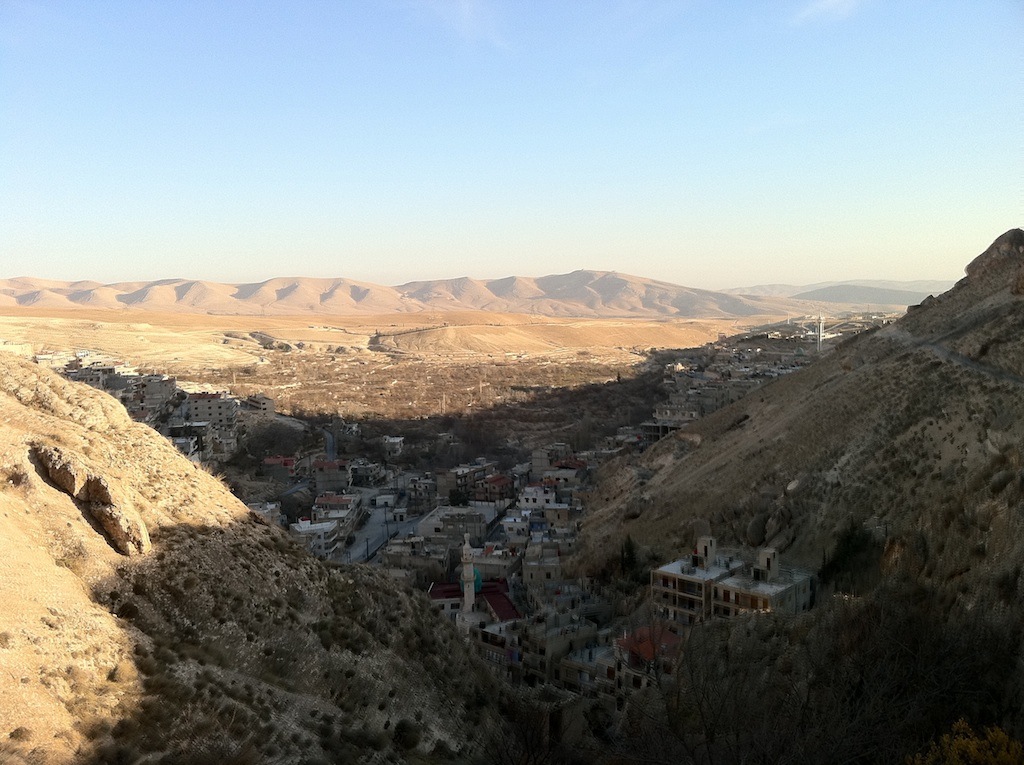
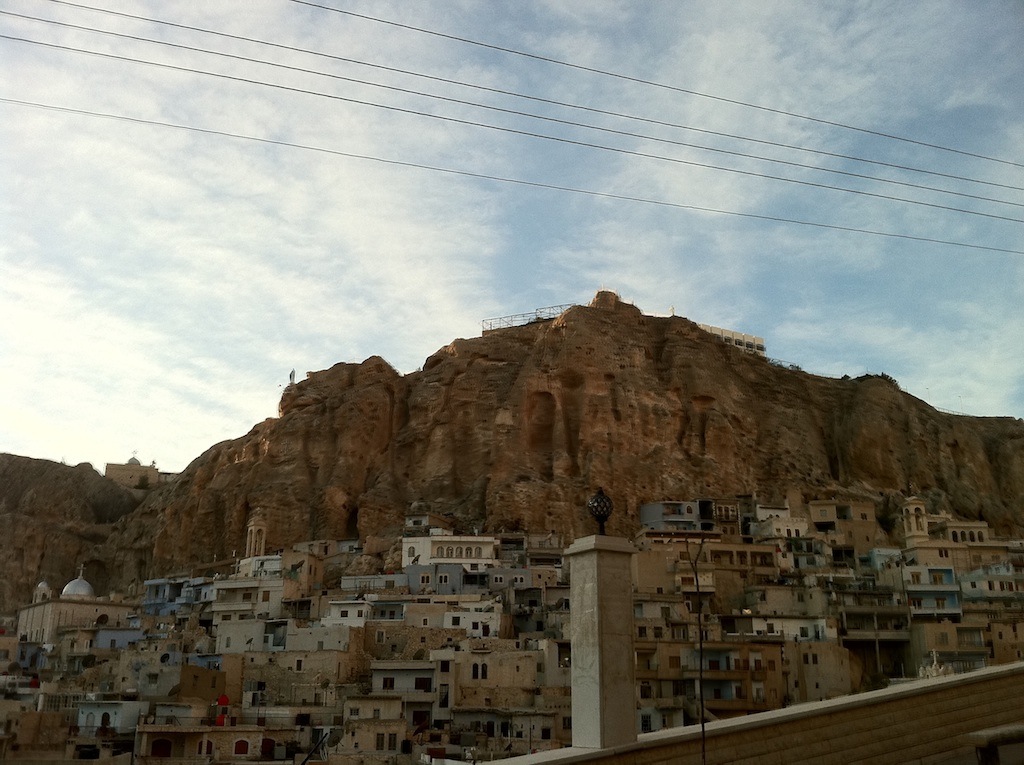
The last time I visited Syria, my third in total, was a couple of months before their uprising began. The pictures that follow are from the city of Damascus and the neighboring Christian town Maaloula.

I find Syria to be a very interesting place to visit because it is a vibrant country, despite the oppression they live in. It is drastically different from Lebanon and yet there are hints of similarities here and there that you will find striking. The people are resilient and lively despite the iron fist ruling over them.

As you drive around their cities and highways, you notice exactly how influential the regime is. None of the drivers or the people you encounter dare to talk against Bashar, although most don’t have lots to say apart from him being their leader whom they cherish. The billboards are the face of Bashar el Assad or his father. The very few billboards that don’t have his face towering over you are ads for the mobile companies Syriatel and MTN, which are – surprise, surprise – owned by the government.

The “big brother” feel in Syria is everywhere and your Lebanese outspokenness has to be toned down dramatically. This is not the place to be a big mouth. You’re not there to talk politics. You cannot talk politics there.

On a previous visit, I had went to the city of Homs. I was surprised by how much tidier it was compared to Lebanese cities. People actually stop at traffic lights. The streets are well groomed and quite neat. You don’t find that in, say, Tripoli. The people of the city we’ve come to associate with silliness in Lebanon were actually much more organized than any Lebanese I knew. What a bunch of arrogant people, we are. I’m pretty sure I wouldn’t recognize anything in Homs if I were to visit the city today. It has been more or less destroyed since then.

However, the apparent civility of the day, is quickly replaced by the rogue night. The clearest example to that is a taxi drive I went on while in Damascus, all by myself. Their taxis actually have timers – you pay as much as as you are drive, and you tip the driver a modest amount. That taxi driver had apparently decided to stop his timer, though. “We don’t use them at night,” he said. And even though I had pinpointed the address on a map I had on my phone, he still took me across the city of Damascus, pretending to be lost, only wanting to rip me off, believing I was a “gullible” European tourist.

Once I finally reached my destination, he tried to charge me triple what I should pay. I vehemently refused. Once he saw a policeman nearby, he almost let me get out of the cab for free – another sign of how weak the people truly are. I could have easily reported him to the police and he would have been in deep trouble. But I’m not that mean – and it’s not like the triple price would have mattered much. It would have been the equivalent of 4000LL in Lebanon or about $2.66. I gave him $2 just so that my subconscious would feel triumphant. But deep down, I couldn’t care less.

When in Maaloula, a Christian village where the body of St. Takla is laid to rest, I thought the town was filled with Iranians. Everyone was talking a weird language that I figured is Farsi. I had seen many Iranians on touristic excursions in Syria so I assumed that was the case in Maaloula as well. For instance, we visited the Al-Amawi Mosque after the evening prayer time, which was when the Mosque is supposed to start closing down. They allowed us to enter the courtyard though, the marble floor of which was freezing. It was my first time entering a Mosque. Then, a man ushered us to a room which looked to be full of people. I wanted to visit the mosque to see the resting place of St. John the Baptist so I thought the man was showing us to that room. Instead, I entered a place where men and women were wailing and slamming their chests with their open palms.

I panicked. I had no idea what was happening and neither did any of the Lebanese people who were with me. It turned out the people were Iranians remembering Ashoura.

What was the weird language I was hearing in Maaloula? Well, it wasn’t Farsi. It was actually Aramaic – the language of our Lebanese ancestors. And it’s the main language used in the Christian countryside of Syria. The people there strive to keep their heritage intact, starting with their language.

When I was there, Syria was a country with an illusion of a nation, one where the people are fragmented but kept together by the glue of a tyrant whose power they thought far transcends their own. With each passing day, the people of Syria are reclaiming their country and turning it into a nation. With every child Bashar el Assad kills, they are growing stronger and more resilient. With every throat Bashar el Assad slits, many more voices are screaming out against him. With every head he smashes, many thinkers are arising to talk about the injustice and the dark times they’ve been living.

More than year after their revolution, the uprising is now being called “fake” by some people. Those people tend to forget that the revolution started before major players decided to turn the whole thing into a very slow chess game. The people who lost their lives fighting for their country’s freedom did not die so people today can preach about how “useless” their revolution was.

The rebels are looting and stealing, that’s for sure. Revolutions are never clean. And with a dictator like Bashar el Assad, succeeding is very difficult. As a result, bloodshed is expected. But in the end, the Syria I saw is a country dying to be reborn away from the claws of the dictator who has been chocking it for decades.

Damascus:

Maaloula:

$450,000: The Bounty for Bashar el Assad’s Head

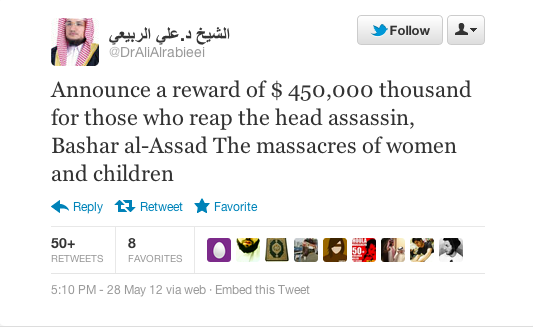
A Saudi Arabian cleric announced via his Twitter account that he’s offering $450,000 to anyone who would kill the Syrian president Bashar el Assad.

The Saudi cleric in question is actually one of the country’s top religious figure: Dr. Ali Al Rabieei. The tweet was published both in English and Arabic. Interestingly enough, the bounty started at $400,000 before he upped it by another $50,000.

After the Houla Massacre, I have my reservations regarding this amount. But I’m not paying. And I have no idea what’s the point behind something that will obviously lead nowhere except becoming a source for dark humor at a time where no one needs such a thing.