Observations from a Pre-Revolution Syria

When some people find out I’ve visited Syria, they ask me the following question: Why? How could you?

Every single time.

They cannot fathom how someone with my political views can visit that country. And my answer is always the same: why not?

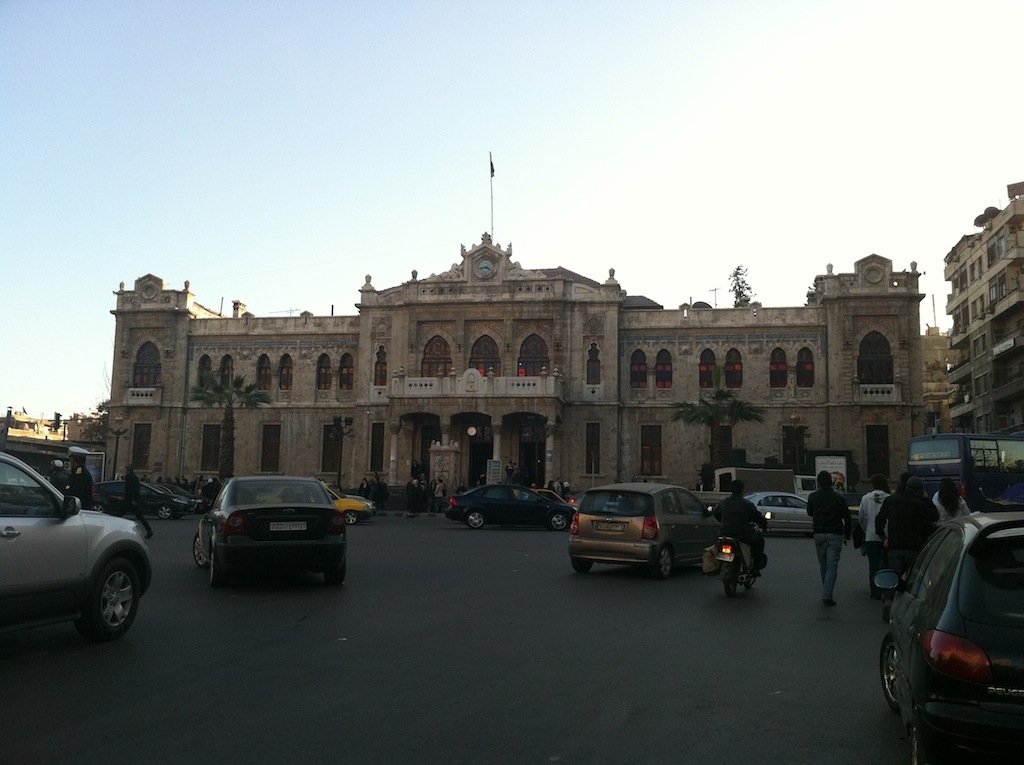
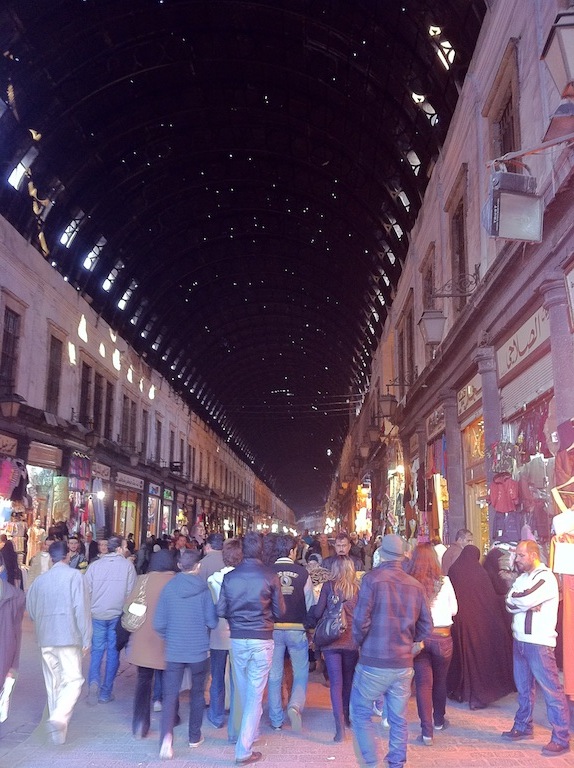
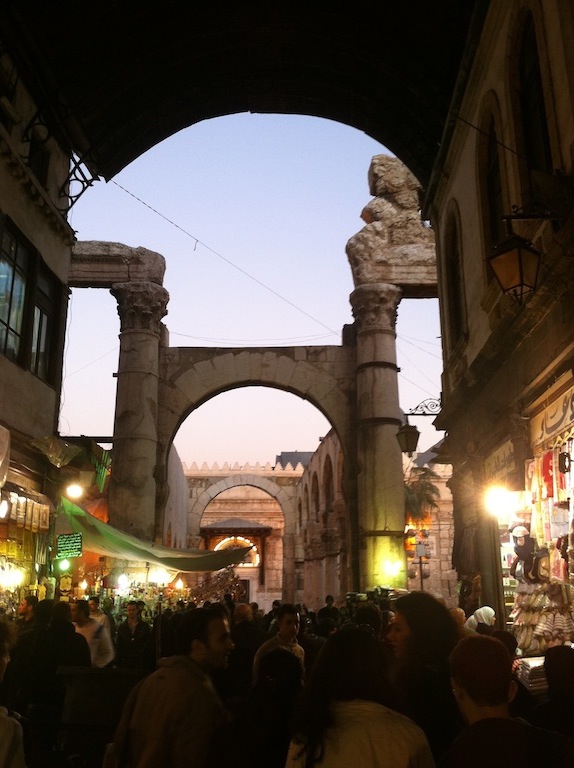
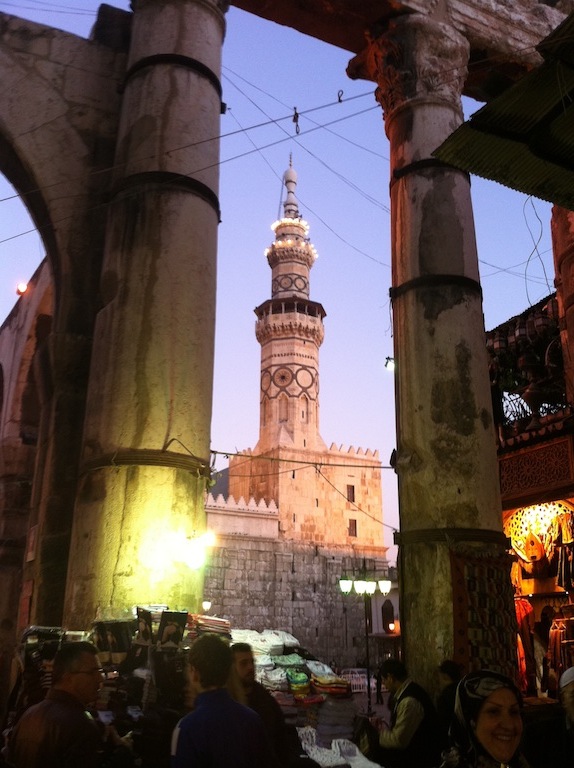
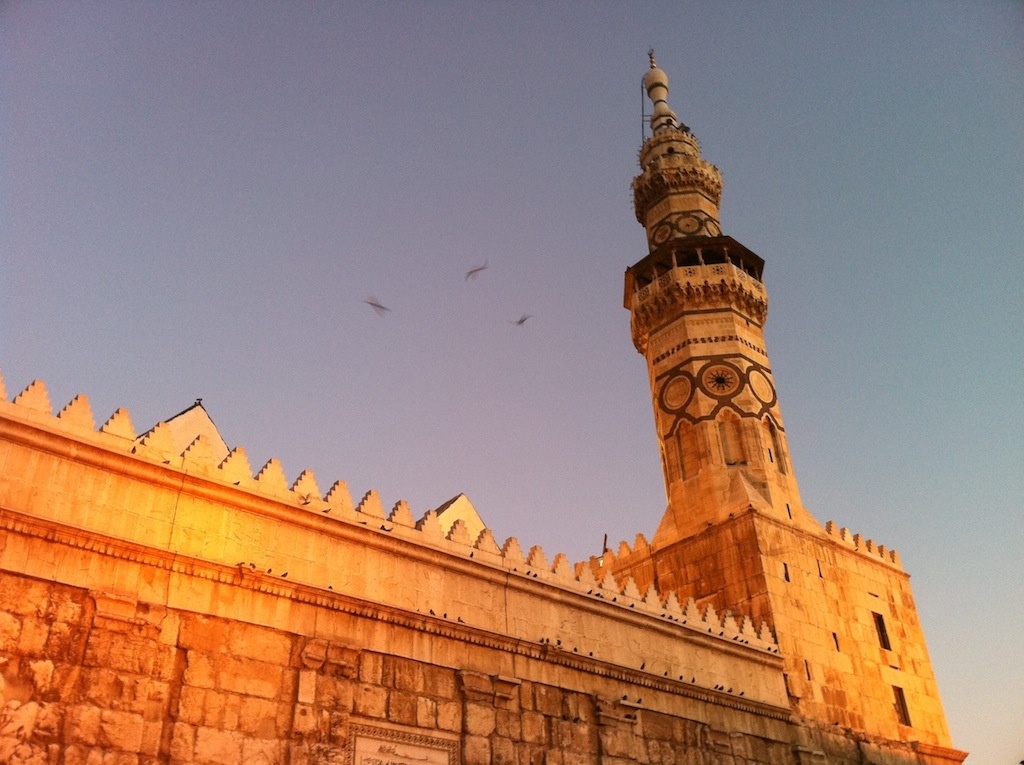
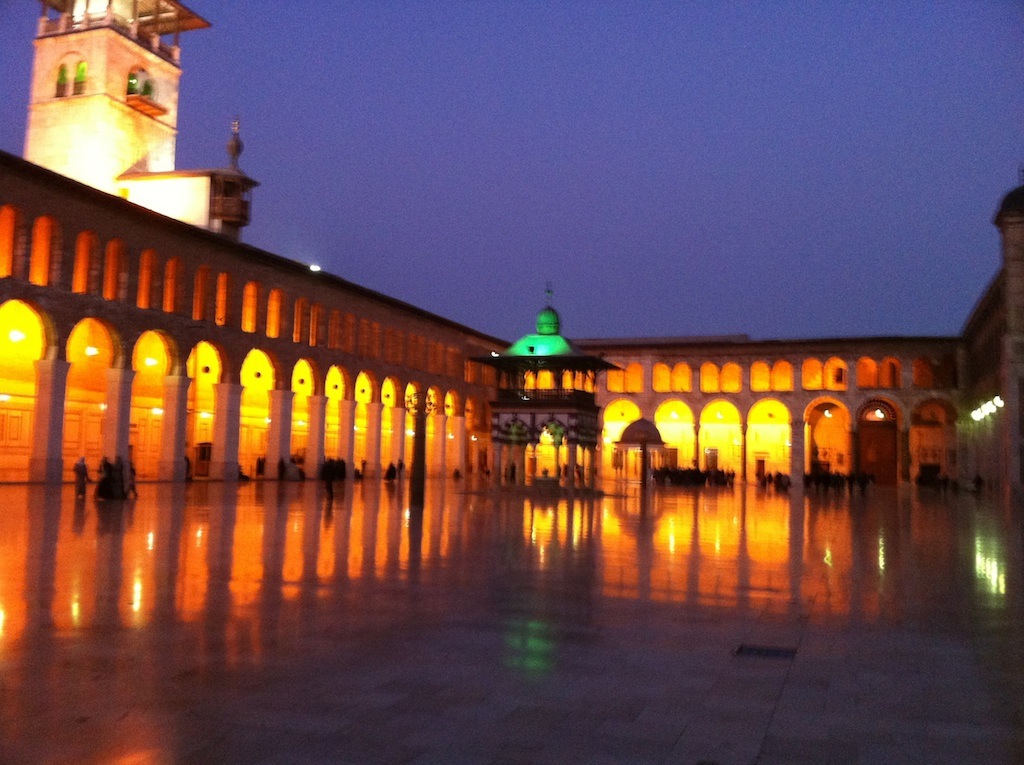
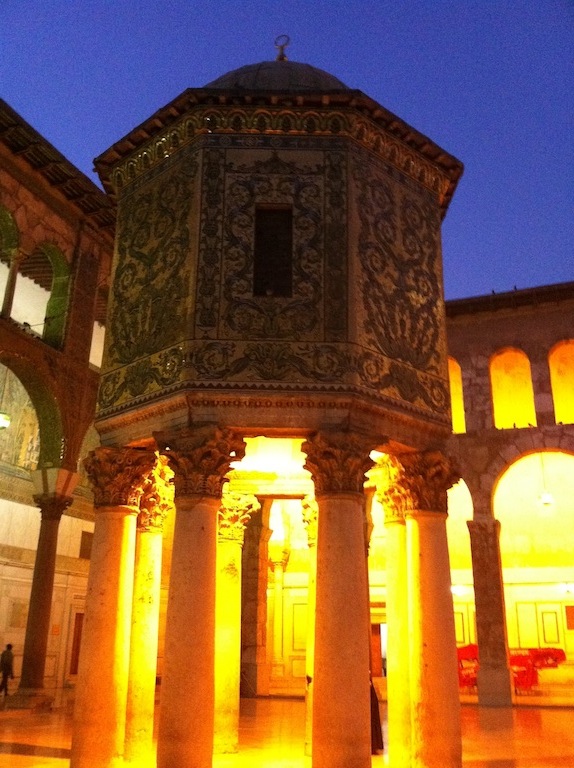
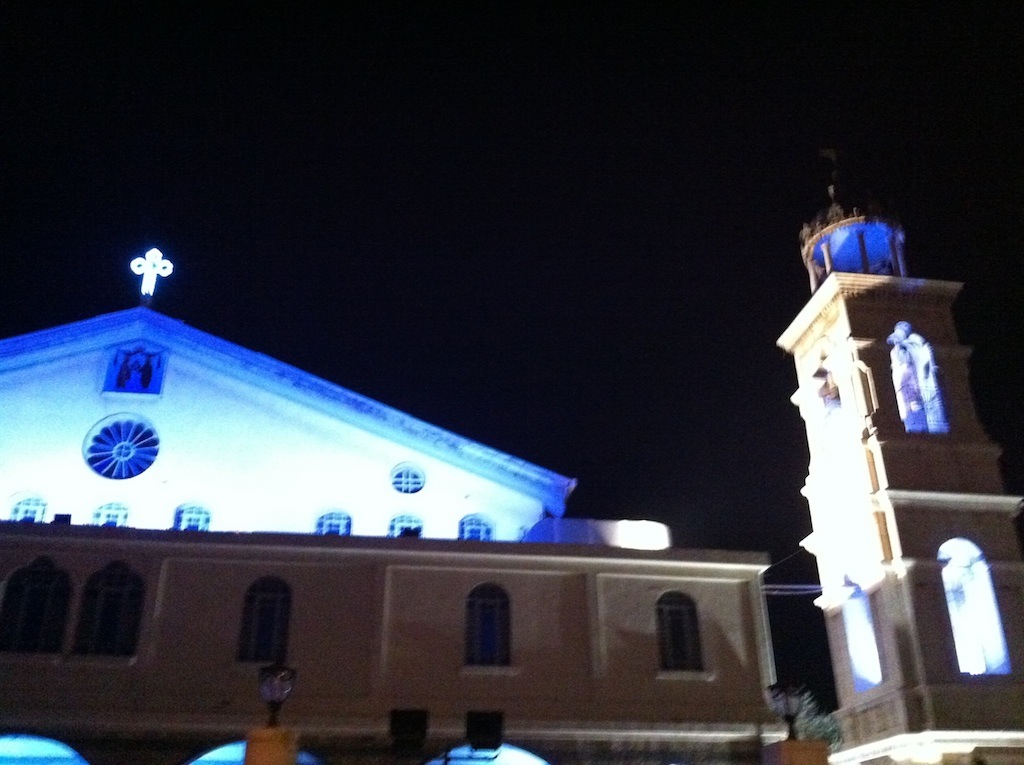
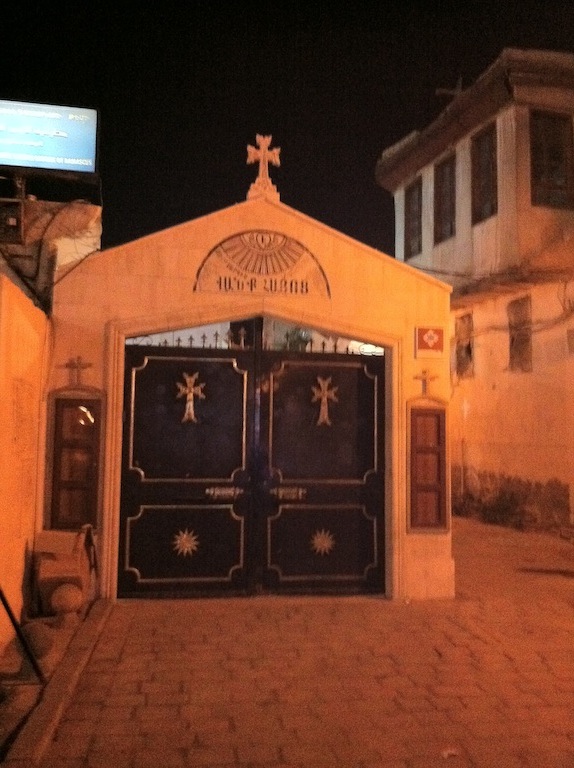
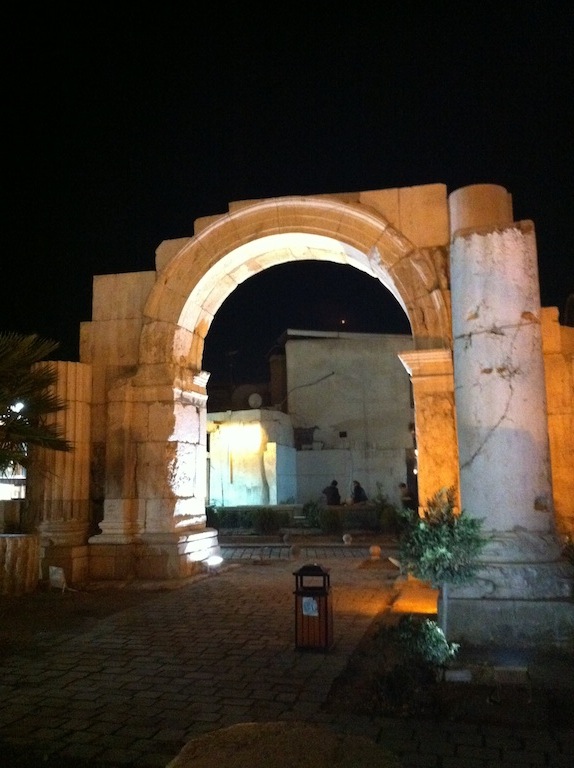
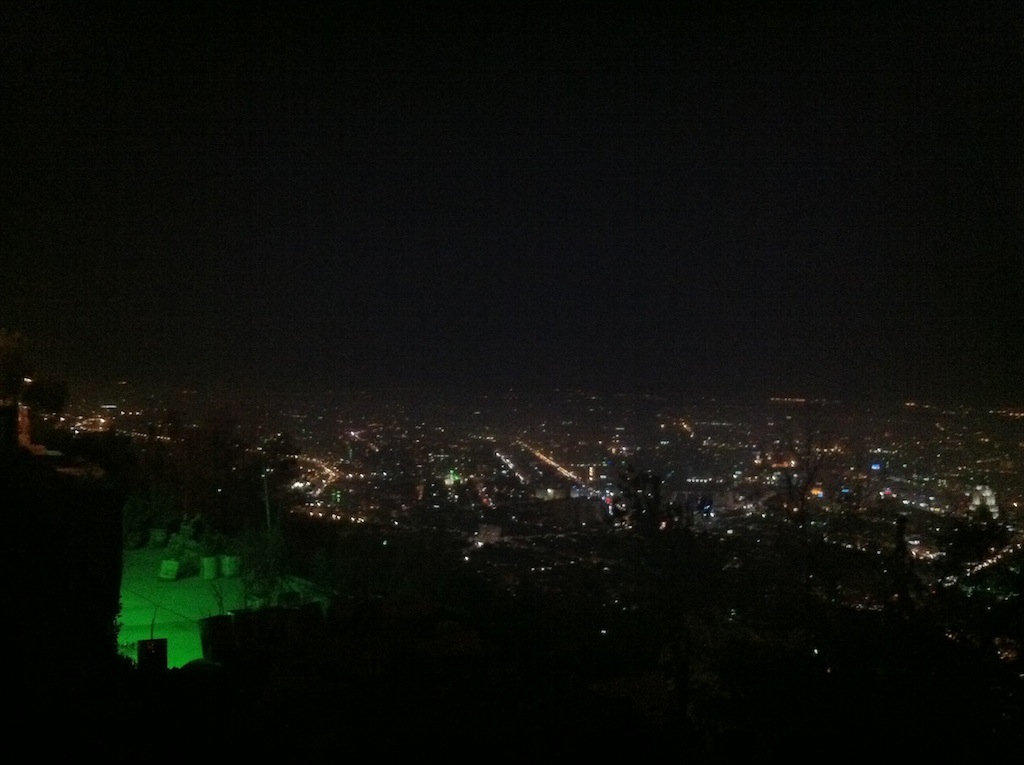
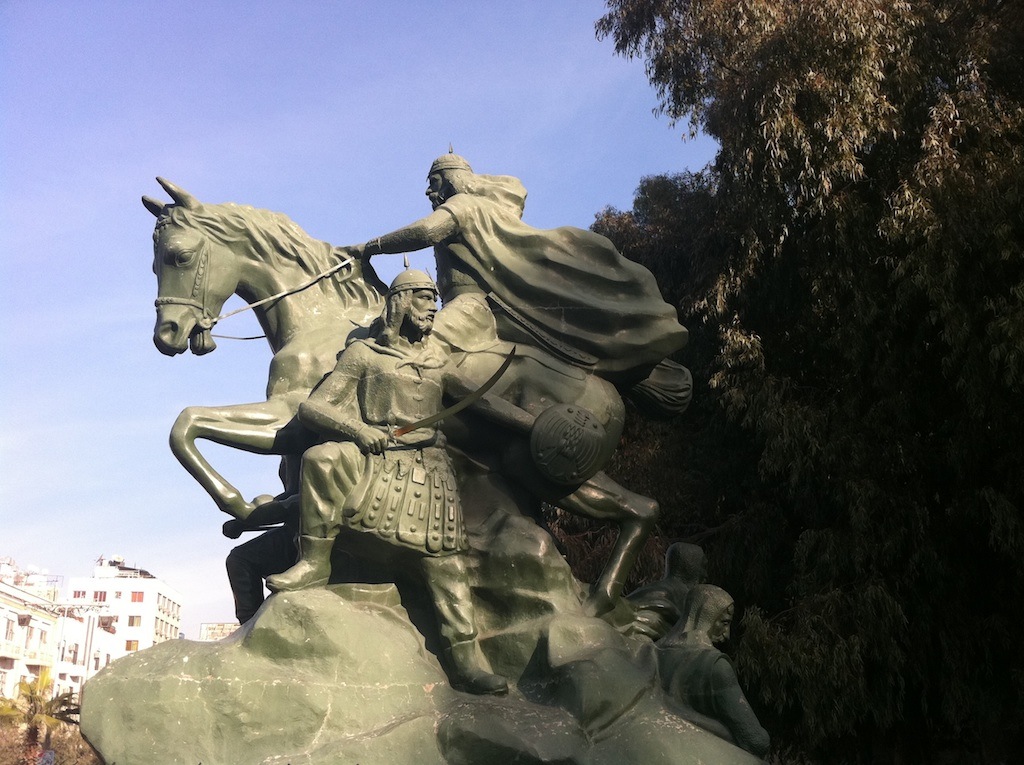
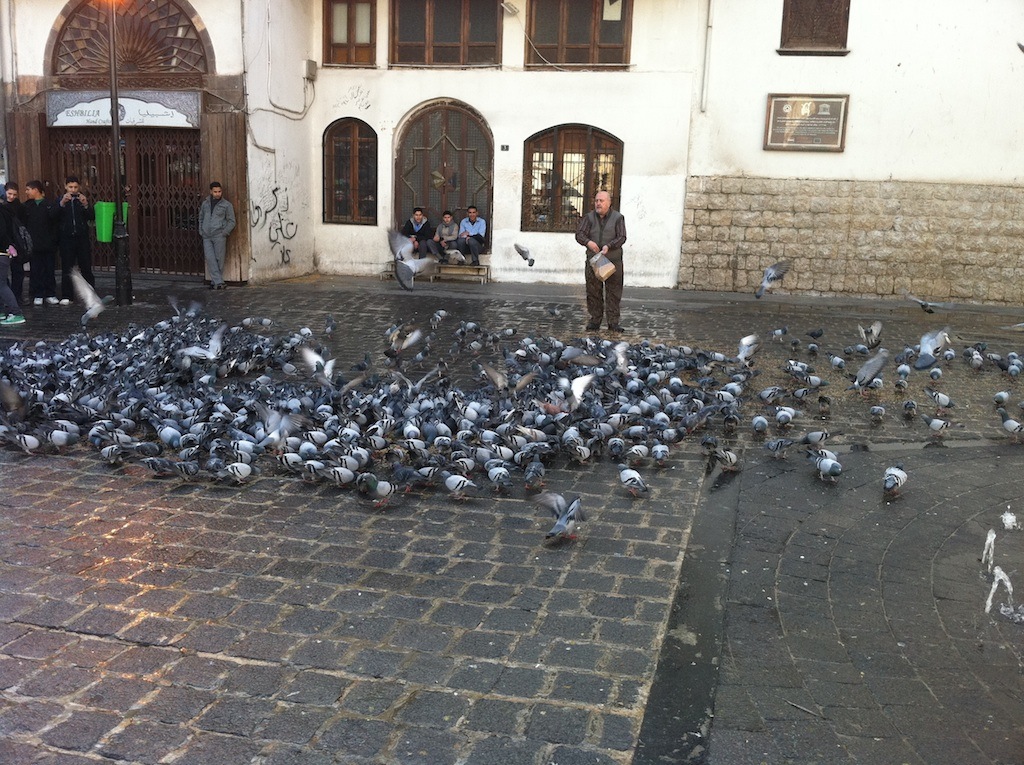
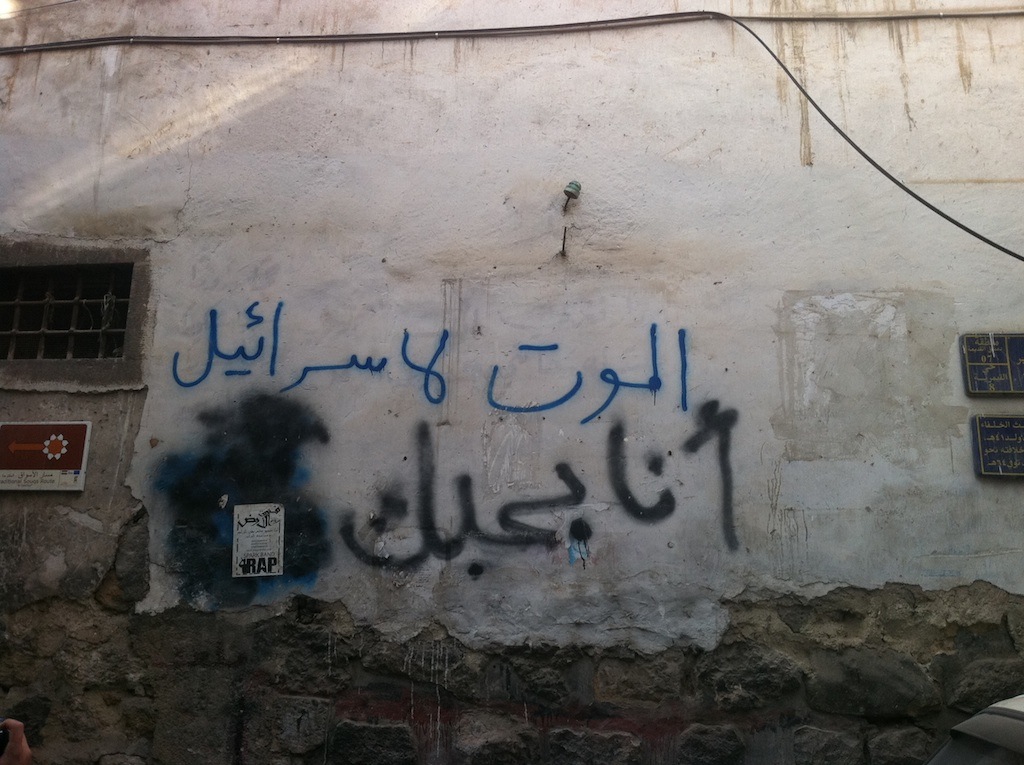
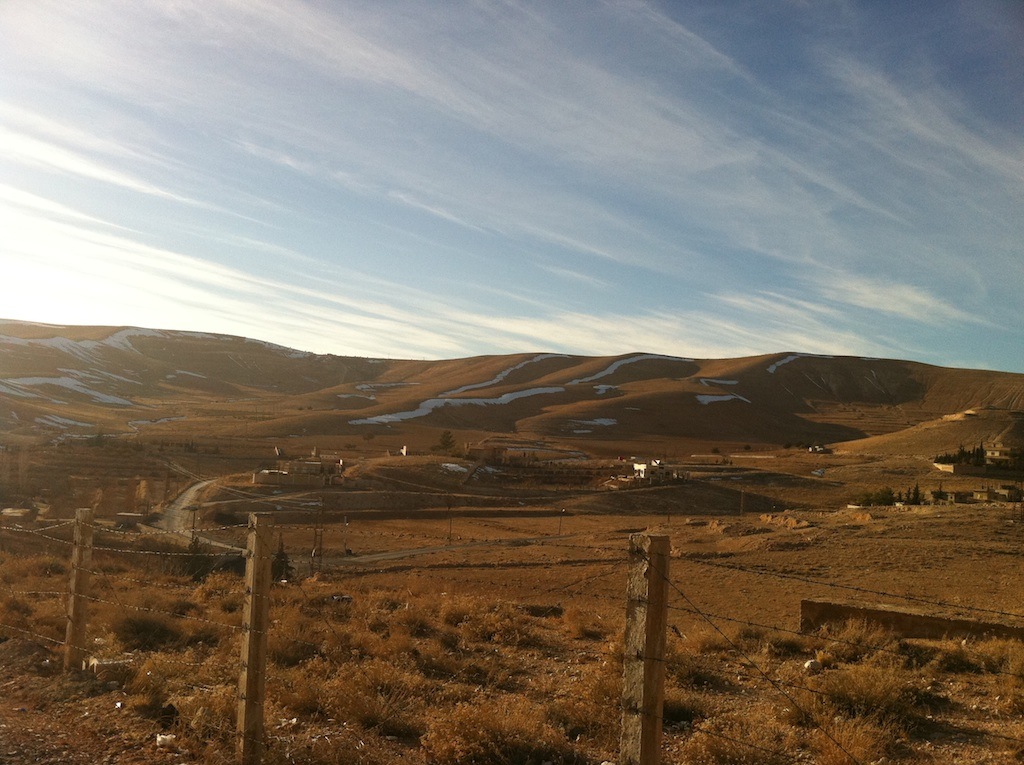
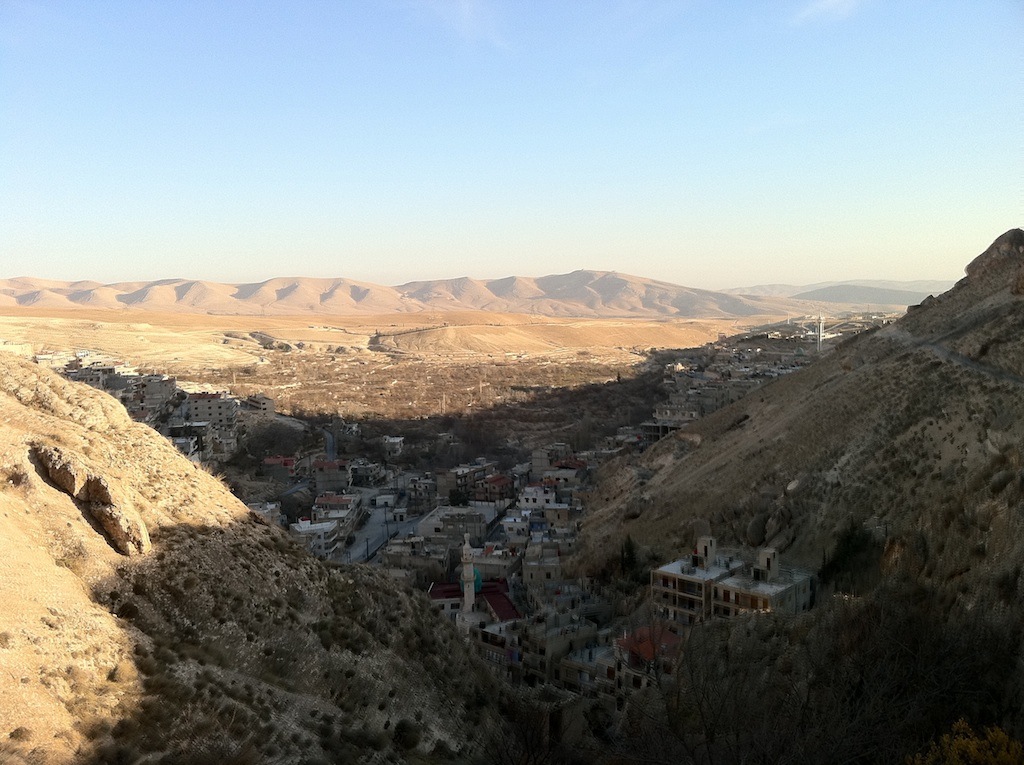
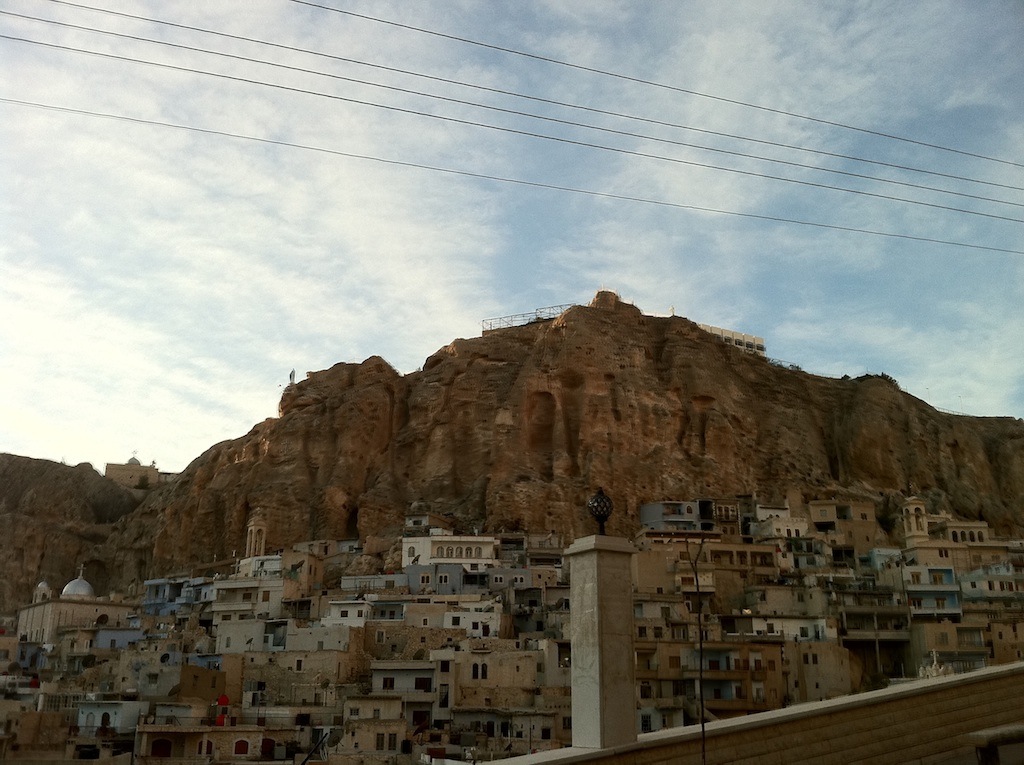
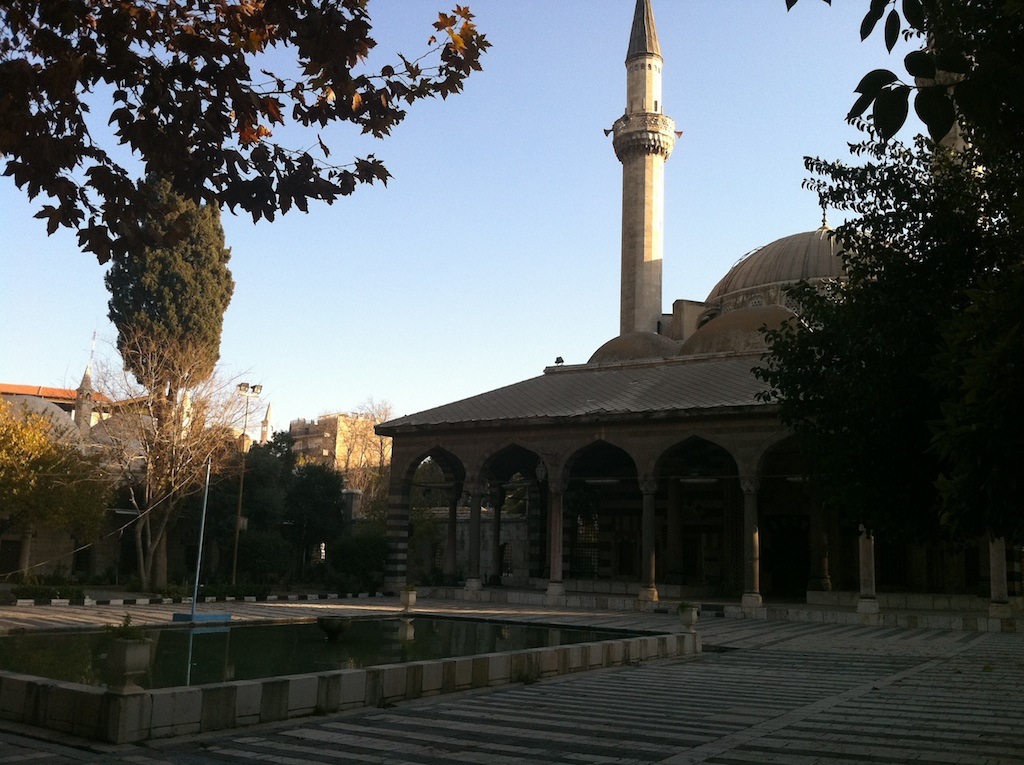
The last time I visited Syria, my third in total, was a couple of months before their uprising began. The pictures that follow are from the city of Damascus and the neighboring Christian town Maaloula.

I find Syria to be a very interesting place to visit because it is a vibrant country, despite the oppression they live in. It is drastically different from Lebanon and yet there are hints of similarities here and there that you will find striking. The people are resilient and lively despite the iron fist ruling over them.

As you drive around their cities and highways, you notice exactly how influential the regime is. None of the drivers or the people you encounter dare to talk against Bashar, although most don’t have lots to say apart from him being their leader whom they cherish. The billboards are the face of Bashar el Assad or his father. The very few billboards that don’t have his face towering over you are ads for the mobile companies Syriatel and MTN, which are – surprise, surprise – owned by the government.

The “big brother” feel in Syria is everywhere and your Lebanese outspokenness has to be toned down dramatically. This is not the place to be a big mouth. You’re not there to talk politics. You cannot talk politics there.

On a previous visit, I had went to the city of Homs. I was surprised by how much tidier it was compared to Lebanese cities. People actually stop at traffic lights. The streets are well groomed and quite neat. You don’t find that in, say, Tripoli. The people of the city we’ve come to associate with silliness in Lebanon were actually much more organized than any Lebanese I knew. What a bunch of arrogant people, we are. I’m pretty sure I wouldn’t recognize anything in Homs if I were to visit the city today. It has been more or less destroyed since then.

However, the apparent civility of the day, is quickly replaced by the rogue night. The clearest example to that is a taxi drive I went on while in Damascus, all by myself. Their taxis actually have timers – you pay as much as as you are drive, and you tip the driver a modest amount. That taxi driver had apparently decided to stop his timer, though. “We don’t use them at night,” he said. And even though I had pinpointed the address on a map I had on my phone, he still took me across the city of Damascus, pretending to be lost, only wanting to rip me off, believing I was a “gullible” European tourist.

Once I finally reached my destination, he tried to charge me triple what I should pay. I vehemently refused. Once he saw a policeman nearby, he almost let me get out of the cab for free – another sign of how weak the people truly are. I could have easily reported him to the police and he would have been in deep trouble. But I’m not that mean – and it’s not like the triple price would have mattered much. It would have been the equivalent of 4000LL in Lebanon or about $2.66. I gave him $2 just so that my subconscious would feel triumphant. But deep down, I couldn’t care less.

When in Maaloula, a Christian village where the body of St. Takla is laid to rest, I thought the town was filled with Iranians. Everyone was talking a weird language that I figured is Farsi. I had seen many Iranians on touristic excursions in Syria so I assumed that was the case in Maaloula as well. For instance, we visited the Al-Amawi Mosque after the evening prayer time, which was when the Mosque is supposed to start closing down. They allowed us to enter the courtyard though, the marble floor of which was freezing. It was my first time entering a Mosque. Then, a man ushered us to a room which looked to be full of people. I wanted to visit the mosque to see the resting place of St. John the Baptist so I thought the man was showing us to that room. Instead, I entered a place where men and women were wailing and slamming their chests with their open palms.

I panicked. I had no idea what was happening and neither did any of the Lebanese people who were with me. It turned out the people were Iranians remembering Ashoura.

What was the weird language I was hearing in Maaloula? Well, it wasn’t Farsi. It was actually Aramaic – the language of our Lebanese ancestors. And it’s the main language used in the Christian countryside of Syria. The people there strive to keep their heritage intact, starting with their language.

When I was there, Syria was a country with an illusion of a nation, one where the people are fragmented but kept together by the glue of a tyrant whose power they thought far transcends their own. With each passing day, the people of Syria are reclaiming their country and turning it into a nation. With every child Bashar el Assad kills, they are growing stronger and more resilient. With every throat Bashar el Assad slits, many more voices are screaming out against him. With every head he smashes, many thinkers are arising to talk about the injustice and the dark times they’ve been living.

More than year after their revolution, the uprising is now being called “fake” by some people. Those people tend to forget that the revolution started before major players decided to turn the whole thing into a very slow chess game. The people who lost their lives fighting for their country’s freedom did not die so people today can preach about how “useless” their revolution was.

The rebels are looting and stealing, that’s for sure. Revolutions are never clean. And with a dictator like Bashar el Assad, succeeding is very difficult. As a result, bloodshed is expected. But in the end, the Syria I saw is a country dying to be reborn away from the claws of the dictator who has been chocking it for decades.

Damascus:
Maaloula:

The Lebanese Army is Becoming Way Too Reckless

A couple of years ago, a friend of mine was heading back to his hometown in the Chouf. Knowing the road like the back of his hand, he didn’t think there would be a military checkpoint which was set up there in the few hours he wasn’t home. So while driving back, he didn’t stop at the checkpoint.

As a result, the army spiked his car’s tires, deflating them all and stopping him in his tracks. He ended up paying over $500 for new tires. In retrospect, my friend was very lucky.

If this had happened with him today, my friend would have been dead.

Charbel Rahme is the latest casualty to the Lebanese army. What was Charbel Rahme’s fault? He didn’t stop at the Madfoun checkpoint. Should he have stopped? Definitely. Everyone should stop at a Lebanese army checkpoint. But is not stopping enough reason for the army to kill someone?

I refrained from commenting on the army killing Sheikh Abdul Wahed last week. Let’s wait for the investigation, I figured. Perhaps Sheikh Abdul Wahed had a ton of arms with him in the car. Perhaps his convoy shot at the army first. Perhaps, perhaps, perhaps. Too many suppositions.

But in Charbel Rahme’s case, he didn’t shoot at the army. He didn’t threaten their lives. And still he died. His car was shot 6 times. There’s no room for randomness with 6 bullets. He was shot in the head. He died instantly. He was 38.

Charbel Rahme’s brother is a major in the army as well.

Two theories come to mind. Either this is the act of reckless individuals within the army, in which case they should be trialed as soon as possible. Or there’s a command from high-above to shoot to kill. When it comes to the former, the fact that this incident has happened twice in one week means there are way too many reckless individuals within the army and if the “myth” of the army being protective to all Lebanese is to stand then massive pruning is needed.

As for the latter theory, how can I expect protection from an army who would kill me if I run a checkpoint? The argument that I’m a civilian who “doesn’t understand” doesn’t stand. I’m the civilian whose life is threatened here. I’m the civilian getting killed in a meaningless situation no one should die in. I’m the civilian whose trust in the army is waning dangerously thin. I’m the civilian whose support the army desperately needs. I’m the civilian who can’t understand why I have to die if I don’t stop at a checkpoint.

We are not hypocrites. We supported the Lebanese army when the hypocrites proclaiming Lebanese army love today laughed at some of the army’s martyrs. But when it comes to our lives, some things need to be said. The Madfoun checkpoint has a puzzle of barricades to prevent people like Charbel Rahme from speeding away from the checkpoint. The army would have had way too much time to spread out the spikes needed in order to stop the car.

The spikes wouldn’t have allowed Charbel Rahme’s car to go more than 20 meters with deflated tires. Even if Charbel Rahme had continued trying to move away, his body has way too many points the army can hit without killing. And yet, Charbel Rahme’s body is lying cold in the morgue of the Batroun Hospital with a bullet hole in his head.

There’s no other way to spin it. The Lebanese army is getting reckless with the lives of the people it should be protecting. The Lebanese army is becoming way too reckless with the weapons it has especially with people against whom these weapons should never be used.

Alla ye7me l jeish? I beg to differ. Alla ye7mina ne7na iza heik.

Is Lebanon fast turning into a military state where your life ends depending on how you behave at checkpoints? Is not stopping at a military checkpoint now a threat to the national security of the country?

The people of Bsharre are now ringing the bells of their churches, lighting candles and praying for the soul of Charbel Rahme. May he rest in peace. His death was unnecessary, uncalled for and much more dangerous than the death of Sheikh Ahmad Abdul Wahad. Why? Because Charbel Rahme was a regular citizen, like you and me.

This is Charbel Rahme

Happy Liberation Day, Lebanon?

I remember May 25th 2000, 12 years ago, when I came back home all giddy with them letting us off from school early. We had heard whispers at school: “The Israelis have left…. the South is ours again.”

I felt happy. I felt proud of my country. Even though I had never been to the South, I felt liberated.

So today, I salute all the readers of my blog who come from South Lebanon, however few they may be. Blame it on my political stance that drastically differs from theirs. I salute all those who fought for Lebanon’s freedom from Israel before that fight started being used for political gains here and there. I salute all the martyrs that died in the process of trying to take back every inch of Lebanese land.

But today, 12 years later, I can honestly say Liberation Day has lost some of its flavor to me. Not because of current political reasons, not because I utterly hate the political party which led to that day but because it reminds me that my own occupation is nowhere near to be acknowledged.

April 26th…. That day I saw the Syrian army trucks leaving my land, hopefully to no return. That day I saw my mom shed a tear as she drew a sigh of relief – the horror has gone. That day I saw my grandfather smile like a child as he breathed for the first time in his Syrian army-free hometown.

When will Lebanon truly admit that Israel and the South weren’t the only entities in the country occupied for years? When will we admit that Northerners and people from Mount Lebanon struggled almost as much as people in the South?

When will we admit that your “brother” becoming your enemy is much more dangerous than a stranger enemy with whom you barely have anything in common?

Today, May 25th is another day that reminds me of Lebanese hypocrisy, of how the deaths of those that fought to get the Syrian army off my land, prior to the Rafic Hariri assassination era, are all looked down upon: a bunch of traitors who aren’t worthy of being acknowledged.

And it makes me sad, really, that on a day where I should be happy for my country’s sake I can’t but feel sadness for the memory of those who fought for liberation and don’t have a day to remember their struggles.

You can’t understand liberation unless you’ve been under occupation.

May 25th, I’d salute you when you salute April 26th.

Spotted in Achrafieh: Lebanon’s Neo-Nazis?

Because it doesn’t make sense not to have something of everything in Lebanon, we also have our own Neo-Nazis. Have they read Mein Kampf? I doubt. Do they know what Nazism stands for? I doubt as well.

I really have a hard time understanding how someone’s mentality could actually bring them to be this convinced with Hitler and his ideology that they’d take the time to paint the swastika on a building in Beirut. I even know one person from my hometown who wears the swastika around his neck.

The Shadi Mawlawi Lesson for Lebanon

For all matters and purposes, Mawlawi is irrelevant. In a few weeks, he will only be remembered as the man who was important some time ago. But for his followers, Mawlawi represented a cause, a reason to fight and stand up to a state they hardly consider their own.

Arrested last week, the salafists got into fights that led to destruction and chaos amounting to millions of dollars. Mawlawi got bailed out yesterday for $300. His release was celebrated in the streets of Tripoli: the return of the savior, the hero, the “messiah” of the salafists, the one who represents their struggle.

Mawlawi’s release has showed the salafists what they can do. It showed everyone what can be done to get what you want. Induce chaos. Start havoc. Block the streets. Burn tires. Kill people. Bomb buildings.

The government? It will cave.

The army? Too weak to retaliate.

The ISF? Too involved to be relevant.

Political leaders? Their influence is waning.

Shadi Mawlawi’s release has showed an inherent flaw in the design of Lebanon. There is no state. This is a farm of “people” grouped together. The toughest “person” who can get the others to cower the most for a specific period of time rules.

One of the many diseases in Lebanon is the “Shadi Mawlawi” disease. It exists in many sects and political parties: people who rise from zero to hero in the matter of seconds, who manage to rally the masses behind a “cause,” who get the masses to die for that “cause” and who end up burning the country for a matter that is irrelevant.

There are too many Mawlawis  in Lebanon to count, too many people above any consideration, above any law, above any form of government, above any form of civility. Shadi Mawlawi, Samir el Kentar, the airport officer who led to the May 2008 events, the Islamists of Nahr el Bered…

And then there are those who are taken by the Mawlawis of Lebanon and who believe burning tires is the best solution to get your voice across. The sad thing is they are getting results. It is here that I reiterate the question I asked yesterday: in a country of savagery, is civility the best option for  self-preservation?

“Hay balad? hay mesh balad… hay shellet 3alam. Majmou3in? La2. Madroubin? La2. Ma2soumin? La2. Matrou7in? La2. Oum fout nam w sir 7lam enno baladna saret balad.” – Ziad el Rahbani.